
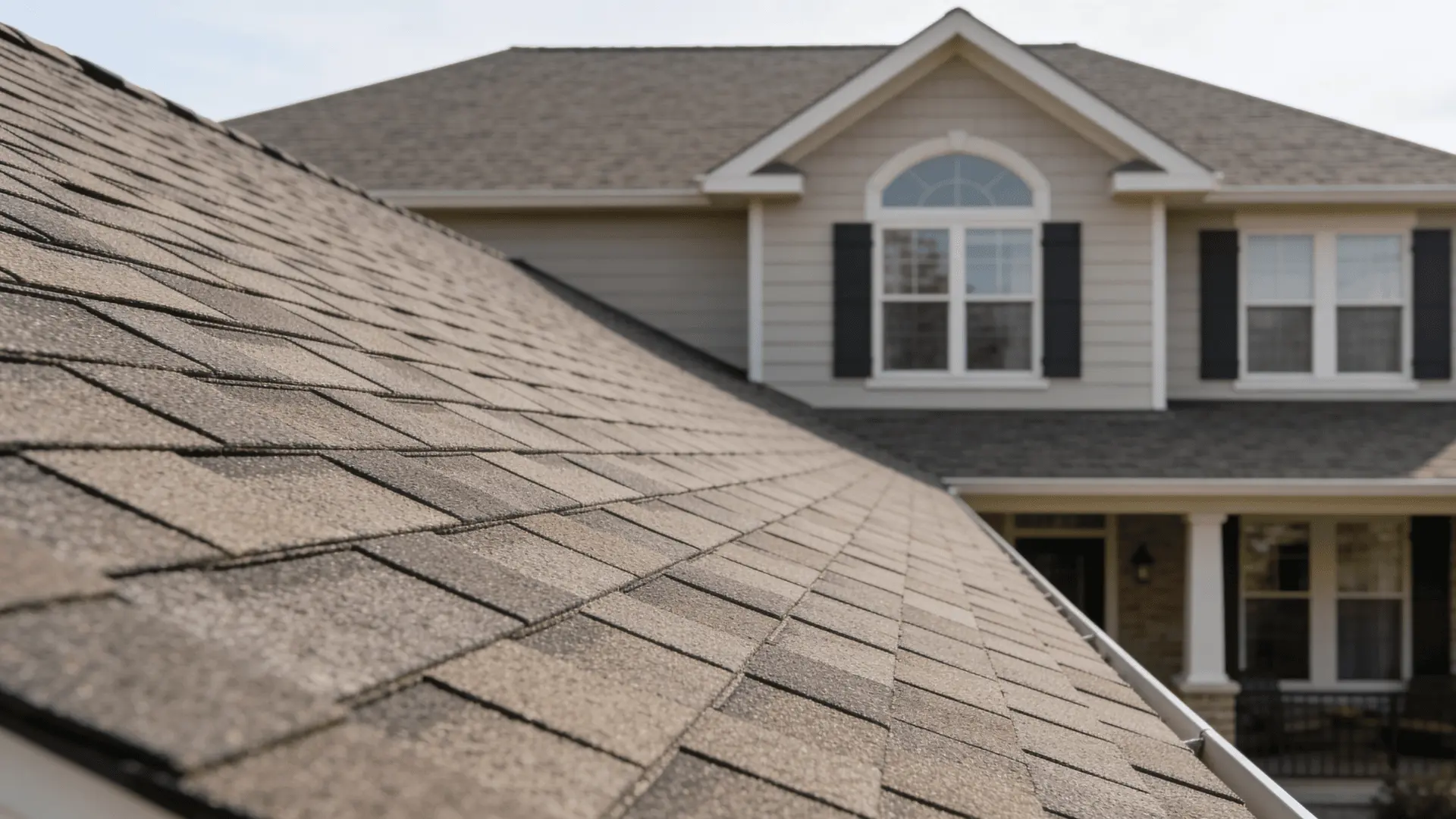
Average Cost of Roof Replacement: Complete Price Guide
Roof replacement is one of those expenses that can catch homeowners off guard. A small issue can turn into a big bill quickly.
That is why knowing the average cost of roof replacement matters before you start planning. Prices can vary widely without a clear reason.
Today, I’ll you understand how roofing costs work and what to expect before starting.
If you are planning a roof project soon, this breakdown will help you estimate expenses and make better decisions before contacting contractors.
Average Cost of Roof Replacement
Replacing a roof is one of the largest home improvement expenses many homeowners face. The total price depends on the size of the roof, the material selected, and the complexity of the structure.
While every project is different, national data shows a fairly consistent cost range for standard residential roof replacements.
Most homeowners pay between $6,000 and $16,000 for a full roof replacement. Many typical projects fall around $9,000 to $11,000 for an average-sized home.
Larger homes, premium roofing materials, and complicated roof designs can increase the price significantly.
Typical National Price Range for Roof Replacement
The average roof replacement costs about $9,500 to $11,500 for a standard asphalt shingle roof on a typical home.
This estimate usually applies to houses with roof sizes between 1,700 and 2,000 square feet. However, several factors influence the final price:
- Roofing material
- Roof size and slope
- Local labor costs
- Roof complexity such as chimneys or dormers
- Removal of the existing roof
Because of these variables, total replacement costs can range from around $5,800 for small simple roofs to $40,000 or more for large or premium roofing systems.
Average Roof Replacement Cost per Square Foot
Roofing contractors commonly estimate prices per square foot, which makes it easier to calculate costs for roofs of different sizes.
A new asphalt shingle roof typically costs $3.50 to $7.50 per square foot installed. Higher-end materials like metal, tile, or slate increase the price significantly.
This pricing method works well because roof size directly determines:
- The amount of roofing material required
- The labor time needed for installation
- Waste and disposal costs
Roofers also measure roofs using roofing squares, where one square equals 100 square feet of roof surface.
Estimated Costs for Common Home Sizes (1,500, 2,000, and 3,000 Sq Ft)
Typical roof replacement costs increase with home size. The estimates below assume asphalt shingles and a relatively simple roof structure.
| Home Size | Estimated Roof Size | Typical Replacement Cost |
|---|---|---|
| 1,500 sq ft home | 1,600 – 1,700 sq ft | $5,500 – $10,500 |
| 2,000 sq ft home | 2,100 – 2,300 sq ft | $7,500 – $14,000 |
| 3,000 sq ft home | 3,200 – 3,500 sq ft | $11,000 – $22,000 |
Steep slopes, multiple roof sections, or premium materials can increase costs beyond these ranges.
Roof Replacement Cost by Roofing Material
Different roofing materials vary widely in price, installation complexity, durability, and lifespan. Some materials are cheaper upfront but need replacement sooner. Others cost more at installation but can last several decades.
Most roof replacement estimates are calculated per square foot, which makes it easier to compare material costs across different homes.
1. Asphalt Shingle Roof Replacement Cost
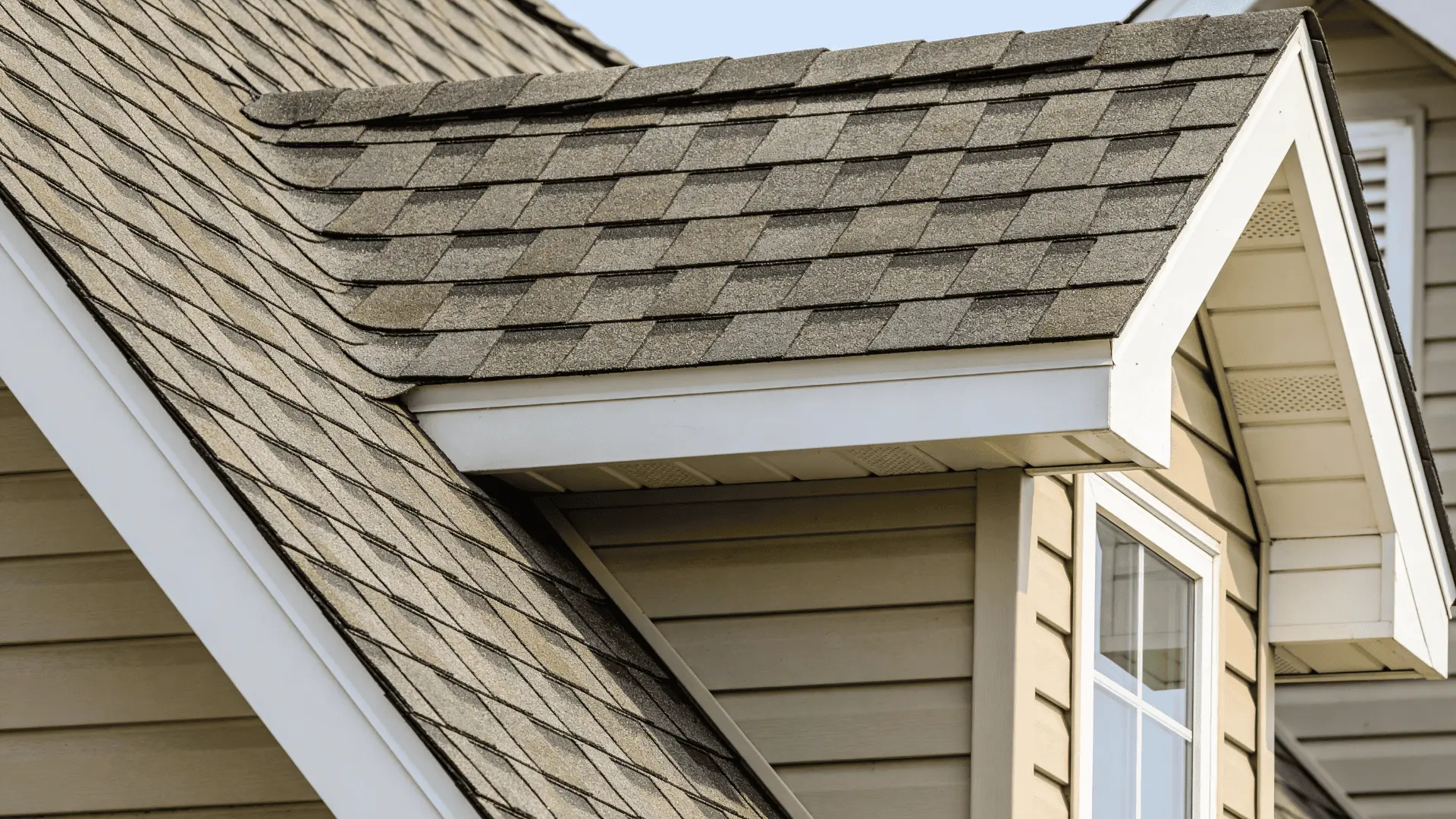
Asphalt shingles are the most common and affordable roofing material used in residential homes. They are widely available, relatively easy to install, and work well for most roof designs.
- Typical installed cost: $3 to $6 per square foot
- Average full roof replacement: $6,000 to $12,000 for a standard home
- Lifespan: 15 to 25 years
Many homeowners choose asphalt shingles because they offer a good balance between cost, durability, and appearance.
2. Architectural Shingle Roof Replacement Cost
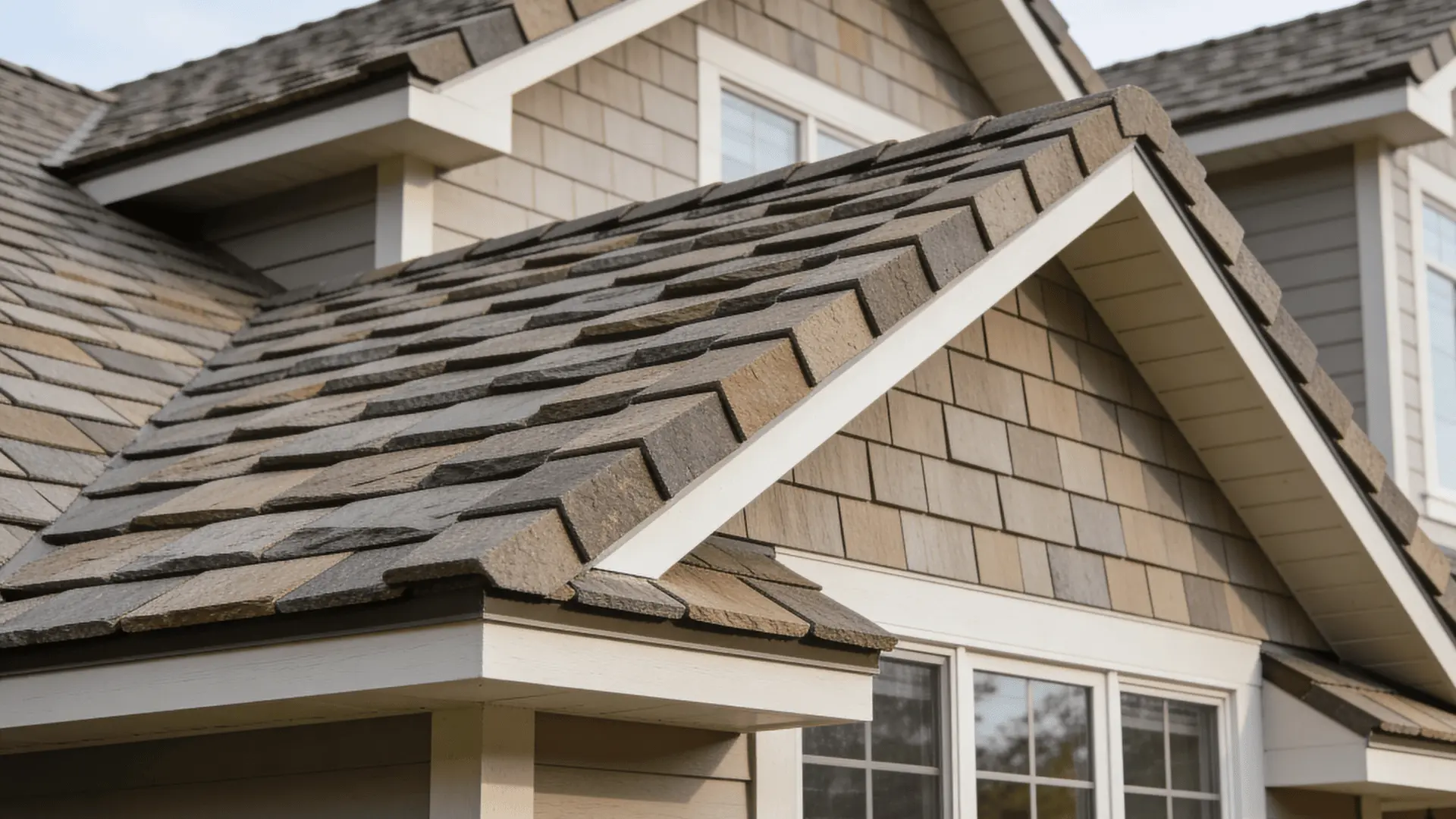
Architectural shingles are a premium version of standard asphalt shingles. They are thicker, more durable, and designed to give roofs a layered or dimensional look.
- Typical installed cost: $4 to $6 per square foot
- Average full roof replacement: $7,000 to $14,000
- Lifespan: 25 to 30 years
Although they cost slightly more than basic shingles, many homeowners prefer them because they last longer and improve curb appeal.
3. Metal Roof Replacement Cost
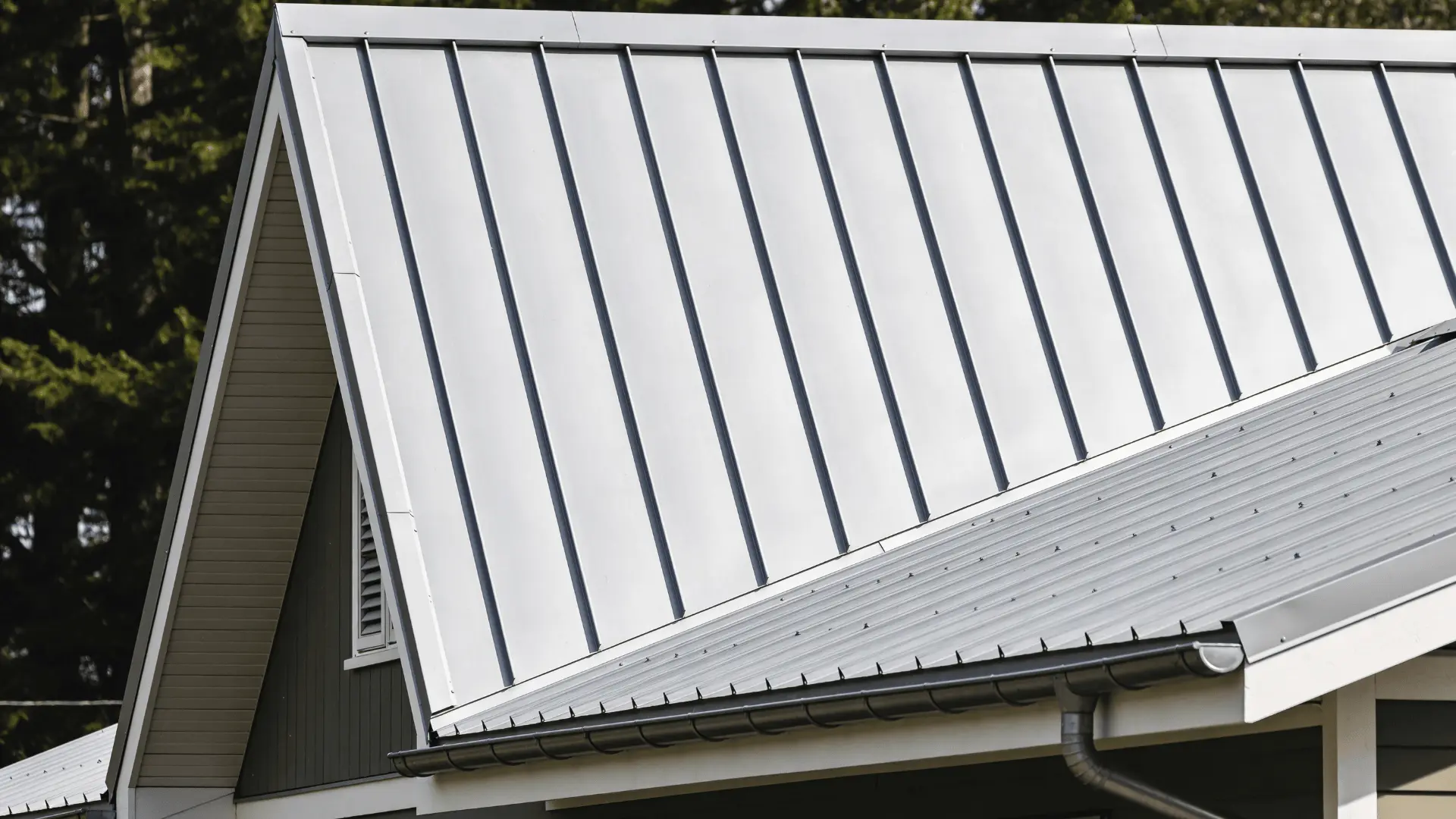
Metal roofing has become more popular because of its durability and long lifespan. Metal roofs resist fire, wind, and severe weather better than many other materials.
- Typical installed cost: $5 to $16 per square foot
- Average full roof replacement: $10,000 to $30,000 or more
- Lifespan: 40 to 70 years
While the upfront cost is higher, metal roofs often last two to three times longer than asphalt shingles.
4. Clay and Concrete Tile Roof Replacement Cost
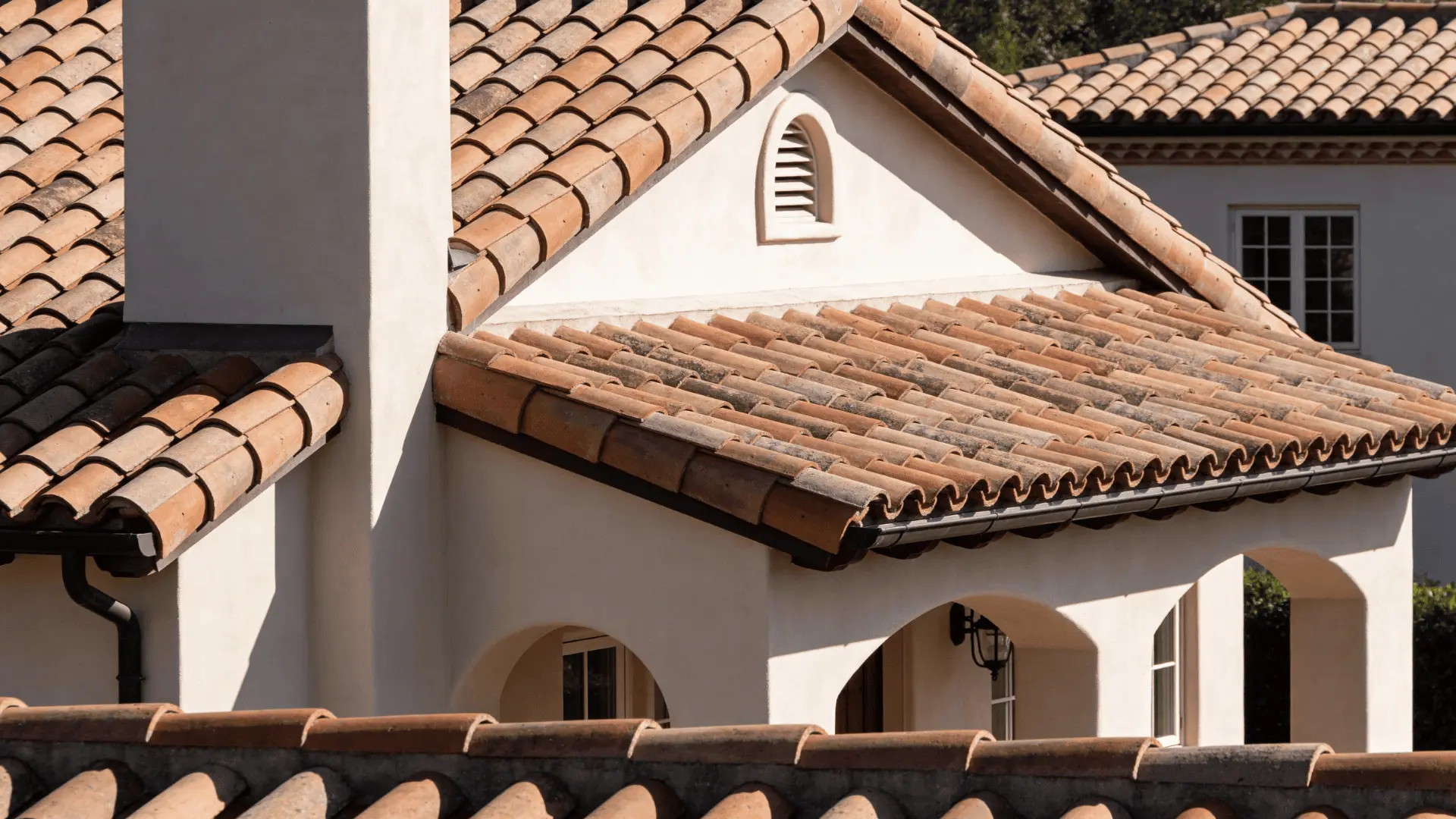
Clay and concrete tiles are commonly used in warm climates and Mediterranean-style homes. These materials are known for their distinctive appearance and long durability.
- Typical installed cost: $7 to $25 per square foot
- Average full roof replacement: $15,000 to $40,000+
- Lifespan: 50 to 100 years
Because tiles are heavy, the roof structure sometimes needs reinforcement, which can increase the total installation cost.
5. Slate Roof Replacement Cost
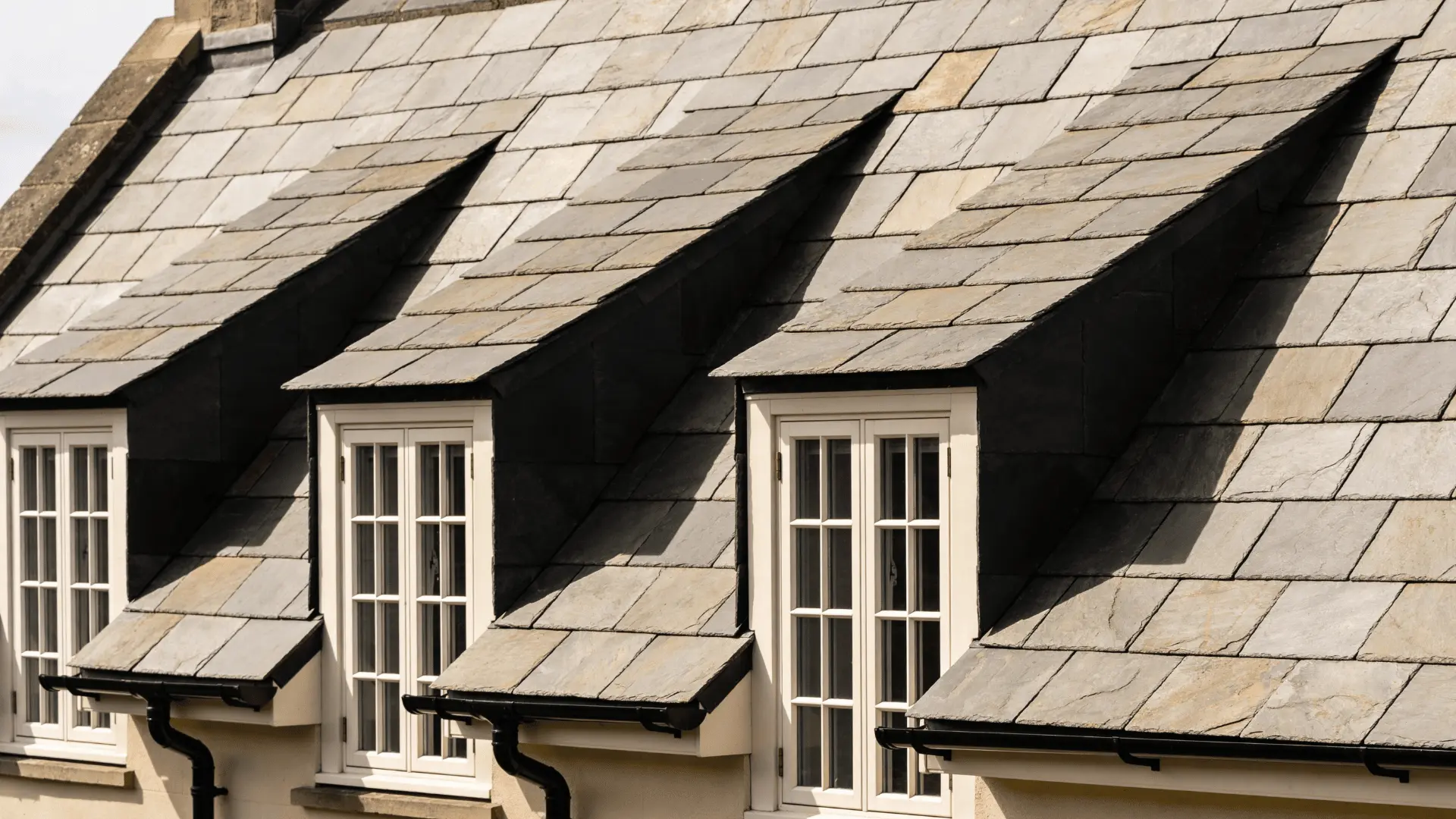
Slate roofing is one of the most durable and premium roofing materials available. It is made from natural stone and is known for its classic appearance and exceptional lifespan.
- Typical installed cost: $10 to $30 per square foot
- Average full roof replacement: $20,000 to $60,000+
- Lifespan: 75 to 150 years
Slate roofs are expensive to install because the material is heavy and requires specialized labor, but they can last for generations when properly maintained.
Key Factors and Cost Breakdown of Roof Replacement
Roof replacement costs vary because every roof has different structural conditions, material needs, and installation challenges.
The total cost is mainly divided between materials (30%–40%), labor (40%–60%), and smaller costs like permits, disposal, and repairs.
1. Roof Size and Surface Area
Roof size directly impacts total cost because pricing is based on square footage. Larger roofs require more materials and longer installation time.
This increases both material expenses and labor costs, making size one of the most important pricing factors.
2. Roof Pitch and Installation Difficulty
Steeper roofs increase labor costs due to safety risks and slower installation. Contractors must use safety equipment and work more carefully.
In many cases, experienced installers and specialized methods are required, which raises the overall installation cost.
3. Roof Complexity (Valleys, Dormers, Chimneys)
Roofs with features like valleys, dormers, skylights, and chimneys require more detailed work. These elements increase both labor time and material usage.
Additional cutting, sealing, and flashing are needed to prevent leaks, which adds to the total cost.
4. Cost of Removing the Existing Roof
Most roof replacements require removing the old roofing materials first. This process adds labor, disposal, and cleanup costs to the project.
If damaged decking is found underneath, repair work may be needed, increasing both material and labor expenses.
5. Labor and Installation Costs
Labor is typically the largest portion of the total cost, accounting for 40% to 60%. It includes removal, preparation, installation, and finishing work.
Skilled labor is essential for proper installation, which is why labor costs make up a significant share of the budget.
6. Roofing Materials and Underlayment Costs
Materials account for 30% to 40% of the total cost and include both visible and protective layers. This covers shingles, tiles, underlayment, and moisture barriers.
These components are essential for durability and long-term performance, making them a major part of the overall expense.
7. Additional Components and Structural Requirements
Additional components like flashing, vents, ridge caps, and sealing materials add to both material and labor costs. These elements are necessary for proper roof performance.
If structural damage is discovered, repairs to the roof deck can significantly increase the total project cost.
8. Permits, Inspections, and Location Factors
Permits, inspections, and disposal fees add smaller but necessary costs to the project. These are required to meet local regulations and complete the installation properly.
Location also affects pricing, as higher labor rates and stricter building codes can increase the overall roof replacement cost.
Here’s a clean, quick comparison table summarizing the key cost factors:
| Factor | What Affects Cost | Cost Impact |
|---|---|---|
| Roof Size | Total square footage of the roof | Higher size = more materials and labor |
| Roof Pitch | Steepness of the roof | Steeper roofs increase labor costs |
| Roof Complexity | Valleys, dormers, chimneys, multiple levels | More complexity = higher labor and material usage |
| Tear-Off (Old Roof Removal) | Removing existing materials and debris | Adds labor, disposal, and possible repair costs |
| Labor | Installation time, skill level, difficulty | Accounts for 40%–60% of total cost |
| Materials | Type of roofing and underlayment | Accounts for 30%–40% of total cost |
| Additional Components | Flashing, vents, ridge caps, repairs | Increases both material and labor costs |
| Location & Regulations | Labor rates, permits, building codes | Higher in urban or regulated areas |
Roof Replacement Cost by Location
Location plays a major role in roof replacement costs. Labor rates, material availability, and climate conditions all influence pricing.
Even when two homes have identical roof sizes and materials, the cost may differ significantly between regions.
1. Average Roof Replacement Costs by Region
Roof replacement costs vary by region due to differences in labor rates, material costs, and local demand.
Typical price ranges for a standard roof replacement include:
- Midwest: $6,000 – $12,000
- South: $5,500 – $11,000
- Northeast: $8,000 – $15,000
- West Coast: $8,500 – $16,000
Regions with higher living costs usually have higher roofing labor rates, which increases the overall installation price.
2. How Climate Affects Roofing Materials and Price
Climate conditions influence both roofing materials and installation requirements. Snow-heavy areas often require stronger underlayment and waterproofing.
Hot climates may use reflective materials, while coastal areas often require wind- and corrosion-resistant roofing systems.
3. Why Urban Areas Often Cost More than Rural Locations
Roof replacement projects in cities usually cost more than similar projects in rural areas. Higher labor rates and stricter permit and inspection requirements increase costs.
Limited access to equipment and higher demand for roofing services also add to the overall price.
Cost Comparison for Repair vs. Full Roof Replacement
Small issues can usually be fixed at a lower cost, but widespread damage or an aging roof often leads to higher long-term expenses.
While repairs are cheaper upfront, repeated fixes can add up over time. In many cases, replacing an old roof offers better long-term value through lower maintenance, improved protection, and increased home value.
Average Roof Repair Costs vs. Replacement Costs
| Scenario | Typical Affected Area | Repair Cost | Full Replacement Cost |
|---|---|---|---|
| Minor Damage (Few Shingles / Small Leak) | Small section (50–150 sq ft) | $150 – $600 | $6,000 – $16,000+ |
| Moderate Damage (Multiple Leaks / Sections) | Medium area (200–600 sq ft) | $600 – $1,500 | $6,000 – $16,000+ |
| Major Damage (Widespread / Aging Roof) | Large area (50%+ of roof) | $1,500+ (temporary fixes) | $6,000 – $16,000+ |
Roof repairs are typically less expensive because they focus on specific areas rather than the entire roof.
However, when damage becomes widespread, repair costs can increase without solving the underlying problem.
Signs that Indicate a Full Roof Replacement is Needed
Roofing professionals usually recommend replacement when damage affects large sections or the roof is near the end of its lifespan. Common signs include:
- Multiple or recurring leaks
- Missing or damaged shingles
- Curling or brittle shingles
- Heavy granule loss on asphalt shingles
- Sagging roof areas
- Roof age approaching 20 to 30 years
How to Estimate the Cost of Your Roof Replacement
You can estimate roof replacement costs before contacting contractors by following a simple step-by-step process. This helps in creating a rough budget and understanding what professional quotes might look like.
Step 1: Measure the Roof Size in Roofing Squares
Roofers measure roofs using roofing squares, where 1 square = 100 square feet of roof area.
For example, a 2,000 sq ft roof equals about 20 squares, while a 3,000 sq ft roof equals about 30 squares.
Keep in mind that the roof surface is often larger than the home’s floor area because of slopes and overhangs.
Step 2: Estimate Cost per Square Foot
Next, determine the typical cost per square foot for your chosen roofing material.
For example, if asphalt shingles cost around $3.50 to $7.50 per square foot installed, this range can be used to estimate the total replacement cost.
Step 3: Use a Basic Cost Formula
You can calculate a quick estimate using a simple formula:
Estimated roof replacement cost = Roof size × cost per square foot
Example calculation:
- Roof size: 2,000 sq ft
- Average cost: $5 per sq ft
- Estimated cost: $10,000
This provides a rough price range rather than a final project cost.
Step 4: Consider Structural and Design Factors
Before finalizing your estimate, consider factors that may increase the cost.
These include roof pitch, roof complexity, ventilation needs, and possible repairs to the roof deck.
Step 5: Get Professional Roofing Quotes
The final step is requesting quotes from professional roofing contractors.
Contractors typically inspect the roof, measure the surface area, evaluate roof pitch and structure, and check ventilation and flashing needs.
Getting at least three quotes from licensed contractors helps homeowners compare pricing, materials, and service quality before making a decision.
Ways to Reduce the Cost of a Roof Replacement
Although roof replacement is a major investment, several practical strategies can help lower the overall cost without compromising quality or long-term performance.
- Choosing Cost-Effective Roofing Materials: Roofing material strongly affects the final price. Many homeowners choose asphalt shingles because they offer a good balance between cost, durability, and ease of installation.
- Replacing the Roof During Off-Peak Seasons: Roofing contractors are busiest during peak seasons. Scheduling work during slower periods like late fall or early spring can help reduce overall project costs.
- Comparing Multiple Contractor Quotes: Getting at least three quotes helps identify fair pricing. It also allows homeowners to compare materials, warranties, and timelines before selecting a contractor.
- Insurance Coverage and Financing Options: Insurance may cover roof damage from specific events. If not, financing options like loans or payment plans can help manage upfront replacement costs more easily.
Conclusion
Roof replacement costs are not just about numbers. They reflect a mix of material choices, labor demands, and the condition of your existing structure.
Once you understand how each factor affects pricing, it becomes easier to evaluate estimates and avoid surprises. Instead of focusing only on the lowest quote, the better approach is to look at overall value, durability, and long-term performance.
The average cost of roof replacement gives you a starting point, but your decisions shape the final outcome.
Take time to assess your needs, compare options carefully, and get multiple quotes before moving forward.


