
8 Ways to Make Your Home More Comfortable for a Loved One Recovering from Illness
Bringing a loved one home to recover from an illness can be emotional, but a quick home refresh can make recovery more manageable. Here are eight ways to help your loved one feel more comfortable at home as they regain their strength.
Set Up a Cozy Recovery Space
Coming home after being sick should feel like a warm welcome, especially when your loved one still needs plenty of rest. Prepare a quiet, private guest bedroom where they can relax. Make sure there’s minimal noise and foot traffic in the area, so they can recover distraction-free.
Make the room feel inviting with fresh sheets, soft pillows, and gentle lighting. Keep the temperature comfortable. These little comforts can create a peaceful retreat where they can rest and recharge.
Keep Essentials Within Reach
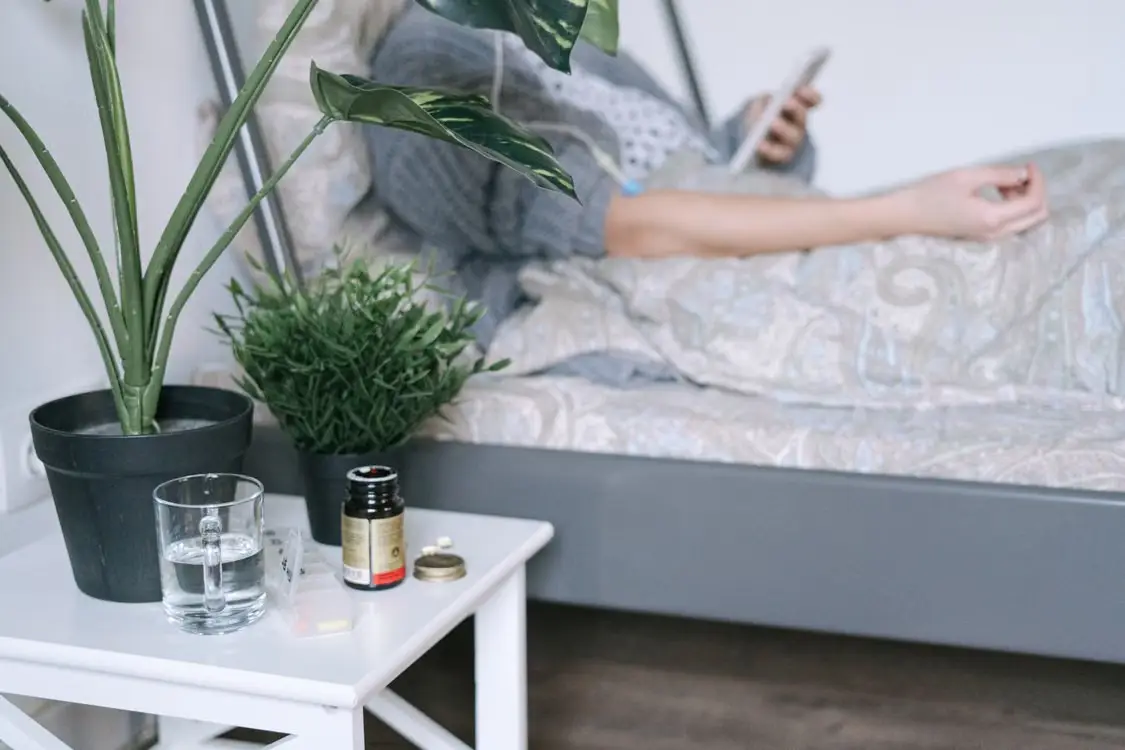
Make your loved one’s favorite resting spot as convenient as possible. It should be easy for them to reach for a glass of water or a phone charger, even in bed. A sturdy bedside table or rolling storage cart can hold the things they use most throughout the day. That keeps their everyday essentials close enough to grab.
Keep drinking water, tissues, reading glasses, and their phone charger nearby. If they take medication at certain times, keep a written schedule there, too. This setup gives your loved one more independence.
Organize Medical Supplies
Medical supplies can dominate a bathroom counter or bedroom drawer, and it may become difficult to find the exact medicine or tool you need when you need it. Take the time to organize things. Maybe start with sorting out the medicine cabinet.
Use labeled containers for bandages, thermometers, and other care supplies. Keep medications in their original packaging and follow the pharmacist’s storage instructions. Ask healthcare providers about safe medical waste disposal, especially for used needles. A tidy setup makes daily care easier and safer.
Set Up a Dedicated Space for Paperwork
Medical paperwork can pile up while someone recovers at home. Set up a small filing station with labeled folders for test results, prescriptions, and appointment notes. A compact cabinet or desk is perfect for this. Keep a notebook nearby, too, for writing down questions for the next doctor’s visit. Having everything in one place makes it easier to find important information when your loved one needs it.
You may also need a separate folder for legal paperwork. For example, if your loved one has lung cancer and suspects their illness may be linked to asbestos exposure, research their legal options. If you haven’t found the right lawyer yet, use this space to gather helpful resources. Keep printed research in a folder or save useful links on a laptop. For that, get started with resources such as https://www.lungcancergroup.com/legal/lung-cancer-lawyer/.
Choose Comfortable Furniture
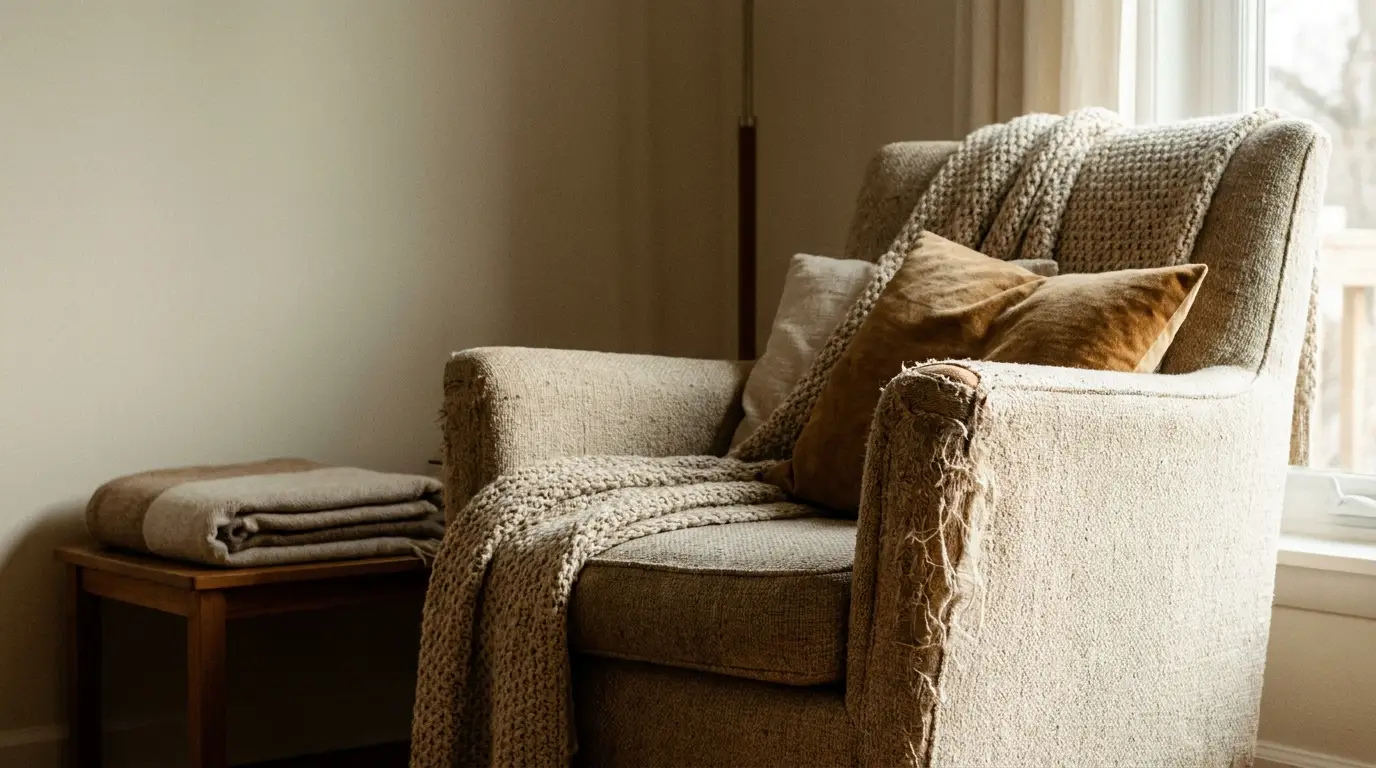
A cozy place to sit makes long recovery days more pleasant. Your loved one might spend extra time resting in the bedroom or lounging in the living room. Choose furniture that supports their body and makes sitting down or standing up easier.
For seating, invest in a supportive armchair with sturdy armrests. You can also get them a comfortable mattress that suits their sleeping needs. If they struggle with mobility, ask their healthcare team about suitable options. Add a soft throw blanket and cushions for extra comfort.
Make Walkways Safer
When someone is weak or unsteady, hallways become tricky to navigate. Clear pathways are important when your loved one needs to move between the bedroom, bathroom, and kitchen. Make sure the halls are clutter-free to make walking around easier. Secure loose rugs or remove them altogether. Keep electrical cords against the walls. Move small furniture away from busy walkways. Add night lights or grab bars along the route to the bathroom, especially if your loved one gets up often after dark. These adjustments can make everyday movement safer.
Change Air Filters Regularly
Fresh, comfortable indoor air makes your home a more pleasant place to recover. Dust and other airborne particles may collect in your living spaces, especially when air filters haven’t been changed in a while. Give your heating and cooling systems attention before your loved one settles in.
Check your HVAC filter. Replace it according to the manufacturer’s schedule. Choose the right filter for your system, since some types can restrict airflow. Vacuum regularly and keep indoor spaces well ventilated. These home improvements boost health and create a cleaner, fresher environment for everyone at home.
Add Personal Touches That Lift the Mood
Bring more personality into your loved one’s space to make it more cheerful and familiar. That helps make long recovery days feel shorter. Think of the small things that make your loved one smile. Then, find a place for them around the room.
Add personal finishing touches that reflect their taste instead of making the room feel like a hospital. Fresh flowers, framed family photos, or their favorite books can brighten their surroundings. You could also display cards from friends and family. These familiar details bring a little sunshine indoors. They also remind your loved one how much they’re cherished.
Endnote
Your home can become a comfortable place for your loved one to recover. Just use the ideas above to make everyday tasks and rest easier in a space that’s warm, safe, and welcoming. Your thoughtful touches will make them feel cared for through each day of recovery.


