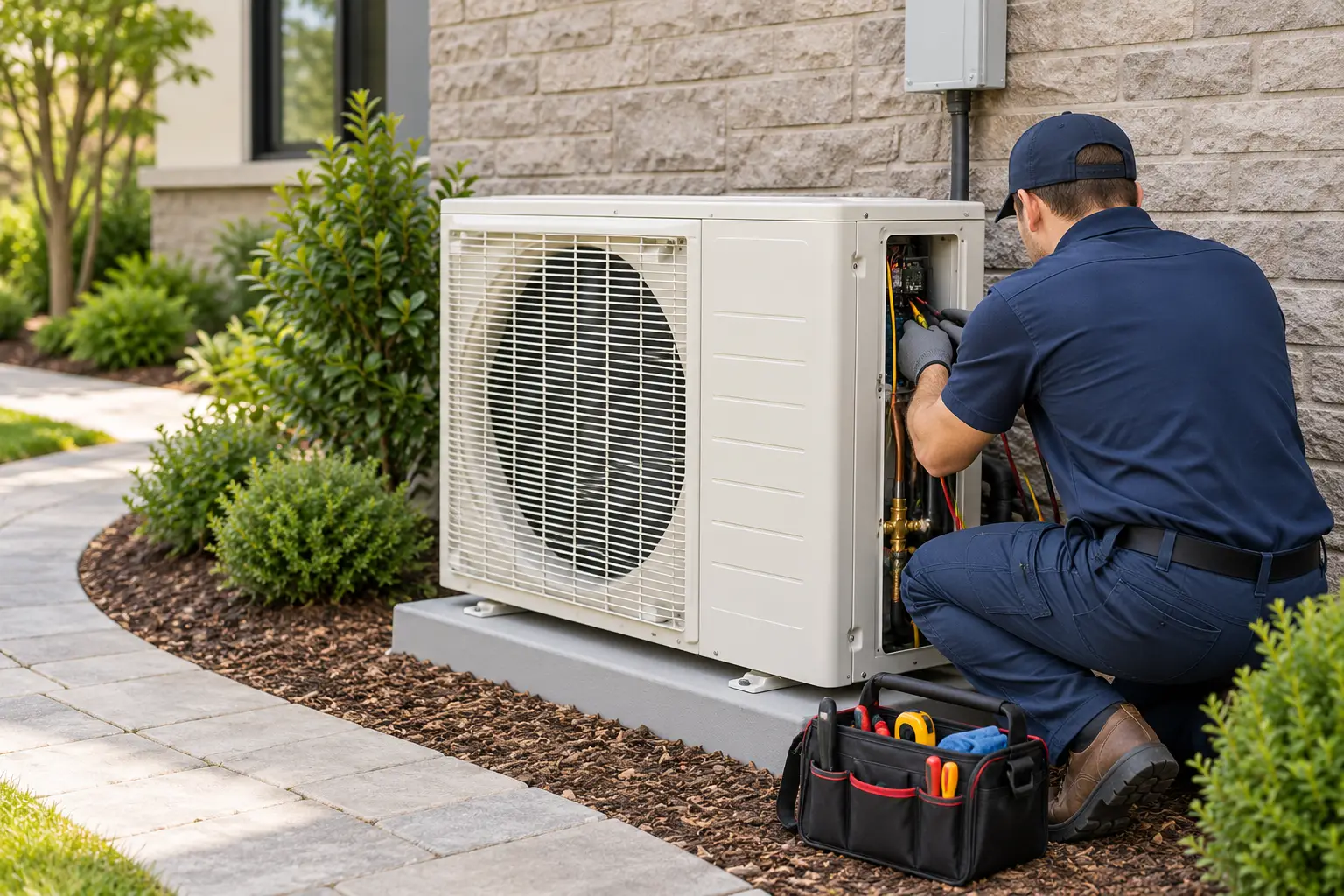
Classic Services’ Air Conditioner Repair in New Braunfels: What to Know Before the Heat Hits
Summer in Central Texas pushes every cooling system hard. Knowing how Classic Services’ air conditioner repair in New Braunfels fits into the bigger picture helps you spot trouble early and avoid a full breakdown. This guide explains why local heat strains AC units, which warning signs matter, what you can safely check yourself, and how Texas licensing protects you.
Why New Braunfels Heat Strains AC Systems
New Braunfels has a humid subtropical climate with hot, humid summers. July and August highs average about 95°F, and the record high is 112°F. The hot season lasts roughly 3.7 months, from May 31 to September 21, with daily highs above 89°F.
A system that runs that long has little margin for error. Minor airflow or refrigerant problems get worse under constant use. Air conditioner repair in New Braunfels often begins with a small fault that went unnoticed for weeks.
Warning Signs Your AC Needs Attention
Catching symptoms early usually keeps repairs smaller. Watch for these:
- Warm air from the vents: Common causes include a clogged filter, low refrigerant, or a dirty outdoor coil.
- Ice or frost: Ice on the indoor coil or refrigerant lines signals a frozen evaporator coil.
- Weak cooling with long run times: The unit runs but can’t reach the thermostat setting.
- Uneven room temperatures: Some rooms stay hot while others feel fine, which points to airflow or refrigerant trouble.
Why Coils Freeze
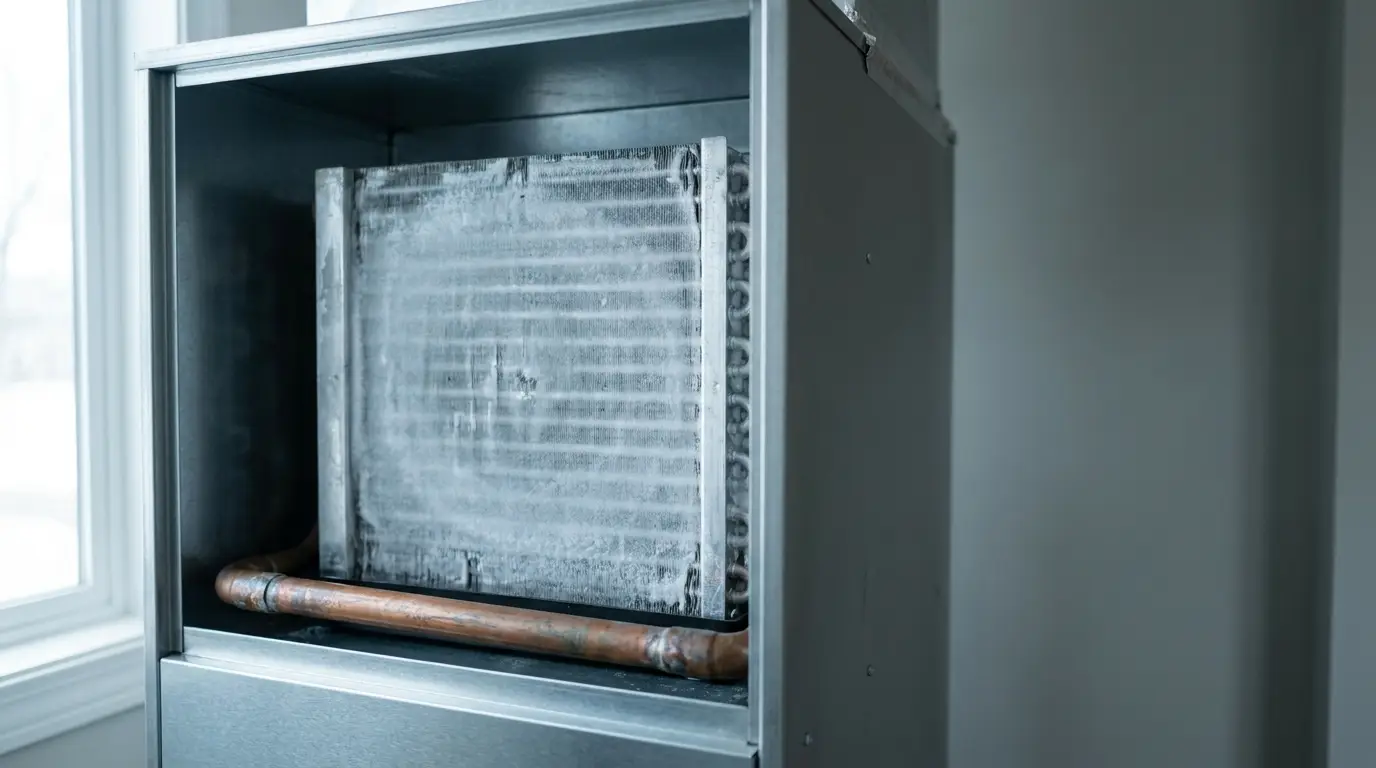
Restricted airflow is a leading cause of a frozen evaporator coil. Dirty filters, blocked return vents, a dirty coil, low refrigerant, and thermostat issues can all contribute. Moisture in the air then freezes on the coil, and the system stops cooling.
If you see ice, turn the thermostat from COOL to OFF so the coil can thaw. Don’t chip at the ice, because that can damage the coil. Running a frozen system risks harming the compressor, so schedule service afterward.
Safe Checks Before You Call A Professional
Three quick checks can rule out simple causes:
- Thermostat: Confirm it is set to cool and the target is below the room temperature.
- Air filter: ENERGY STAR advises checking it monthly and replacing it if it looks dirty. It should be changed at least every three months.
- Breaker panel: A tripped breaker can cut power to the outdoor unit.
Refrigerant is a different matter. Checking levels requires a professional. If these steps don’t restore cooling, air conditioner repair services in New Braunfels can diagnose what a homeowner can’t see.
What Licensing Means in Texas
Texas requires contractors who install, repair, or maintain air conditioning systems to hold a license from the Texas Department of Licensing and Regulation (TDLR). Anyone who assists a licensed contractor with repair work must register as a technician or obtain a certification.
Ask any contractor for a license number before work begins. You can then verify it with TDLR. This step protects you from unqualified work, which can void warranties and create safety risks.
Maintenance That Prevents Breakdowns
ENERGY STAR recommends annual pre-season check-ups by a professional contractor. Contractors get busy once summer and winter arrive, so book a cooling tune-up in spring. A tune-up typically includes checking refrigerant levels and adjusting them if necessary.
Between visits, replace filters on schedule and keep the outdoor unit clear of debris. Many AC repair services also flag worn parts during routine visits, before those parts fail in peak heat.
Conclusion
A reliable AC in a New Braunfels summer depends on small habits: monthly filter checks, quick action at the first sign of ice, and licensed technicians for anything involving refrigerant or electrical parts. Local providers such as Classic Services handle these repairs and tune-ups for area homeowners. Acting early costs less than waiting for a mid-July failure.