How to Winterize Your Home
As winter approaches, winterizing your home is important. This helps keep your home warm and cozy during the cold months. Insulate your windows, check your heating system, and complete other simple tasks. With the right preparation, you can protect your home from the harsh winter weather.
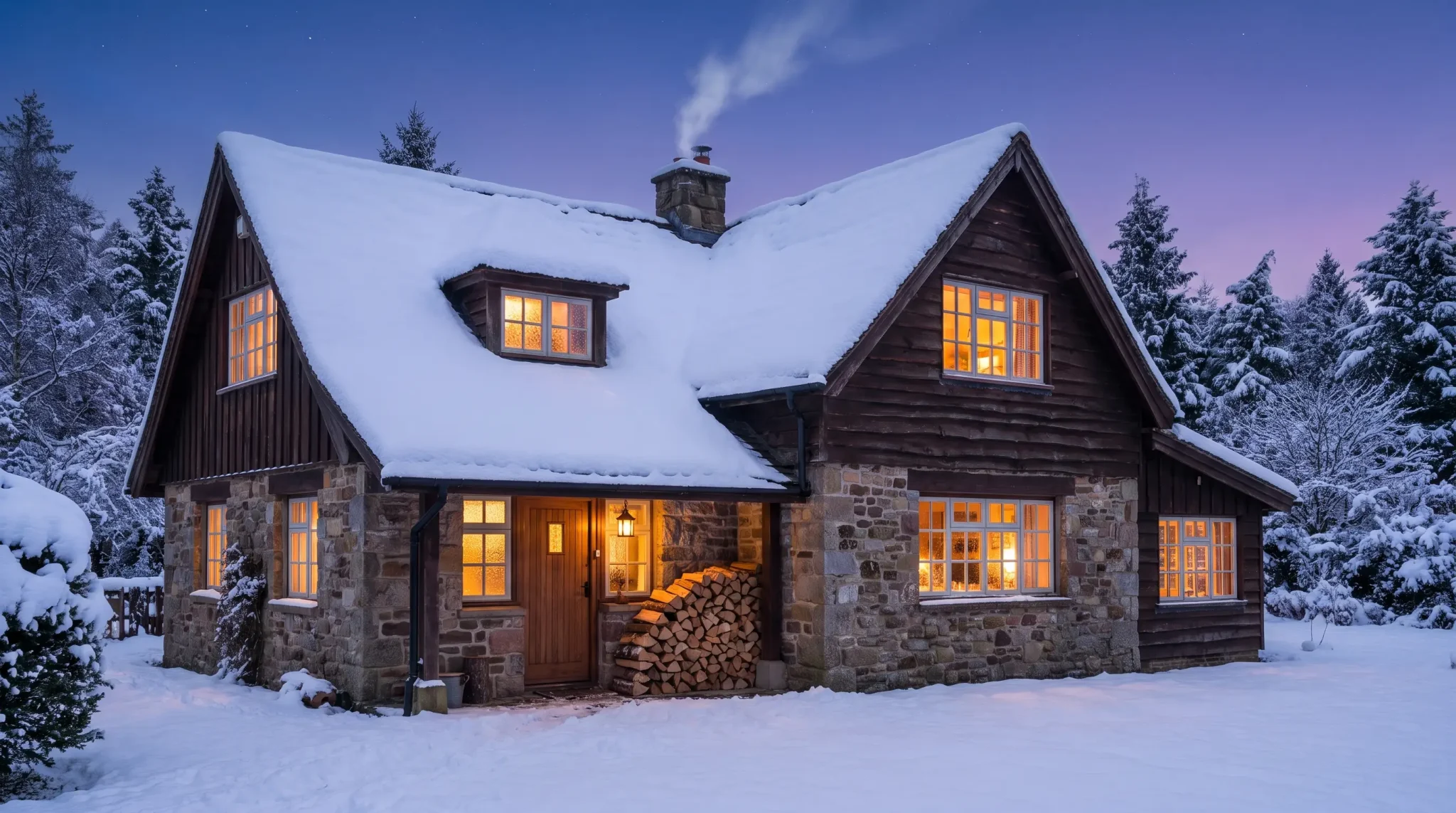
Winterizing your home is not just about avoiding damage; it also makes your home comfortable for you and your family. Enjoy cozy nights by the fireplace, warm cocoa, and fun snow days when you know your home is ready for winter. Here are some easy steps to winterize your home.
Furnace Maintenance
A good furnace is key to a warm winter. Regular maintenance keeps your heating system running smoothly, saving money and keeping you comfortable. Schedule a furnace inspection to catch any small problems before they become big issues. This usually includes checking filters, cleaning ducts, and testing system performance.
A trained furnace repair Oakville technician can fix your furnace efficiently. They can identify and resolve issues quickly, helping you stay warm all season. A maintenance visit gives you peace of mind, knowing your furnace is ready for winter.
If your furnace is old or not working well, consider replacing it. Installing a modern furnace can lower your energy bills and improve comfort. A new system can also help reduce your carbon footprint while keeping your home warm during winter.
Window Sealing
Drafty windows can let cold air in and heat out. Sealing your windows can greatly improve your home’s energy efficiency. Use caulk or weatherstripping to fill gaps, keeping the cold out and the warmth in. This simple fix makes your home more comfortable and can lower your heating bills.
Check your windows for cracks or gaps before the cold weather arrives. Applying weatherstripping or caulking is easy and requires just a few tools. This small task can make your home feel warmer and more inviting.
For extra protection, consider using insulating window films. These films add insulation and further reduce heat loss. They are simple to apply and can help keep your home warm on very cold days.
Insulation Checks
To prepare your home for winter, check your insulation in the attic, basement, and crawl spaces. Good insulation keeps your home warm and helps you save on heating costs, which is also better for the environment.
If your insulation is old or not enough, consider upgrading it. New insulation materials offer better thermal resistance, helping you maintain a comfortable temperature while using less energy. Proper insulation also reduces outside noise, making your home quieter.
High-quality insulation can make your home a cozy retreat on cold winter nights. Well-insulated homes provide long-lasting benefits beyond winter.
Outdoor Preparations
Don’t forget about the outside of your home when getting ready for winter! Clean your gutters and downspouts so water can flow freely and doesn’t freeze, which can cause ice dams and damage your roof. Taking care of your outdoor space is just as important as checking the inside when winterizing your home.
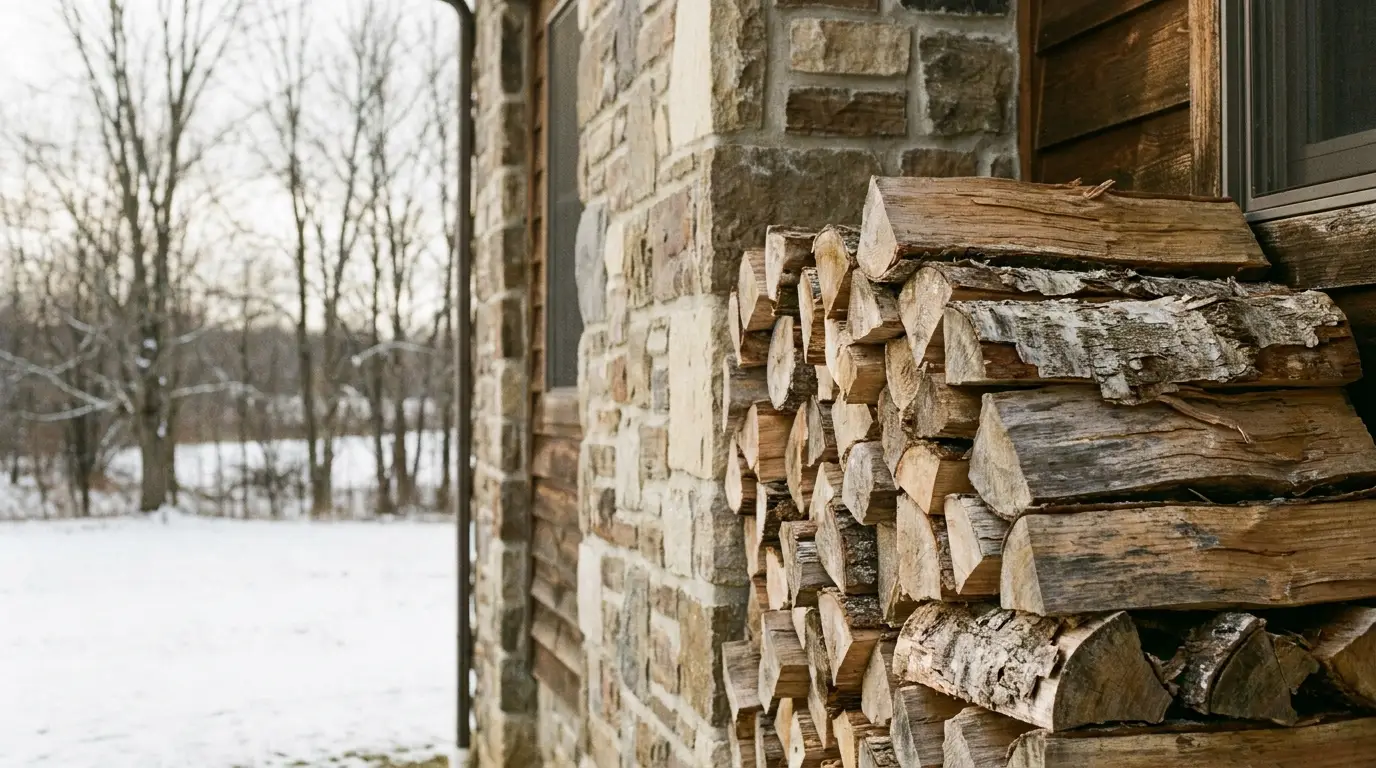
Also, trim any nearby trees to stop branches from breaking and causing damage during heavy snow or ice storms. Preparing your yard protects your home while keeping it looking nice. Stack firewood neatly and store gardening tools for winter. A tidy yard prevents risks and sets the stage for beautiful snowy scenes.
Pipe Insulation
To winterize your home, insulating your pipes is very important. Exposed pipes, especially in cold areas like basements or crawl spaces, can freeze in extreme temperatures. When water freezes, it expands and can burst pipes, leading to expensive repairs and water damage. To prevent this, wrap your pipes with foam insulation or pipe sleeves. This simple step keeps your water flowing and reduces the chance of freezing.
Also, let your faucets drip slightly on very cold nights. This helps prevent freezing and reduces pressure on the pipes. Don’t forget to check outdoor faucets and sprinkler systems, as they can also freeze. Properly winterizing your plumbing can save you from big problems in the spring.
Fireplace and Chimney Maintenance
If you have a fireplace, regular maintenance is important for safety and efficiency. Before using your fireplace for the first time in winter, schedule a chimney inspection and cleaning to remove soot and creosote. This helps prevent chimney fires and keeps your fireplace working properly, keeping your home warm on cold nights.
It’s a good idea to stock up on dry, seasoned firewood for better heat and less smoke. If you have a gas fireplace, check for leaks and ensure proper ventilation. Taking care of its fireplace and chimney makes your home cozy and safe during winter.