Smart Home Improvement Projects to Complete Before Moving In
Purchasing a new property is an exciting milestone, but the transition period between getting the keys and officially moving in requires careful planning. According to recent data from 2026, the Australian home renovation market has surged past $48 billion, reflecting a massive shift in how buyers approach real estate. Many property owners are choosing to upgrade their newly purchased houses immediately rather than settling for a space that does not quite meet their needs. However, a 2026 Airtasker Moving Report revealed that 94 percent of Australians experience significant physical or emotional challenges during relocation, often due to the exhaustion of managing overlapping logistics. Buyers who attempt to coordinate moving while simultaneously preparing a house can spend up to 86 hours on moving-related tasks. To reduce this stress and streamline the entire process, it is highly recommended to complete major upgrades before taking up residence.
Managing Your Relocation Timeline
Upgrading flooring is a perfect example of a project that demands an empty house. Professional floor sanding and polishing require significant curing periods. Water-based polyurethane finishes typically need between seven to 14 days of curing time before they can resist indentations from heavy furniture. Traditional oil-based finishes demand an even longer window, often taking up to 30 days to reach peak hardness and fully dissipate their strong odours.
Completing your flooring updates prior to your move allows you to confidently schedule professional removalists Perth for a date immediately after the critical curing windows have passed. This careful scheduling ensures your heavy couches and wardrobes can be brought in safely, avoiding any accidental damage to your freshly polished timber floors or newly painted hallways. Providing tradespeople with unhindered access to an unoccupied property also minimises logistical delays, which is a leading cause of schedule overruns in residential construction.
Tackling Messy and Hazardous Projects First

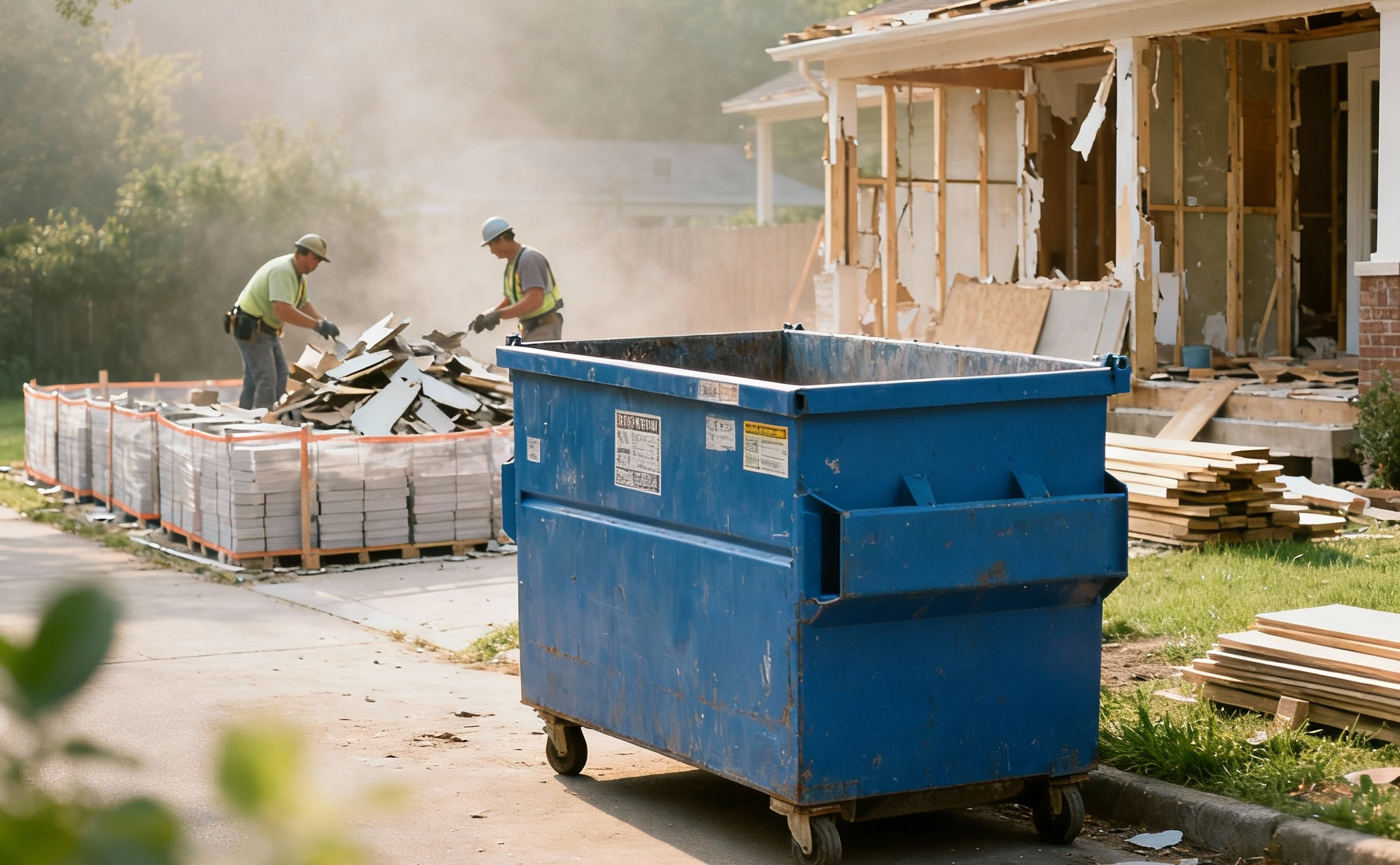
Some renovations are simply too disruptive, dusty, or toxic to live through comfortably. Projects that involve extensive demolition, sanding, or chemical applications are always best completed in an unoccupied space. This approach is not just about convenience. It is a matter of health and safety.
When tradespeople apply tile adhesive, fresh paint, or new roofing materials, they introduce a variety of strong chemicals into the environment. According to the Massachusetts Department of Public Health, exposure to construction and renovation generated pollutants in occupied buildings is a serious indoor air quality hazard, as these activities release volatile organic compounds and other irritating chemicals. By completing these chemical-heavy jobs before you occupy the property, you give the house ample time to ventilate, ensuring the indoor air is safe to breathe by the time your family arrives.
High-Impact Projects Best Done in an Empty House
When deciding which tasks to prioritise before your move, focus on the upgrades that would cause the most disruption to your daily routine. Here are a few high-impact projects that benefit immensely from unrestricted contractor access:
- Major bathroom overhauls: Median bathroom renovations now sit between $20,000 and $30,000 in Australia. Doing this work early means you will not be left without essential plumbing or forced to use a dusty, makeshift washroom.
- Full interior painting: Painters work much faster when they do not have to cover existing furniture, shift heavy items around, or worry about dripping paint on your belongings.
- Kitchen cabinet replacements: Ripping out old cabinets creates significant dust and debris. Getting this done early prevents construction dust from settling into your cooking utensils and appliances.
- Electrical rewiring: Upgrading electrical panels or adding new lighting fixtures often requires cutting into plaster. Patching and sanding these walls is a very messy process.
Clear Communication with Your Tradespeople
Recent engineering and construction industry reports indicate that up to 65 percent of project delays and disputes trace directly back to communication breakdowns and misaligned expectations between stakeholders. Homeowners can significantly reduce the risk of building disputes by drafting clear, highly specific written project briefs before the renovation begins. Ensuring local tradespeople understand your exact requirements helps keep the project within budget.
If you are unsure where to start with your project brief, exploring dedicated home improvement resources can provide excellent guidance on articulating your vision and communicating effectively with contractors. Changing the scope of work mid-project is a primary cause of contractual conflict. Finalising your design decisions and material selections before moving in results in far fewer budget blowouts. Resolving residential construction conflicts often costs homeowners up to 2.6 percent of the total project budget, so maintaining transparent, written communication from day one is highly valuable. In Western Australia, independent contractor disputes for home renovations are overseen by the Building and Energy division, but avoiding these disputes entirely through clear documentation is always the best strategy.