Garden Meditation: Tips for Everyday Calm
The average person checks their phone dozens of times a day. Somewhere between the alerts and the to-do list, quiet moments quietly disappear.
Garden meditation offers a simple way to slow down. It pairs the calm of nature with quiet, focused stillness, giving the mind a break from the usual rush.
No incense or special training is needed to begin this practice. A few plants, some quiet, and a little intention are enough to turn any outdoor corner into a calming space.
From what makes a meditation garden work to the plants that support calm and simple steps for building one at home, each part breaks down a piece of the practice, along with a quick comparison between garden meditation and indoor sessions.
What Is a Meditation Garden?
A meditation garden is a dedicated outdoor space built for mindfulness, relaxation, and quiet reflection. Every element, from plants to pathways, supports a calm state of mind.
A regular garden focuses mainly on plants and visual appeal, while a meditation garden centers on sensory experience and peaceful movement. Sound, scent, and texture all play a role.
These spaces invite visitors to slow down, breathe deeply, and notice their surroundings. Instead of rushing through, people are encouraged to sit, pause, and simply be present.
Common styles include botanical gardens with meditation areas, zen gardens, healing gardens, contemplative gardens, and sacred garden spaces, each offering a slightly different path to inner calm.
Key Features That Make a Garden Ideal for Meditation

A meditation garden works because every feature is chosen with intention, not just for looks.
- Secluded benches, shaded corners, and reduced noise create private spots for reflection away from daily distractions.
- Fragrant plants, water sounds, textured foliage, and natural materials like stone and wood keep the senses gently engaged.
- Winding walking paths and balanced planting, with native species, layered greenery, and calm colors, encourage slow movement and a settled state of mind.
Size or budget matters less than thoughtful placement. Even a small corner can offer real calm when designed with care.
Popular Types of Meditation Gardens Around the World
Meditation gardens take different forms across cultures, each shaped by local traditions and spiritual practices. Despite these differences, all share the same goal of quiet reflection.
Looking at a few popular styles shows how varied design choices can still lead to the same peaceful outcome.
1. Japanese Zen Meditation Gardens

Rock arrangements, raked gravel, and minimal planting define the classic Zen garden style. Every rock and line in the gravel carries symbolic meaning tied to nature and simplicity.
These gardens strip away excess so the mind has less to process and more room to settle. The focus stays on simplicity and quiet contemplation rather than variety or color.
2. Botanical Garden Meditation Spaces

Many botanical gardens set aside dedicated quiet zones away from busier display areas. These spots often include nature trails that wind through calmer, less trafficked sections.
Some botanical gardens also host guided meditation areas for visitors seeking a more structured practice. This blends the beauty of curated plant collections with genuine stillness.
3. Healing and Wellness Gardens

Hospitals, wellness centers, and retreat spaces often include gardens built specifically for healing and recovery. These spaces give patients and guests a gentle outdoor option for rest.
Their purpose centers on supporting relaxation and emotional wellbeing during difficult or stressful times. A short walk or quiet sit outdoors can ease tension in ways indoor spaces often cannot.
4. Sacred and Spiritual Gardens

Temples, monasteries, and spiritual communities frequently maintain gardens connected to their practices. These spaces are woven into daily rituals and communal life.
They serve as places for prayer, reflection, and silence, offering a physical setting that mirrors inner stillness. Visitors often find that these gardens carry a deeper sense of purpose beyond simple beauty.
Famous Meditation Gardens to Visit
Some meditation gardens have earned worldwide recognition for how well they support stillness and reflection. Visiting these spaces offers a firsthand look at thoughtful design in action.
Whether planning a trip or simply seeking inspiration, these gardens show what a well-designed contemplative space can look like.
| Garden Type | Notable Examples | What Makes It Meaningful |
|---|---|---|
| Japanese Tea and Zen Gardens | Ryoan-ji Zen Garden (Kyoto), Portland Japanese Garden (USA) | Minimal rock and gravel design rewards slow, attentive viewing and personal reflection |
| Botanical Gardens with Meditation Areas | Duke Gardens nature meditation spaces, other botanical gardens worldwide | Guided meditation programs, peaceful trails, and nature-focused activities support mindfulness |
| Retreat and Wellness Gardens | Gardens at meditation retreat centers | Layout supports silent walks, breathwork, and structured reflection sessions |
Each of these gardens takes a different approach, yet all succeed in slowing visitors down and encouraging genuine presence. Seeing these spaces in person often makes their purpose easier to understand.
Whether through minimalism, guided programs, or retreat structure, these gardens prove that thoughtful design can turn any outdoor space into a place for real reflection.
Benefits of Spending Time in a Meditation Garden

Spending time in a meditation garden offers more than a peaceful backdrop. These spaces can genuinely shift how the mind and body feel after just a short visit.
The benefits go beyond simple relaxation, touching areas like mindfulness, connection with nature, and personal growth.
- Stress Relief and Relaxation: Peaceful natural settings calm the mind and ease built-up tension.
- Mindfulness and Present-Moment Awareness: Sounds, plants, and breathing all help keep attention in the present moment.
- Connection With Nature and Personal Reflection: Time outdoors supports balance, while quiet moments allow journaling, reflection, and fresh ideas.
Together, these benefits show why meditation gardens have remained valuable across cultures and centuries. A short visit can offer both immediate calm and longer-term shifts in mood and outlook.
Whether the goal is stress relief or deeper self-reflection, time spent in a meditation garden supports wellbeing in ways that are simple yet lasting.
Garden Meditation vs. Traditional Meditation Spaces
Meditation can take place indoors or outdoors, and each setting offers a slightly different experience. Understanding these differences helps in choosing the right space for a given practice.
Garden meditation and traditional indoor spaces both support mindfulness, just through different means.
| Feature | Garden Meditation Space | Indoor Meditation Space |
|---|---|---|
| Environment | Natural surroundings | Controlled indoor setting |
| Sensory Experience | Plants, sounds, fresh air | Minimal distractions |
| Main Focus | Connection with nature | Internal awareness |
| Suitable For | Outdoor mindfulness and reflection | Daily meditation practice |
Neither space is better than the other, since each supports a different kind of focus. The right choice often depends on personal preference and what feels most calming.
Some people find outdoor gardens more restorative, while others prefer the consistency of an indoor routine, and many benefit from using both.
How to Create a Meditation Garden at Home
A small, thoughtfully arranged space can offer the same calming benefits as any public garden.
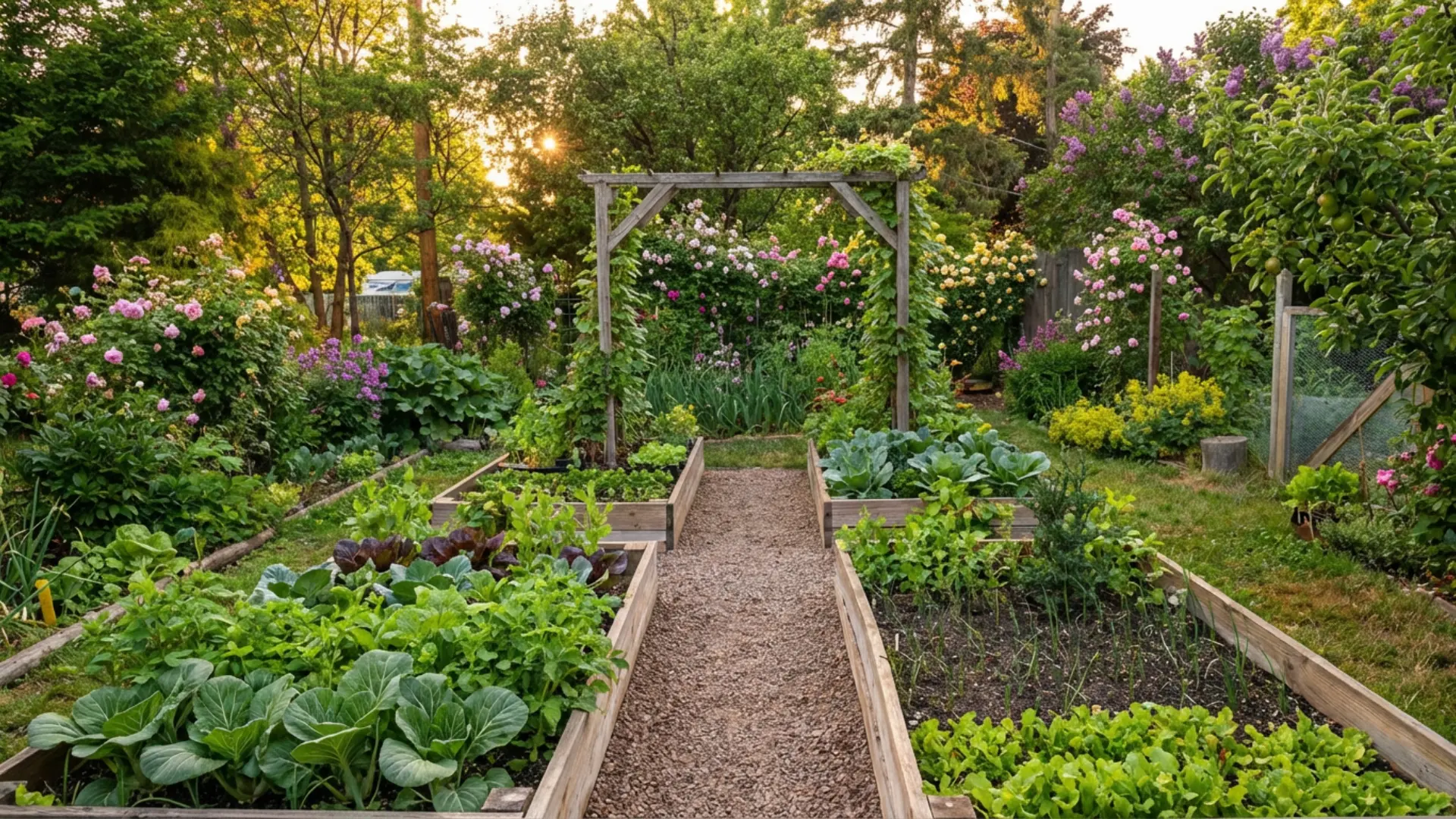
- Choose a peaceful spot like a backyard corner, balcony garden, or indoor plant area, then add calming features such as comfortable seating, water elements, soft lighting, and natural stones.
- Select plants that support relaxation, including lavender, jasmine, ferns, bamboo, and fragrant herbs.
- Keep the design simple by avoiding overcrowding and leaving open areas for breathing and easy movement.
Small, intentional choices often make the biggest difference in how the space feels.
Final Thoughts
Garden meditation is not about perfection or expensive design. It is about creating a space, however small, that invites stillness and presence.
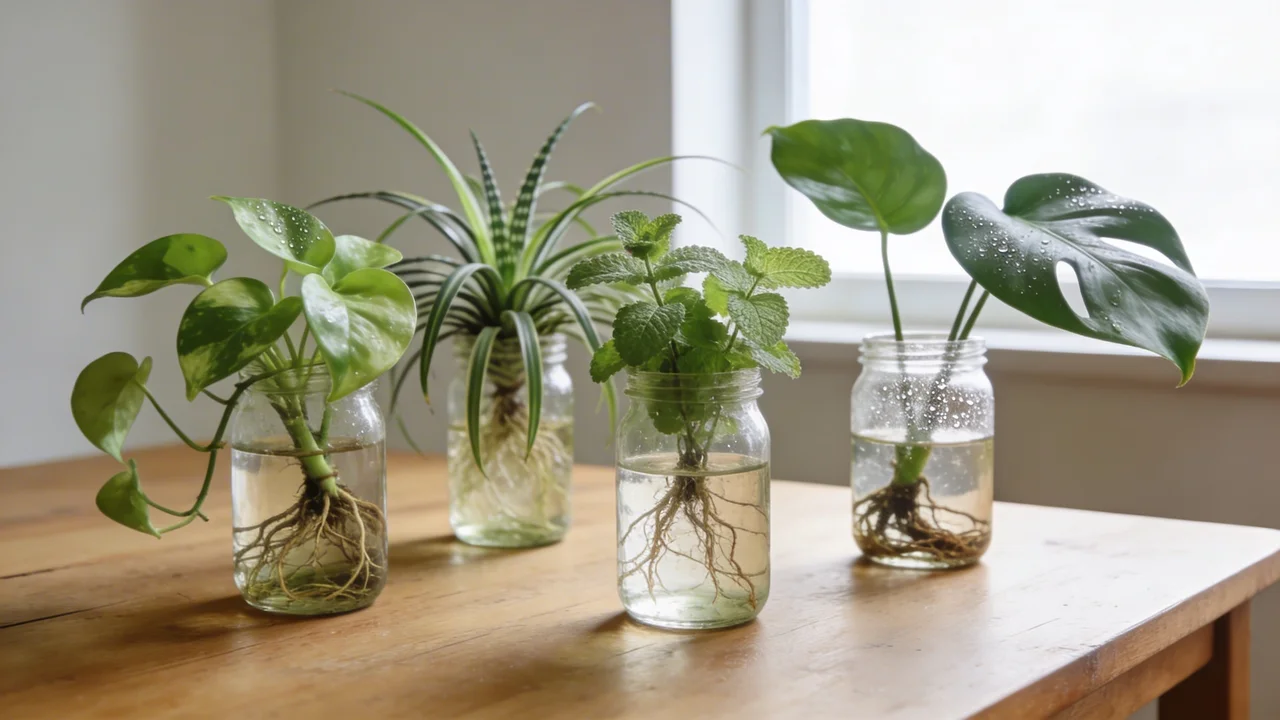
Whether it takes shape as a corner of botanical greenery, a backyard nook, or a single potted plant by a window, the goal stays the same: slowing down long enough to breathe and notice the world close by.
That simple shift can ease stress, sharpen focus, and bring a small sense of peace into daily routine.
Start small. Pick one quiet spot today and spend just five minutes sitting with it.
Have a favorite spot for garden meditation? Share it in the comments below.
Frequently Asked Questions
Is There a Specific Garden Meditation Day?
There isn’t an official Garden Meditation Day. Some wellness communities recognize an informal one each spring, and local gardens or parks sometimes host free sessions around that time to mark the occasion.
How Long Should a Garden Meditation Session Last?
A garden meditation session works well between five and twenty minutes. Even a short sit outdoors can ease stress and clear the mind, making it easy to fit into a busy daily schedule.
Can Garden Meditation Be Practiced in Any Season?
Garden meditation can be practiced in any season with the right preparation. Summer calls for shade, while winter needs a sheltered spot and warm clothing. With small adjustments, sessions stay effective year-round.