

How to Plant Lavender in Your Garden Successfully
Most people search for how to plant lavender only after their first plant has already turned brown and mushy at the base.
The good part? Lavender doesn’t ask for much. Give it dry, well-drained soil, full sun, and proper spacing, and it rewards you with purple blooms for years.
Home gardeners at any skill level can grow strong, healthy lavender once they know the right order of steps to follow.
Plant lavender with the right soil, sunlight, spacing, watering, and simple care methods to keep your plant healthy through every growing season.
Why Grow Lavender in Your Garden?
Lavender is worth growing because it combines beauty, fragrance, and low-maintenance care in one plant, making it ideal for borders, containers, sachets, and pollinator gardens.
Once you learn how to plant lavender correctly, it rewards you with silvery foliage, purple blooms, and a scent that repels pests while attracting bees and butterflies.
For home gardens,English lavender suits cooler climates and culinary use, French lavender offers showy blooms for warmer regions, and Spanish lavender brings unique “rabbit ear” petals for container gardens.
Whichever variety you choose, success depends on well-drained soil, full sun, proper spacing, and moderate watering, giving beginners an easy, rewarding entry into fragrant garden design.
When and Where to Plant Lavender?
Lavender thrives when planted at the right time and in the right spot, giving it the best possible start for healthy, long-term growth.
- Best Planting Season: Plant lavender in spring or early fall, once the soil has warmed and frost risk has fully passed.
- Ideal Soil Temperature: Wait until soil reaches at least 60°F before planting to help roots establish quickly and safely.
- Sunlight Requirements: Choose a spot with 6 to 8 hours of direct sunlight for strong growth and fuller blooms.
- Soil pH and Drainage: Lavender prefers alkaline, well-draining soil, so amend heavy or clay soil with sand or compost.
- Ideal Climate Zone: Most lavender varieties grow best in USDA hardiness zones 5 through 9, with hardier cultivars like Munstead and Hidcote tolerating cooler zone 5 winters.
- Proper Plant Spacing: Space plants 12 to 18 inches apart to allow airflow and prevent overcrowding as they mature.
- Early Watering Needs: Water newly planted lavender regularly for the first few weeks until roots settle into the soil.
Getting the timing, sunlight, soil, climate, and spacing right from the start sets lavender up for a strong, low-maintenance growing season ahead.
Step-by-Step Guidance on How to Plant and Grow Lavender
Planting lavender correctly sets the foundation for healthy growth.
This process covers everything from choosing the right soil and sunlight to proper spacing, watering, and general care for thriving plants.
Step 1: Choose the Right Location
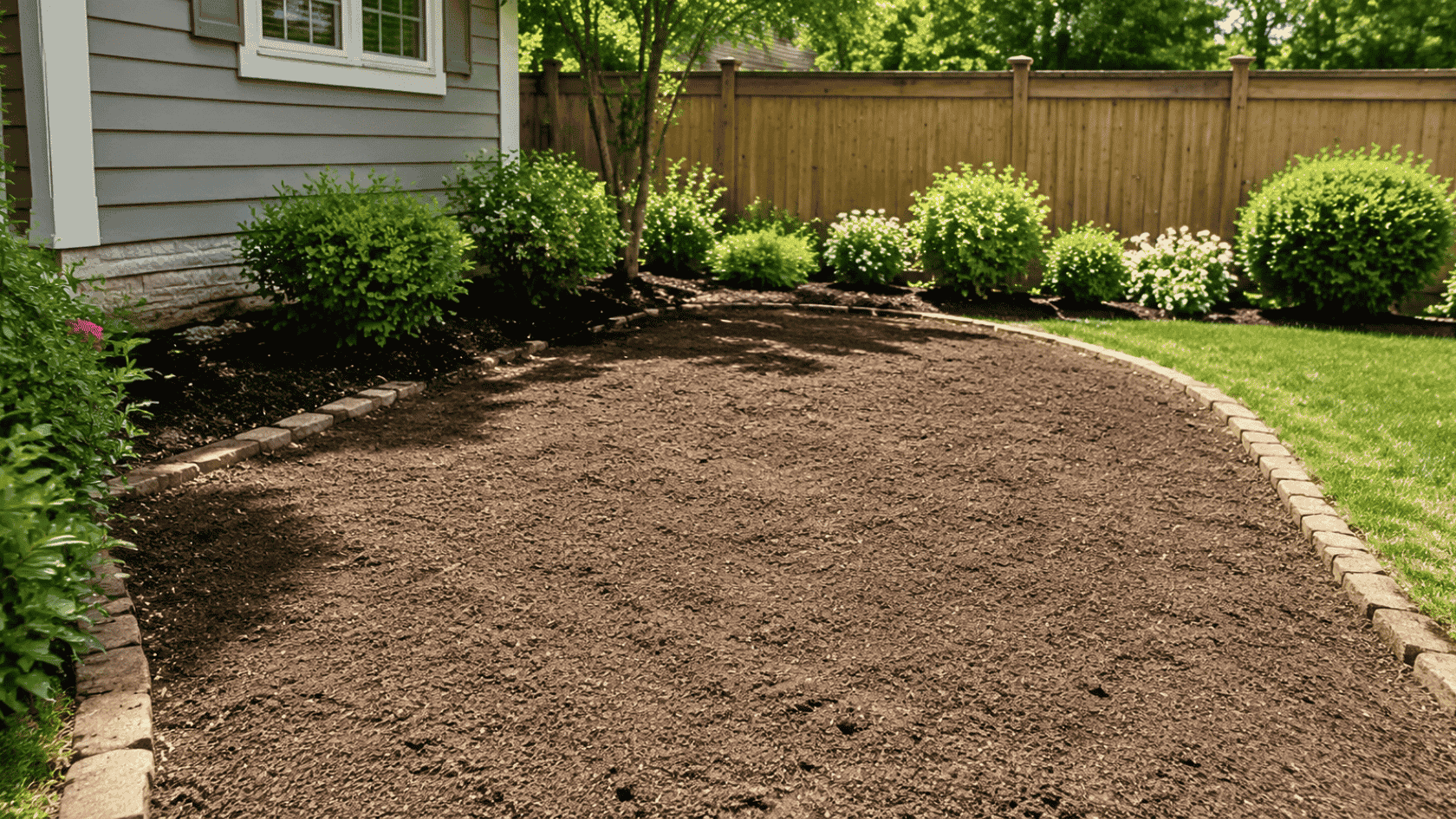
Select an open planting area that receives full sunlight for most of the day. Lavender performs best in warm, bright locations with good airflow.
Consider nearby structures or taller plants that might cast shadows during the afternoon. Avoid areas that remain wet or shaded because excess moisture can weaken growth and increase the risk of root problems.
Step 2: Prepare the Soil for Lavender

Prepare loose, well-draining soil before planting lavender. The plant prefers dry, gritty conditions rather than rich or moisture-retaining soil. Proper soil preparation is a key part of learninghow to plant lavender successfully.
Improve heavy clay or compacted ground by mixing materials such as sand, gravel, or other drainage-enhancing amendments to create a healthier root environment.
Step 3: Dig and Prepare the Planting Hole

Create a planting hole that is wider than the lavender root ball while maintaining a similar depth. A wider hole allows roots to spread easily without placing the plant too deep.
Gently loosen the surrounding soil to help roots penetrate more easily and reduce transplant shock. Proper depth helps prevent moisture buildup around the crown and supports stronger establishment.
Step 4: Prepare and Place the Lavender Plant

Carefully remove the lavender plant from its container and loosen any tightly packed roots before planting.Lightly mulch around the base with gravel or small stones to retain warmth, improve drainage, and prevent weeds
Position it in the hole so the crown remains level with the surrounding soil surface. Fill around the roots with prepared soil and gently press it down.
Step 5: Space Lavender Plants Properly

Leave adequate space between lavender plants to encourage airflow and allow mature growth. For most varieties, spacing around 2 to 3 feet works well.
Smaller border plantings may use closer spacing, while larger varieties need extra room to maintain shape and healthy development. Correct spacing ensures each plant thrives when understanding how to plant lavender in your garden.
Step 6: Water After Planting

Water lavender deeply after planting to help settle the roots and remove air pockets around the soil. Once established, reduce watering because lavender prefers drier conditions.
Allow the soil to dry between watering sessions to prevent excess moisture and support healthier growth. Careful watering is crucial for young plants and masteringhow to plant lavender successfully.
How to Care for Lavender In a Garden Setting?
Caring for lavender in a garden setting is simple once established, focusing on minimal feeding, regular pruning, and winter protection rather than frequent watering.
- Low-Nutrient Soil Preference: Lavender thrives in lean soil, so feeding isn’t necessary; rich soil or fertilizer causes weak, leggy growth and fewer blooms.
- Regular Deadheading: Cut spent blooms regularly to encourage new flowers, leaving some faded ones late season as food for goldfinches.
- Annual Pruning Timing: Trim plants in late summer, right after flowering, removing spent stalks and about 1 inch of leaf growth.
- Careful Spring Clipping: Clip untidy or frost-damaged foliage in spring, but never cut into old woody stems since lavender won’t regrow there.
- Winter Hardiness Check: Check plant labels before winter, since cold tolerance varies; English lavender is the hardiest choice for outdoor conditions.
- Container Winter Protection: Move containers to a sheltered, drier spot against a wall or coldframe to avoid excess rain and root rot.
Lavender remains an easy, rewarding plant once established, needing little more than timely pruning and winter protection to stay healthy and full year after year.
When and How to Harvest Lavender?
Harvesting lavender at the right stage helps preserve its fragrance, color, and essential oils. Use these steps to cut, dry, and store stems properly.
| Stage | Best Practices |
| Best Time to Harvest | Cut lavender when buds are plump, deeply colored, and not fully open. Harvest in the morning after dew dries for stronger fragrance. |
| For Different Uses | Pick when a few buds open for culinary use. Wait until most buds open for crafts and fragrance purposes. |
| How to Cut Stems | Cut stems just above the woody base while leaving green growth to support healthy regrowth. |
| Drying Lavender Bundles | Tie 10–15 stems with twine and hang in a cool, dry, ventilated area away from sunlight. |
| Drying Time | Allow bundles to dry for 2–4 weeks until stems feel brittle and buds separate easily. |
| Storage Method | Store dried lavender in an airtight jar or resealable bag in a clean, dry place to prevent moisture damage. |
Proper harvesting and storage help lavender maintain its aroma, appearance, and usefulness, allowing you to enjoy dried flowers for months after cutting.
Common Lavender Planting Problems
Even hardy lavender can run into trouble, but most issues stem from too much water, poor pruning, or overlooked pests, easy to fix once spotted early.
- Root Rot Symptoms: Yellowing leaves, blackened stems, or a mushy base signal waterlogged soil.
- Better Drainage: Raised beds or added grit and sand help heavy soil drain properly.
- Watering Restraint: Skip watering established plants unless drought is severe and prolonged.
- Woody Overgrowth: Untrimmed lavender turns sparse, woody, and top-heavy over several seasons.
- Annual Pruning: Cut spent flower stalks in late summer, avoiding old woody stems.
- Replacing Old Plants: Swap misshapen, woody plants for fresh cuttings to stay full.
- Pest Monitoring: Watch for froghopper cuckoo spit, aphids, or whitefly on stems.
- Fungal Disease Risk: Root rot and shab disease thrive in damp, poorly drained soil.
- Airflow Improvement: Avoid overhead watering and improve airflow to lower disease risk.
Most lavender problems trace back to water, pruning, or pests. Catching these signs early keeps plants healthy, full, and blooming for years.
What Can You Do With Lavender Once It’s Grown?
Once you know how to plant lavender and give it the right soil, sunlight, spacing, and watering, the plant rewards you with more than just beauty in the garden.
English lavender’s floral, slightly sweet flavor works well in desserts, jellies, ice cream, and even savory dishes, while its flower spikes make a soothing lavender tea.
The oil is a favorite in aromatherapy for easing stress, and dried bundles bring rustic charm and fragrance to home decor long after blooming ends.
Lavender is also a common ingredient in soaps, lotions, and perfumes, and with consistent care, it becomes a magnet for bees and butterflies in any pollinator garden.
Conclusion
Growing lavender successfully starts with the right planting choices, including a sunny location, well-drained soil, proper spacing, and careful watering.
Planting lavender correctly and providing regular pruning and seasonal care helps maintain healthy plants with vibrant blooms and lasting fragrance.
Lavender’s low-maintenance nature makes it a valuable addition to gardens, pollinator spaces, and home projects.
With the right approach, you can enjoy a thriving lavender plant that returns each season beautifully. Your experiences may also help other gardeners create healthier lavender plants in their own outdoor spaces.
Have questions about planting or caring for lavender? Share your thoughts in the comments, and let us know your favorite lavender-growing tips.
Frequently Asked Questions
How Long Does Lavender Take to Grow?
Lavender Typically Takes Two to Three Years to Reach Full Maturity and Produce Abundant Blooms, Though Smaller Flowers and Light Growth Often Appear Within the First Growing Season.
Can Lavender Grow in Shade?
No, Lavender Needs Full Sun to Thrive. It Requires at Least 6- 8 Hours of Direct Sunlight Daily for Healthy Growth, Strong Fragrance, and Abundant Blooming.
Does Lavender Come Back Every Year?
Yes, lavender is a hardy perennial that returns yearly. Knowing how to plant lavender correctly, with good drainage and winter protection, helps plants thrive for several years.


