
Starting Your Own Home Renovation Business: 8 Insights
Building your own home renovation business can be exciting, especially when you already have experience or interest in the industry. That said, it’s still important to approach the process with a level head and attention to detail. Demand may be high in the industry, but it’s critical to deliver quality service and output.
Here’s what you need to know.
1. Make Sure You’re Ready
Going into business is marketed as a way to acquire both financial security and profitability. What many people tend to forget, though, is that it’s also a leap of faith that you need to commit to. It’s vital to gauge whether you’re ready to run and lead this business.
Having a solid business idea and capital are the usual indicators that you’re ready. However, one key trait you need is determination. Establishing and marketing your renovation services from scratch can take some time.
2. Organize Records and Requirements
It’s vital to compile and submit all the legal documents involved, including your business registration and contractor’s license. Make sure you have both a digital and a physical copy neatly organized to avoid any complications down the line. Keep in mind that licensing and permit requirements vary by location and business activity.
Once you start getting projects, you’ll have to navigate obtaining permits and meeting safety standards. It gets easier when you’ve already familiarized yourself with the building codes and regulations in your local area.
3. Have a Specific Specialization
Home renovation can involve a variety of different project disciplines. To avoid confusion from clients and properly establish yourself, it’s better to decide what your business specializes in early on. Here are several examples.
Cosmetic Remodeling
Cosmetic remodeling usually involves changing the appearance of the home without really touching any internal systems, like plumbing or electrical systems. These can be comprehensive design overhauls or partial renovations, such as a one-room rearrangement.
Structural Changes
Structural changes in a home renovation can require extensive technical planning and work, as they alter the building’s layout. Some changes are necessary, such as upgrading older buildings by adding beams or pillars. Others are more optional, like home additions.
Efficiency Upgrades
Some renovations focus specifically on improving a home’s energy efficiency. Certain projects, like window and door replacements, can help prevent heat transfer. Others, like solar panel installation, are geared more toward resource optimization.
Exterior Renovations
Exterior renovations can also be a good specialization, especially since many property owners prioritize boosting their curb appeal. There are even businesses dedicated to certain aspects of exterior renovation projects, like landscaping and gardening.
4. Compare Residential and Commercial
Knowing your target audience is important when starting a renovation business, as it determines who you’ll serve and the caliber of projects you’ll handle. Some businesses pursue commercial projects for profit, with some corporations spending up to $100 million on property renovations.
While there are complex residential renovation projects as well, they tend to be on a more manageable scale than commercial ones. Gauge your business’s capabilities from the start and avoid overextending early on.
5. Focus on a Comprehensive Service List
After choosing a specialization and target audience, it’s time to put together a comprehensive list of services. It can require plenty of planning and deliberation, but knowing what core renovation tasks you’re willing to work on can ensure clarity for both you and your future customer.
At this stage, you also want to have clear pricing. Are you charging a flat rate or by the hour? Do you offer free consultations or estimates? Is there a clear process for requesting a quote?
6. Take Care of the Equipment
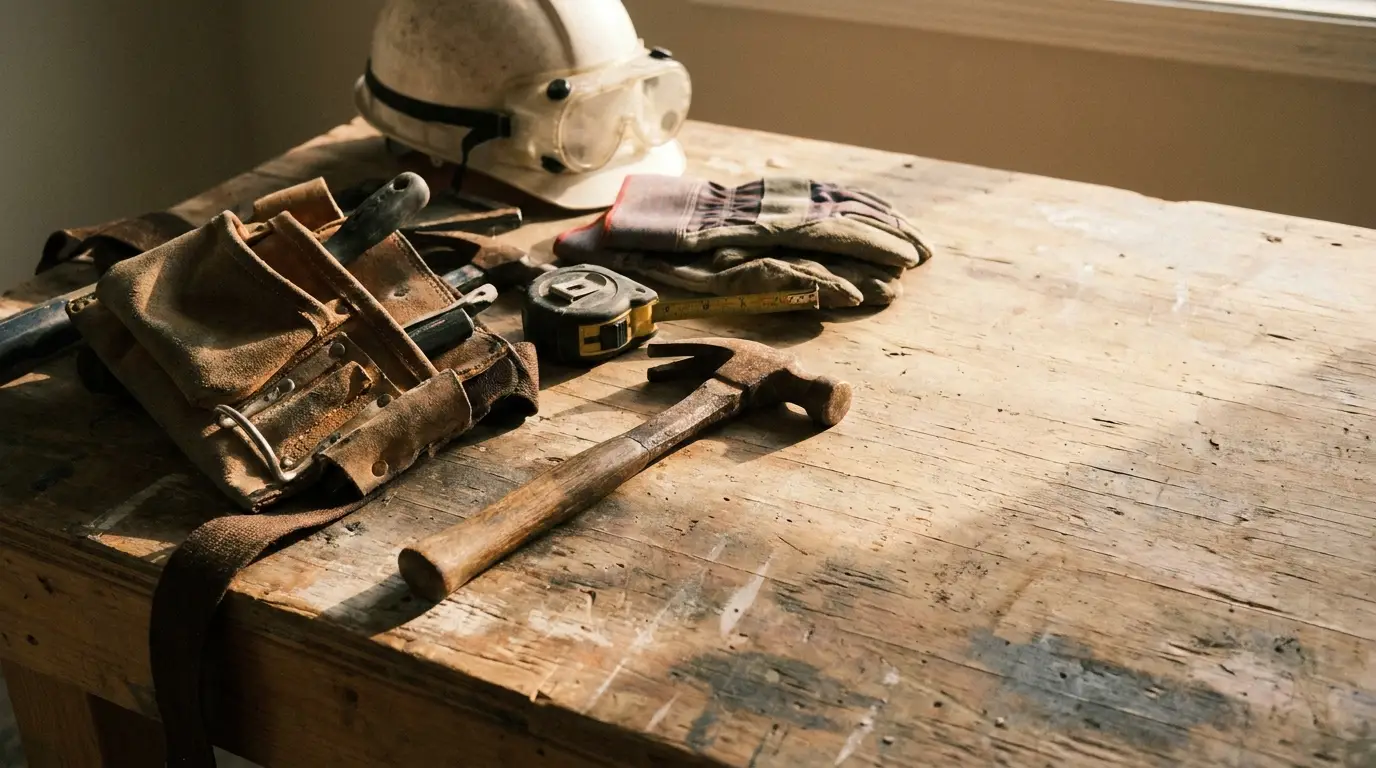
Equipment is critical for any worker to showcase their skill set. However, it’s not enough to simply obtain the quality safety gear and specialized tools needed for your renovation projects. You also need to practice maintenance.
This equipment can be a heavy investment, and replacing it sooner rather than later can significantly impact your cash flow. Any equipment with rubber tracks may wear out from frequent use, so it’s important to regularly clean out any stuck rocks and debris with a power washer and inspect for visual signs of wear. Practice proper storage and use according to the equipment’s manual as well.
7. Have a Network Within the Industry
Starting a home renovation business can involve a lot of competition. However, it’s still important to have a network of associates that you can lean on. Some of your best connections can offer business advice or even client referrals.
Some startup owners end up forgetting to reciprocate the same level of help they receive from other businesses. To build solid partnerships, you need to learn to give and take within your network.
8. Build Your Customer Base Intentionally
Aside from maintaining internal connections, you also want to focus on having a loyal customer base. Leveraging marketing tactics, like building an online presence through a professional website and social media profiles, can help with visibility.
Once you have clients, don’t be afraid to request testimonials or even feedback on how you can improve your services. Incentivizing them to refer you to other customers who need your services can also boost reach.
Successfully Set up a Home Renovation Business
Similar to a house, a business requires a good foundation. It’s critical to make the right choices and have the correct priorities early on. Take these insights into consideration as you start your venture for future success.


