
How to Identify Early Signs of Basement Foundation Issues
Basement foundation problems rarely begin with a dramatic crack or a flooded room. More often, they show up quietly through a damp corner, a thin line in the wall, or a door that suddenly sticks for no obvious reason at all. Below, we’ll look at the early signs that deserve attention, where they tend to appear, and when a small change may point to something more serious.
Inspect Cracks in Basement Walls and Floors
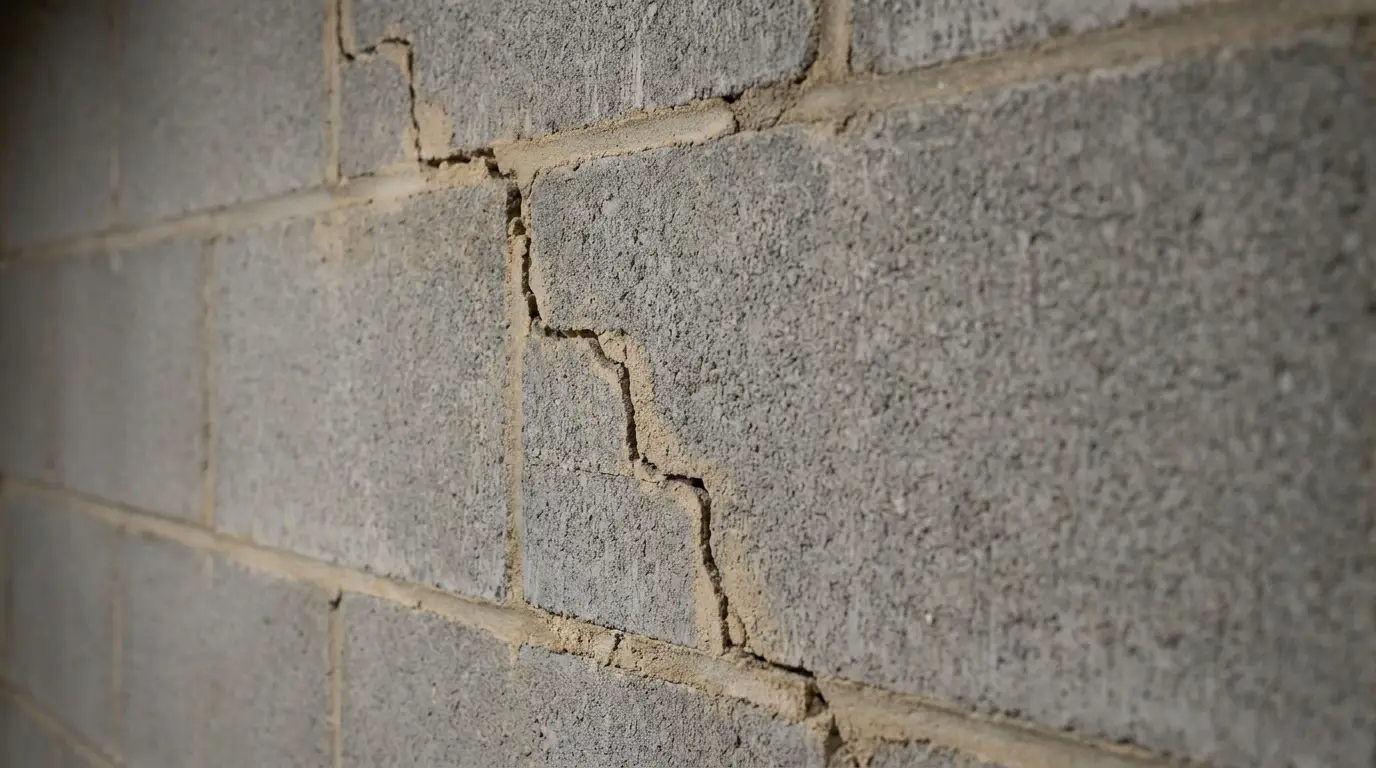
Start by looking at where each crack begins, how it travels, and whether it changes direction. A thin vertical line in poured concrete may come from normal shrinkage, while stair-step cracks through block walls can point to uneven movement beneath the house over time.
Horizontal cracks deserve closer attention because soil can push against the basement wall. Diagonal cracks near windows or corners may show stress around weaker openings. Before planning lasting home updates, check whether the wall looks bowed, tilted, or offset instead of judging the crack alone.
Take clear photos from the same angle, place a ruler beside the opening, and write down the date. Recheck after heavy rain and every few weeks. A repair that reopens is a clear sign the movement has not stopped.
Floor cracks need the same careful look. Measure their width, note any height difference between the two sides, and watch for new branching lines. If the crack keeps spreading or one side begins lifting, a professional may need to assess whether basement foundation repair is necessary.
Watch for Moisture and Surface Changes
Examine lower wall sections, corners, and the area where the wall meets the floor. Dark stains, damp patches, peeling paint, or bubbling finishes often show that moisture is moving through the basement surface rather than coming from a simple spill or everyday indoor humidity.
A white, chalky coating on concrete or block is called efflorescence. It forms when water passes through masonry and leaves mineral salts behind. The powder itself is not dangerous, but repeated buildup means moisture is finding a path through the wall and should not be ignored.
Musty odors can reveal damp conditions before water becomes visible. Check behind storage shelves, finished wall panels, and boxes placed against concrete. Since lingering moisture can create serious repair risks, keep belongings away from walls and improve airflow around crowded basement sections whenever possible.
After heavy rain, inspect window wells, wall joints, and floor edges for seepage. Clear gutters, extend downspouts away from the house, and correct soil that slopes toward the basement. If dampness keeps returning, a waterproofing professional should identify the entry point before surface damage spreads.
Notice Movement Throughout the Rest of the Home
Foundation movement often shows up upstairs before a homeowner connects it to the basement. Doors may drag against their frames, windows can become hard to open, and trim may pull away from nearby walls. One change alone means little, but several appearing together deserve attention.
Walk slowly through rooms above the basement and pay attention to the floor underfoot. A noticeable slope, a new dip, or furniture that no longer sits level can point to movement below. Check whether baseboards separate from flooring or walls open slightly at ceiling lines.
Use the basement location as a guide instead of checking the whole house at random. If one wall below looks stressed, inspect the rooms directly above it for drywall cracks, shifted cabinets, or doors that changed suddenly. Matching symptoms in the same area give the pattern more meaning.
Small changes can come from indoor humidity, loose hinges, or ordinary settling, so avoid guessing from one clue. Learning about hidden comfort problems can provide useful context, but an inspection becomes worthwhile when movement affects several rooms or keeps getting worse.
Know When to Call a Foundation Professional
When several warning signs appear at once, stop treating them as separate household problems. A widening crack, a bowed wall, repeated water entry, or floors that keep shifting can point to active movement. At that stage, surface repairs may hide damage without fixing what is causing it.
Call sooner if the wall leans inward, blocks begin to separate, or a crack returns after being sealed. These signs suggest the pressure or movement is continuing. Waiting can allow a manageable repair to become more invasive, especially when the affected area supports rooms above it.
A qualified foundation professional should inspect the full pattern, not just the most obvious mark. Because hidden structural problems can escape a general walkthrough, the visit should include wall alignment, floor level, drainage conditions, and nearby changes, along with questions about whether movement remains active.
Before approving any work, request a written diagnosis that separates structural repairs from waterproofing or cosmetic fixes. The report should explain the recommended method, expected result, timeline, and warranty.
Endnote
Cracks, damp spots, uneven floors, and doors that suddenly stick may seem unrelated, but together they can reveal movement below the home. Regular checks, clear notes, and quick action give a professional better information to work with. When several warning signs appear or keep getting worse, having the foundation inspected by a professional is the safest next step.