
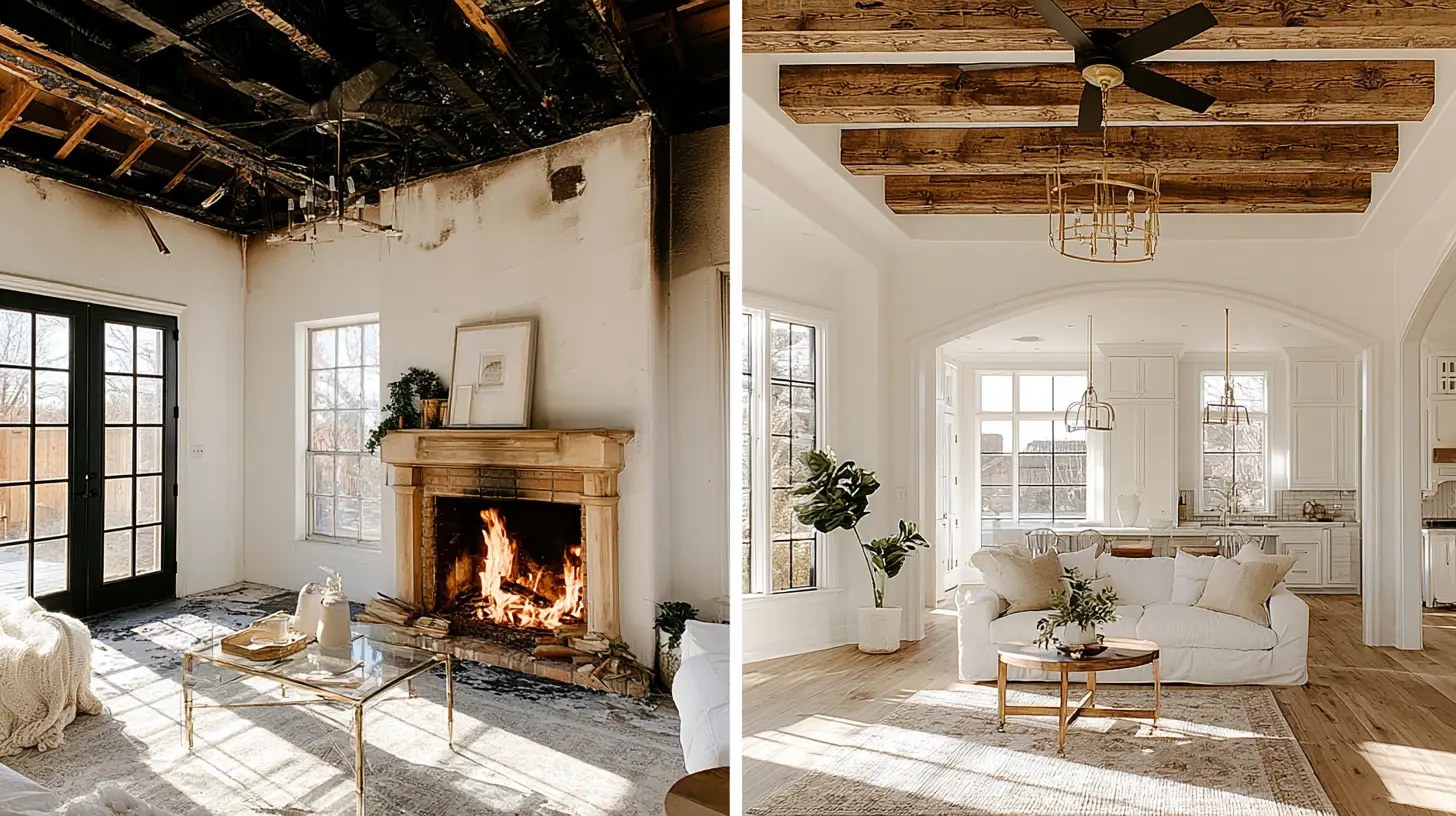
How Much Does Fire Restoration Cost?
Fire damage restoration commonly runs $4 to $7 per square foot for cleanup and restoration work, with total projects ranging from a few thousand dollars for a contained kitchen fire to well over $100,000 for a home that needs full reconstruction. A frequently cited national average cost lands around $27,258, but that single number hides more than it reveals. What you actually pay depends on whether your home needs smoke cleanup, soot removal, water mitigation, contents cleaning, structural repair, or a complete rebuild. Fire restoration cost is not one figure. It is a sequence of scopes stacked on top of each other, and each one carries its own price logic.
The Short Answer: Average Fire Damage Restoration Cost
The quick ballpark: most homeowners see anywhere from $3,000 to $50,000 or more, and minor fire damage restoration services often run $800 to $3,000 when damage is limited to one small area. Published averages vary a lot because publishers define “fire damage” differently. Some price only the cleanup and deodorizing. Others fold in structural repairs and a partial rebuild, which pushes their averages far higher. That’s why a $27,258 average sits alongside guides quoting $8,000 to $18,000. None of them is wrong. They’re measuring different work. The more useful move is to stop chasing a single figure and ask how much does fire damage really involve, because that’s how a real restoration cost estimate gets built anyway.
Restoration vs. Reconstruction: The Distinction That Changes Everything
Fire damage restoration and reconstruction are two separate things, and confusing them is the fastest way to misjudge your budget. The restoration process usually moves through four stages: emergency mitigation (board-up, tarping, water extraction), restoration cleaning (smoke and soot removal, odor, contents), fire damage repair (drywall, paint, fixtures), and reconstruction (framing, roofing, foundation, code upgrades). Cleanup and fire restoration are typically measured per square foot. Reconstruction is priced by trade and by materials, and it can dwarf the cleanup cost. A house that needs structural damage repaired also triggers permits and engineering assessments, which is where costs climb quickly. Keep these two buckets separate in your head and the rest of the pricing starts to make sense.
Fire Damage Restoration Cost by Severity Tier
One practical way to place your situation is by severity. Damage contained to a single room costs far less than smoke that traveled through the HVAC into every room.
- Minor ($3,000 to $8,000): One contained room, light smoke, minor damage from limited soot. Minor cleanup alone can start around $800 to $3,000.
- Moderate ($10,000 to $35,000): Multiple rooms affected, heavier soot, water damage from firefighting efforts, some fire damage repair.
- Extensive ($50,000+): Structural damage, roof or framing involvement, or a total loss requiring a full rebuild after extensive damage.
Fire Damage Restoration Cost by Damage Type
Breaking the restoration cost down by damage type is the clearest way to sanity-check an estimate. Here are the common line items and their typical ranges.
|
Damage type |
Typical cost range |
Notes |
|
Smoke damage |
$200 to $1,200+ |
Limited-area smoke odors and residue cleanup |
|
Smoke/soot removal |
$400 to $1,700 per room |
Can spread well beyond the burned room |
|
Water damage |
$1,000 to $6,000+ |
From hoses, sprinklers, or burst lines |
|
Duct cleaning |
$250 to $1,000 |
Needed only when HVAC is affected |
|
Thermal fogging |
$200 to $600 per floor |
Odor neutralizing treatment |
|
Ozone treatment |
$300 to $1,000 |
Must be applied safely by pros |
|
Emergency board-up |
$500 to $3,000 |
Secures the structure immediately |
|
Structural repair |
Thousands to tens of thousands |
Framing, roofing, drywall, electrical |
How Much Does Smoke and Soot Damage Restoration Cost?
Smoke damage restoration typically runs $2,000 to $12,000, with per-room professional soot removal often falling in the $400 to $1,700 range. Smoke rarely stays in the room where the fire started. It rides the HVAC system into other spaces, and smoke particles settle into porous surfaces like drywall, insulation, and fabrics. Wet smoke residue from a low-heat, smoldering fire is stickier and harder to remove than dry smoke from a fast, hot fire, so it costs more to clean. Delay makes everything worse: the longer soot sits, the deeper it penetrates and the more it stains, and this is not the moment to attempt DIY on a fire damaged house. Professional restoration companies use techniques like thermal fogging and specialized cleaning agents to reach smoke residue that ordinary wiping leaves behind, and to remove strong smoke odors that homeowners often cannot clear on their own. A smoke damage restoration professional can also verify that the smoke smell is gone rather than merely masked.
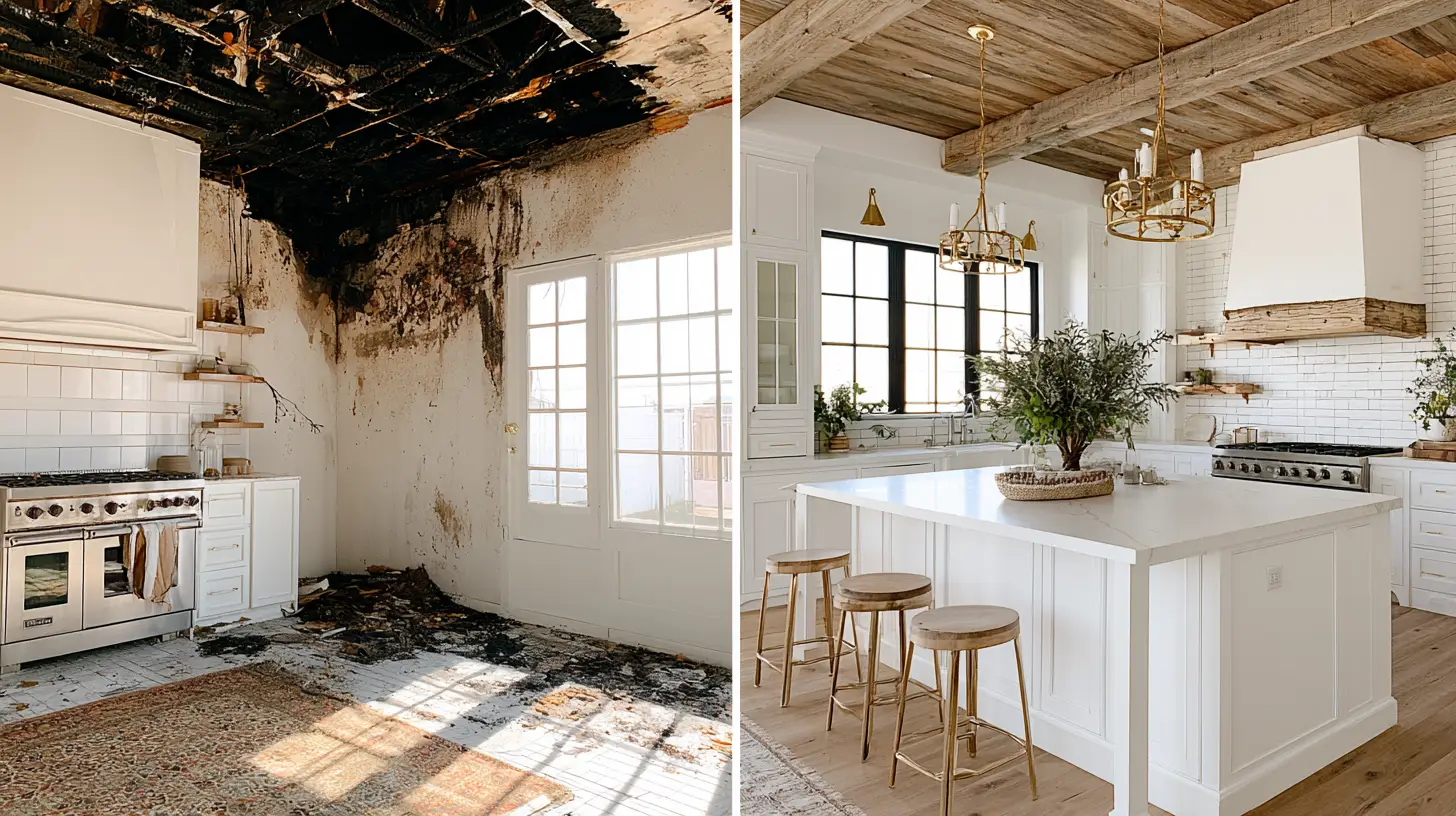
What Drives the Cost of a House Fire Cleanup?
Several variables push a cleanup cost up or down. The size of the affected areas is the obvious one, but the fire class matters too. Class A fires (wood, paper, common household materials) leave different residue than Class K fires, and a grease fire from cooking oils produces a greasy, oily soot that’s stubborn to clean. Electrical fires damage wiring and often require specialized repair before anything else can proceed. Smoke that spread through the HVAC multiplies the square footage that needs smoke and soot damage cleaning. Water used to put the fire out adds its own smoke and water damage scope. Then there’s the hidden risk in older homes: asbestos and lead-based paint that can turn a routine cleanup into an abatement project involving toxic chemicals. Local labor rates and permitting round out the picture, and complex fires that reach multiple systems raise it further.
Emergency Mitigation and the First 24 to 48 Hours
The first day or two after the fire department leaves shapes your final bill more than almost anything else. Emergency board-up and safety measures run roughly $500 to $3,000, and skipping them invites secondary damage. Open walls and roofs let in weather and pests. Standing water from firefighting efforts, if it isn’t extracted fast, feeds mold growth within a couple of days. Water damage cleanup after a fire often lands between $1,000 and $6,000. This is the cost you cannot defer. Fast tarping, board-up, and drying protect the structure, help prevent mold growth, and keep a moderate loss from sliding into an extensive one. The recovery process starts here.
When Cleanup Becomes Repairing Structural Damage and Reconstruction
Once damage reaches structural elements, you’ve crossed from cleanup into repairing structural damage and full reconstruction, and the price logic changes. Extensive losses regularly exceed $50,000. At this level you’re paying for a structural inspection, an electrical inspection, and repairs to roof, framing, foundation, or drywall. Reconstruction typically needs building permits and engineering assessments, and repairs often have to meet current code, which can mean upgrades the original house never had. The International Residential Code is the model for one- and two-family homes, but local jurisdictions adopt and amend it, so requirements vary by city and county. In wildfire-prone regions, homeowners may compare a specialized fire restoration company such as https://goldencoastco.com/ with other licensed contractors, focusing on scope documentation, permit handling, insurance coordination, and local rebuild experience rather than price alone. Ask for mitigation and rebuild estimates as separate documents so you can see exactly where the money goes.
Regional Cost Factors and Wildfire Markets
Where you live changes the math. California and other wildfire markets carry higher labor rates, longer permit timelines, heavier debris removal, and more complex rebuilds, partly because so much of the surrounding area may be competing for the same contractors and materials at once. In higher-cost wildfire markets, comparing a local professional restoration company such as Golden Coast Construction & Restoration alongside independent estimates can help homeowners understand whether a quote reflects cleanup, reconstruction, code upgrades, or all three. A number that looks high in one market may be a reasonable fire damage restoration cost once you account for local conditions, and it clarifies how much does fire damage genuinely cost to repair fire damage in that area.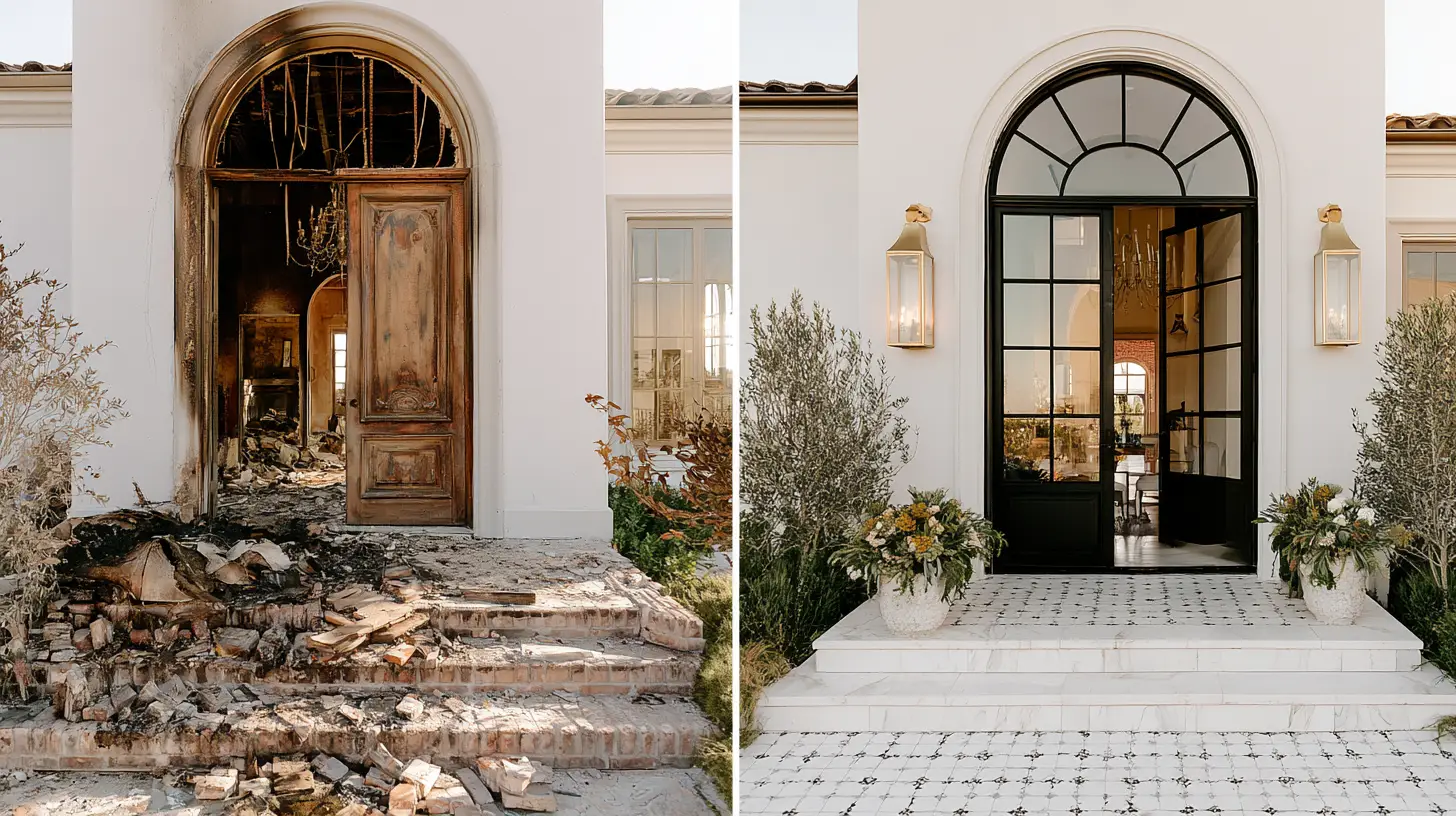
Repair and Finish Replacement Costs Homeowners Forget
Restoration estimates don’t always include the finish trades, and that gap surprises people. Tile and grout, terrazzo and stone, cabinets and countertops, flooring underlayment, insulation, HVAC cleaning or replacement, odor-sealing primers, and paint all add up, along with contents pack-out and storage. If the rebuild scope includes bathrooms, kitchens, fireplaces, or hard-surface floors, readers can compare finish specialists such as kibuktileandconstruction.com when pricing tile, terrazzo, grout, and substrate replacement after fire or water damage. There’s often a restore-versus-replace decision here. Porous grout that has absorbed smoke particles, cracked tile from heat, or water-damaged underlayment usually needs replacement rather than cleaning, because you can’t seal odor into a substrate and expect it to disappear. Fire damaged materials like scorched subfloor are cheaper to replace than to salvage.
Does Homeowners Insurance Cover Fire Damage Restoration?
Most homeowners policies cover fire and smoke damage, subject to your specific terms, but “often covered” is the honest phrasing, not “always.” Coverage generally splits into categories the NAIC lays out: dwelling coverage pays for structural repairs, personal property coverage helps replace belongings, and additional living expenses (ALE) can cover temporary housing while your home is unlivable. Two details drive your out-of-pocket cost. First, replacement cost pays to replace items at today’s prices, while actual cash value subtracts depreciation and pays less. Second, your deductible comes out before the insurance company pays anything. Policies typically exclude intentional acts and gross negligence. Read your declarations page and confirm your limits before assuming a fire restoration cost is fully covered.
How the Claims Process and Additional Living Expenses Affect Your Out-of-Pocket Cost
Documentation is what keeps you and your insurance adjuster arguing about the same scope instead of a vague lump sum. Good estimates include photos of every affected area, moisture readings where water was used, HVAC and duct findings, odor treatment recommendations, and a contents inventory. When the scope is itemized, the insurance company can match it line by line during the claims process, which usually means faster approval and fewer surprises. The goal throughout is returning the property to its pre loss condition. Additional living expenses matter here too, since temporary housing while your home is being repaired can stretch a claim for weeks or months. Your deductible and coverage limits ultimately decide what you pay, so knowing both before work starts prevents an unwelcome shock at the end.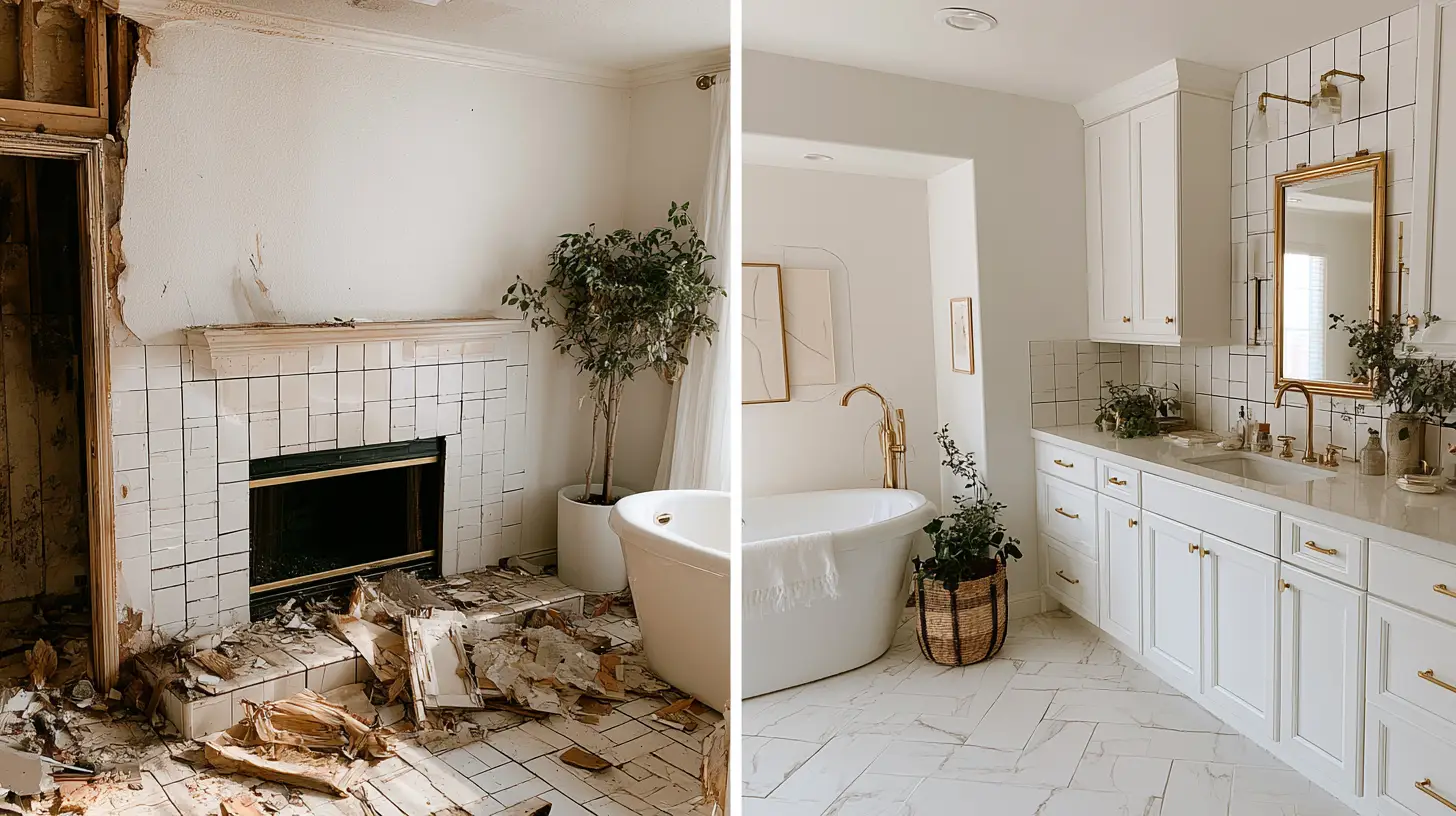
Can You Handle Cigarette Smoke Remediation or Cleanup Yourself?
Light ash on a small, clearly safe area can be a DIY job, and the same goes for minor cigarette smoke remediation on a hard, washable surface after a small fire. Beyond that, heavy smoke and soot, structural or water damage, possible asbestos or lead, and any HVAC contamination call for a professional assessment. NIOSH warns that post-fire cleanup can involve unstable structures, damaged electrical systems, and hazardous materials that aren’t obvious. If you do handle minor ash, EPA guidance is clear: don’t dry sweep it (that sends particles airborne), use a HEPA-type vacuum, and wear an N95 respirator, gloves, long sleeves, and closed shoes. Keeping charged fire extinguishers on hand is smart prevention, but they don’t change the need for professional soot removal after a real blaze. Don’t enter the home until it’s been cleared as safe to occupy.
How to Compare Fire Restoration Services and Estimates
A good estimate tells you what you’re buying. Use this checklist to compare bids from different restoration companies on equal footing:
- Is the estimate mitigation-only, or does it include the fire damage repair and rebuild?
- Are smoke and soot, odor, water, contents, and HVAC listed as separate line items?
- Is hazardous material testing or abatement included where older homes need it?
- Does it cover permits and code-required upgrades?
- Are line-item quantities clear rather than lumped together?
- Are pack-out and storage included?
- Are moisture readings and affected areas documented?
- Does the crew use specialized equipment and materials that absorb smoke particles, like ozone treatment or activated media, for smoke-heavy cases?
The ANSI/IICRC S700-2025 standard for professional fire and smoke damage restoration is a useful benchmark here. It covers assessment, HVAC systems, odor management, contents restoration, documentation, and a written Restoration Work Plan, so a fire damage restoration professional who works on it should be able to show you a documented restoration process and explain how the team will restore smoke damage.
What to Ask Before Hiring a Fire Damage Restoration Company
Verify licensing, insurance, and references before signing anything, and ask whether the crew holds IICRC certification. Confirm whether mitigation and reconstruction are priced separately, since bundling them can hide costs. For major losses, the contractor search may include fire restoration services that handle both cleanup and rebuild work, but you should still check credentials and get itemized pricing rather than trusting a single lump sum.
FAQ
How much does fire damage restoration cost per square foot?
Cleanup and restoration typically run $4 to $7 per square foot. That figure covers cleaning and deodorizing, not repairing structural damage or reconstruction, which are priced by trade.
Does homeowners insurance cover fire damage restoration?
Most policies cover fire and smoke damage, subject to your terms. Dwelling coverage handles structural repairs, personal property covers belongings, and additional living expenses can pay for temporary housing, all after your deductible and whatever your insurance company approves.
How much does it cost to rebuild after a house fire?
A total loss requiring complete fire restoration and full reconstruction can exceed $50,000 and often runs into six figures, depending on home size, local labor, permits, and code upgrades.
Can I clean smoke damage myself?
Only light ash in a safe, limited area, or minor cigarette smoke remediation on washable surfaces. Heavy smoke and soot, water damage, or possible asbestos and lead need a professional. Never dry sweep ash, use a HEPA vacuum, and wear an N95 respirator.
How do I know if a fire restoration cost is too high?
Ask for itemized line items and compare whether it’s mitigation-only or includes the rebuild. Get a second documented estimate covering the same scope, and confirm permits and code upgrades are accounted for.


