What Every First-Time Homeowner Should Know About Home Maintenance
Buying your first home is an exciting milestone, but it also comes with responsibilities that many new homeowners don’t fully anticipate. Unlike renting, where a landlord typically handles repairs and upkeep, owning a home means you’re responsible for maintaining everything, from the roof over your head to the plumbing beneath your floors. With a proactive approach and a few essential habits, you can keep your home in excellent condition, avoid costly repairs, and preserve its value for years to come.
Start With Regular Inspections
The simplest way to maintain and improve your investment’s value is to inspect it regularly. Over time, minor problems in a home are more likely to become significant and more costly to repair. Spend some time each season looking around for evidence of wear, water stains, loose caulk around windows and doors, peeling paint, wobbling handrails or odd noises from your appliances.
Outward inspections include checking for loose shingles on the roof, clearing leaves and debris from the gutters, and looking for cracks on the foundation of your house. If the thought of staying on top of all of these tasks overwhelms you, consider making an annual maintenance list.
Don’t Overlook Plumbing
It’s highly likely that you don’t give much thought to your home’s plumbing system unless something has gone wrong. However, a slow drain or dripping faucet can quickly lead to an even bigger and more expensive plumbing disaster.
Be proactive by periodically inspecting pipes and fixtures in kitchens, bathrooms, and laundry rooms. Check faucets, sinks, and the areas surrounding the base of the toilet, pipes underneath the sink and exposed plumbing connections for leaks.
If you experience a burst pipe, overflowing toilet, or sudden water heater failure, it’s important to act immediately. Rather than attempting a complicated repair yourself, contacting an emergency plumber Dallas TX can help minimize water damage and restore your plumbing system safely and efficiently. Having the contact information of trusted professionals before an emergency occurs can save valuable time when every minute counts.
Change Your Air Filters
Your heating and air conditioning systems do the bulk of the work to maintain comfortable conditions in your home year round. To prolong the life and increase the efficiency of your heating and cooling system, make sure to change the air filters monthly or as recommended.
Depending on your family and pets, you will need to change these filters from once a month up to once every three months. Regular air filter changes improve the quality of the air you breathe and prevent wear on the heating and cooling system. Have a professional technician visit annually to inspect your unit.
Keep Water Under Control
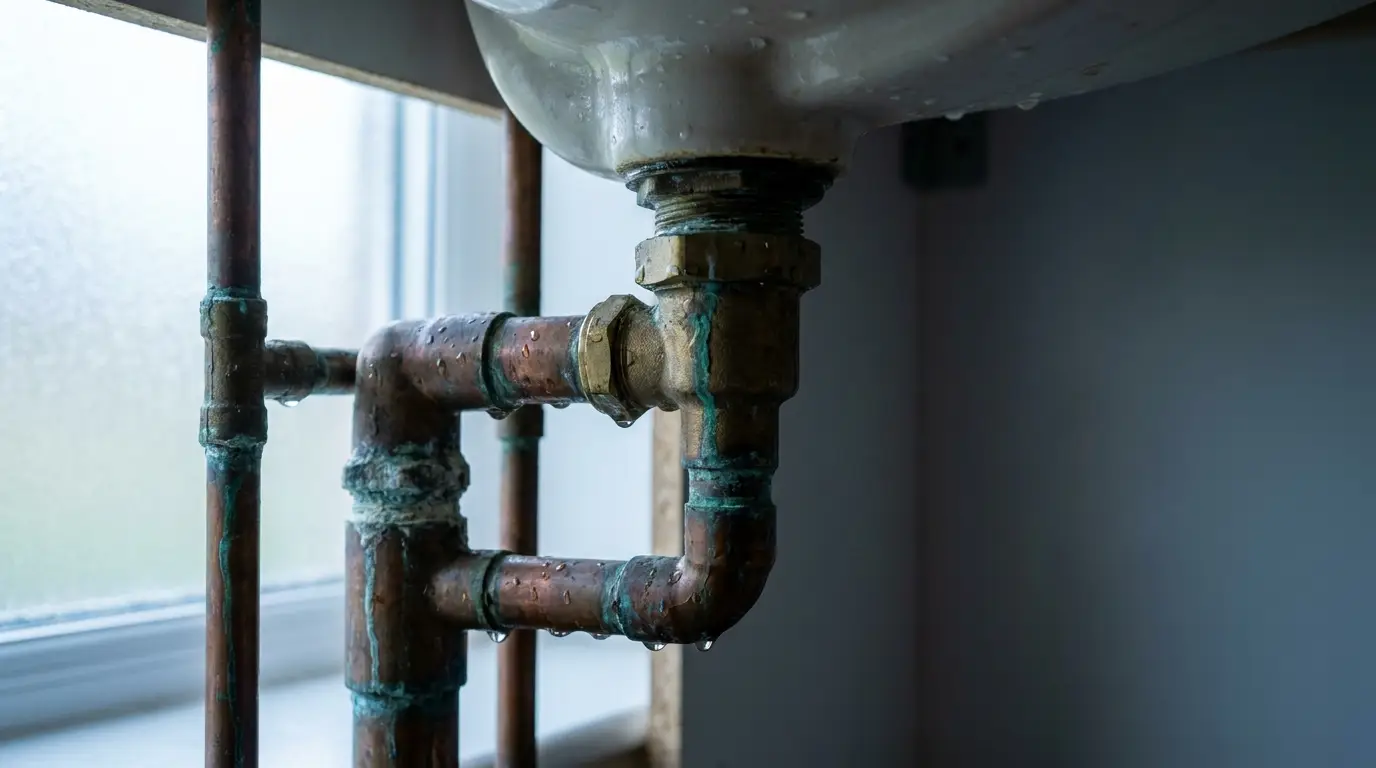
Even a slight moisture problem can cause structural damage, wood rot and lead to unhealthy mold growth. You can prevent costly damage by regularly checking for water problems, particularly in areas such as bathrooms, kitchens and the laundry room, where moisture levels are naturally high.
Make sure to use the exhaust fan whenever you cook or bathe to remove moist air, check and repair leaking fixtures or pipes, and in particularly humid areas, a dehumidifier can be beneficial. Be sure that the grading around your house slopes away from the foundation to allow rainwater to drain properly.
Keep Records of Home Maintenance
Maintaining organized records may not seem important today, but they’ll prove valuable over time. Remember to keep all your receipts for repairs and improvements, as well as warranties and service agreements.
Make notes on when you had work done, what type of maintenance was performed and which contractors or technicians performed the work. Future buyers will appreciate having access to this type of information, and it will also save you time and hassle down the line.
Focus on Safety
One of the primary reasons for home maintenance is to ensure the safety of your loved ones and yourself. You can reduce the risk of accidents by testing the smoke detectors and carbon monoxide detectors in your home once each month and replacing the batteries if necessary.
Keep a fire extinguisher readily accessible in your kitchen, and ensure that the walkways are well lit and railings are secure. You should also create a home safety plan that includes having an emergency kit with a flashlight, batteries, and a basic first-aid kit on hand at all times.
Endnote
Becoming a homeowner comes with a learning curve. By staying proactive, addressing small issues before they escalate, and knowing when to call experienced professionals, you’ll protect both your home and your financial investment.
Remember that successful homeownership isn’t about preventing every problem; it’s about responding thoughtfully and consistently. With regular inspections, preventive care, and a reliable network of service professionals, you’ll enjoy greater peace of mind and a home that remains comfortable, safe, efficient, and valuable for many years to come.