
Pool Fencing Melbourne Regulations Every Homeowner Should Know
There are few home improvements that come with as strict a regulatory framework as installing a swimming pool, and for very good reason. Pool fencing exists to prevent tragic accidents, particularly involving young children, making compliance an absolute priority rather than simply a design consideration.
For homeowners navigating this process, understanding pool fencing melbourne regulations require can feel overwhelming at first. This article breaks down the key requirements every pool owner needs to understand before installing or upgrading their pool fence.
Understanding Victoria’s Pool Safety Requirements
Victoria has specific, legally mandated requirements around pool fencing, and non-compliance carries genuine safety risks along with potential legal and financial consequences for homeowners.
Mandatory Registration Requirements
All swimming pools and spas in Victoria capable of holding water deeper than 300mm must be registered with the local council. This registration triggers a requirement for regular safety inspections to ensure the pool barrier continues to meet compliance standards over time.
Minimum Height and Gap Requirements
Pool fencing must meet specific height requirements, generally a minimum of 1200mm, with strict limits on gaps beneath the fence and between vertical members to prevent young children from climbing through or under the barrier. Even small non-compliant gaps can result in a failed safety inspection.
Self-Closing and Self-Latching Gates
Any gate providing access to the pool area must be self-closing and self-latching, ensuring it automatically returns to a closed and locked position after use. This is one of the most commonly cited compliance failures during inspections, often due to gates being propped open or latches not functioning correctly over time.
Climbable Object Restrictions
Regulations require that no climbable objects, such as furniture, pot plants, or structures, be placed within close proximity to the pool fence, as these could provide a foothold for a young child to climb over the barrier. This applies to both the inside and outside of the pool fence.
Choosing a Compliant Fencing Material
Popular pool fencing options in Melbourne include:
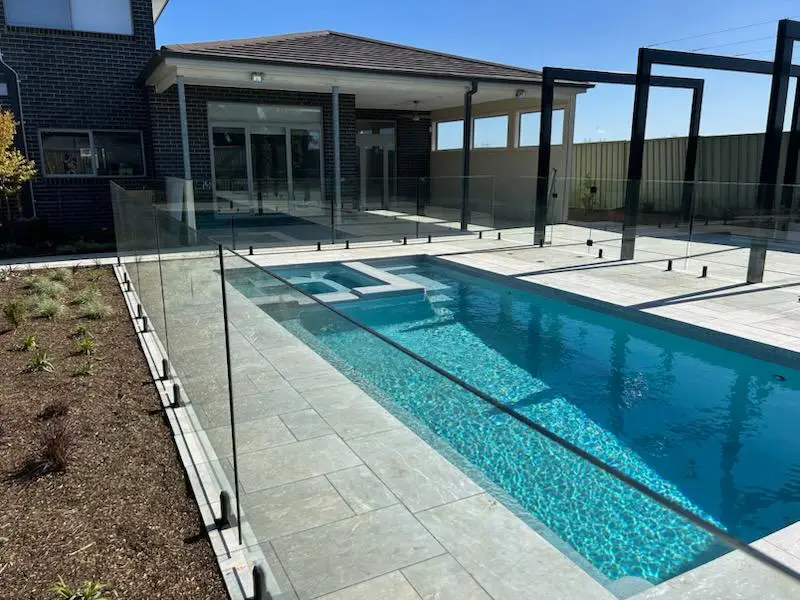
- Frameless glass panels: Offering an unobstructed view of the pool while meeting strict compliance requirements.
- Semi-frameless glass: Combining slim posts with glass infill panels for a balance of style and support.
- Aluminium pool fencing: A durable, low-maintenance option available in a range of styles and colours.
The Importance of Regular Compliance Inspections
Beyond the initial installation, pool owners are required to maintain ongoing compliance, with regular council inspections confirming the barrier continues to meet all safety requirements. Engaging a professional installer from the outset helps ensure the fence is built correctly to minimise the likelihood of compliance issues arising down the track.
The Consequences of Non-Compliance
Failing a pool safety inspection isn’t simply an inconvenience, it can result in the pool being deemed unsafe for use until compliance issues are rectified, along with potential penalties from local council. More importantly, non-compliant fencing carries genuine, serious safety risks, making it well worth addressing any identified issues promptly rather than delaying necessary repairs.
Preparing for Your Council Safety Inspection
Before a scheduled council inspection, it’s worth conducting your own basic check of common compliance issues, including gate operation, gap measurements, and any nearby climbable objects. Addressing obvious issues beforehand can save time and help ensure the formal inspection proceeds smoothly without unnecessary back-and-forth rectification requests.
What Happens During a Council Pool Safety Inspection
Understanding exactly what a council inspector will check can help homeowners feel more prepared and less anxious about the process. Inspectors typically measure fence height at multiple points, check for any gaps that exceed permitted limits, test that gates self-close and self-latch correctly, and look for any climbable objects within the vicinity of the fence. Being present during the inspection, and having addressed any obvious issues beforehand, generally makes for a smoother, faster process with less back-and-forth required to achieve full compliance.
What to Do if Your Pool Fence Fails Inspection
If your pool fence doesn’t pass its initial council inspection, don’t panic, this is a relatively common outcome, particularly for older installations. The council will typically provide a clear list of specific rectification items required, and a qualified pool fencing specialist can usually address these issues quickly, allowing for a follow-up inspection without excessive delay.
Understanding Temporary Pool Fencing for Renovations
During a pool renovation or backyard landscaping project, temporary compliant fencing is often required to maintain safety while permanent fencing is being installed or upgraded. Discussing this transitional period with your pool fencing installer ensures your property remains fully compliant and safe throughout the entire renovation process, not just after project completion.
The Cost of Non-Compliant Pool Fencing at Sale Time
Homeowners planning to sell a property with a pool should be aware that non-compliant fencing can complicate or delay a sale, as many contracts now require a valid pool safety certificate. Addressing compliance issues well ahead of listing a property avoids this becoming a last-minute complication during settlement negotiations.
A Responsibility Worth Taking Seriously
Ultimately, pool fencing compliance isn’t about satisfying a bureaucratic checklist, it’s about genuinely protecting the lives of children who may wander into a backyard unsupervised. Approaching this responsibility seriously, rather than as a box-ticking exercise, is something every Melbourne pool owner owes to their own family and their neighbours.
Final Thoughts
Pool fencing regulations exist for one critically important reason, protecting young lives, and understanding these requirements thoroughly is an essential responsibility for every Melbourne pool owner.
Working with an experienced, compliance-focused installer from the very beginning is the best way to ensure your pool fence not only looks fantastic but genuinely keeps your family and visitors safe for years to come.


