Roof Maintenance Checklist for Your Home
A roof does more than just cover a home. It keeps rain, wind, and outside elements from getting inside. Without proper care, small issues can quietly grow into costly problems.
Regular roof maintenance helps stop leaks before they spread and prevents water damage from reaching walls and ceilings. It also slows down moss growth and protects the structure underneath.
Skipping routine roof care often leads to repairs that cost far more than a simple checkup would have. In many cases, it pushes homeowners toward a full roof replacement much sooner than expected.
Staying on top of roof maintenance is one of the smartest and most affordable ways to protect a home and avoid expensive surprises down the road.
Signs Your Roof Needs More Than Maintenance
Routine maintenance can handle small issues, but some warning signs point to something more serious. If any of these sound familiar, a full roof replacement may be the next step.
- Frequent Leaks: Leaks that keep returning in different spots mean the roof has deeper problems that basic repairs cannot fix.
- Widespread Missing Shingles: Large areas of missing shingles mean the roof surface has broken down well beyond simple repair.
- Sagging Roof Deck: Visible sagging points to damage in the structure underneath, which is a serious safety concern.
- Granules in Gutters: Heavy granule buildup in gutters means shingles are breaking down and losing their protective coating.
- Roof Age Over 20 Years: Most roofs last 20 to 25 years. A roof past that range is likely nearing the end of its life.
Seasonal Roof Maintenance Tips
Roof care needs change with every season. Knowing what to check and when makes it easier to stay ahead of damage throughout the year.
| Season | What To Check |
| Spring | Look for winter damage, loose or missing shingles, cracked sealant, and gutters blocked with debris. |
| Summer | Check for heat damage, UV wear on shingles, and dried-out, cracked sealant that needs to be replaced before rain season. |
| Fall | Clear leaves off the roof surface, clean out gutters fully, and make sure everything is sealed and ready for cold weather. |
| Winter | Watch for ice buildup along the roof edges, heavy snow adding pressure to the structure, and any signs of leaks in the attic. |
Roof Maintenance Checklist for Homeowners
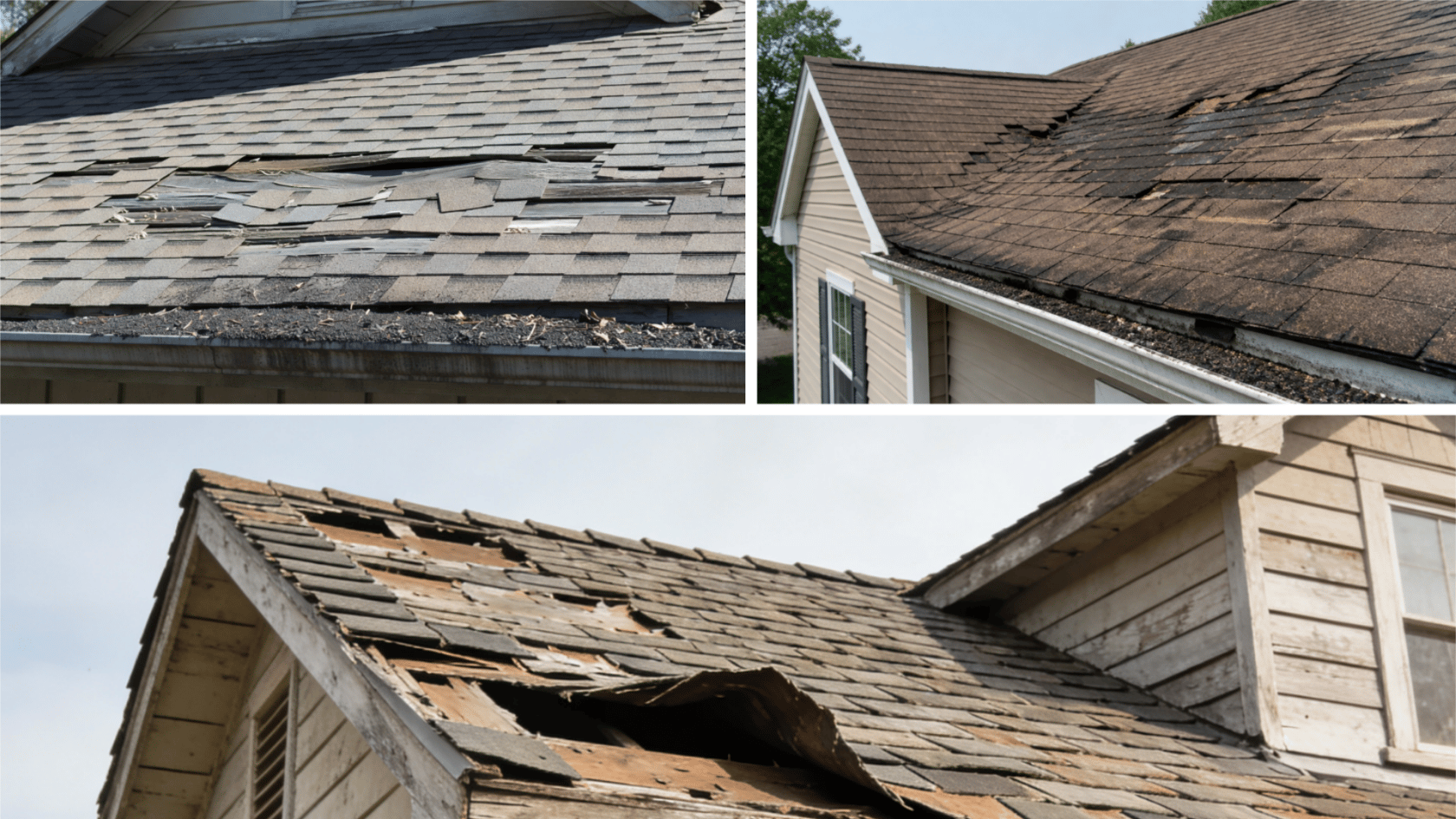

A simple checklist makes roof care much easier to manage. Going through each step regularly keeps small problems from turning into bigger, more expensive ones.
1. Inspect Your Roof Twice a Year
The best times to check a roof are spring and fall. Spring helps catch any damage left from winter, while fall prepares the roof for cold months ahead.
During each inspection, look for:
- Missing shingles
- Curling or cracked shingles
- Cracked sealant around edges
- Damaged or lifted flashing
- Sagging areas on the roof surface
2. Clean Gutters and Downspouts
Clogged gutters back up water along the roof edge, pushing moisture under shingles and leading to leaks and structural damage over time.
Keep an eye out for these warning signs:
- Water spilling over gutters during rain
- Visible debris is packed inside the gutter channel
- Standing water or damp patches along the roofline
- Gutters sagging or pulling away from the fascia board
3. Remove Leaves and Roof Debris
Leaves and branches left on the roof trap moisture against the surface. Over time, that moisture breaks down shingles and creates soft spots that lead to leaks. Keeping the roof clear is a simple but important maintenance habit.
Watch out for these signs of debris buildup:
- Dark or damp patches where debris has been sitting
- Soft or spongy areas on the roof when inspected up close
- Shingles that look discolored or worn under debris piles
4. Check Flashing Around Chimneys, Vents, and Skylights
Flashing is one of the most common spots where roof leaks start. Check for gaps, lifted edges, or cracks, and reseal any problem areas with roofing caulk right away.
Check for these flashing problems:
- Gaps or lifted edges along the flashing
- Cracks or holes in the sealant
- Water stains near chimneys or vents inside the home
5. Remove Moss, Algae, and Mold
Moss holds moisture directly against shingles and slowly lifts them away from the roof surface, making leaks far more likely over time. Algae and mold spread quickly in shaded or damp areas and weaken the shingle surface if left untreated.
Watch out for these signs:
- Green or black patches spreading across the roof surface
- Shingles that look lifted or uneven in affected areas
- A damp or musty smell near the roofline
6. Trim Overhanging Tree Branches
Branches hanging over the roof scrape against shingles during wind and drop leaves that pile up over time. Keeping trees trimmed back reduces both physical damage and debris buildup.
Here are the signs that tree branches are affecting your roof:
- Leaves are constantly piling up in the same roof areas
- Scratch marks or worn patches on shingles near tree lines
- Twigs and small branches are regularly collected in gutters
7. Fix Loose, Missing, or Curling Shingles
A single damaged shingle might seem minor, but it leaves the area underneath fully exposed to rain and wind. Fixing shingles early stops water from working its way into the roof structure.
Here are the signs to look for:
- Shingles that are visibly missing from the roof surface
- Curling or cupping along the edges of shingles
- Loose shingles that shift when the wind passes over them
- Cracked or brittle shingles that break apart easily
Roof Maintenance vs New Roof Replacement
Not every roof problem needs a full replacement, and not every issue can be fixed with simple maintenance. Knowing the difference helps homeowners make the right call at the right time.
| Factor | Roof Maintenance | New Roof Replacement |
|---|---|---|
| Damage Level | Minor and isolated | Widespread or structural |
| Roof Age | Under 20 years | Over 20 years |
| Cost | Lower | Higher |
| Leak History | Rare or first time | Frequent and recurring |
When in doubt, a professional roofer can assess the condition and give an honest recommendation on which option makes more sense.
Roof Maintenance Cost Factors

Roof maintenance costs are not the same for every home. Several factors come into play that can push the price up or down, depending on the situation.
| Cost Factor | Details | Estimated Cost Range |
|---|---|---|
| Roof Size | Larger roofs require more time and materials | $150 to $500 for standard sizes, $500+ for larger roofs |
| Roof Pitch | Steep roofs need extra safety equipment and labor | Adds $100 to $300 to the base cost |
| Roofing Material | Tile, metal, and slate cost more to service than asphalt shingles | $200 to $700, depending on material type |
| Amount of Debris | Heavy buildup means more cleaning time and effort | Adds $50 to $150 to the total cost |
| Moss or Algae Growth | Requires special products and additional labor | Adds $100 to $400, depending on severity |
| Repair Needs | Shingle replacement, flashing repair, or leak fixes | $150 to $1,500, depending on damage level |
| Local Labor Rates | Rates vary by city and region | $150 to $600 for a standard maintenance visit |
How Often Should You Schedule Professional Roof Maintenance?
A professional roof inspection should be scheduled at least once a year. Annual checkups help catch small issues early before they develop into repairs that cost significantly more.
Certain events also call for an extra inspection outside the regular schedule. After hail, strong winds, heavy storms, or falling branches, it is always a good idea to have a roofer take a proper look.
Storm damage is not always visible from the ground. A professional can spot hidden issues like cracked flashing, lifted shingles, or small punctures that are easy to miss but quick to cause bigger problems.
Conclusion
Regular roof maintenance helps protect your home from leaks, water damage, and costly repairs.
Small steps like cleaning gutters, checking shingles, and removing debris can keep your roof in better shape for years.
Use this roof maintenance checklist as a simple way to stay ahead of problems before they become expensive. Paying attention to early warning signs can also help you decide when repairs or replacement make more sense.
A yearly professional inspection is always a smart idea, especially after major storms. Keep learning about home care and share your thoughts or questions in the comments below.
Frequently Asked Questions
What are Common Roof Cleaning Mistakes?
Using a pressure washer, applying harsh chemicals, and skipping a rinse after cleaning are the most common mistakes homeowners make.
What Time of Year is Best for Roof Cleaning?
Late spring and early fall are the best times for roof cleaning. The weather is mild, surfaces dry faster, and cleaning before winter helps remove moss and debris that trap moisture during cold months.
Does Insurance Pay for Roof Cleaning?
Homeowners’ insurance generally does not cover routine roof cleaning as it is considered regular upkeep. If cleaning is tied to storm damage, some policies may help. Checking directly with the insurance provider is the best way to know.