Making Room for Everyone: How We Think About Homes That Work for the Long Run
There is a specific kind of house that gets into your head and stays there. Not because it is the biggest or the most dramatic, but because it feels like it was thought through. Every room has a reason. The flow makes sense. You could see yourself in it at thirty and at seventy and every decade in between.
That quality has a name in design circles: livability. And the more I think about it, the more I think it is actually what most of us are looking for when we say we want a home that feels right.
The Part We Don’t Always Think About
When we talk about making a home our own, we tend to focus on the parts we can see. The kitchen tiles, the paint color in the hallway, whether the sofa faces the fireplace or the window. Those things matter. But the features that determine whether a home actually works well, for a range of people over a long stretch of time, are often more structural than decorative.
Stairs are the obvious example. In a multi-storey home, they are the connective tissue between how the space is used. Most of the time, they do not require any thought at all. But homes are lived in for decades, and the people living in them change. Parents age. Guests arrive with different needs. A fall or an injury changes what is easy and what is not.
The homes that handle this well are the ones where someone thought about it in advance.
What It Actually Takes
The good news is that making a multi-storey home more liveable for everyone does not require a major renovation. The changes that make the most difference tend to be specific and targeted.
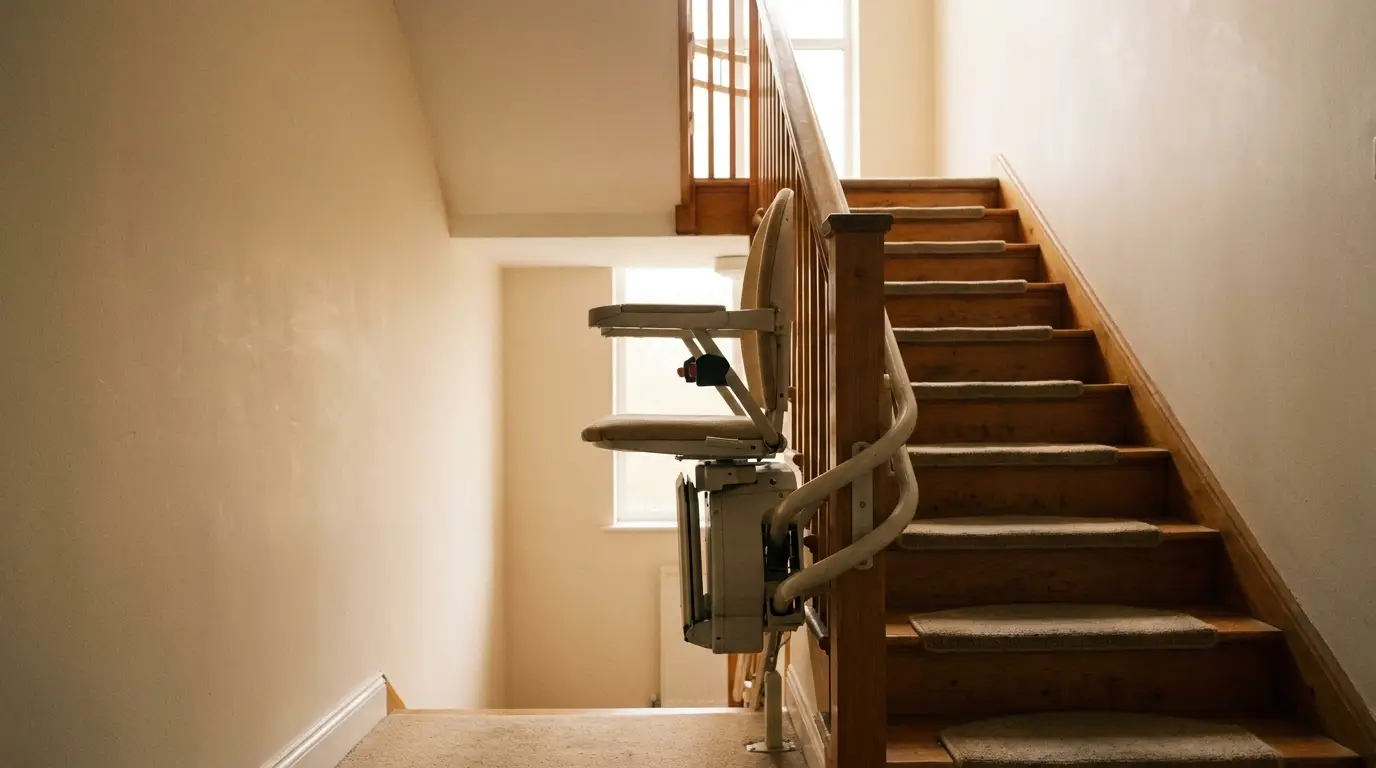
For stair access, stairlifts are the most practical option for most homes. They mount to the stair treads, not the walls, so there is no structural work involved. The chair folds flat against the wall when it is not in use, which means the staircase stays completely usable for everyone else in the house. Summit Stairlifts covers Ontario and most of the installation work takes a single day.
Other Changes Worth Making
Beyond stair access, the upgrades that consistently make a home work better across different ages and abilities tend to be small and inexpensive:
- Better lighting in hallways and on stairwells, which improves safety and also just makes the space feel warmer
- Lever handles on interior doors instead of round knobs, which are easier for everyone and particularly helpful when your hands are full
- A grab bar in the shower or beside the tub, now available in finishes that blend with standard bathroom hardware
- Clear pathways through main living areas, which reduces clutter and makes the space feel larger as a bonus
None of these things change the look of a home. Most of them are inexpensive. All of them make a meaningful difference to how the space actually functions.
The Longer View
There is something satisfying about a home that has been thought through beyond the immediate moment. Not just “do I love how this looks right now” but “will this still be working well in twenty years?”
The homes that answer yes to both questions are the ones that tend to feel genuinely right. Not just beautiful, but solid. The kind of house that gets into your head and stays there.