Why Coastal Homes Age Differently Than People Expect
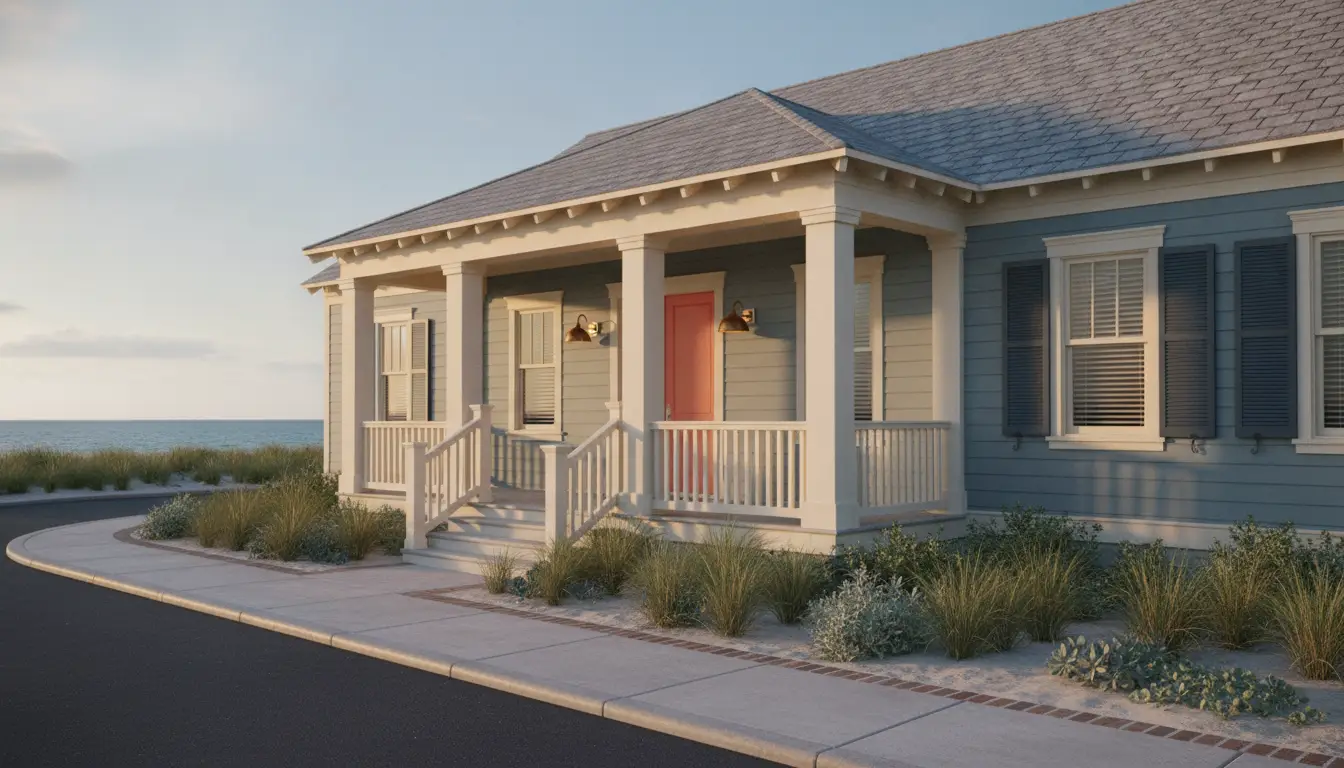
A coastal home can feel like a reward at first. The air feels sharper, the views settle the mind, and the slower mornings can make the whole move feel worthwhile. Then the house starts teaching you a different lesson. Salt gathers on surfaces. Wind tests roof edges. Moisture lingers after fog, rain, and humid nights. A Cape Cod roofing company often sees how exterior wear begins quietly, long before homeowners notice anything dramatic. Coastal living is beautiful, and it also asks for a different kind of care.
New owners often notice the lifestyle first and the maintenance pattern later. A porch rail that needs repainting sooner than expected or a roof stain that appears after one windy rain can feel random. Near the coast, those moments usually connect to steady exposure, not bad luck. The house is reacting to its setting every day.
Salt Air Affects More Than People Realize
Salt air reaches more than the obvious places. It can travel inland with wind, settle on roofing materials, and leave metal components under steady pressure. For people new to coastal living, relocation planning should include the way the environment changes home upkeep.
- Corrosion effects: Salt can speed up rust on flashing, nails, vents, gutters, fasteners, and railings. Once corrosion starts, nearby materials can loosen or weaken.
- Surface wear: Paint, coatings, trim, and exposed exterior details may fade or roughen faster near the coast. The surface often looks tired before deeper damage appears.
- Material deterioration: Shingles, sealants, caulk, and roof edges can age faster under repeated salt exposure. Small cracks can give moisture a path inside.
- Constant exposure: Coastal homes do not need a storm to experience wear. Calm days can still leave salt residue on exterior surfaces.
Moisture Creates Long-Term Problems
Moisture is one of the reasons coastal homes age differently. Humid air can sit around rooflines, attic spaces, siding, and trim. If those areas do not dry well, materials can slowly lose strength and stability.
Mold and mildew can become recurring problems in shaded or poorly ventilated spots. A roof section under trees may stay damp after fog or rain. That dampness creates a familiar cycle: clean it, watch it return, then wonder why the same area keeps causing trouble.
Expansion and contraction also matter. Wood, metal, and sealants respond to temperature shifts and moisture levels throughout the year. Those small movements can open gaps, strain older joints, and make weak spots easier for water to find.
Water intrusion often starts with something that looks minor. A lifted shingle, cracked seal, blocked gutter, or worn flashing edge may not seem urgent. Over time, that small opening can let water reach hidden areas behind walls or under roofing layers.
That does not mean coastal homes are fragile. It means their owners need a sharper eye for small changes. A loose gutter, lifted shingle, rusty fastener, or damp attic smell deserves attention before the next storm adds pressure.
Weather Exposure Never Really Stops
Coastal weather has a way of wearing down a home through repetition. Wind can lift shingles, push rain sideways, and test roof edges that already have age-related wear. A single storm may pass quickly, yet the strain it leaves behind can remain.
Storm cycles add up. One season may loosen a piece of flashing. Another may force water toward that same area. Later, sun and salt dry the surface while hidden layers hold moisture.
UV exposure also plays a steady role. Sunlight can fade finishes, dry sealants, and make older materials more brittle. Roofs take much of that exposure directly, which is why small defects often show outside before they show indoors.
Seasonal changes create their own pattern. Hot afternoons, cool nights, fog, rain, salt air, and wind all leave marks. Coastal aging rarely looks sudden. It often looks like a dozen small changes that finally become hard to ignore.
This is why coastal homeowners often feel surprised after the first year. The home may still look fine, yet the gutters sound loose, the trim feels soft, or one ceiling stain appears after a storm. Small signs deserve attention because the coastline keeps working even when nothing feels urgent. That is the real rhythm of coastal ownership for many families after year one.
Preventive Maintenance Matters More Near the Coast
Preventive care feels less dramatic than repair work, but it matters more near water. Coastal homes face moving challenges of a different kind: new routines, new weather habits, and exterior problems that can grow quickly when ignored. A simple inspection rhythm helps homeowners stay ahead of wear.
|
Maintenance habit |
Why it matters near the coast |
|---|---|
|
Schedule regular roof checks |
Inspections can catch loose shingles, flashing gaps, corrosion, and worn sealant before water reaches the structure. |
|
Clean gutters and downspouts |
Clear drainage moves water away from roof edges, siding, trim, and foundations after storms. |
|
Watch flashing and vents |
These areas handle roof openings, so small gaps can create water intrusion risks. |
|
Rinse salt residue gently |
Light cleaning can reduce buildup on trim, gutters, railings, and metal roof components. |
|
Repair small defects early |
A cracked caulk line, rusting fastener, or loose shingle can become a larger repair near the coast. |
|
Check attic ventilation |
Better airflow helps reduce trapped moisture and supports healthier roof performance over time. |
Final Thoughts
Coastal environments can make homes age faster because salt, moisture, wind, sun, and seasonal shifts keep pressing on exterior materials. The process is gradual, which makes it easy to miss. A roof edge, gutter seam, vent, or trim board may show the first clue.
Preventive care matters because exposed climates leave less room for neglect. Regular inspections, small repairs, clean drainage, and smart exterior habits can reduce larger problems later. This kind of moving preparation helps homeowners who are new to coastal areas understand that the home may need a different care rhythm.
Small maintenance habits create long-term benefits. A coastal home can stay strong and comfortable when owners treat upkeep as part of ordinary life. The coast gives a home character, and it also asks for attention in return.
FAQ
Why do coastal homes wear out faster?
Coastal homes wear faster because salt air, humidity, wind, sun, and storms keep stressing exterior materials. Roofs, gutters, flashing, trim, siding, and fasteners may age sooner because the home faces moisture and exposure across nearly every season and year.
Does salt air damage homes?
Yes, salt air can damage homes by speeding up corrosion and wearing down protective finishes. Metal parts, roof flashing, gutters, vents, railings, and fasteners often need closer attention because salt residue can weaken materials slowly over time near water.
What exterior areas wear fastest near the coast?
Roof edges, flashing, gutters, trim, siding, vents, fasteners, decks, railings, and painted surfaces often show wear first near the coast. These areas face salt residue, moisture, wind, and sun, so small defects can spread faster over time.
How often should coastal homes be inspected?
Coastal homes should usually be inspected at least once a year, with extra checks after strong storms or visible exterior changes. Roofs, gutters, flashing, vents, seals, and trim deserve regular attention because exposure can worsen small problems quickly.