How to Start Preparing Your Family for a Disaster Before It Hits
Getting a household prepared for emergencies may be the difference between a safe home and chaos. Until it is too late, many families treat preparedness as a distant concern. But some preventive measures are indeed comforting and would help keep people from panicking when trouble rears its head. When families are prepared with a plan, they feel more confident managing the unexpected.
Understanding the Risks
Different regions face unique threats. In some places, incessant hurricanes frequently cause disturbances, while in others, forest fires or earthquakes are more common. A family preparing for disaster is best served by knowing what risks are most local to them. Local emergency management resources tell you which threat is most often faced in that area.
Creating a Family Emergency Plan
Every household should have an emergency plan with everyone knowing it. Begin by selecting a safe meeting location close to home, as well as outside the immediate area. Decide how relatives will communicate with each other in case they become separated. The plan should be practiced with the children so that everyone knows how to act. Keep the plan current and adjust as children grow or family members change.
Building an Emergency Supply Kit
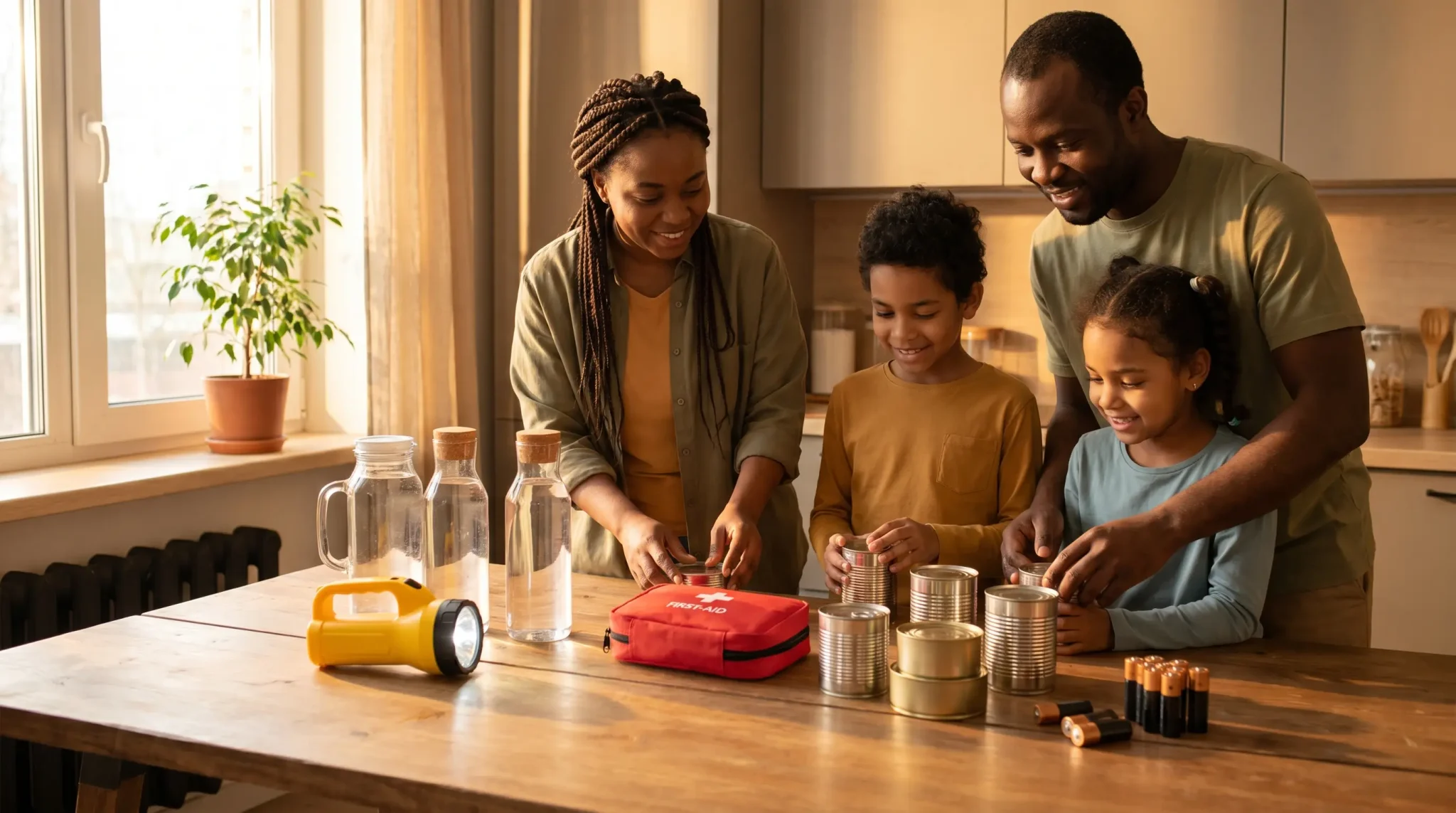
This peace of mind comes from preparing an emergency kit with the basics. Ensure that the kit includes sufficient food and water for a minimum of three days. There are also staples needed, such as canned goods, non-perishable items, and bottled water. A flashlight, batteries, first aid supplies, and any medications you need must be included. Pet owners need to keep that in mind to include food and other supplies for their animal companions.
Staying Informed and Connected
If there is an emergency, it is important to stay updated. If the power goes out, a battery-powered or hand-crank radio helps families receive crucial updates. Get timely warnings from local authorities by signing up for alerts in your area. To keep the phones up and running when there is no normal electric power, ensure backup power resources (like portable chargers) are charged.
Preparing the Home
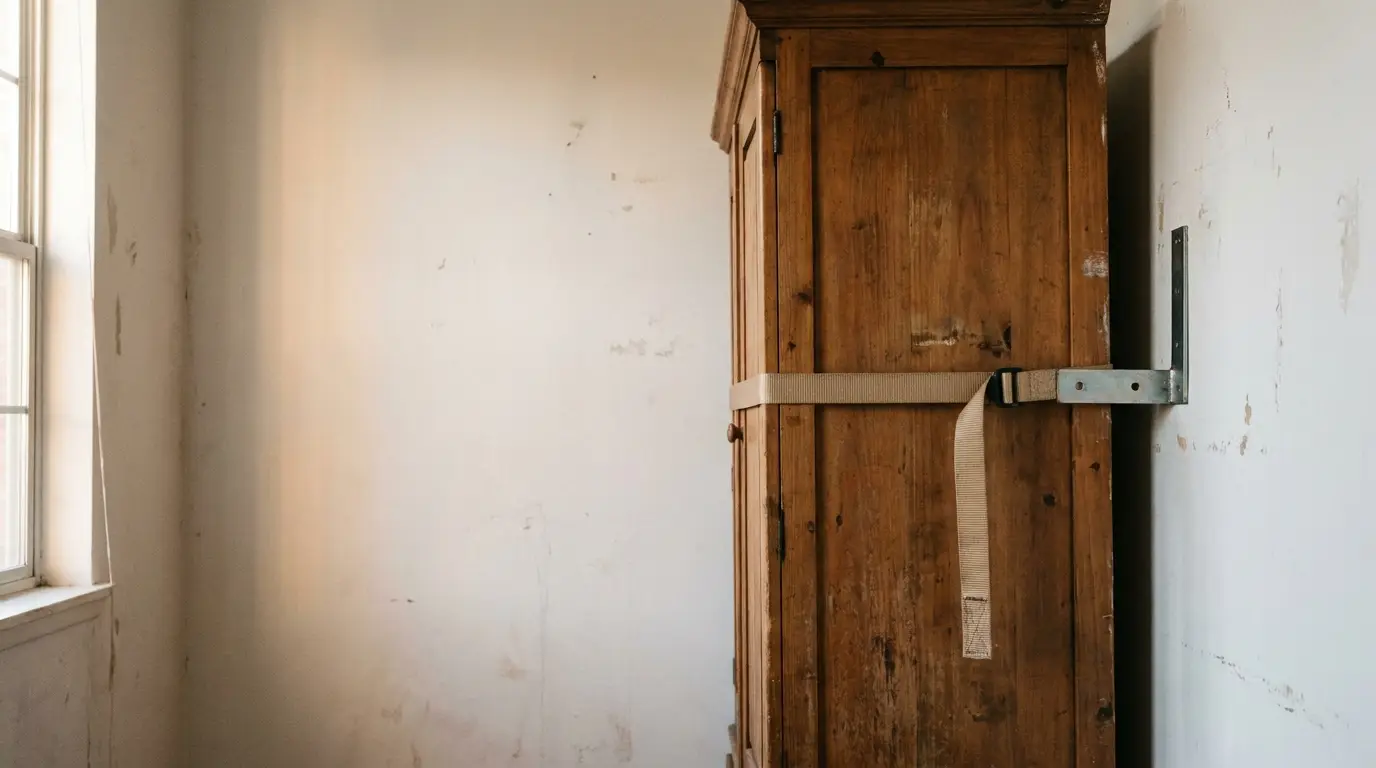
Some home improvements are simple and can lead to improved safety from disasters. Secure heavy furniture against the wall so that if an earthquake ever occurs, they do not tip over. Ensure you have smoke and carbon monoxide alarms. Remove debris from gutters and trim trees to reduce both the fire and storm damage potential. Keep important paperwork such as IDs and insurance information in a waterproof box.
Practicing Emergency Drills
Exercises help everyone recall their roles during a disaster. Conduct routine practice sessions for fire, storm, or earthquake emergencies. You can also make these even more fun for kids by changing them into easy games. Every time, you should review escape routes and meeting places. After each run through, assess it and talk about how the response can be improved.
Talking to Children About Emergencies
Talking about disasters and their prevention may be overwhelming for children. Realism makes them feel more secure. Break it down into simple events, stressing what they all will do together as a household. It is best to encourage children to ask questions and express their feelings. Let them know that the adults are ready to keep everyone safe.
Helping Neighbors and the Community
Preparedness goes beyond just your immediate family. Compassionate communities lift you when times are tough. Check if any of the neighbors are specially abled and need extra assistance. Share resources, spread information, and motivate others to plan. Coming together raises the odds of everyone staying safe.
Reviewing and Updating Plans Regularly
Family situations can change, so it is important to regularly review your emergency plans. Change contact information, change meeting locations, and review the emergency kit every six months. When you notice a food or medication reaching its expiration date, replace it with a new item. Regular practice and plan updates keep everyone in order when the time arrives.
Conclusion
Households that prepare for disasters will feel more secure and beyond. Simple steps taken before trouble arises protect and will go a long way towards restoring order. Families survive strengthened and resilient through preparation, storing, and training. There is no need to fear preparedness; it merely fosters confidence in meeting the unexpected, whatever may come. So begin today and help someone to do the same.