6 Types of Wall Cracks and What They Mean
A small crack in your wall might not seem like a big deal. I’ve seen many people brush it off. But sometimes, that tiny line is the first sign of a bigger issue.
Most people fall into two habits. They either stress over every crack or ignore them completely. Both can cost you later. The truth is simple. Some cracks are harmless. Others need attention before they spread.
Today, I’ll help you read wall cracks the right way. You’ll learn what each type means, how the width and location change the risk, and which warning signs you should never ignore.
By the end, you’ll know exactly what you’re looking at and what to do next.
How to Read Wall Cracks Correctly
A crack in your wall is not random. It is your wall telling you something is wrong.
Every crack forms when stress builds up, and the material can no longer withstand it. To understand what a crack means, you need to look at three things: its direction, its pattern, and its width.
Direction tells you what kind of force caused the crack:
- Vertical cracks usually mean the structure is compressing downward
- Horizontal cracks point to sideways pressure pushing against the wall
- Diagonal cracks suggest one part of the structure moved more than another
Pattern tells you where the problem started:
- A single straight crack often points to one stress point
- A branching or network pattern usually means surface-level shrinkage
- Cracks that follow mortar joints suggest foundation movement
Width gives you a rough idea of how serious it is:
- Thin hairline cracks are often just surface changes
- Wider cracks usually mean more movement has taken place
Many people think a big crack is always serious and a small one is nothing to worry about. That is not always true. I’ve seen thin cracks turn into real problems just because they kept growing over time.
On the other hand, some wider cracks stay the same for years and don’t cause any trouble. What really matters is not just the size, but whether the crack is changing.
Types of Wall Cracks Based on Pattern and Direction
Wall cracks form in different patterns depending on the cause. Knowing the type helps you tell apart a surface issue from a structural one.
Each crack type below has a different cause, risk level, and meaning for your wall.
1. Vertical Cracks
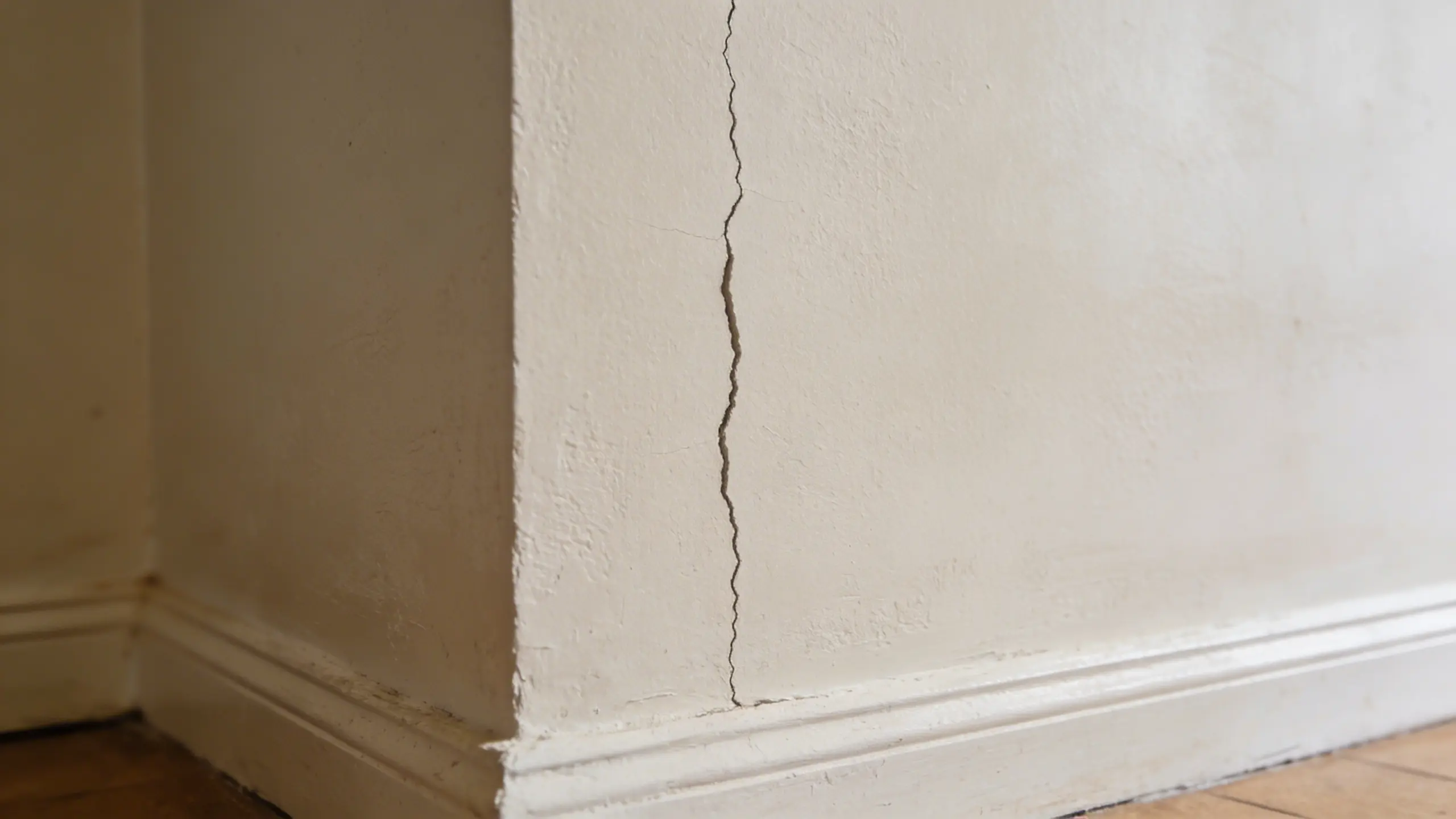
Vertical cracks run straight up and down the wall. These are typically caused by the natural settling of a building’s foundation or by the shrinking of building materials as they dry. While they often appear in newly built homes, they can also develop over time as the structure adjusts.
- Risk Level: These cracks are generally not a cause for concern if they remain narrow and do not change over time.
- When to Act: If the crack continues to widen or reappears after a repair, it may indicate ongoing settling or stress, and should be monitored closely.
2. Horizontal Cracks
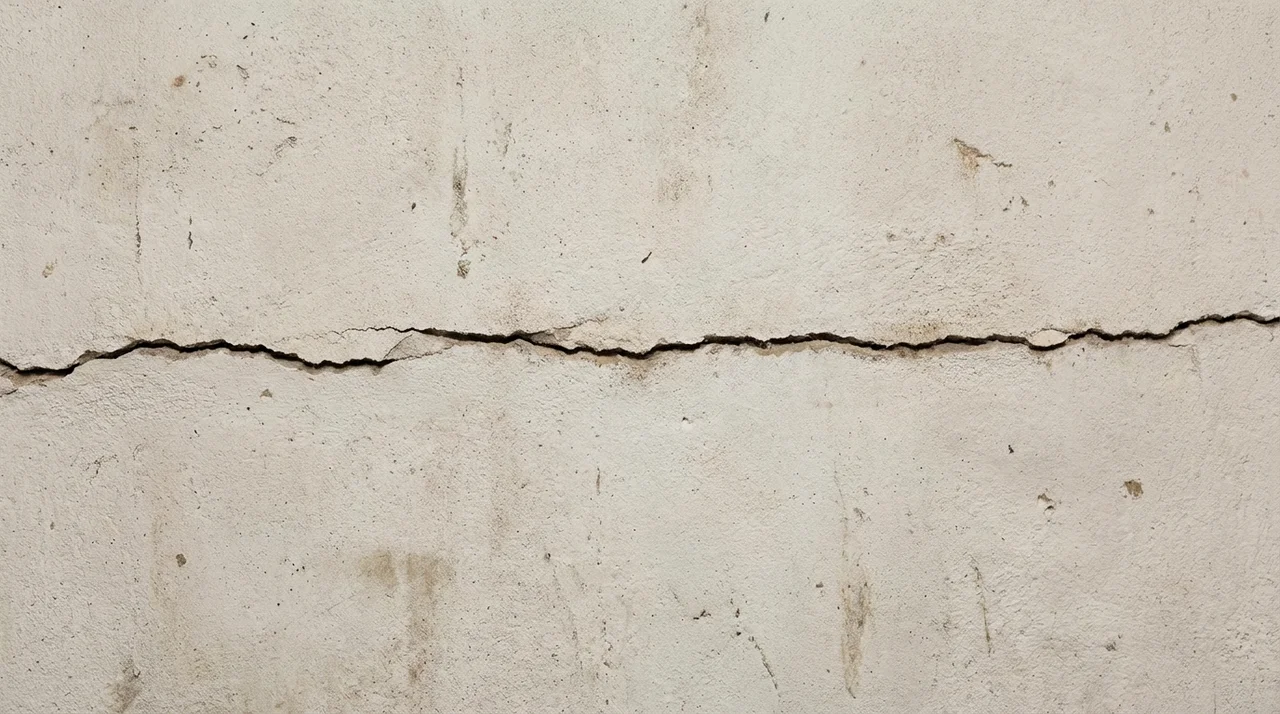
Horizontal cracks are more serious than vertical cracks. They occur when external forces, such as soil, water pressure, or uneven weight distribution, push against the wall, typically from the outside.
These cracks are often found in basements or load-bearing walls, where the pressure from external sources is the greatest.
- Main Cause: Lateral pressure from soil, water, or uneven loads pushing against the wall.
- Serious Sign: Horizontal cracks may indicate that the wall is bowing inward due to significant external stress. This type of crack can signal serious structural damage, requiring immediate professional inspection.
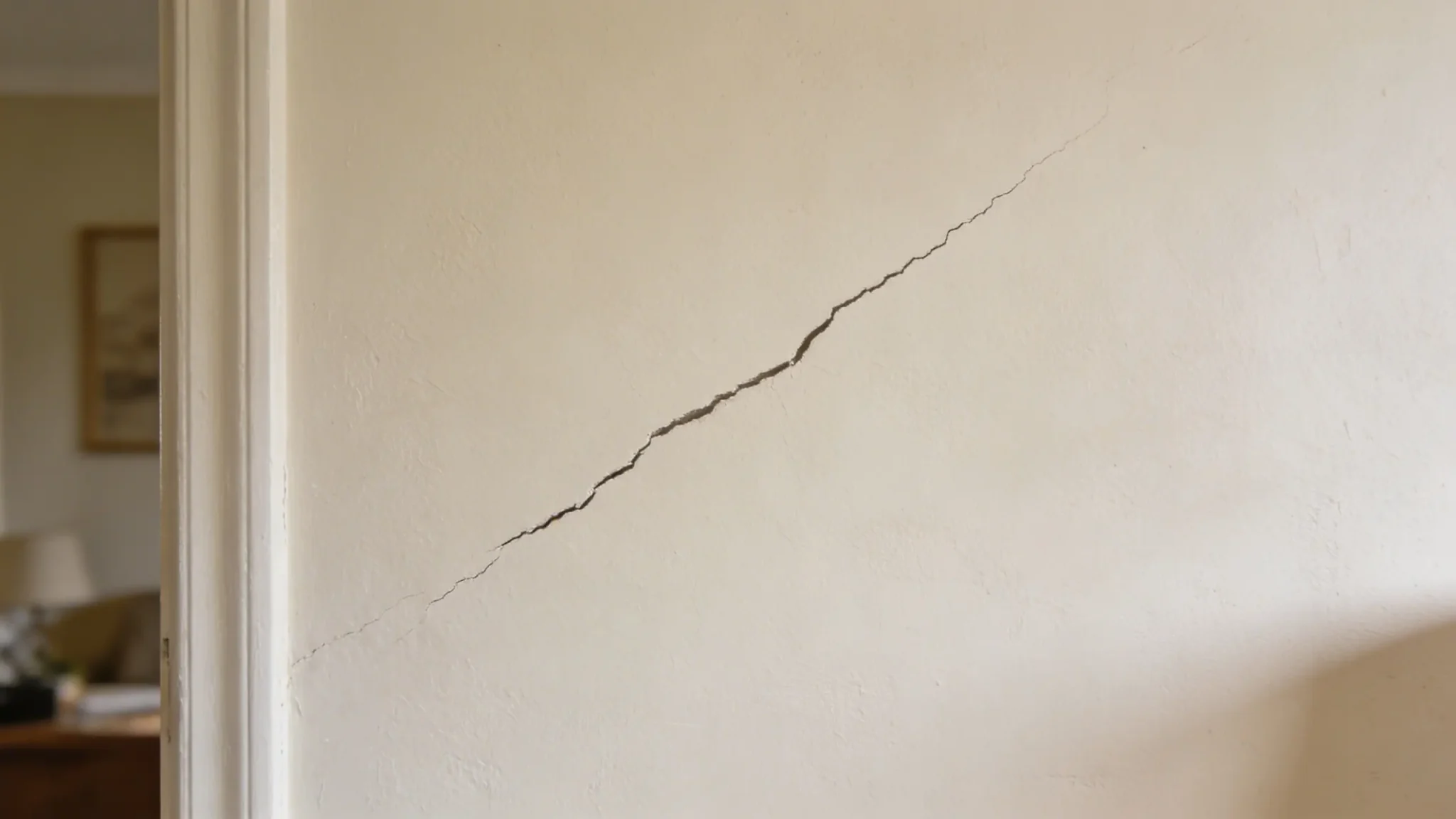
3. Diagonal Cracks
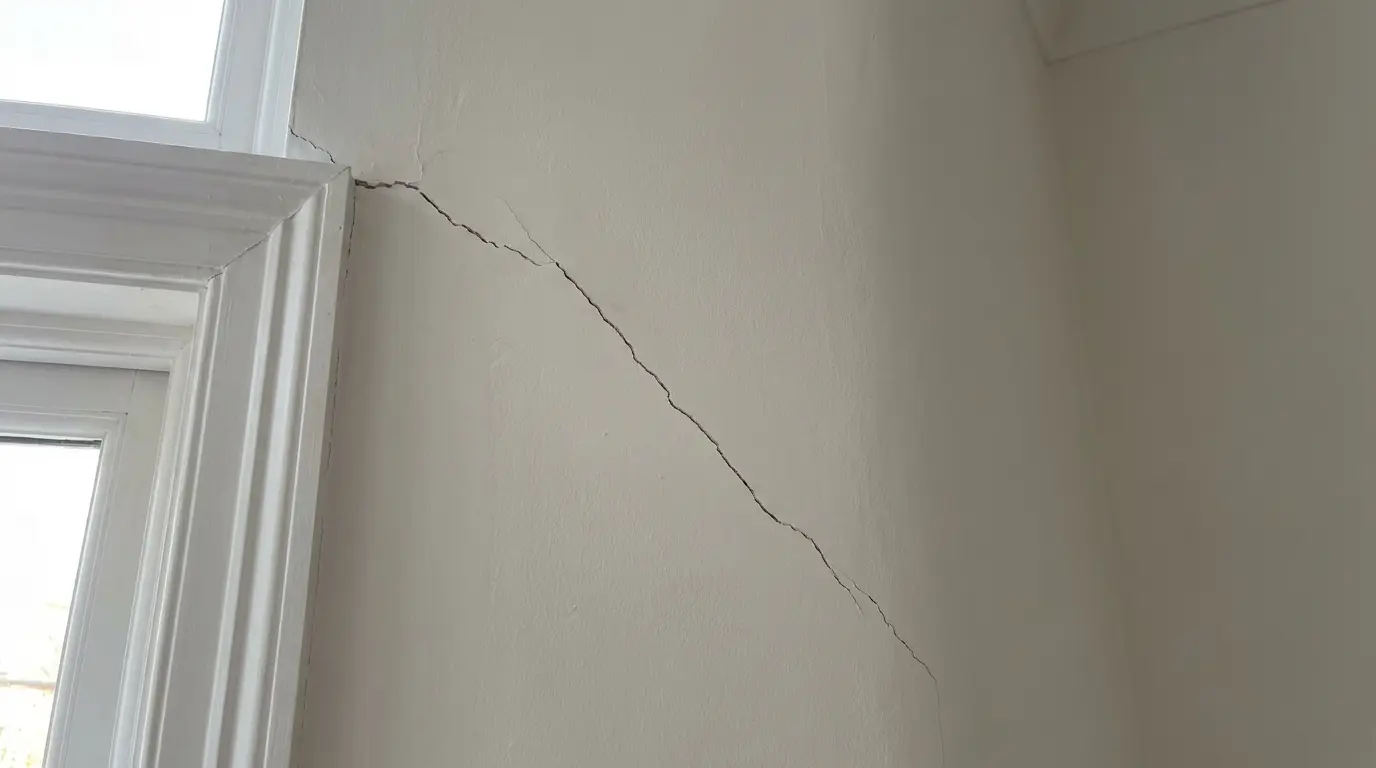
Diagonal cracks form when one side of the foundation settles more than the other, causing the wall to be pulled in two directions. These cracks typically appear near doorways or window corners, where walls experience the most stress.
- Common Location: Often seen near door or window corners after settlement.
- Severity Clue: The wider the crack, the more likely it is that substantial foundation movement has occurred. These cracks should be taken seriously, especially if they continue to widen.
4. Stair-Step Cracks
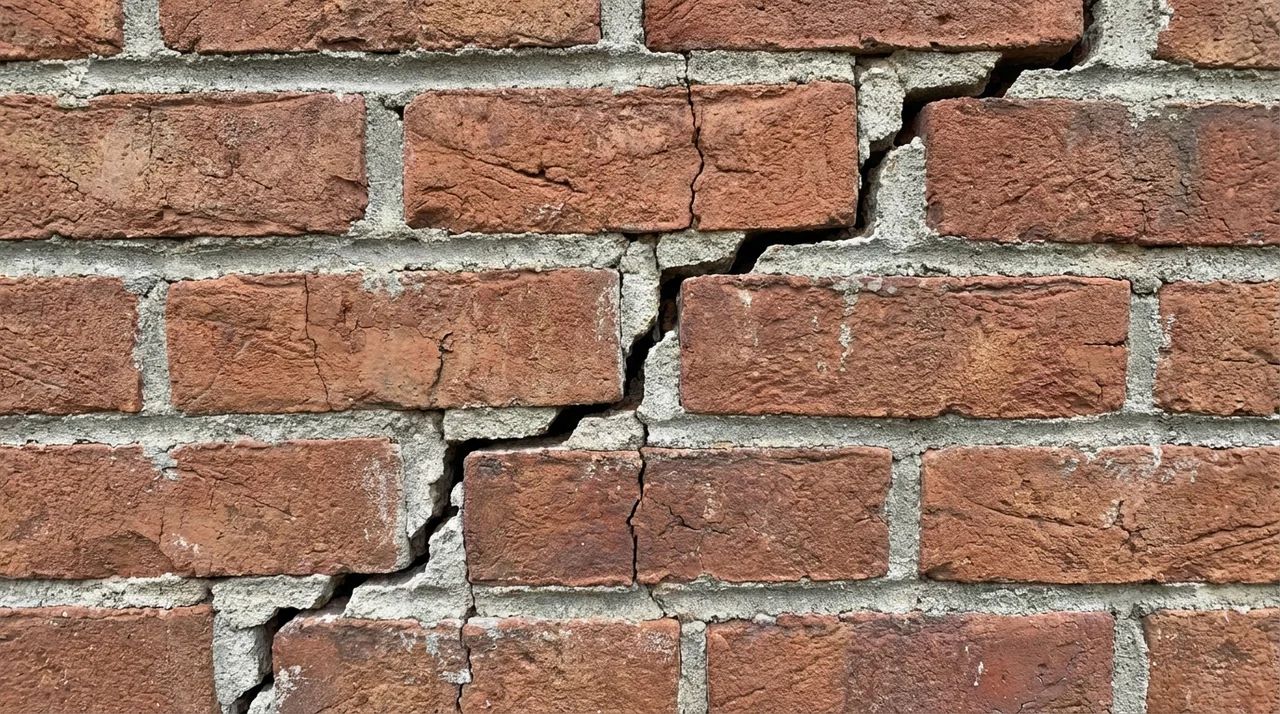
Stair-step cracks follow a zigzag pattern along the mortar joints in brick or block walls. These cracks occur because mortar is weaker than brick, allowing foundation movement to travel through the joints rather than the solid brick or block itself.
- Where They Appear: Exclusively found in masonry walls (brick or block), not drywall or plaster surfaces.
- Risk Level: These cracks are a significant structural concern and should not be ignored. They typically indicate that the foundation is shifting or settling, which requires professional attention.
5. Hairline Cracks
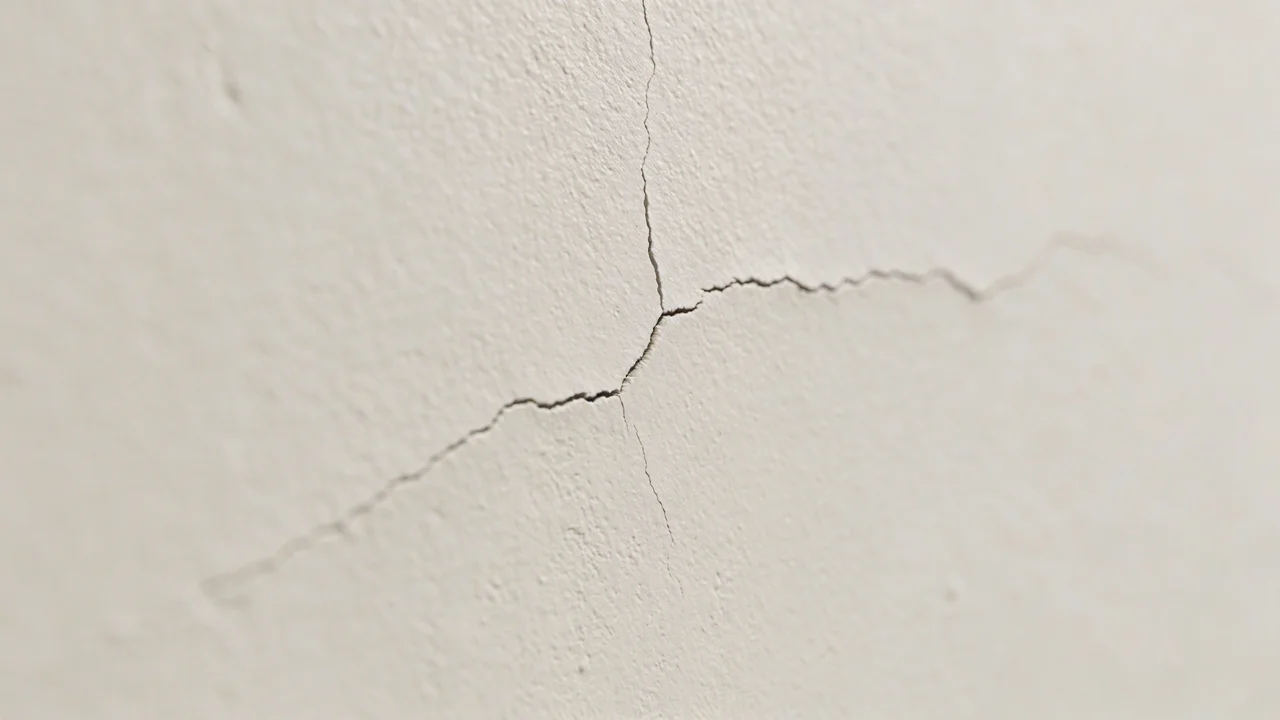
Hairline cracks are very thin, shallow cracks that appear on the surface of plaster, paint, or drywall. These cracks are common in new or freshly plastered walls as the materials shrink slightly during the drying process.
- Common In: Newly constructed homes or walls that have recently been plastered or painted.
- When to Act: Hairline cracks are usually harmless unless they start to widen or appear in large numbers. If they grow over time, they may indicate a deeper issue, but if they stay small and don’t change, they are typically just cosmetic.
6. Map (Crazing) Cracks
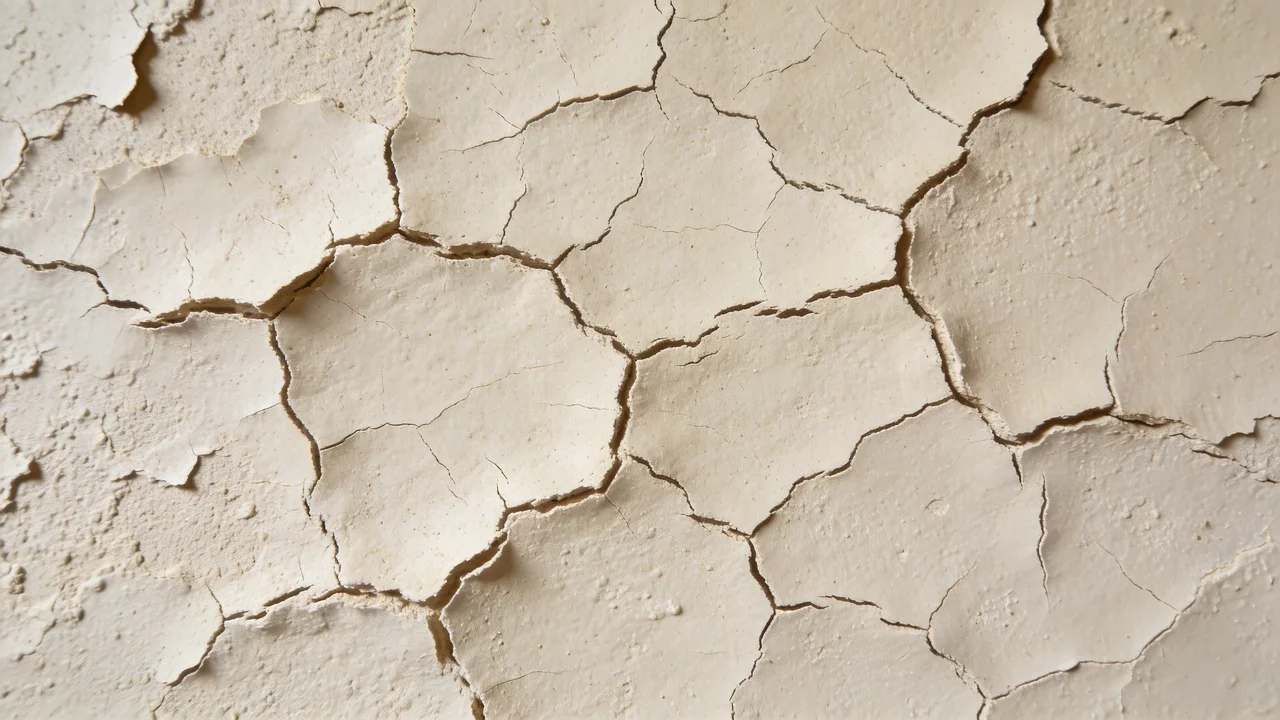
Map cracks create a network of fine, web-like cracks on the surface of plaster or drywall. These cracks form when plaster dries too quickly or when the mixture used was too weak, causing uneven shrinkage across the surface.
- Root Cause: Fast drying of plaster or weak plaster mixes during installation.
- Easy Fix: Map cracks usually do not affect the strength of the wall and can often be remedied by resurfacing the wall. If the cracks are strictly cosmetic, repainting or re-plastering the affected area will fix the issue.
What Crack Width Reveals About Severity
Width is one of the easiest ways to judge how serious a crack might be. A wider crack usually indicates more movement or stress within the wall.
Here is a simple breakdown of what different widths typically mean:
- Less than 1 mm: Surface-level shrinkage. Common in new walls. Usually cosmetic and not a structural concern.
- 1-5 mm: Moderate movement or stress. Worth monitoring. May need repair if it continues to grow.
- More than 5 mm: Significant structural displacement. Needs professional inspection as soon as possible.
Width alone does not tell the full story, though. A crack that started at 1 mm and grew to 3 mm over a few months is more serious than a 4 mm crack that has not changed in years.
Growth over time matters more than the size you see today. Check your cracks every few weeks. Mark the ends with a pencil and note the date.
If the crack extends past your mark, the movement is still ongoing and needs attention.
How Location Changes the Meaning of A Crack
The same crack can mean different things depending on where it appears. The location of a crack within a wall helps determine its severity.
For example, cracks near doors or windows indicate potential settlement issues, while those in load-bearing walls may signal a deeper structural problem that requires urgent attention.
1. Around Doors and Windows
These areas are natural stress points in any wall. Openings break the continuity of the wall, so stress tends to concentrate at the corners.
Diagonal cracks near door or window corners are very common. They usually point to settlement or structural shifting rather than a surface issue.
2. Load-Bearing Walls
Cracks in load-bearing walls pose a greater risk than cracks elsewhere. These walls support the weight of the structure above them.
Any crack on a load-bearing wall, even a moderate one, should be taken seriously:
- It may mean the wall is struggling to handle the load
- Ignoring it can lead to bigger structural problems over time
3. Non-Load-Bearing Walls
Cracks here are less likely to point to structural issues. These walls only divide spaces and do not carry the weight of the structure.
Most cracks in non-load-bearing walls are caused by material shrinkage, temperature changes, or finishing defects. They are usually cosmetic.
4. Basement Walls
Cracks in basement walls are in a different category. These walls hold back soil and water pressure from outside.
A horizontal or diagonal crack in a basement wall needs prompt attention. Water seeping through basement cracks can also further weaken the wall over time.
Where a crack sits on your wall is just as important as what it looks like. Always consider location before deciding how urgent the problem is.
Structural vs. Non-Structural Cracks
Not every crack you see is a danger sign. The most important thing is knowing whether a crack is structural or non-structural. Here is a clear breakdown of the two:
| Factor | Structural Cracks | Non-Structural Cracks |
|---|---|---|
| Cause | Load, pressure, or foundation movement | Shrinkage, temperature changes, or finishing defects |
| Location | Load-bearing walls, basement walls, foundations | Partition walls, plastered surfaces, painted finishes |
| Direction | Horizontal, diagonal, or stair-step | Random, hairline, or map-like patterns |
| Width | Usually 1 mm or more | Usually less than 1 mm |
| Growth | Often widens or spreads over time | Stays the same once fully dried |
| Risk Level | High, needs professional inspection | Low, usually cosmetic repair is enough |
| Common Examples | Horizontal basement cracks, diagonal cracks near openings | Hairline cracks, map or crazing cracks |
A common mistake is assuming every visible crack is dangerous. But if a crack shows signs of movement or sits on a load-bearing wall, always get it checked by a professional.
Warning Signs that Indicate a Serious Crack
Some cracks need immediate attention. Here are the signs that tell you a crack has gone beyond cosmetic and needs a professional look:
- The crack is widening over time. Mark the edges and check back in a few weeks. If it has grown, movement is still happening.
- The crack branches or changes direction. A crack that splits or shifts angle suggests stress is spreading to new areas.
- Doors or windows no longer open or close properly. Misalignment often means the structure around the opening has shifted.
- Water is seeping through the crack. Moisture entering through a crack weakens the wall further and speeds up damage.
- The crack appeared suddenly. A crack that appears overnight or after a specific event, such as heavy rain or nearby construction, needs prompt attention.
Note: Any one of these signs is reason enough to call a professional. Do not wait for multiple signs to appear before acting.
Conclusion
Wall cracks are not all the same, and now you know how to read them with more clarity. You’ve seen how direction, width, and pattern can point to what’s really going on inside your walls.
You also understand the difference between surface-level cracks and ones that may signal structural stress, along with how location plays a role. If a crack is spreading, letting in moisture, or showing up on a load-bearing wall, it’s worth taking it seriously.
Waiting usually makes things worse and more expensive to fix. If something feels off, getting a professional to take a look early can save you a lot of trouble later.
Frequently Asked Questions
Can Wall Cracks Affect the Resale Value of a Home?
Yes. Visible structural cracks can significantly reduce a property’s value. Buyers and inspectors treat them as red flags, often leading to lower offers or failed inspections.
Should I Fill a Crack Before Checking What Caused It?
No. Filling a crack without finding the cause only hides the problem. The crack will likely return if the underlying issue is not fixed first.
Is It Safe to Live in a House with Wall Cracks?
Most hairline or non-structural cracks pose no immediate risk. However, if cracks are on load-bearing walls or are widening, get a structural inspection done quickly.