Designing Homes That Support Recovery and Wellbeing
The spaces we live in have a profound impact on our mental, emotional and physical health. We’ve all heard the term “tidy house, tidy mind” and there is a lot of truth in that.
When it comes to addiction, a thoughtfully designed home can have a huge positive impact for the recovery process, supporting stability and long-term wellbeing. And it doesn’t actually take all that much to make it a comforting and safe space.
Homes really can become a place of healing and here are some top tips for transforming your home into a place that really does support recovery…
The Importance of Environment in Recovery
Recovery is not only shaped by internal effort but also by external surroundings. A chaotic, cluttered, or unsafe living space can increase anxiety and make it harder to maintain healthy habits. In contrast, a calm and organised home can promote a sense of control and reassurance.
Environmental psychology suggests that our surroundings influence behaviour, mood, and decision-making. For someone in recovery, even small design choices, such as lighting, colour, and layout, can affect emotional regulation and stress levels. Creating a supportive home environment is therefore a practical and powerful step in maintaining progress.
Creating Calm and Comfortable Spaces
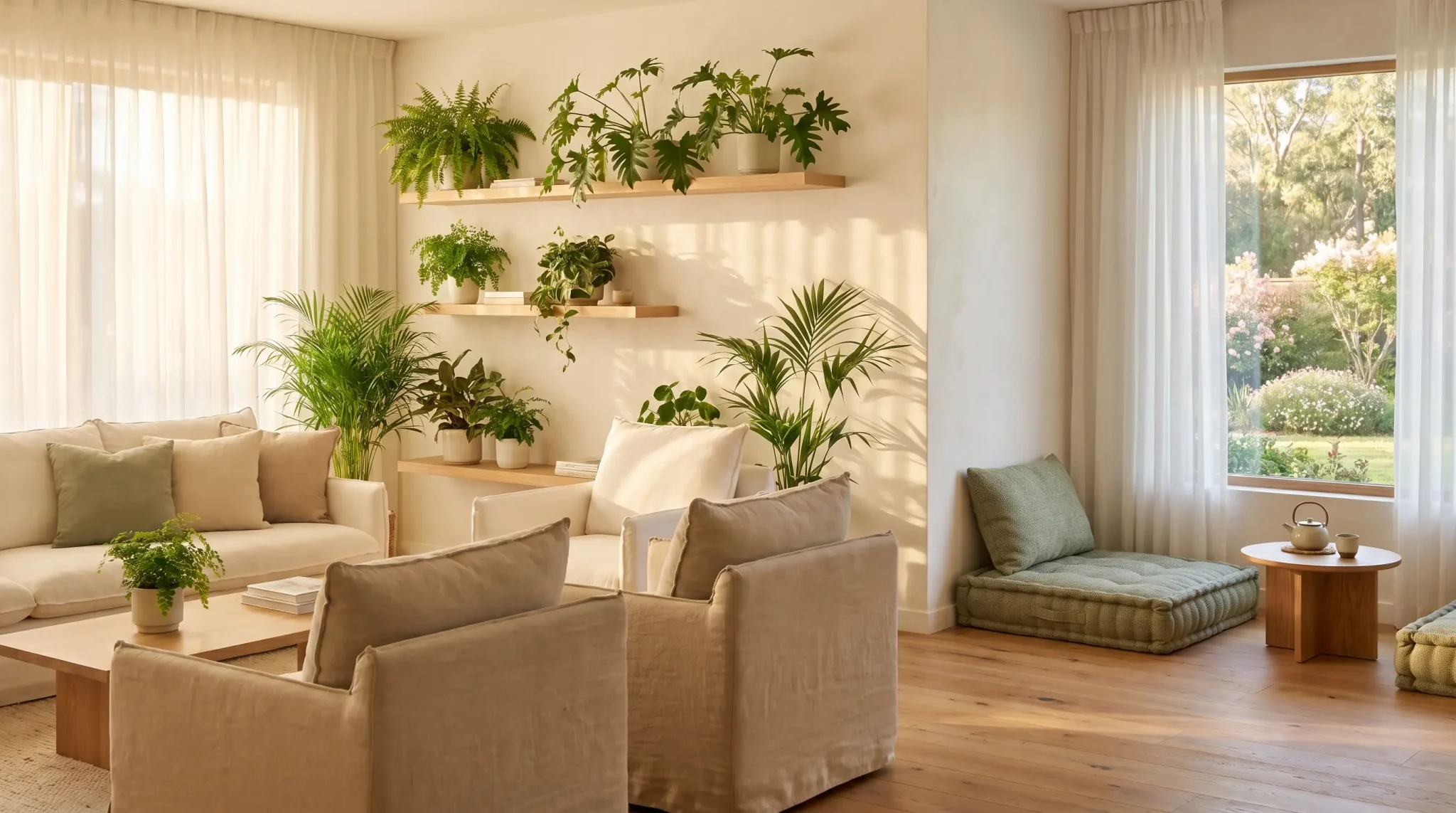
One of the key principles in designing a recovery-friendly home is fostering calm. Soft, neutral colours, comfortable furnishings, and natural materials can help create a soothing atmosphere. Overly bright or harsh environments may feel overwhelming, particularly for those dealing with anxiety or sensory sensitivity.
Lighting is especially important. Maximising natural light can improve mood and regulate sleep patterns, both of which are crucial for recovery. Where natural light is limited, warm, adjustable lighting can provide a similar effect.
Comfort should also be prioritised. Simple additions such as cosy seating, soft textiles, and personal touches can make a space feel safe and welcoming. A home that feels comfortable encourages individuals to spend time there in healthy and restorative ways.
Encouraging Routine and Structure

A well-designed home can support daily routines, which are essential for long-term wellbeing. Clear, functional spaces for different activities, such as cooking, sleeping, working, and relaxing, help reinforce structure and consistency.
For example, a tidy and accessible kitchen can encourage regular, healthy meals, while a dedicated sleeping area that is free from distractions can improve sleep quality. Even small organisational systems, such as labelled storage or daily planners, can make routines easier to maintain.
Consistency in the home environment can also reduce decision fatigue, allowing individuals to focus their energy on recovery rather than navigating unnecessary stress.
Reducing Triggers and Promoting Safety
For those recovering from alcohol/drug withdrawal or trauma, certain objects, environments, or associations can act as triggers. Designing a home with awareness of these factors is crucial.
This might involve removing items linked to past harmful behaviours or creating boundaries around certain spaces. For example, keeping alcohol or other substances out of the home can reduce temptation and support abstinence.
Safety is equally important. Secure, well-maintained living spaces can provide peace of mind, while features such as good lighting, locks, and clear layouts help individuals feel protected. Emotional safety, feeling at ease and free from judgement, is just as vital as physical security.
Incorporating Nature and Mindfulness
Bringing elements of nature into the home can significantly enhance wellbeing. Plants, natural light, and views of outdoor spaces have been shown to reduce stress and improve mood. Even in urban environments, small touches such as indoor plants or nature-inspired décor can make a difference.
Spaces that encourage mindfulness and reflection can also support recovery. This might include a quiet corner for reading, meditation, or journalling. These areas do not need to be large or elaborate; what matters is that they provide a sense of peace and intentionality.
Creating opportunities for mindfulness within the home can help individuals manage stress, process emotions, and stay grounded in their recovery journey.
A Foundation for Long-Term Wellbeing
Designing homes that support recovery is not about perfection or expensive renovations. Rather, it is about creating an environment that nurtures stability, comfort, and positive habits. Thoughtful design can reinforce healthy behaviours, reduce stress, and provide a strong foundation for long-term wellbeing.
Ultimately, a supportive home is one that reflects care, both for the space itself and for the person living in it. By recognising the connection between environment and recovery, individuals and communities can take meaningful steps towards building homes that truly heal.