
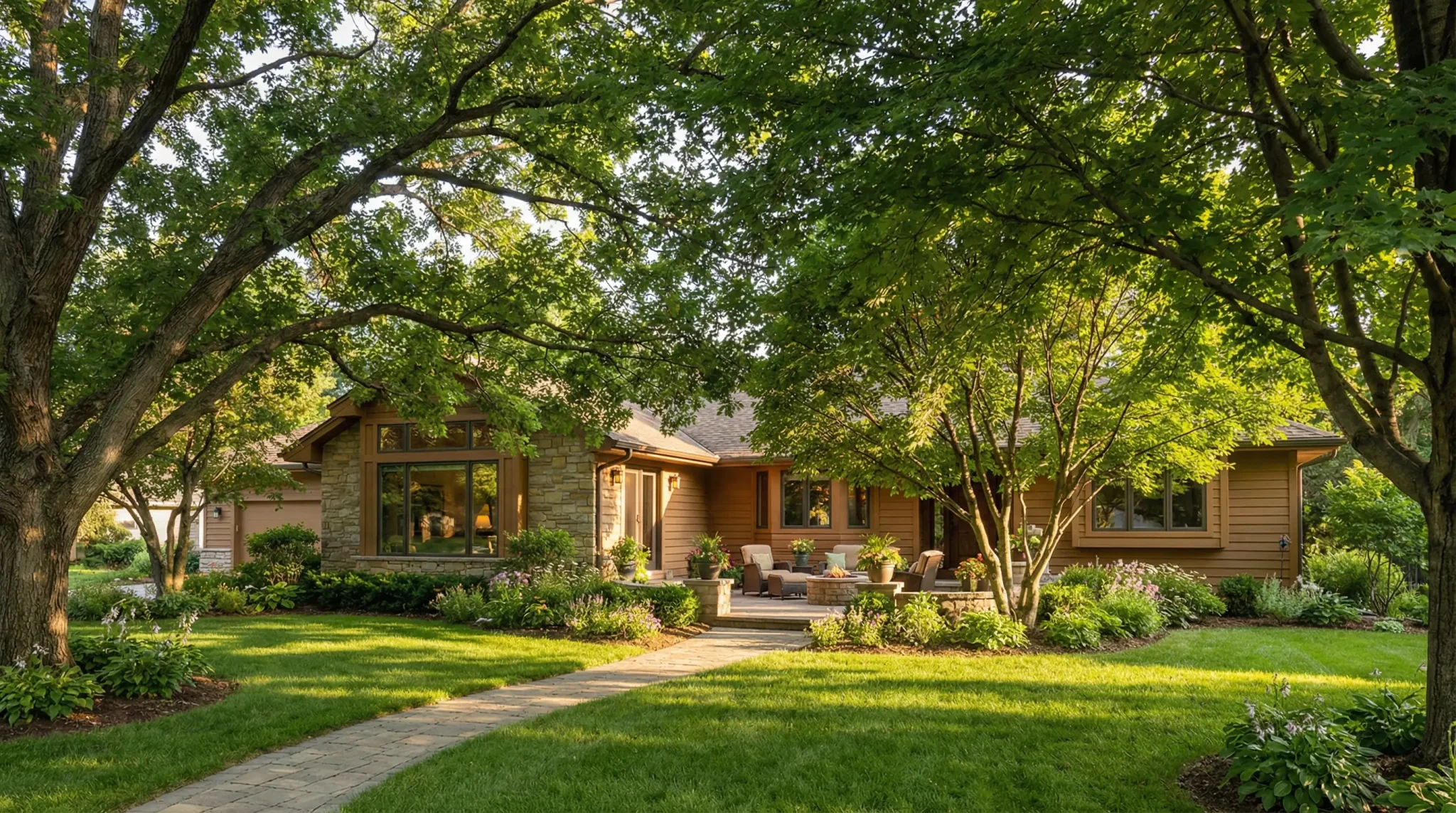
How Professional Tree Care Can Transform Your Home’s Curb Appeal and Outdoor Living Space
Your home’s exterior speaks volumes before anyone steps through the front door. While many homeowners focus on paint colors, landscaping beds, and outdoor furniture, the trees on your property often remain an afterthought. Yet these living structures are among the most impactful elements shaping your home’s character, curb appeal, and overall property value.
Whether you have a sprawling suburban lot dotted with mature oaks or a modest backyard with a few ornamental trees, understanding how to care for them properly can completely transform your outdoor space. For homeowners in Central New Jersey, working with experienced professionals like Wayne’s Tree Service ensures that your trees remain healthy, beautiful, and safe throughout every season.
The Hidden Impact of Trees on Home Design
Trees do far more than provide shade on hot summer days. They serve as natural architectural elements that frame your home, create visual interest, and establish the overall mood of your outdoor space. A well-placed tree can soften harsh building lines, provide privacy from neighbors, and even reduce energy costs by shading your home during peak summer months.
However, neglected trees can have the opposite effect. Overgrown branches can obscure beautiful architectural details, dead limbs can create safety hazards, and diseased trees can spread problems to nearby plants. This is why regular tree maintenance should be part of every homeowner’s property care routine.
Signs Your Trees Need Professional Attention
Knowing when to call in professionals can save you money and prevent property damage. Keep an eye out for these warning signs that indicate your trees may need expert care.
Dead or hanging branches are obvious hazards that should be addressed immediately. These can fall during storms or even on calm days, potentially damaging your roof, vehicles, or outdoor living areas. Cracks in the trunk or major limbs suggest structural weakness that could lead to catastrophic failure.
Trees that lean noticeably or have exposed roots may be experiencing foundation problems. While some lean is natural, a sudden change in a tree’s posture often indicates root damage or soil instability. Fungal growth at the base, unusual bark patterns, or excessive leaf drop outside of autumn can all signal disease or pest infestation.
Branches growing too close to your home, power lines, or other structures create both safety concerns and potential property damage. Professional tree trimming can address these issues while maintaining the tree’s natural shape and health.
Creating Functional Outdoor Spaces Through Strategic Tree Management
Modern homeowners increasingly view their yards as extensions of their living space. From outdoor kitchens and dining areas to meditation gardens and play zones, the possibilities are endless. However, trees play a crucial role in making these spaces comfortable and usable.
Consider how morning and afternoon sun moves across your property. A strategically placed tree or thoughtfully pruned canopy can create dappled shade over a patio, making it comfortable even during the hottest parts of the day. Conversely, removing lower branches or thinning a dense canopy can allow more light into shaded garden beds or solar panel arrays.
Privacy is another consideration. Rather than installing artificial fencing, many homeowners use trees and shrubs to create natural screening. Evergreen varieties provide year-round coverage, while deciduous trees offer privacy during the seasons you spend the most time outdoors.
The Relationship Between Trees and Home Value
Real estate professionals consistently report that mature, well-maintained trees can add significant value to a property. Studies suggest that homes with quality landscaping, including healthy trees, can command premiums of ten to fifteen percent over comparable properties without such features.
However, the reverse is also true. Properties with dead, dying, or hazardous trees may face reduced valuations and longer time on the market. Potential buyers often view problematic trees as expensive liabilities that will require immediate attention after purchase.
Investing in professional tree care before listing your home can yield substantial returns. Even if you have no plans to sell, maintaining your trees protects your investment and ensures you continue enjoying the benefits they provide.
Stump Removal and Land Clearing for New Projects
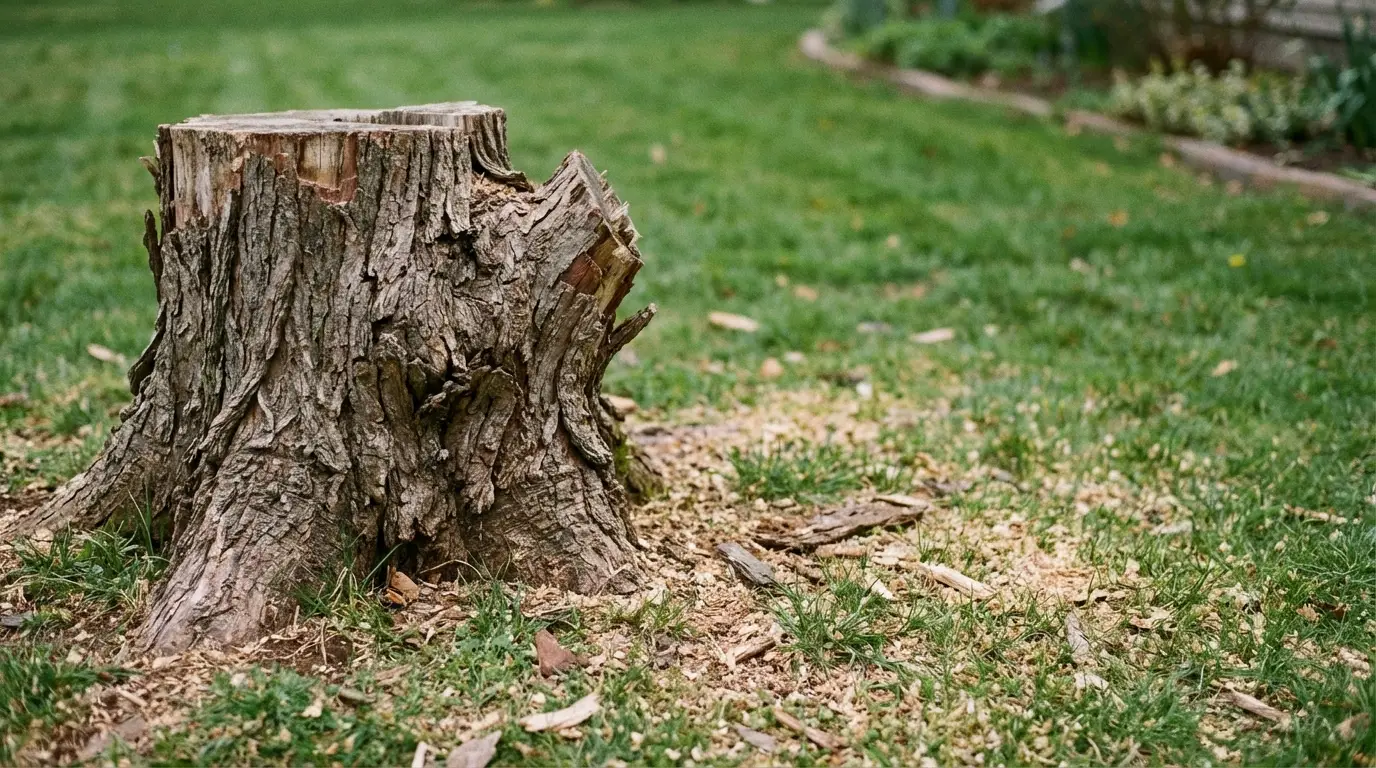
Sometimes the best thing you can do for your property is remove a tree entirely. This might be necessary when a tree has died, become diseased beyond recovery, or simply outgrown its location. Old stumps left behind from previous removals can also detract from your landscape’s appearance while creating tripping hazards and attracting pests.
Professional stump grinding eliminates these eyesores and frees up space for new plantings, lawn expansion, or hardscape projects. If you are planning a major landscaping renovation, patio installation, or home addition, land clearing services can prepare your property efficiently and safely.
Choosing the Right Trees for Your Property
Adding new trees to your landscape is an investment in the future. Unlike annuals that provide instant gratification or perennials that establish within a few seasons, trees take years to reach maturity. Choosing the right species for your climate, soil conditions, and available space is essential.
Consider the tree’s mature size when selecting planting locations. That adorable sapling from the nursery may eventually reach sixty feet tall with a forty-foot canopy spread. Planting too close to your home, driveway, or utility lines creates future problems that could have been easily avoided with better planning.
Native species generally require less maintenance and provide better habitat for local wildlife. They have evolved to thrive in your region’s conditions and typically resist local pests and diseases better than exotic alternatives.
Seasonal Tree Care Considerations
Different seasons present different challenges and opportunities for tree care. Understanding this cycle helps you plan maintenance activities effectively.
Late winter and early spring, before new growth begins, is often the ideal time for major pruning work. Trees are dormant, making it easier to see their structure and identify problem areas. Wounds heal quickly once spring growth resumes.
Summer is prime time for monitoring tree health and addressing pest or disease issues before they spread. It is also when storm damage is most likely, making regular inspections particularly important.
Fall brings leaf cleanup duties but also opportunities for planting new trees. Cooler temperatures and autumn rains help new plantings establish root systems before winter dormancy.
Winter storms can cause significant damage to trees weakened by age, disease, or poor structure. Having a relationship with a reliable tree service means you can get prompt attention when emergencies arise.
The Safety Factor
Perhaps no aspect of tree care is more important than safety. Trees near homes, power lines, play areas, and driveways require regular attention to prevent accidents. Falling branches, toppling trees, and even root damage to foundations can cause injuries and expensive property damage.
Professional arborists have the training, equipment, and insurance to handle dangerous tree work safely. Attempting to remove large branches or fell trees without proper expertise puts you and your property at serious risk. The modest cost of professional service is a small price compared to the potential consequences of a DIY disaster.
Integrating Tree Care Into Your Overall Landscape Plan
The most successful outdoor spaces result from thoughtful planning that considers all elements working together. Trees should complement your garden beds, hardscape features, and outdoor living areas rather than competing with them.
When planning new installations, consider how existing trees will affect the project. Root zones extend far beyond the visible canopy and can be damaged by excavation or heavy equipment. Protecting established trees during construction requires advance planning and sometimes temporary barriers.
Conversely, new plantings should account for existing tree locations. Shade gardens beneath mature trees offer different planting opportunities than sunny borders. Understanding your property’s microclimates helps you select plants that will thrive in each location.
Making the Investment in Professional Care
While basic tasks like watering new plantings and raking leaves are perfectly suited for homeowner involvement, significant tree work belongs in professional hands. Licensed arborists understand tree biology, proper pruning techniques, and safe work practices that protect both workers and property.
Look for companies with proper credentials, insurance coverage, and solid reputations. Reviews from neighbors and online platforms can help identify reliable providers. Avoid anyone who recommends topping trees, as this outdated practice causes more harm than good, or who cannot provide proof of insurance.
Final Thoughts
Your trees are among the most valuable natural assets on your property. With proper care, they will provide beauty, shade, wildlife habitat, and increased property value for generations. Neglected, they become liabilities that detract from your home’s appearance and create potential hazards.
Taking a proactive approach to tree care transforms your outdoor space from ordinary to exceptional. Whether you need routine maintenance, emergency storm response, or help planning new plantings, investing in professional expertise pays dividends in safety, beauty, and lasting value for your home.


