The Most Overlooked Areas of Home Maintenance
Owning a home comes with a long list of responsibilities, and most homeowners do a decent job of keeping up with the obvious ones. Things like mowing the lawn, fixing a leaky faucet, or replacing a broken light switch tend to get handled quickly because they are visible and hard to ignore. But there is a whole category of maintenance tasks that quietly slips through the cracks, and these are often the ones that end up costing the most in the long run. The wear and tear that builds up in forgotten corners of a house can lead to serious problems if left unchecked for too long.
Keeping the Garage in Working Order
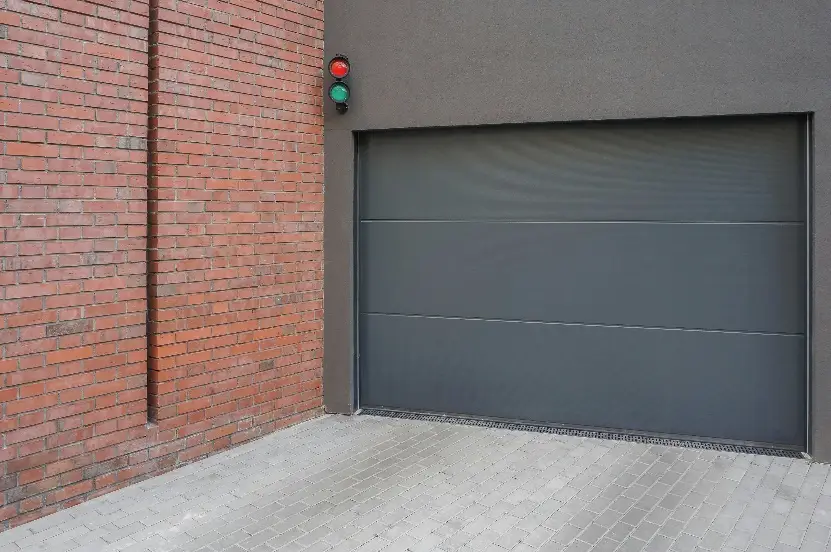
The garage is one of those spaces that most people walk through every single day without giving it a second thought. It serves as a storage area, a workspace, and often the main entry point into the house. Yet it rarely gets the same attention as the kitchen or the bathroom when it comes to upkeep. The floor can develop cracks over time, weatherstripping around the edges can deteriorate, and the mechanical components that keep everything running smoothly can slowly wear down without anyone noticing.
One area that deserves far more attention than it typically receives is the moving hardware that operates the main entry panel of the garage. Springs, rollers, tracks, and hinges all experience significant stress through repeated use, and when one component starts to fail, it puts extra strain on everything else. Routine garage door maintenance can prevent small issues from snowballing into expensive repairs or, worse, a complete system failure that leaves the space inaccessible. Lubricating the tracks, tightening loose bolts, and checking the balance of the panel are all simple tasks that take very little time but make a significant difference over the months and years.
Gutters and Downspouts
Gutters might be one of the most universally neglected parts of any home. They sit up along the roofline, out of sight and out of mind, doing their job quietly until they stop working altogether. When leaves, twigs, and debris pile up inside them, water has nowhere to go. It backs up, spills over the edges, and starts pooling around the foundation. Over time, that pooling water can seep into basements, erode landscaping, and even compromise the structural integrity of the foundation itself.
Cleaning gutters at least twice a year, once in the spring and once in the fall, can prevent all of that. It is also worth checking the downspouts to make sure water is being directed far enough away from the base of the house.
The Water Heater
Most homeowners do not think about the water heater until the morning they step into a cold shower. This appliance works hard every single day, heating and storing water around the clock, and it has a limited lifespan. Sediment from the water supply gradually builds up at the bottom of the tank, reducing efficiency and accelerating wear on the internal components.
Flushing the tank once a year helps clear out that sediment and keeps the unit running efficiently. It is also a good idea to check the pressure relief valve periodically. This small component plays a critical safety role, and if it fails, the consequences can be serious.
Caulking and Weatherstripping
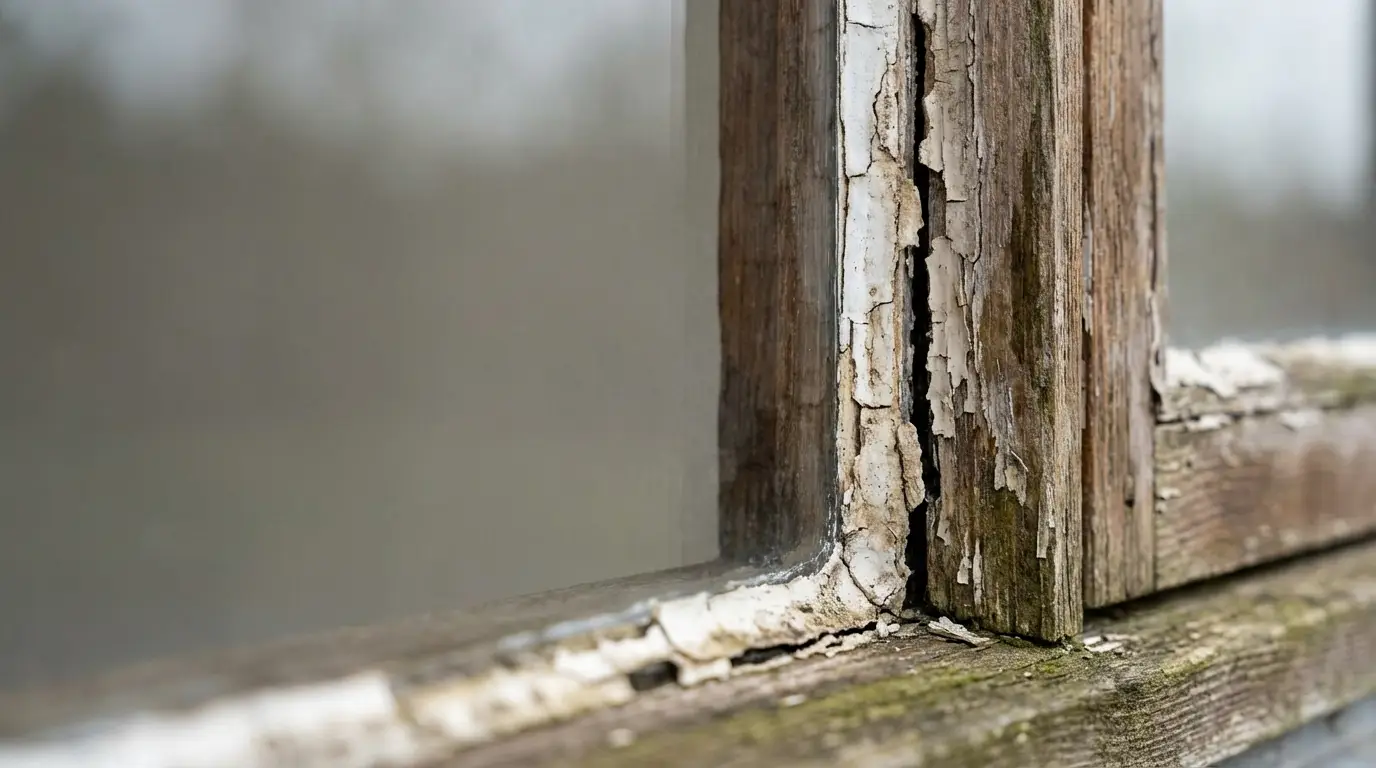
Sealants around windows, doors, bathtubs, and sinks break down over time. Caulking dries out, cracks, and peels away, leaving gaps that allow air and moisture to get in where they should not be. Weatherstripping around exterior doors compresses and loses its effectiveness after years of use. These are small, inexpensive fixes, but most people do not notice the deterioration until they feel a draft or spot mold growing along a windowsill.
Walking through the house once a year with a careful eye on all the sealed joints can catch problems early. Replacing old caulking is a straightforward task that requires no special skills, and fresh weatherstripping on exterior doors can make a noticeable difference in comfort and energy efficiency, especially during extreme temperatures.
The Attic and Crawl Spaces
Attics and crawl spaces are the parts of a house that people actively avoid. They are cramped, dusty, and uncomfortable, which is exactly why problems in these areas tend to go undetected for long stretches. Poor ventilation in an attic can trap heat and moisture, leading to mold growth, wood rot, and a shortened lifespan for roofing materials. Crawl spaces can develop moisture issues that attract pests and promote the growth of mildew.
Checking these spaces at least once or twice a year can reveal problems that would otherwise remain hidden for years. Looking for signs of water intrusion, making sure insulation is in good condition, and verifying that vents are unobstructed are all simple checks that protect the long-term health of the home.
Exterior Paint and Siding
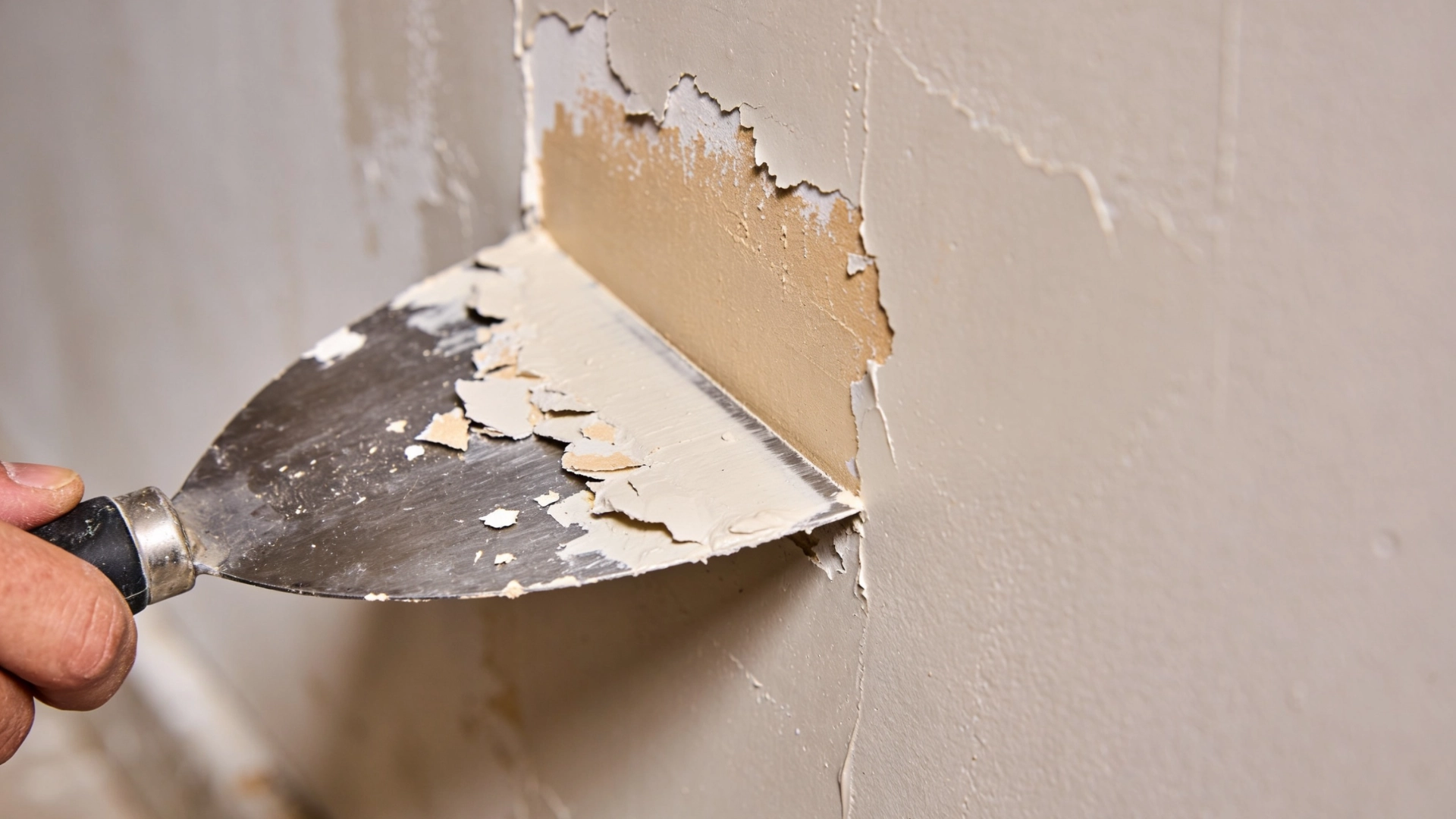
The exterior of a house takes a beating from the sun, wind, rain, and temperature swings. Paint fades, chips, and peels. Siding can crack, warp, or develop gaps at the seams. These are not just cosmetic concerns. The exterior finish of a house serves as its primary defense against moisture. Once that barrier is compromised, water can get into the underlying structure and cause rot, mold, and insect damage.