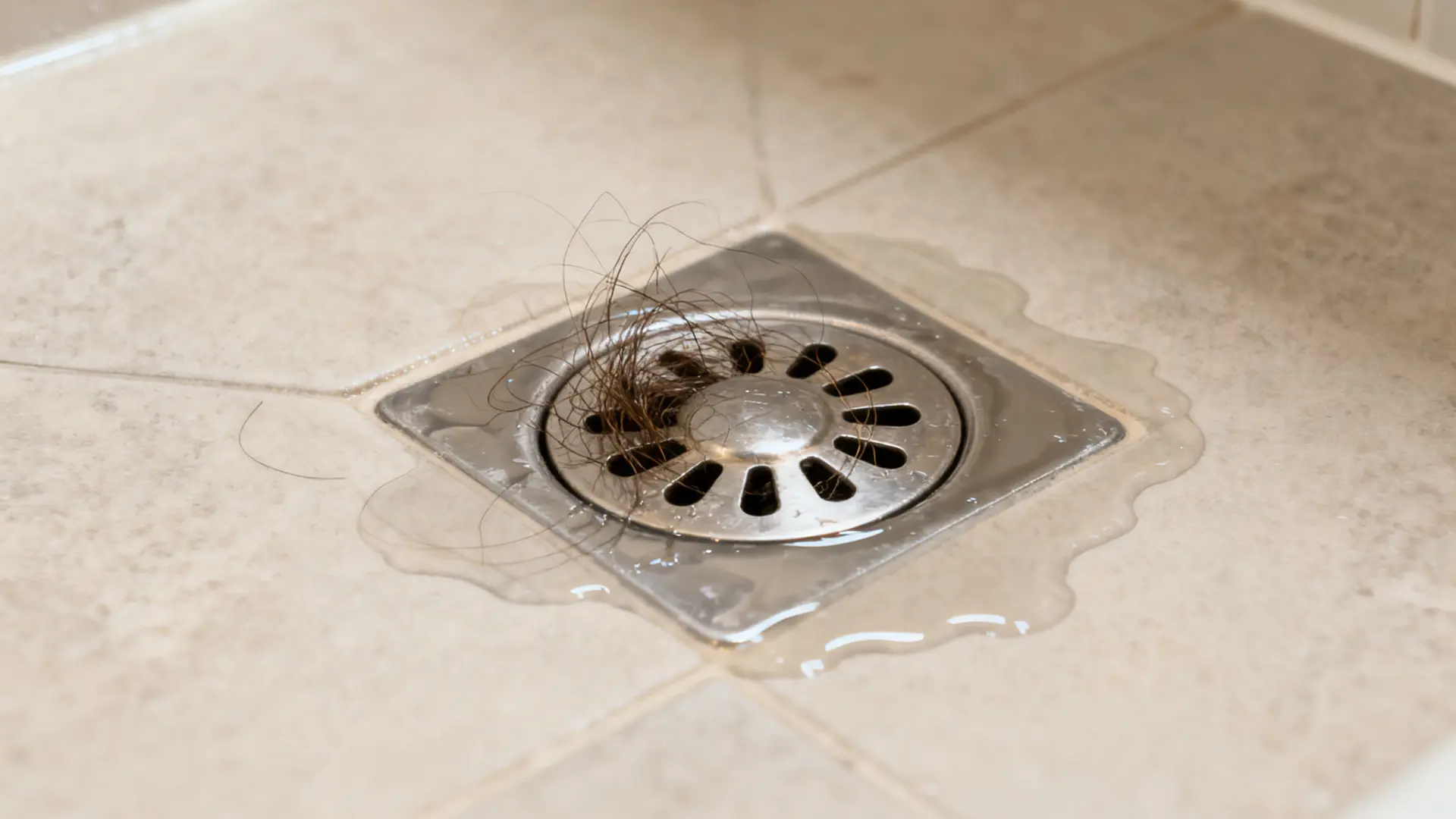
Clogged Shower Drain? Here’s How to Fix It Fast
Nobody notices a clogged shower drain until it’s already a problem.
It starts quietly, a little pooling and sluggishness, and then suddenly your shower feels less like a shower and more like a shallow bath you didn’t ask for.
Most fixes people reach for first either don’t last or don’t work at all. And that’s usually because the real cause is sitting somewhere nobody bothered to look.
Getting it right the first time takes less effort than you’d think, but it does take knowing exactly what you’re dealing with.
Why Shower Drains Get Clogged?
A clogged shower drain is usually the result of two things hair and soap scum. Hair accumulates inside the drain over time, forming a tangle that blocks water flow.
Soap scum forms when water minerals react with soap, leaving a sticky residue on pipe walls that traps hair and debris.
Together, they gradually narrow the pipe until drainage slows or stops completely.
A few factors can accelerate this:
- Hard water increases mineral build-up with every shower
- Thick products like conditioner and shaving cream add to residue
- Infrequent cleaning allows build-up to harden over time
Surface Clogs vs. Deep Pipe Clogs: How to Tell the Difference
The symptom your drain shows tells you where the blockage sits before you touch a single tool.
A surface clog drains slowly but eventually clears. Water takes longer than normal but doesn’t pool at your feet for the entire shower.
The blockage is sitting just below the drain cover or in the first few inches of pipe. Manual removal will almost always fix this.
A deep clog means water is not draining at all or is backing up across the shower floor.
If clearing visible debris from the drain opening doesn’t help, the blockage has likely reached the P-trap, the curved pipe section beneath the floor, and a drain snake will be necessary.
What You’ll Need Before You Start
What you grab depends on how severe the clog is, but having the right items within reach means you won’t need to stop midway through.
Tools and materials to have on hand:
- Rubber gloves
- Zip-it tool or plastic hair snake
- Wire hanger (as a substitute if needed)
- Cup plunger
- Drain snake or auger
- Baking soda and white vinegar
- Dish soap
- Screwdriver (some drain covers require one to remove)
- Towels or a bucket if water has backed up
Safety note: If you plan to use a chemical drain cleaner, ventilate the bathroom first by opening a window or running the exhaust fan. Never mix chemical cleaners with vinegar or any other household product, as the reaction can release harmful fumes.
How To Unclog A Shower Drain: Different Methods
Choose the method that matches your clog type, from quick manual fixes to tools that reach deeper blockages in the pipe.
Method 1: Manual Removal
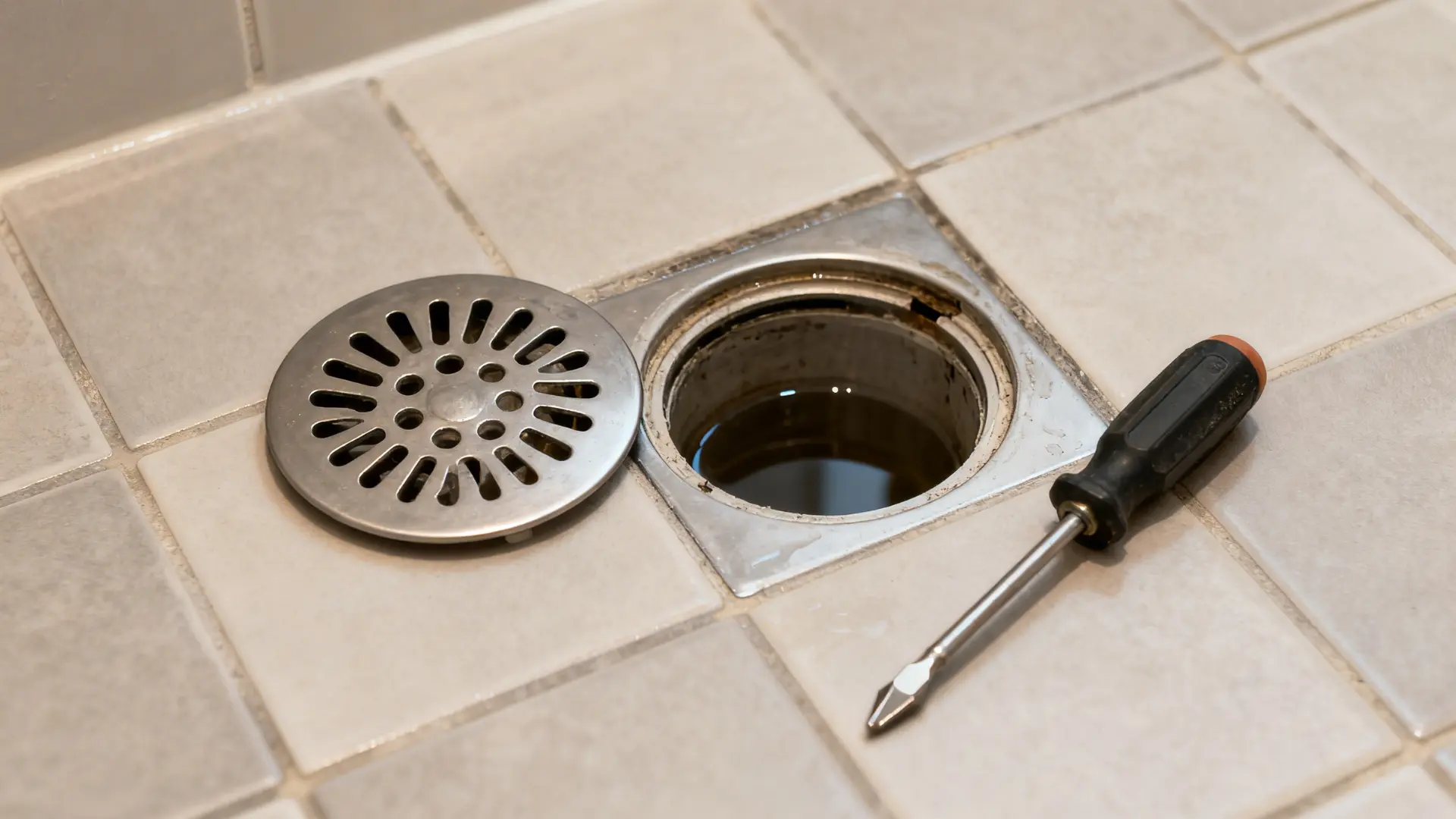
The simplest approach that costs nothing and requires no products, just gloves and a basic tool. Before trying anything else, this is always where you start.
- Works best for clogs sitting just below the drain cover
- Clears most blockages in under five minutes
- Prevents unnecessary use of chemicals or tools on a clog that doesn’t need them
Method 2: Baking Soda and Vinegar
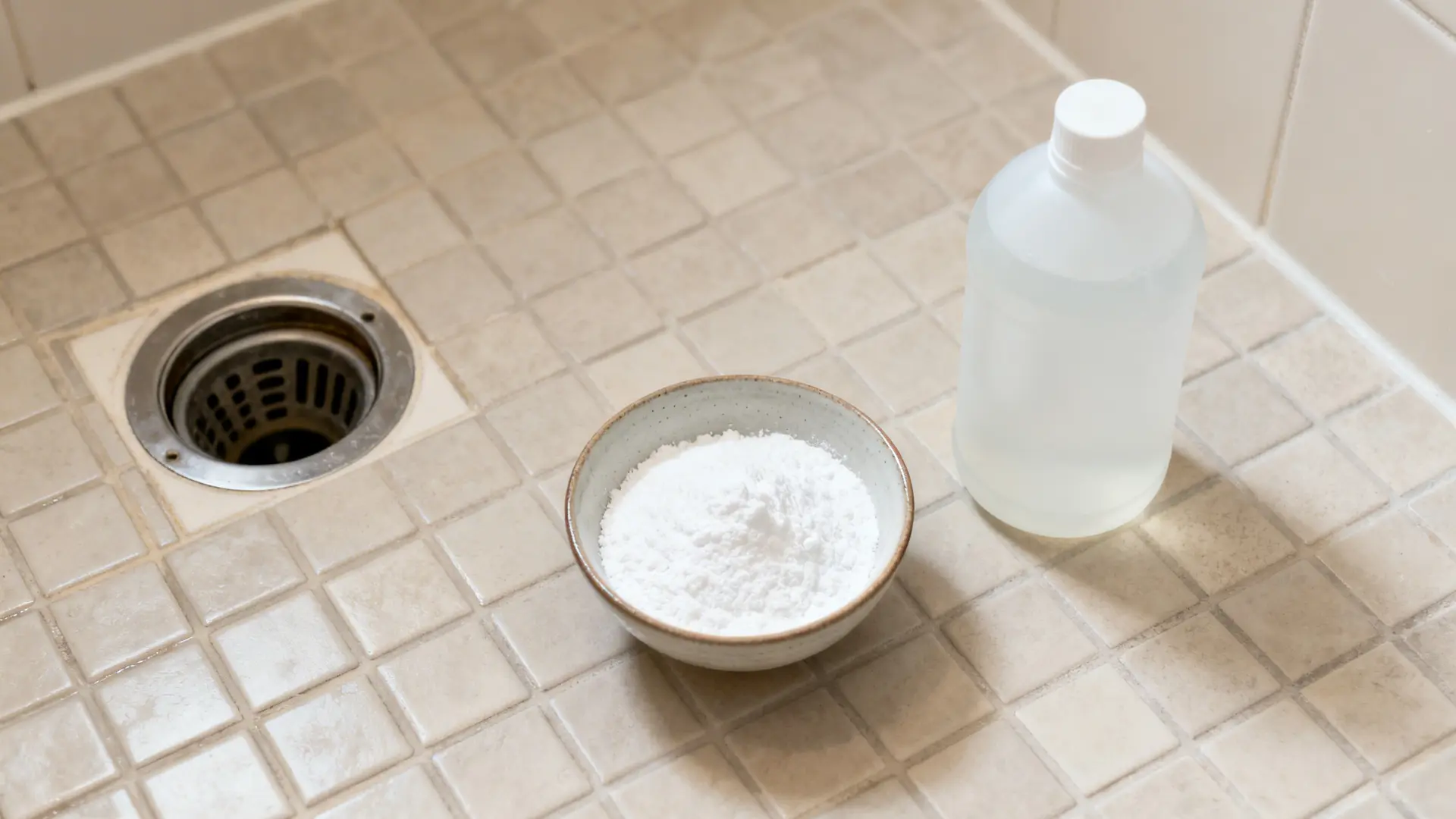
A chemical-free option that targets what manual removal leaves behind, soap scum and light residue coating the pipe walls.
It is safe for all pipe types, including PVC and older plumbing, making it a practical follow-up step after hair has already been pulled out manually.
On its own, however, it won’t do much against dense or compacted hair clogs.
Method 3: Plunger
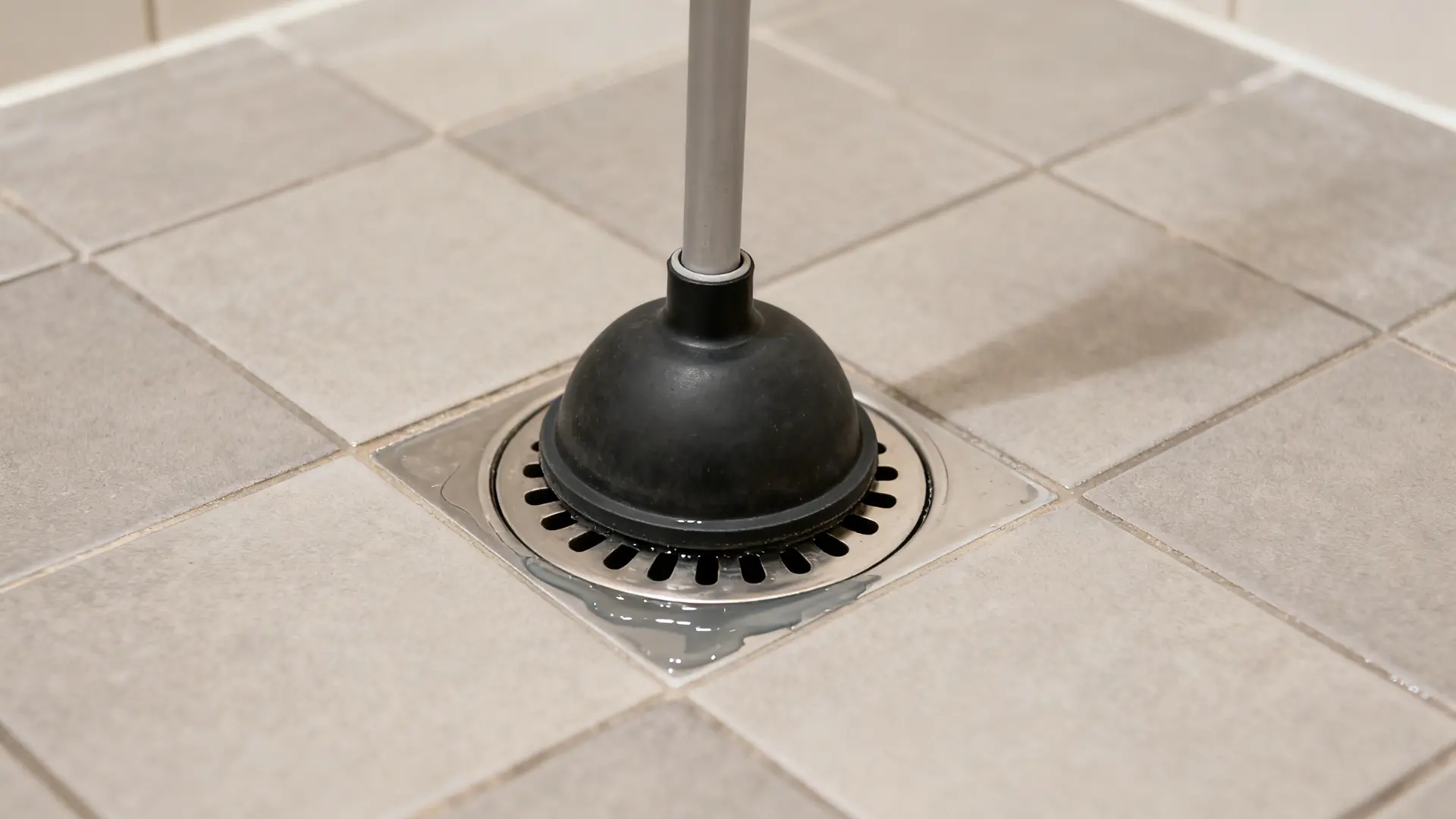
When debris has moved past the drain opening but hasn’t hardened deep in the pipe, pressure is what dislodges it.
It creates suction that loosens blockages without breaking them apart manually, but only works effectively with the right cup-style plunger that seats properly on a flat shower floor.
This method delivers the best results when water is pooling but still draining, even if slowly.
Method 4: Drain Snake or Auger
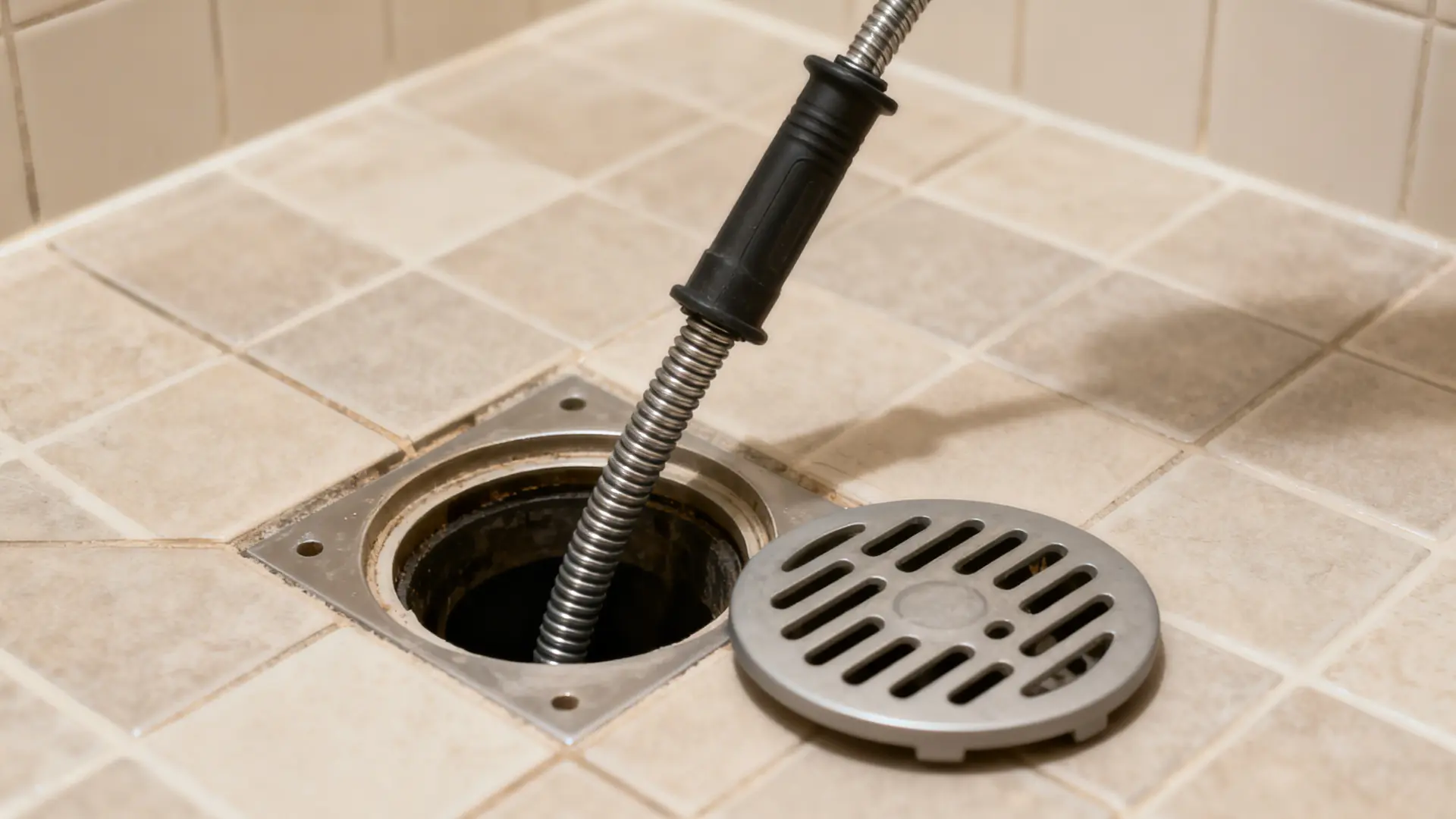
For blockages that sit beyond what hands, fizzing solutions, or suction can reach, a snake goes directly to the source.
- Physically breaks through or retrieves compacted material deep in the pipe
- The go-to method when repeated clogs keep returning every few weeks
- Effective even when all previous methods have already failed
Simple Ways to Prevent Shower Drain Clogs
Clearing a clog is one thing. Keeping the drain clear is what prevents you from having to repeat the process every few months.
- Use a drain hair catcher. Sits over the drain opening and stops hair from entering the pipe entirely.
- Run hot water after every shower. Flushes soap and oil residue through before it sticks to pipe walls.
- Do a monthly baking soda-and-vinegar flush. Prevents soap scum from accumulating and hardening between your regular cleanings.
- Watch what goes down the drain. Rinse thick conditioners and shaving cream away thoroughly rather than letting them pool.
When to Call a Plumber?
If none of the methods above have improved drainage, the clog keeps returning every few weeks, or multiple drains in your home are backing up simultaneously, the problem is beyond the reach of DIY. A persistent sewage smell is another sign that professional help is needed.
Conclusion
A clogged shower drain is one of those problems that feels bigger than it actually is.
Now that you know what causes it, how to read the symptoms, and which method matches your specific situation, you’re fully equipped to handle it without guessing.
Start with manual removal, work your way through each method if needed, and don’t forget that consistent maintenance is what keeps the problem from coming back.
Most clogs never need a plumber, just the right approach applied in the right order.
Keep a hair catcher in place, do your monthly flush, and your drain will stay clear far longer than you’d expect.
Tried one of these methods on your clogged shower drain? Drop your experience or favorite fix in the comments below; we’d love to hear what worked!
Frequently Asked Questions
How Often Should I Clean My Shower Drain?
A quick manual check every 2-3 weeks prevents hair buildup and blockages. Combine it with a monthly baking soda and vinegar flush to keep drains clear without major fixes. Regular maintenance is simpler than fixing a blocked drain.
Is It Safe to Use Chemical Drain Cleaners in a Shower Drain?
Chemical drain cleaners can damage PVC pipes and corrode old plumbing, so most plumbers advise against regular use. The methods here are safer, cheaper, and effective for most shower drain clogs. If all methods fail, call a plumber instead of using harsh chemicals.
Does vinegar work better than drano?
Vinegar works well for light soap scum and residue but won’t break through dense clogs. Drano is stronger, though it risks damaging pipes with regular use. For most clogs, vinegar is the safer first choice.