
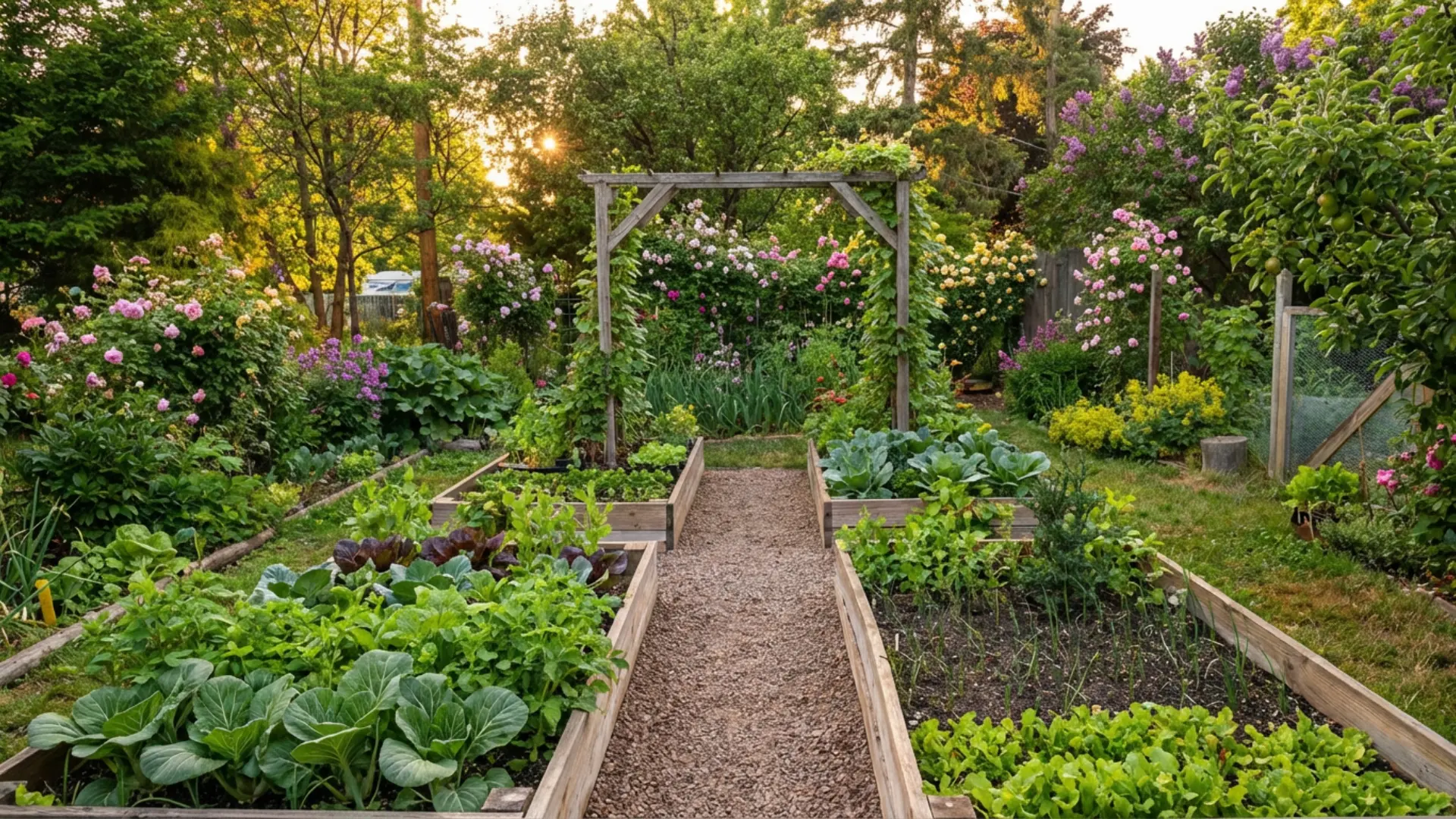
Lasagna Gardening: No Dig Soil Method
Layers of cardboard, kitchen scraps, and dry leaves, and somehow, a thriving garden grows out of it.
That’s the quiet magic of lasagna gardening, a method that works with nature rather than against it.
No digging, no tilling, no backbreaking soil prep. Just organic materials stacked in a specific way, slowly transforming into something remarkable beneath the surface.
The soil it creates is unlike anything you’d get from conventional methods, rich, alive, and teeming with activity.
What happens in those layers, and why it works so well, is worth understanding carefully.
What Is Lasagna Gardening?
Lasagna gardening is a no-dig gardening method that builds soil by layering organic materials.
Instead of digging or tilling, gardeners place compostable materials directly on the ground.
This method works by stacking layers of natural materials such as cardboard, leaves, grass clippings, compost, and kitchen scraps.
Over time, these layers break down, forming rich soil where plants can grow. The process is similar to composting, but it happens directly in the garden bed.
Lasagna gardening also helps retain moisture, reduce weeds, and improve soil structure. Because the soil is undisturbed, beneficial organisms such as worms and microbes remain active and healthy.
Over time, the layered materials break down into loose, fertile soil that supports vigorous plant growth.
How does the Layering Method Work?
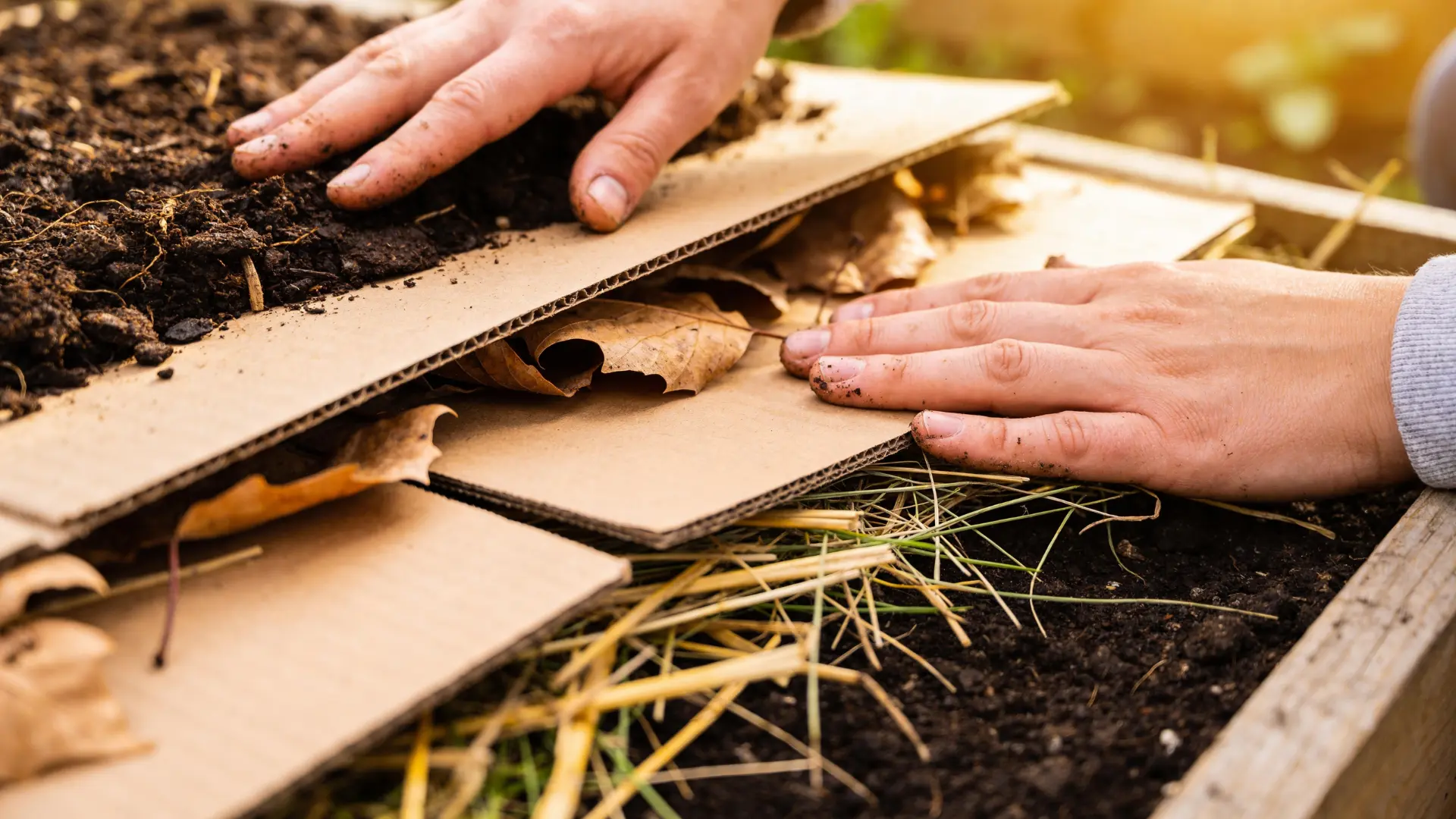
Each layer slowly decomposes and contributes nutrients to the soil. This layered approach works like composting in place.
Instead of mixing materials in a compost pile, they break down right where plants will grow.
The layers usually include:
- Carbon-rich materials such as cardboard, shredded paper, straw, and dry leaves
- Nitrogen-rich materials such as grass clippings, vegetable scraps, and fresh garden waste
- Compost or aged manure that adds beneficial microbes and nutrients
These materials are placed in alternating layers to create a balanced environment for decomposition. This natural process improves soil structure, increases fertility, and creates an ideal growing environment for plants.
The Role of Organic Layers
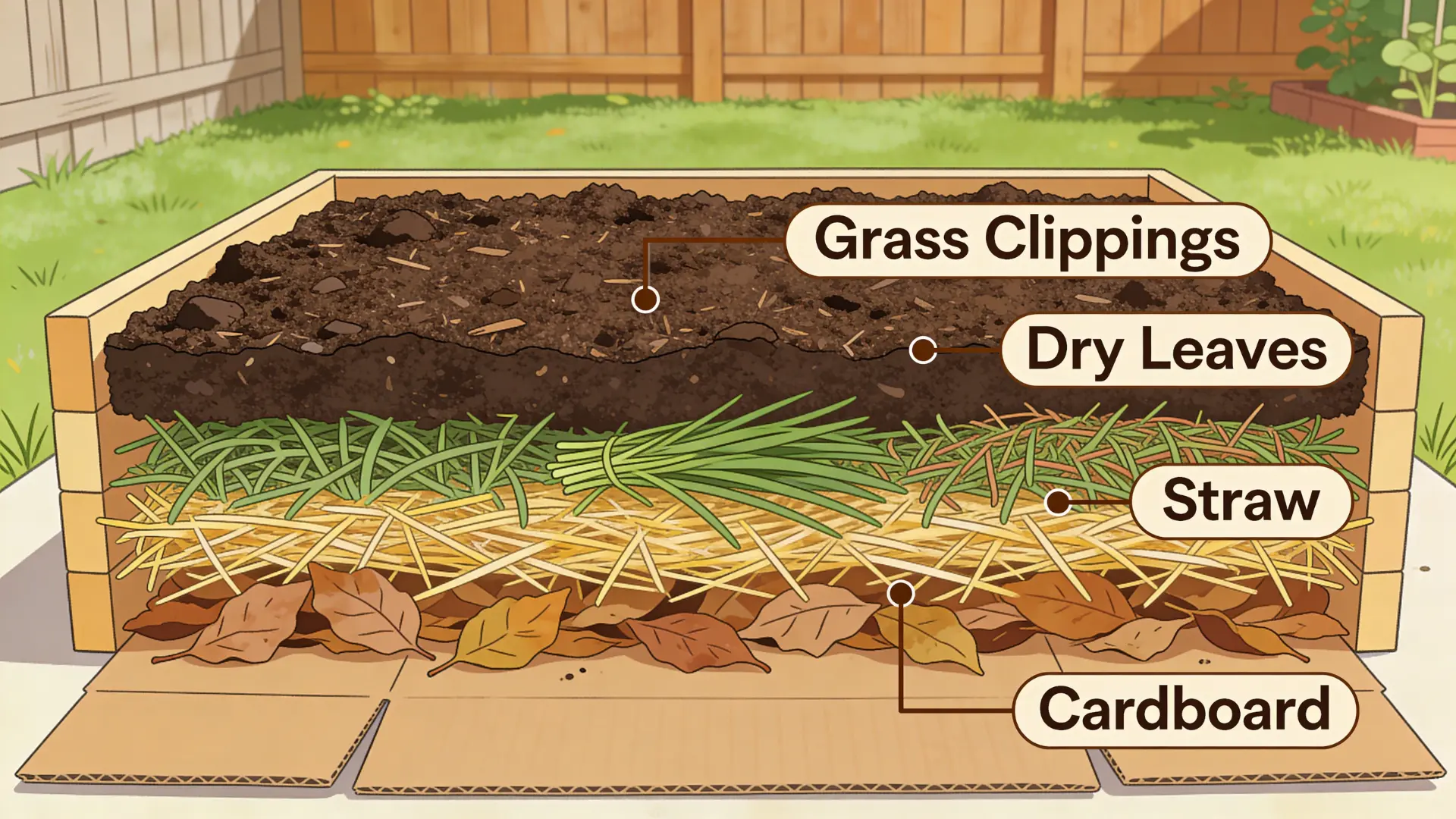
Each layer added to a lasagna garden has a specific function. Some layers provide nutrients, while others improve soil structure and moisture balance.
Using a mix of materials helps create a balanced environment for decomposition and plant growth.
| Layer Type | Purpose | Examples |
|---|---|---|
| Carbon Layers (Brown) | Provide structure and carbon needed for decomposition | Leaves, cardboard, straw |
| Nitrogen Layers (Green) | Supply nutrients that feed microbes | Grass clippings, food scraps |
| Compost Layers | Improve soil fertility and microbial activity | Finished compost, manure |
How Decomposition Improves Soil?
Decomposition is the natural process that turns organic materials into fertile soil. In lasagna gardening, layers of leaves, cardboard, grass clippings, and compost slowly break down.
As these materials decompose, they release essential nutrients such as nitrogen, phosphorus, and potassium.
Decomposition also improves the physical structure of the soil. Instead of being compact and hard, the soil becomes loose and crumbly.
Another benefit of decomposition is improved moisture retention. Organic matter acts like a sponge, helping the soil retain water for longer.
This means plants receive a steady supply of moisture even during dry weather.
Over time, the soil becomes richer, darker, and more productive for growing plants.
How Soil Organisms Help the Process
Soil organisms play an essential role in the success of lasagna gardening. These living organisms break down organic materials and convert them into nutrients that plants can absorb.
Without these organisms, the decomposition process would be very slow. They work continuously to transform organic matter into fertile soil.
Common organisms involved in this process include:
- Earthworms – Earthworms break down organic materials and mix them into the soil. Their movement also improves soil aeration and drainage.
- Bacteria – Bacteria are microscopic organisms that break down organic matter and release nutrients that plants can use.
- Fungi – Fungi help decompose tough materials such as wood chips, leaves, and straw. They also form beneficial relationships with plant roots.
- Other microorganisms – Protozoa, nematodes, and other microbes help balance the soil ecosystem and support nutrient cycling.
Benefits of Lasagna Gardening
Skipping the shovel turns out to be one of the smartest gardening decisions you can make. Here’s why:
- Naturally enriched soil: Organic layers slowly convert into dark, crumbly, nutrient-dense earth that feeds plants from the roots up.
- Fewer weeds to battle: The cardboard base cuts off light to weed seeds, keeping unwanted growth largely out of the picture.
- Longer moisture retention: The layered structure holds water like a sponge, reducing how often you need to reach for the hose.
- Puts waste to work: Vegetable peels, coffee grounds, and yard clippings find a second purpose rather than going to the bin.
- Minimal physical effort: No digging, no tilling, just stacking materials and letting nature handle the rest.
Materials Needed for Lasagna Gardening
Lasagna gardening uses organic materials that gradually break down to create fertile soil.
These materials are generally divided into two main groups based on their role in the decomposition process.
1. Carbon-Rich Materials (brown Layers)
Carbon-rich materials form the structural foundation of the lasagna garden. They help balance moisture, improve airflow, and provide carbon needed for decomposition.
Common carbon materials include:
- Dry leaves
- Straw or hay
- Shredded newspaper
- Cardboard
- Wood chips
These materials break down slowly, helping create a stable base for the garden layers.
2. Nitrogen-Rich Materials (green Layers)
Nitrogen-rich materials provide nutrients that feed soil microorganisms. They help speed up the breakdown of organic matter and enrich the soil.
Typical nitrogen materials include:
- Grass clippings
- Vegetable scraps
- Coffee grounds
- Fresh garden waste
- Aged manure
Maintaining a Balanced Mix of Carbon and Nitrogen Layers Helps the Decomposition Process Work Effectively and Produces Nutrient-Rich Soil for Plants.
How to Build a Lasagna Garden (Step-By-Step)
Building a lasagna garden is simple and does not require digging or heavy soil preparation.
The process focuses on layering organic materials directly on the ground so they can slowly break down and create fertile soil.
Step 1: Choose the Right Location
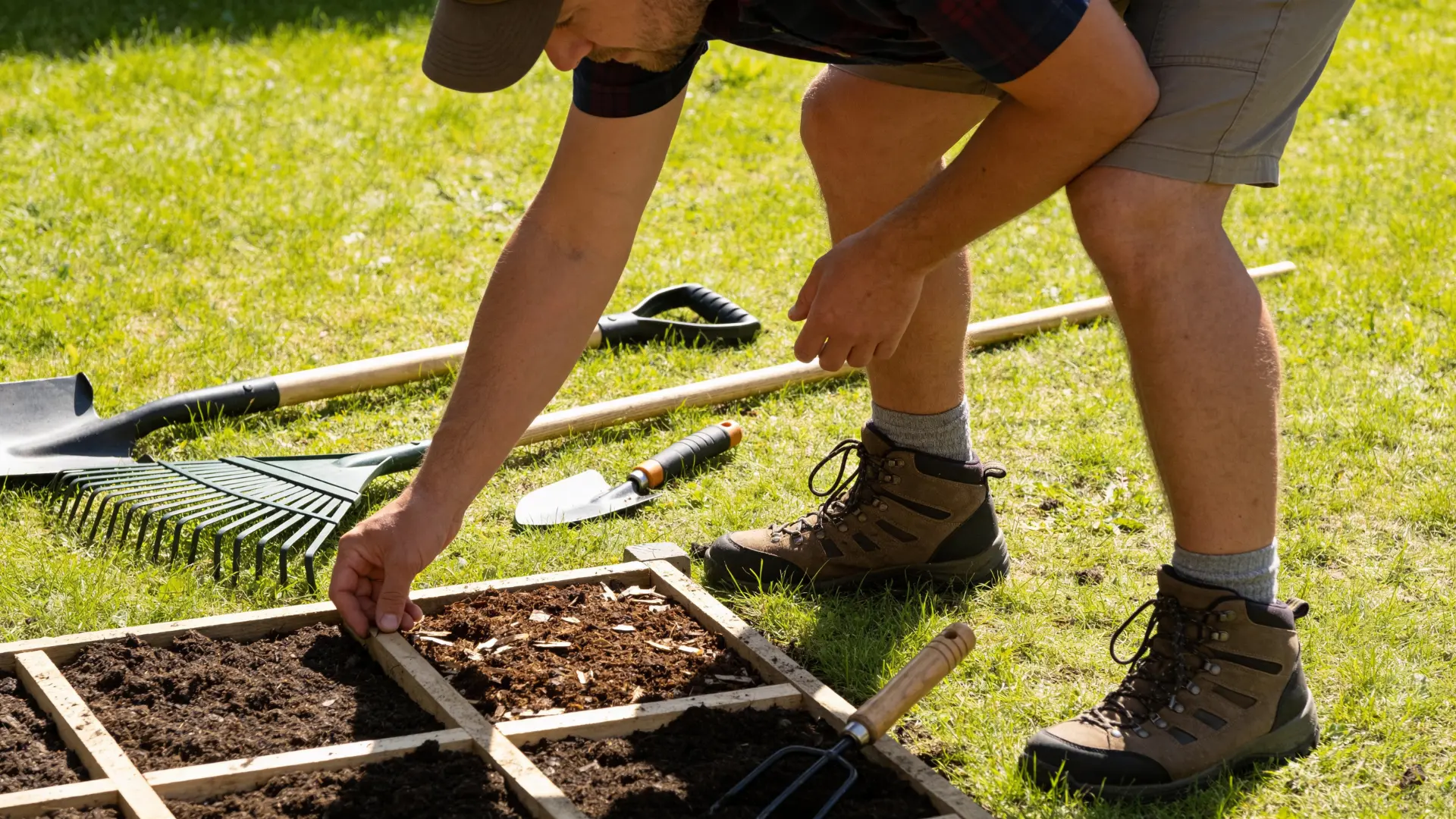
Start by selecting a suitable location for your garden bed.
The area should also be relatively flat to keep the layers stable as they are added.
It is helpful to place the garden close to a water source so watering is easier during the growing season.
Step 2: Lay the Base Layer
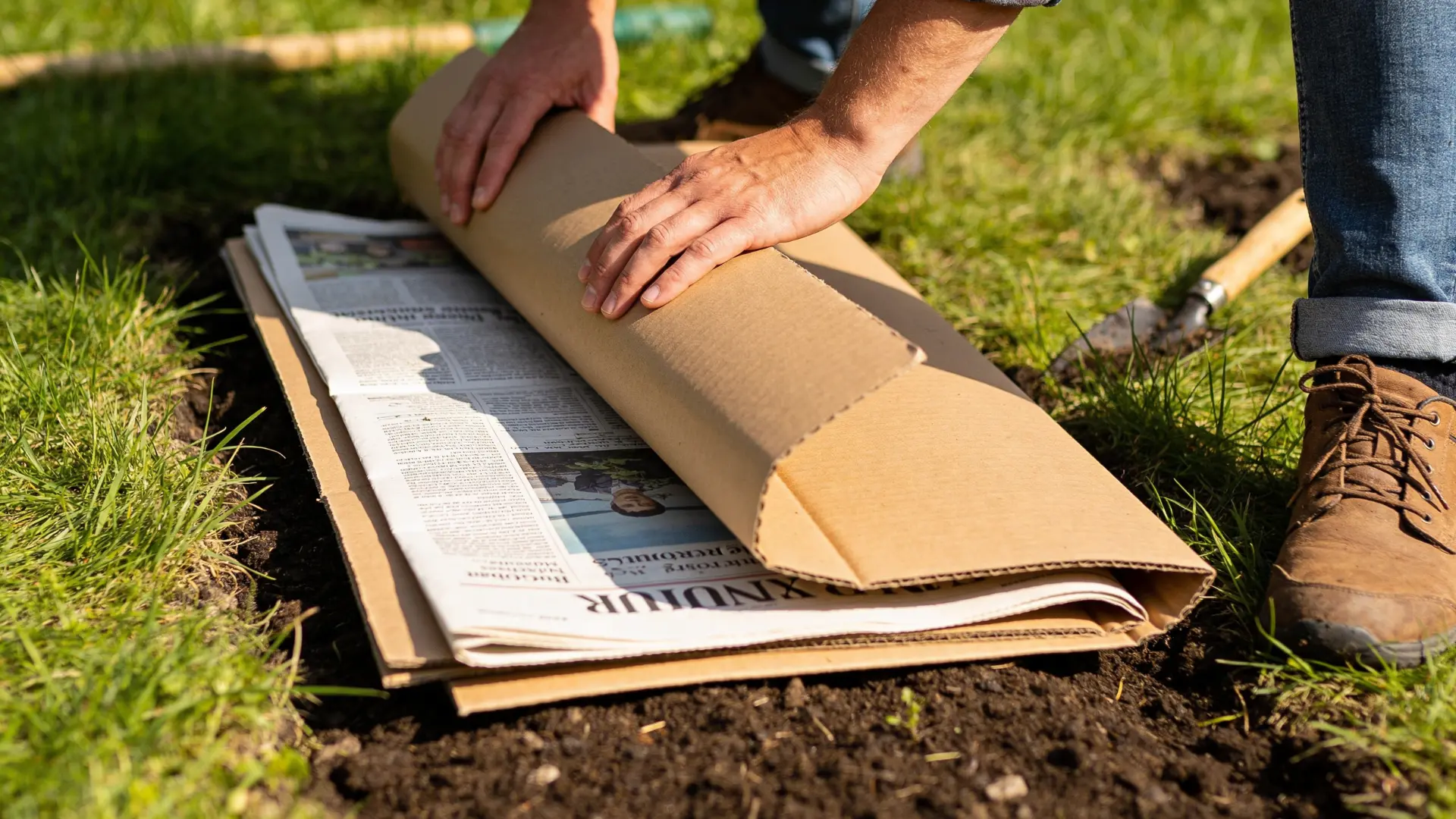
The base layer forms the foundation of the lasagna garden. Place thick sheets of cardboard or several layers of newspaper directly on the ground.
This layer blocks sunlight from reaching the grass and weeds underneath.
Over time, the cardboard or paper will break down naturally while helping suppress unwanted plant growth.
Step 3: Add Carbon-Rich Materials
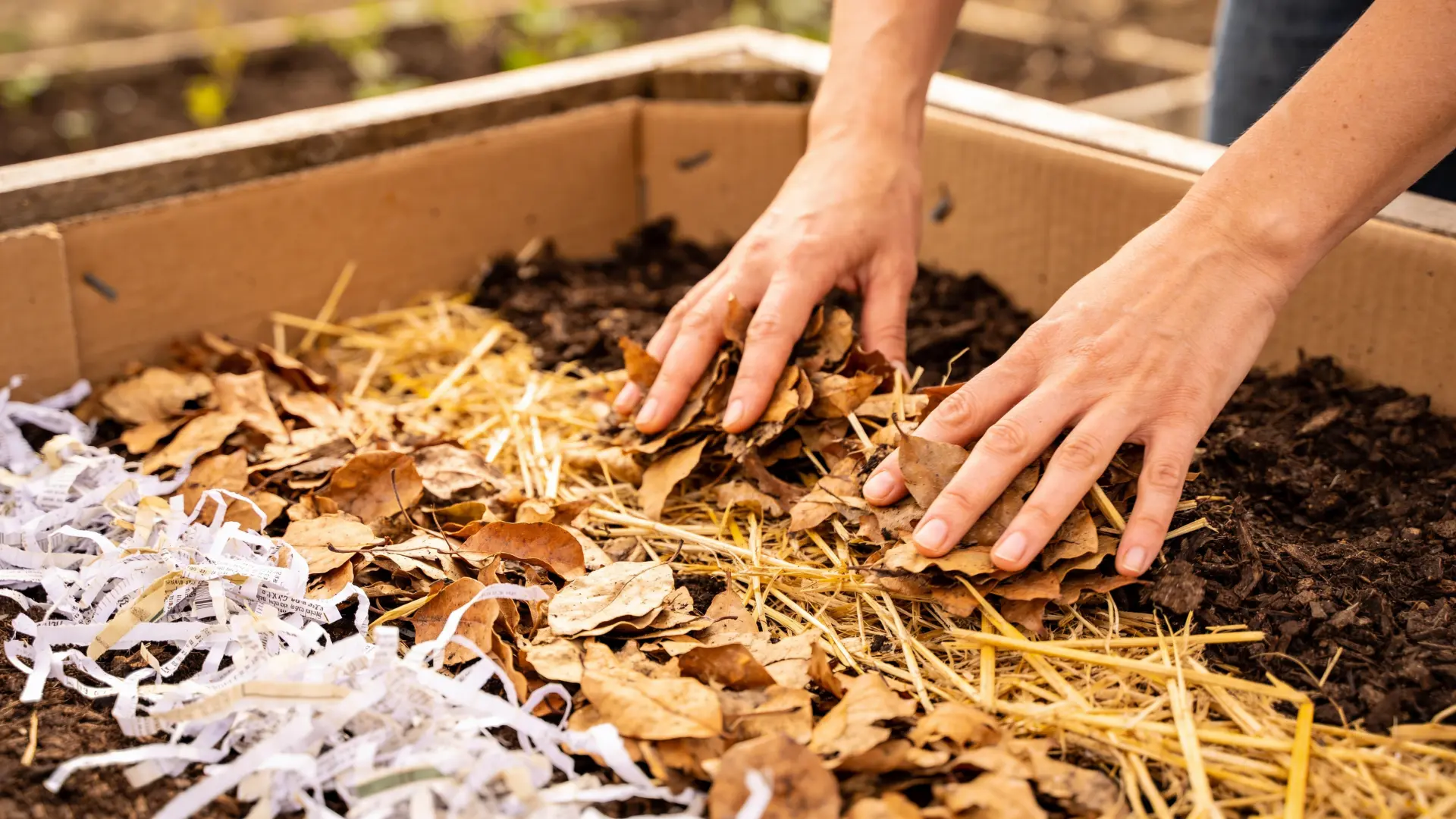
After the base layer Is in place, begin adding the first organic layer made of carbon-rich materials.
These materials provide structure and help create air pockets, improving soil texture.
Spread materials such as dry leaves, straw, shredded paper, or wood chips evenly across the base layer. This layer helps balance moisture and supports the decomposition process.
Step 4: Add Nitrogen-Rich Materials
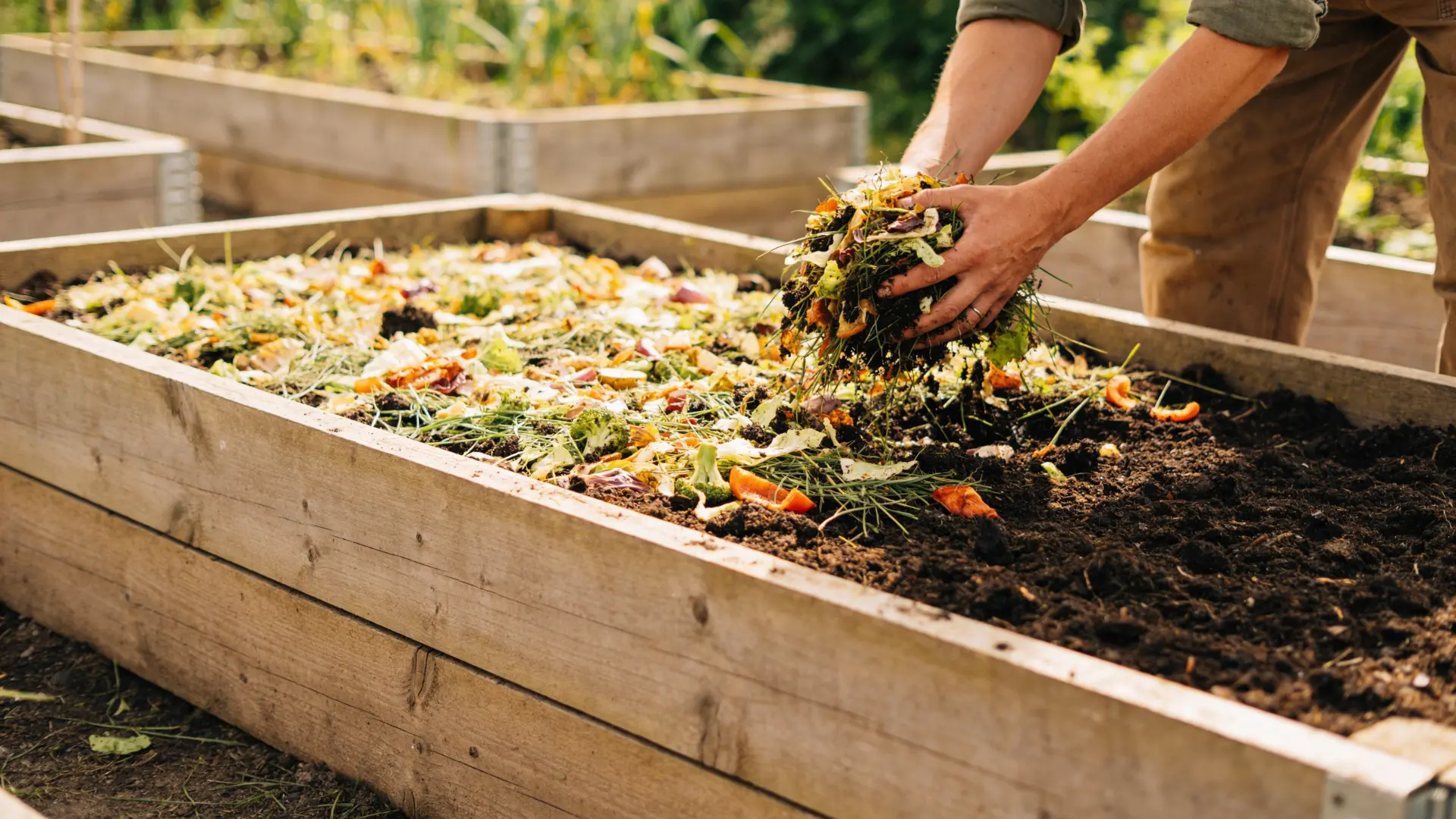
Next, add a layer of nitrogen-rich materials on top of the carbon layer.
These materials supply nutrients and encourage microorganisms to begin breaking down the organic matter.
Grass clippings, food scraps, garden trimmings, and compost Are good choices for This layer. These materials decompose more quickly, helping activate the composting process in the garden bed.
Step 5: Repeat the Layers
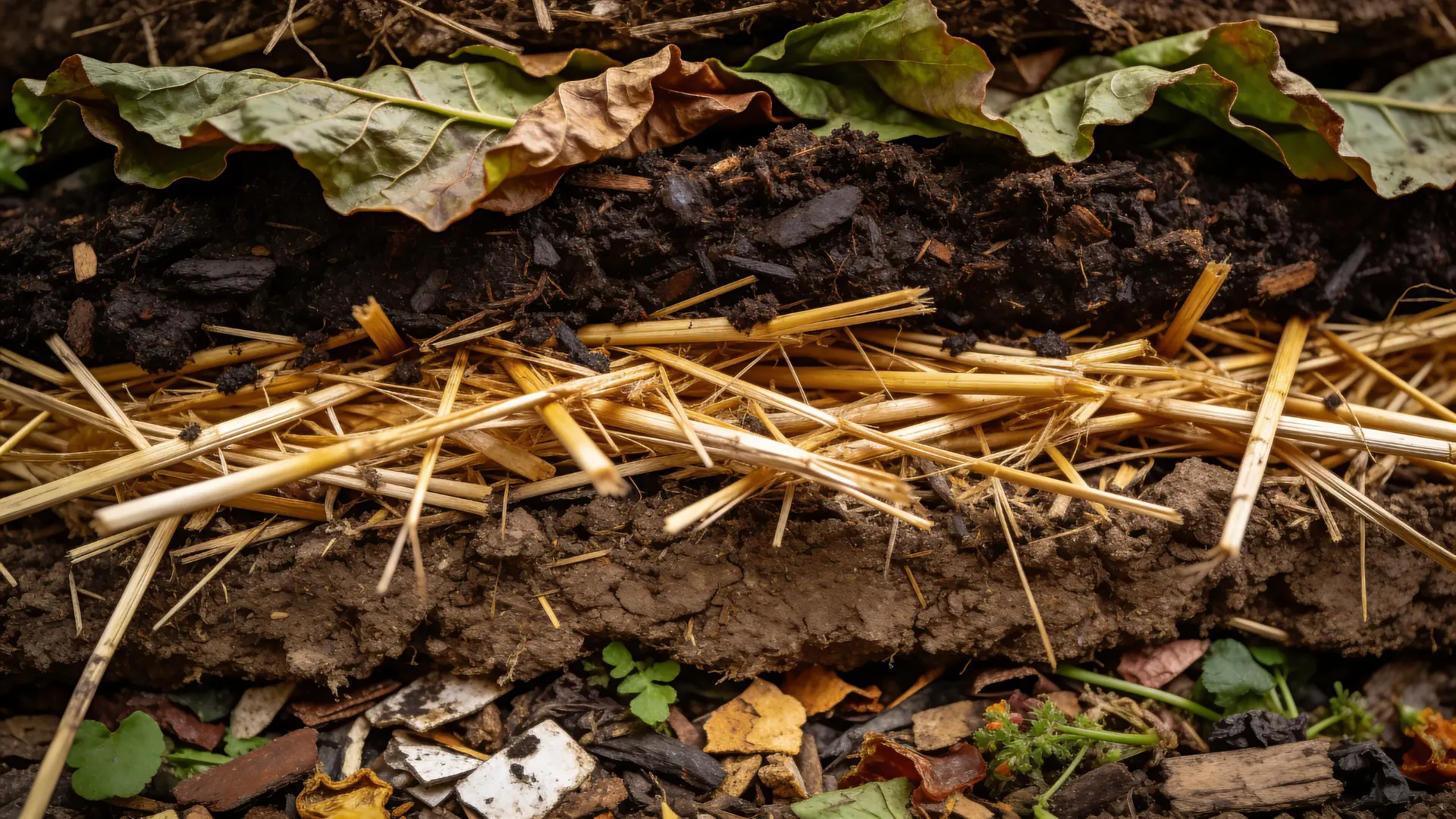
Continue stacking alternating layers of carbon and nitrogen materials. Each layer should Be spread evenly across the garden area to keep the structure balanced.
As more layers Are added, the garden bed gradually increases in height. Most lasagna gardens Are built to about 18 to 24 inches tall, so there Is enough material to create fertile soil.
Step 6: Allow the Layers to Decompose
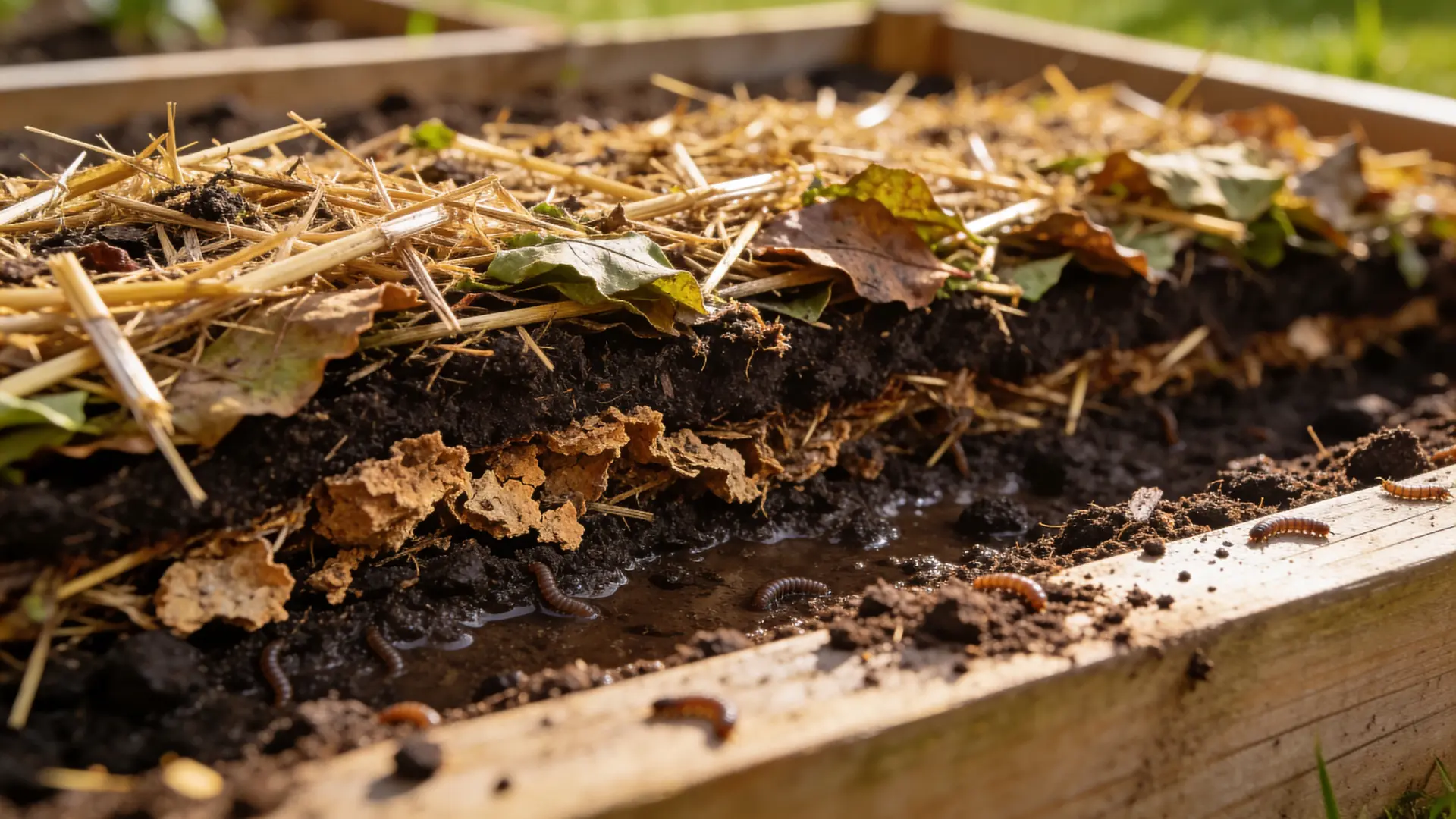
Once all the layers Are in place, natural decomposition begins. Moisture, heat, and soil organisms gradually break down the organic materials.
During This process, the layers shrink and turn into dark, nutrient-rich soil.
This transformation may Take several weeks or A few months, depending on weather conditions and the materials used.
Step 7: Start Planting
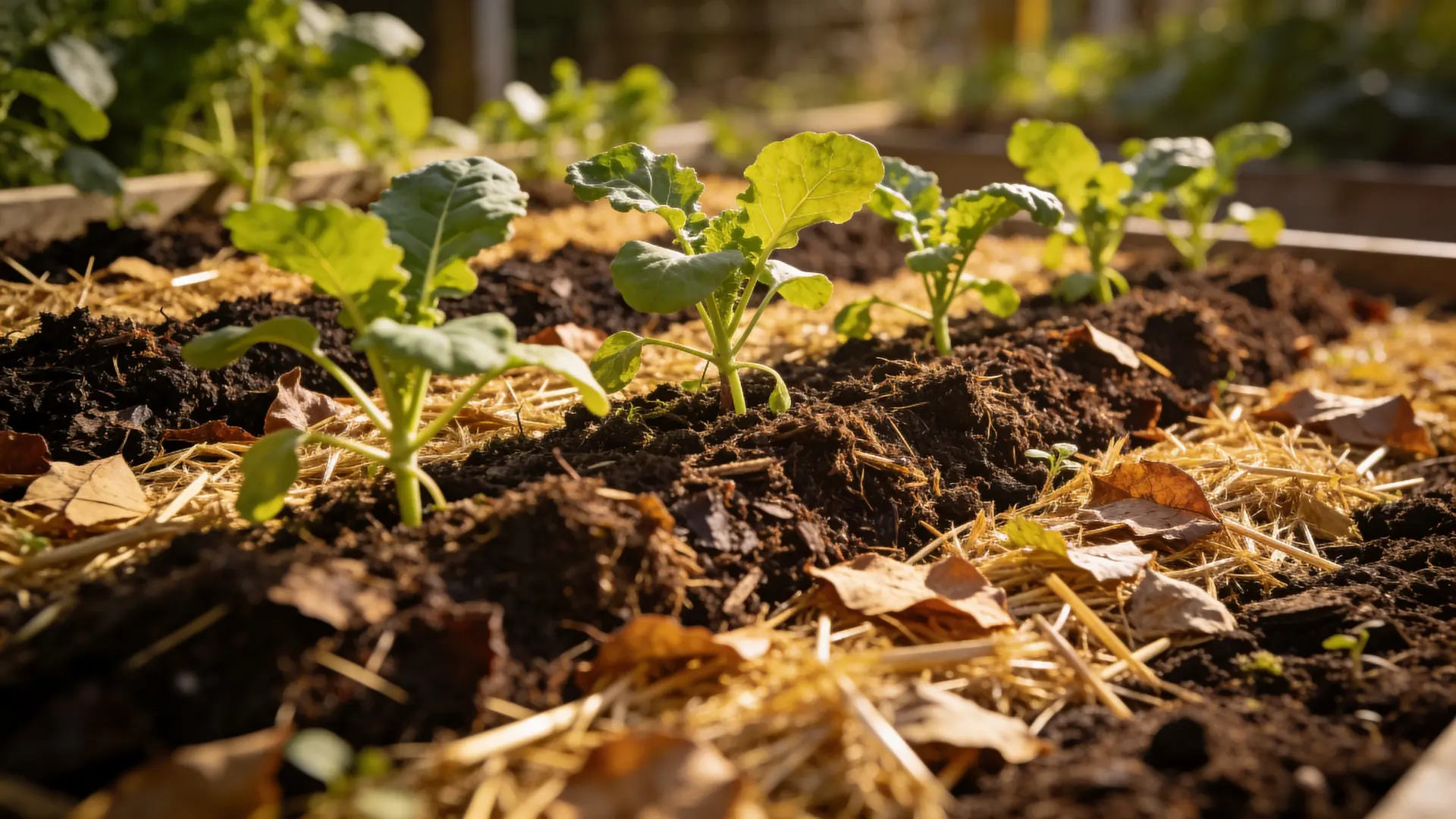
When the layers begin to break down, and the surface becomes softer, the garden bed Is ready for planting. Seeds or young plants Can Be directly placed in the top layer of the garden.
As the plants grow, the decomposing layers continue to supply nutrients to the soil. This creates a healthy, growing environment that supports strong and productive plants.
Best Time to Start a Lasagna Garden
The best time to start a lasagna garden is fall.
Fallen leaves, garden trimmings, and yard waste are plentiful, giving you no shortage of layering material.
The bed then rests through winter, where cold temperatures and natural moisture slowly break everything down.
By spring, the layers have already turned into workable, nutrient-rich soil ready for planting without any extra preparation.
Tips for Successful Lasagna Gardening
Lasagna gardening Is simple, but A few good practices Can help improve results.
Following these tips will help maintain healthy soil and support plant growth:
- Maintain a balance between brown materials (carbon) and green materials (nitrogen) to support proper decomposition.
- Keep the layers slightly moist, since moisture helps microorganisms break down the organic materials.
- Use smaller pieces of organic material whenever possible, as they decompose faster.
- Avoid adding diseased plants or weeds with seeds, as they may spread problems in the garden.
Regularly adding fresh organic layers each season Can also help maintain soil fertility and keep the garden productive over time.
Wrapping Up
Lasagna gardening takes everything complicated about traditional gardening and strips it down to something refreshingly simple: layer, wait, and grow.
From blocking weeds with cardboard to letting earthworms do the digging, every step works in harmony with nature.
The soil it builds is richer, the effort is lighter, and the results speak for themselves season after season.
Whether you grow vegetables, herbs, or flowers, this method quietly delivers more than expected.
Give it a try and share your experience or favorite layering material in the comments below!
Frequently Asked Questions
Can You Plant Immediately in A Lasagna Garden?
Yes, planting Is possible if A layer of compost or soil Is added on top. however, waiting a few weeks allows the materials to decompose further.
How Long Does Lasagna Gardening Take to Work?
The decomposition process usually takes several weeks to A few months. Weather conditions and material size affect how quickly the layers break down.
Does Lasagna Gardening Require Digging?
No, digging is not required. The garden is created by layering materials directly on the ground.


