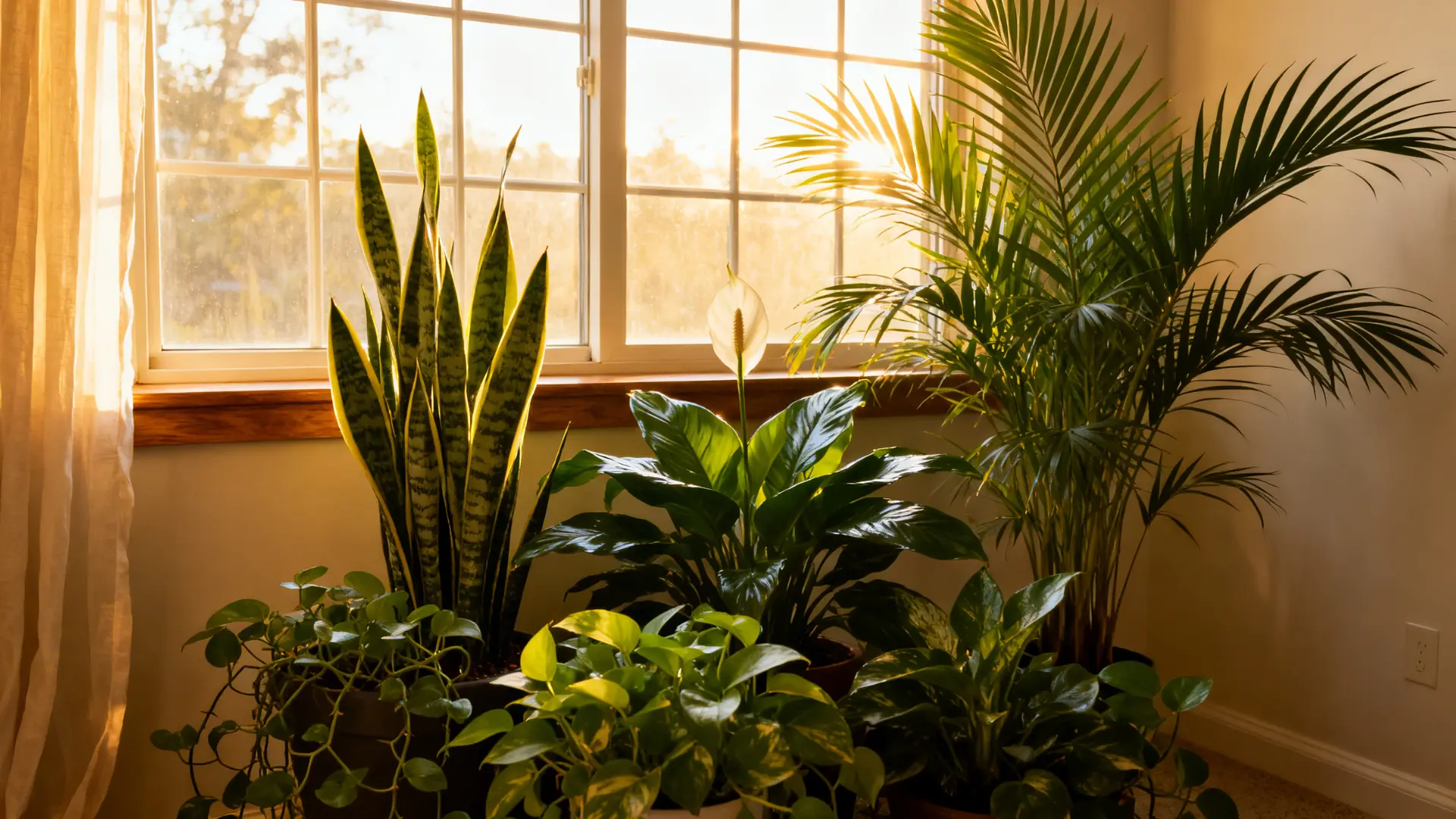
25 Best Indoor Plants for Air Quality
Have you ever wondered if adding a few plants to your home can actually improve the air you breathe?
The connection between indoor plants and air quality has gained attention over the years, but the truth is more practical than many assume.
While plants do interact with the air, their impact is subtle and often misunderstood.
Today, you’ll learn how indoor plants influence air, which varieties are worth considering, and what to realistically expect from them. I’ll also show you how to use them effectively to support a healthier indoor environment.
Let’s begin by understanding how plants interact with the air around you.
Plants that Purify the Air: How They Work
Indoor plants are often linked with cleaner air, but their impact is more limited than many assume. While plants do interact with air, their ability to purify it in real indoor conditions is smaller than expected.
The idea of air-purifying plants gained significant attention after the NASA Clean Air Study in 1989.
The study demonstrated that certain plants could absorb harmful chemicals like formaldehyde and benzene in sealed environments, such as space stations. While the study highlighted plants’ potential, its results were based on controlled conditions, not typical indoor spaces.
Here’s a breakdown of how plants work with air and why they should be seen as a small addition rather than a primary air-purifying solution:
1. Gas Absorption Through Leaves
Plants absorb gases like formaldehyde and benzene through tiny pores in their leaves called stomata. This process allows them to take in small amounts of indoor pollutants, but the effect is slow and limited.
The amount of pollution absorbed depends on the plant’s surface area, and it works best in still air. In real homes with constant airflow, the plants’ ability to absorb pollutants is reduced.
2. The Role of Soil and Microbes
Soil plays a critical role in air purification. Most of the breakdown of pollutants happens below the surface, where microbes in the soil convert harmful chemicals into less harmful compounds.
Pollutants absorbed by the leaves often move to the root zone, where they’re processed further by microbes.
Healthy, moist soil is essential for maximizing this effect, while poor-quality or dry soil weakens it.
3. Oxygen and Carbon Dioxide Exchange
Plants naturally take in carbon dioxide and release oxygen through photosynthesis during the day. Some plants, like snake plants, continue this exchange at night.
However, the amount of oxygen released in a typical room is small, and it’s not enough to create a noticeable change in indoor air quality.
This process contributes to a balanced environment but doesn’t significantly impact air purification.
4. Why the Impact is Limited
Indoor plants can improve air quality, but their overall effect is limited by several factors:
- Limited surface area: A plant’s leaf area can only process a small amount of air at a time.
- Slow process: Gas absorption and breakdown occur gradually, not instantly.
- Air circulation: Constant airflow reduces the contact time between the air and plants.
- Quantity needed: A noticeable effect requires multiple plants in a room, not just one or two.
While plants do contribute to healthier indoor environments, they cannot replace air purifiers or significantly filter air in large volumes. Their impact is gradual and best suited as a supplemental, rather than primary, air-purification method.
Best Plants for Air Purification: Realistic Picks
Not all plants have the same impact on indoor air. Some are more practical because they are easy to maintain and interact better with indoor conditions.
1. Snake Plant
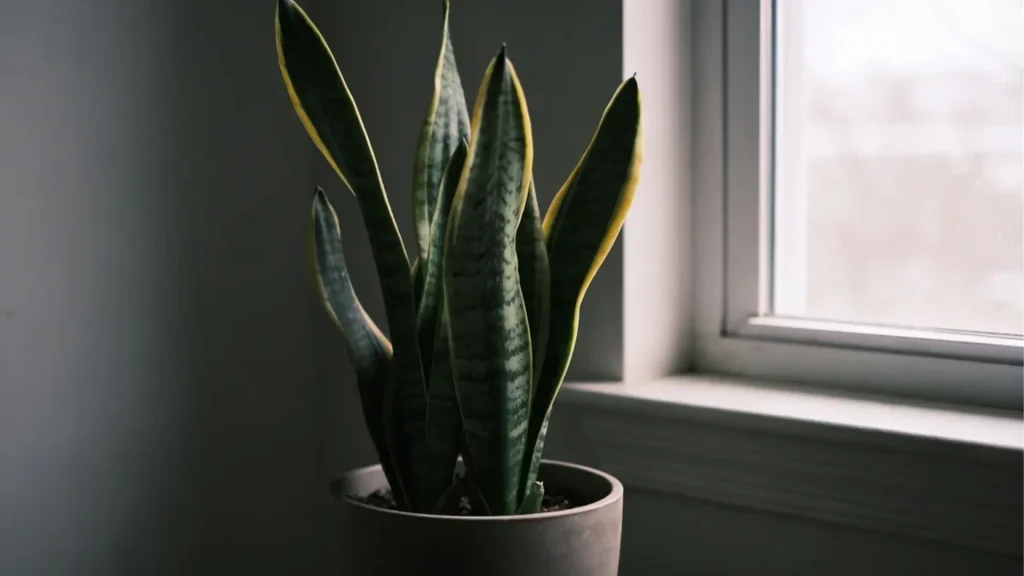
It absorbs small amounts of indoor pollutants and can continue limited gas exchange at night. This is due to its thick leaves and ability to survive in low-light conditions.
However, its overall impact is small, and a single plant is not enough to noticeably improve indoor air quality.
2. Peace Lily
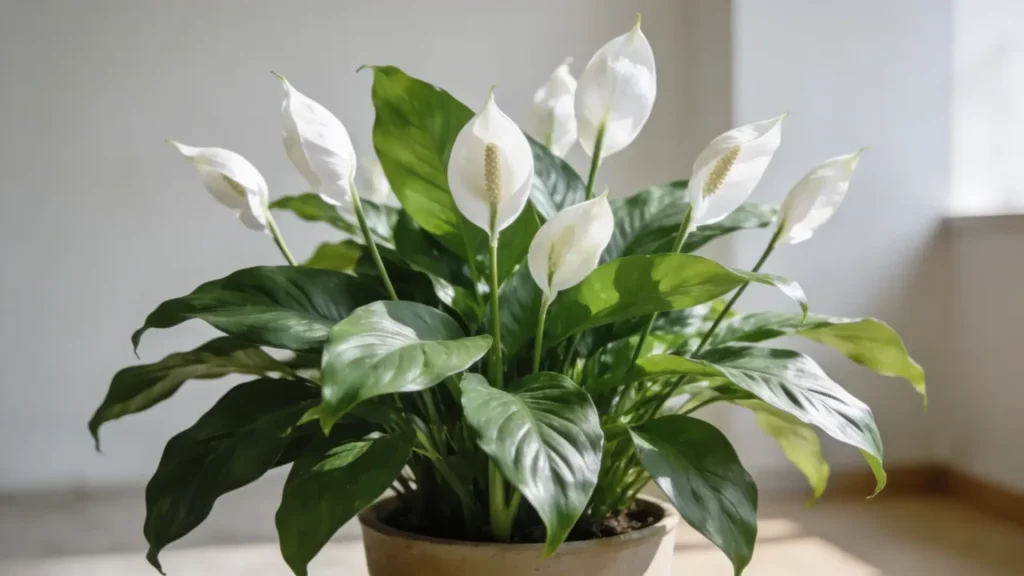
It can help reduce small traces of indoor chemicals while also adding slight humidity to the air. This is due to its high transpiration rate and active root system, which support steady interaction with indoor air.
However, it needs regular care to stay healthy and is not safe for pets if ingested.
3. Spider Plant
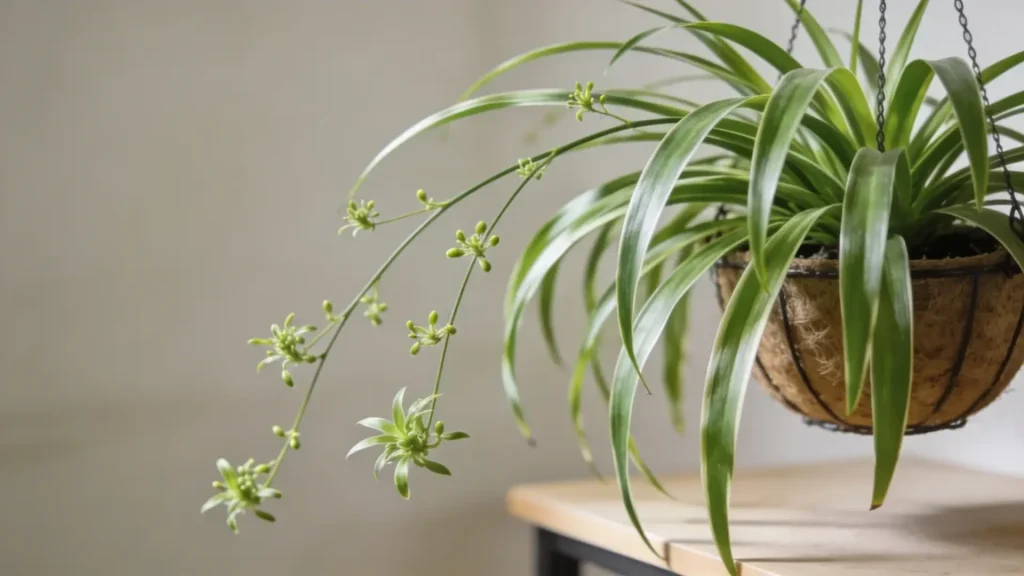
It helps absorb small amounts of indoor pollutants and is known for its fast growth. As it grows quickly, it increases leaf surface area, allowing more interaction with indoor air over time.
The tradeoff is that its overall effect remains limited and becomes noticeable only when multiple plants are used together.
4. Pothos (Money Plant)
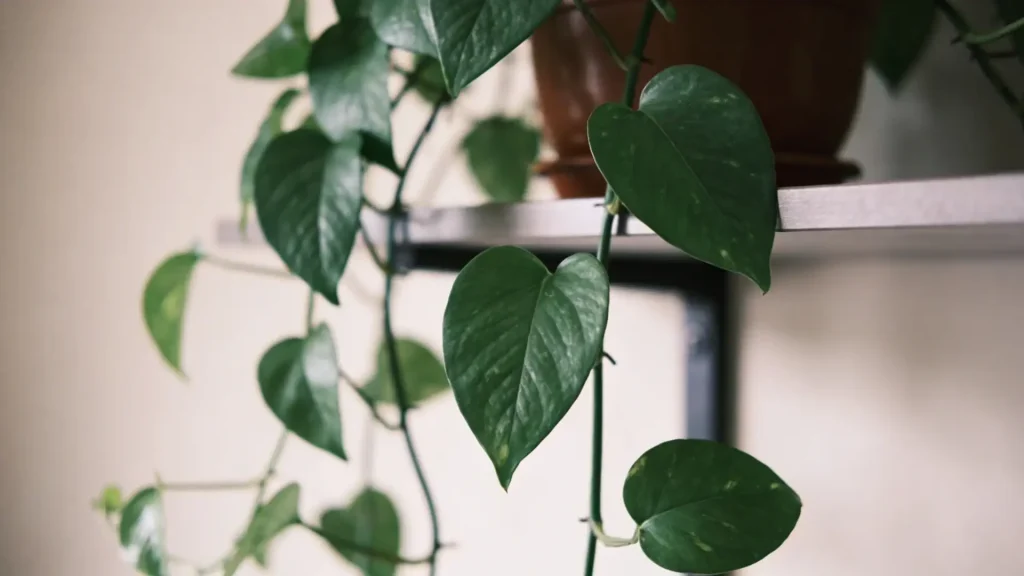
It can take in small amounts of airborne chemicals and is known for being very hardy. It grows easily and adapts well to different indoor conditions, making it suitable for most spaces.
However, its air-cleaning effect is limited, and it cannot improve air quality on its own.
5. Areca Palm
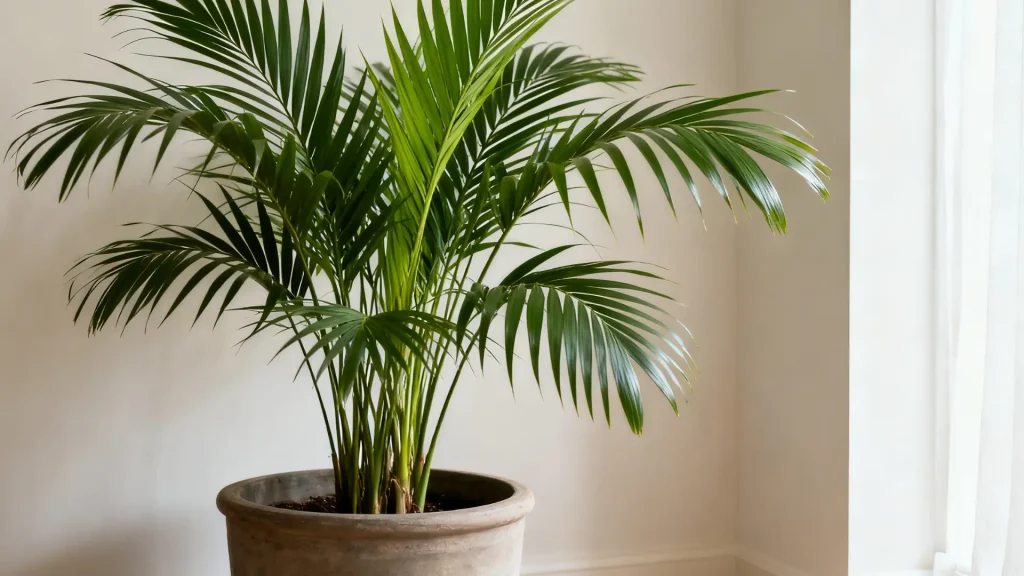
It helps improve indoor moisture levels and can make the air feel fresher. This is due to its higher transpiration rate compared to smaller plants.
It does require enough space to grow and needs regular care to stay healthy and maintain its condition
6. Rubber Plant
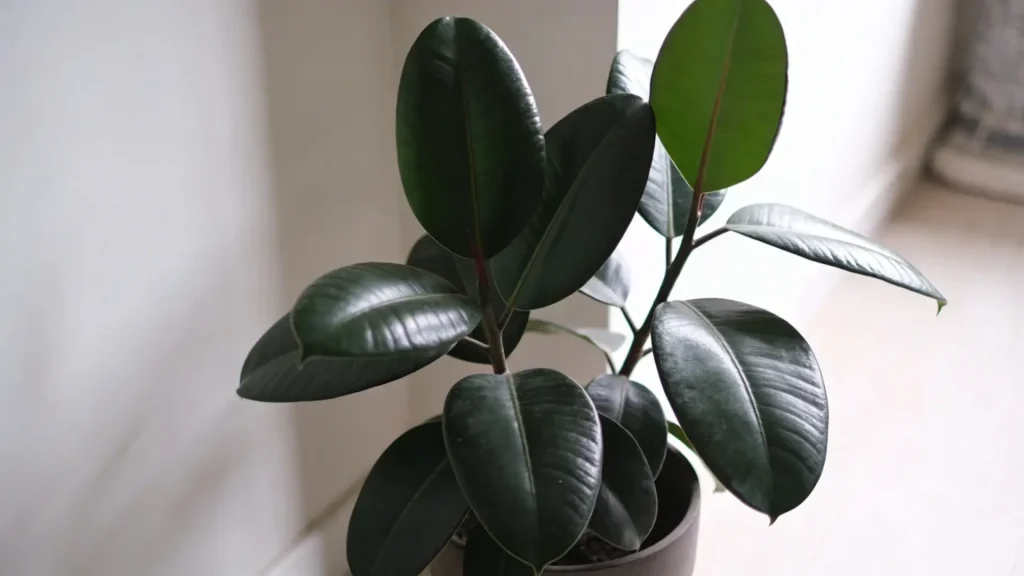
It can absorb some pollutants and has large leaves for better surface contact. It works due to its leaf size and steady growth indoors, which requires proper lighting and does not perform well in low light.
These plants can support better indoor conditions. But their effect is gradual and works best when used together, not individually.
7. Aloe Vera
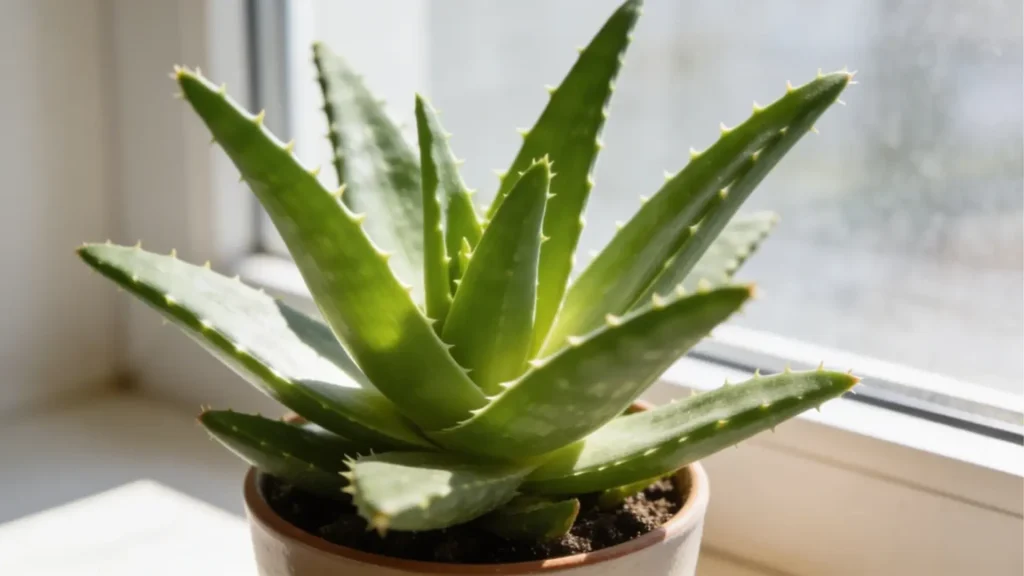
Aloe vera can absorb small amounts of indoor pollutants released from cleaning products and furniture. It works because of its thick leaves and steady gas exchange process.
It is easy to maintain and grows well in bright light. However, its air-cleaning effect is limited and works best when combined with other plants.
8. English Ivy
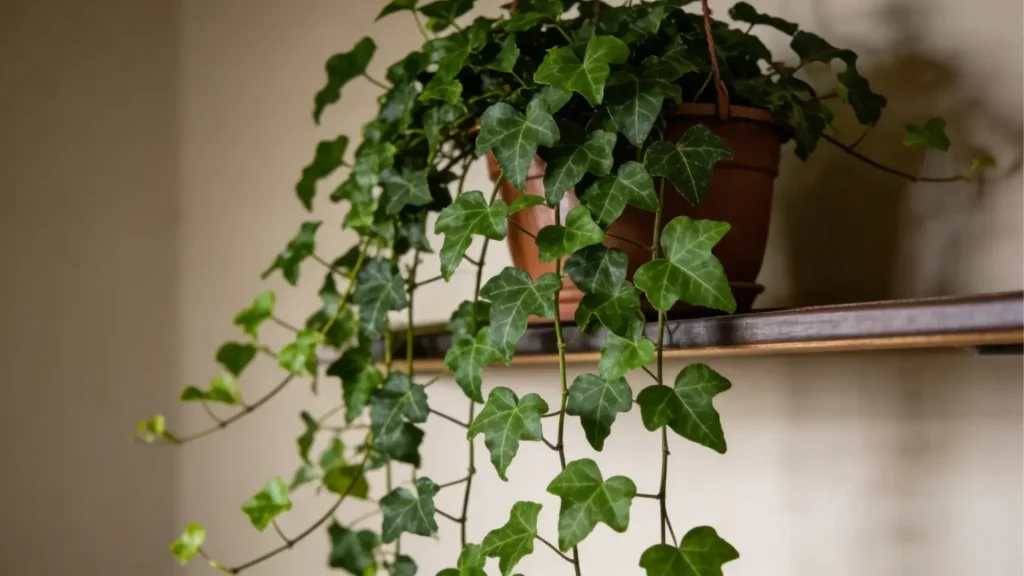
English ivy is known for reducing airborne particles in controlled conditions. It works through its dense leaves, which provide more surface area for interaction with air.
It grows well in moderate light and can be placed in small spaces. However, it requires regular care and should be kept away from pets as it can be toxic.
9. Boston Fern
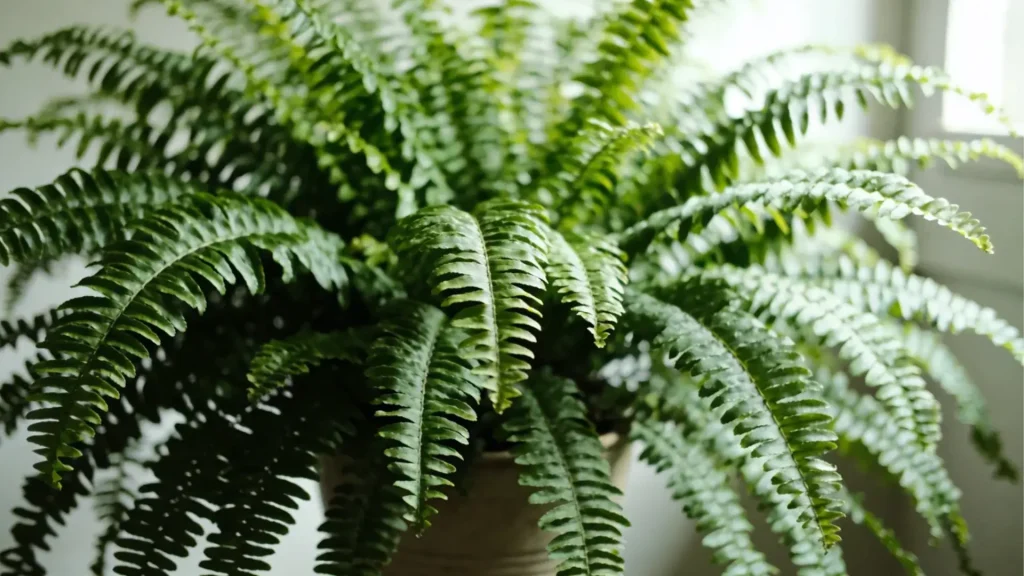
Boston fern can help improve indoor humidity and interact with small amounts of airborne pollutants.
It works because of its dense, feathery leaves that increase surface contact with air. It grows well in indirect light and humid conditions.
However, it needs regular watering and does not perform well in dry indoor environments.
10. Dracaena (Janet Craig)

Dracaena is a practical indoor plant that adapts well to low to moderate light. Its long leaves allow steady interaction with indoor air over time.
It is easy to maintain, making it suitable for beginners, but its effect on air quality remains minimal on its own.
11. Bamboo Palm
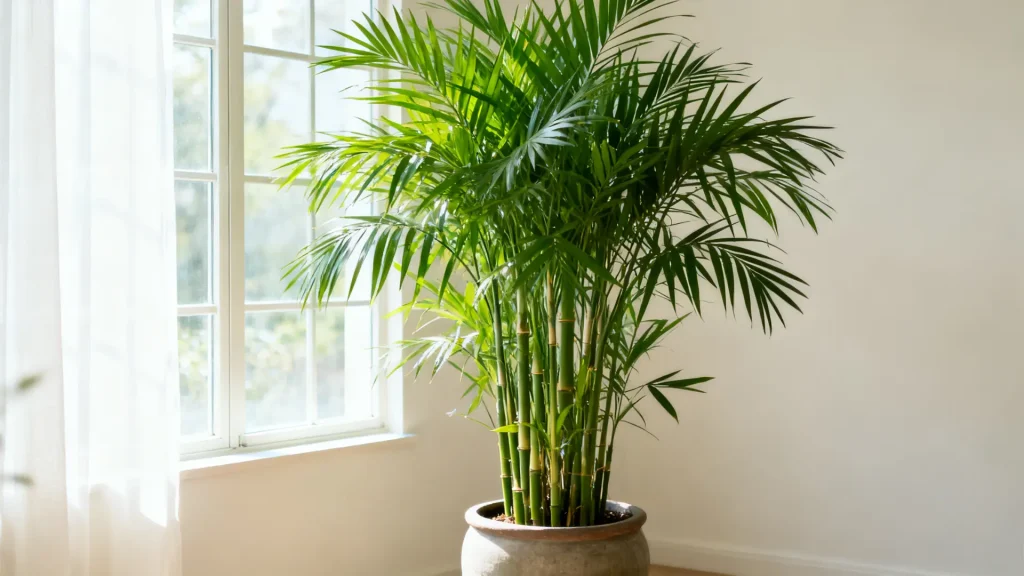
Bamboo palm works well in indoor spaces where the air feels dry. It adds moisture to the air, which can make the environment more comfortable over time.
It prefers bright, indirect light and needs regular watering. However, it takes up more space and needs consistent care to stay healthy indoors.
12. ZZ Plant
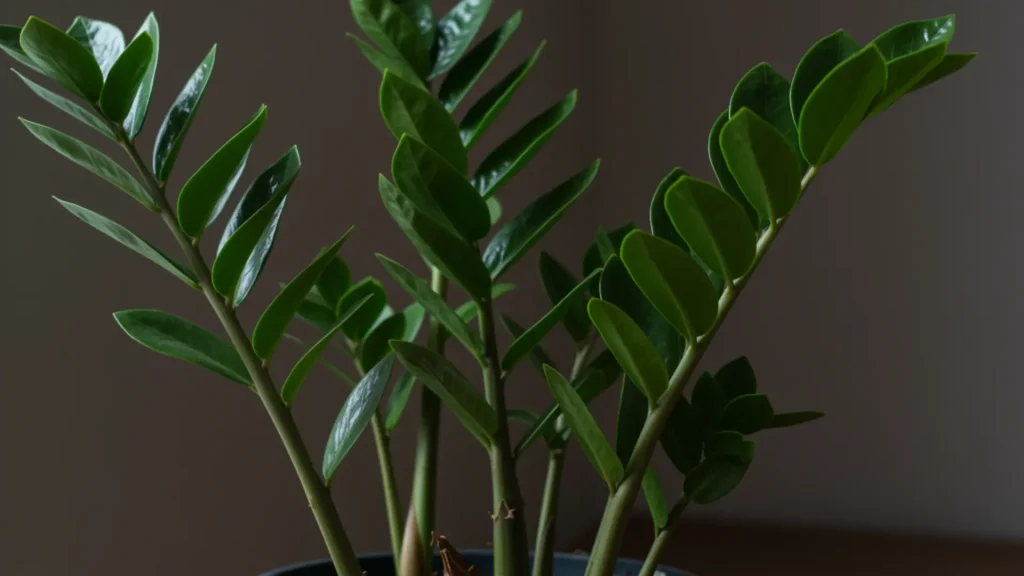
ZZ plant is known for its ability to survive in low light and with minimal care. It has thick, waxy leaves that help it retain moisture and stay healthy even with neglect.
This makes it a good choice for beginners or busy spaces. However, its contribution to air quality is very limited compared to other plants.
13. Philodendron
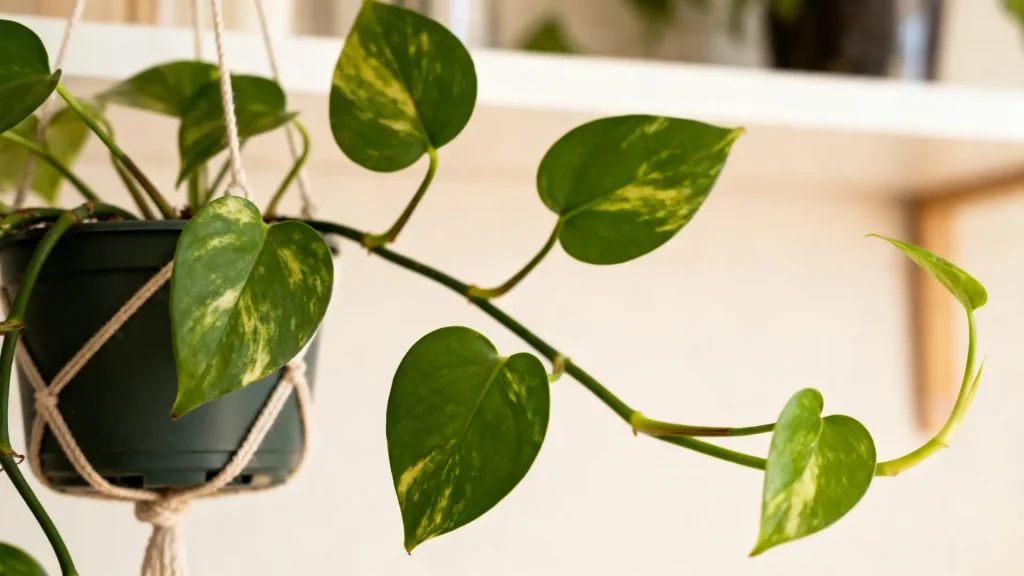
Philodendron is a flexible indoor plant that grows well in different light conditions. Its trailing or upright growth makes it suitable for both small and large spaces.
It is easy to maintain and adapts quickly to indoor environments. However, it requires occasional pruning and is not safe for pets if ingested.
14. Lady Palm
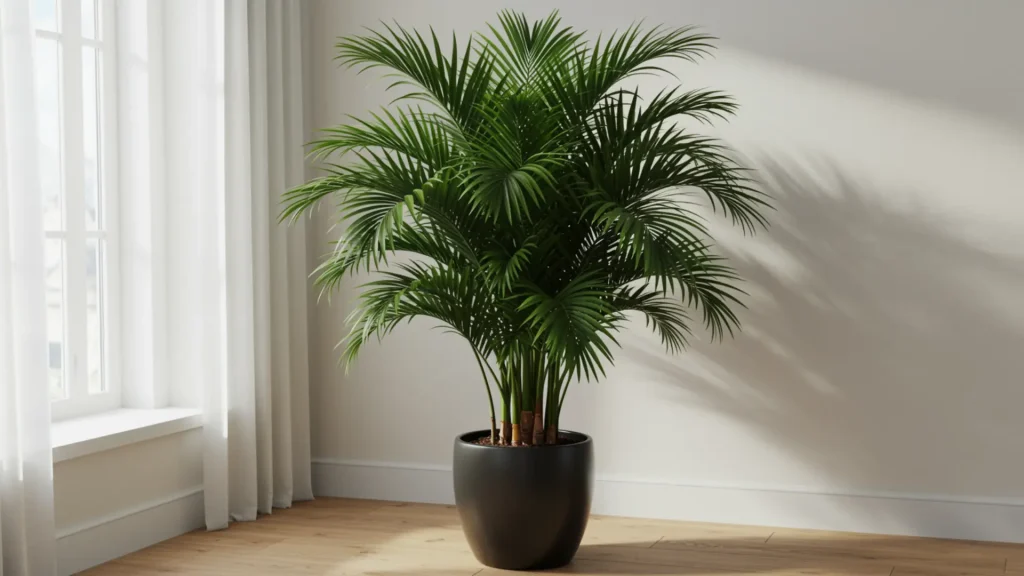
Lady palm is often used to create a fuller indoor setup due to its dense foliage. Its broad leaves help increase surface contact with air and improve the overall indoor feel.
It grows best in bright, indirect light and needs steady care. However, it can be slow-growing and requires space to develop properly.
15. Gerbera Daisy
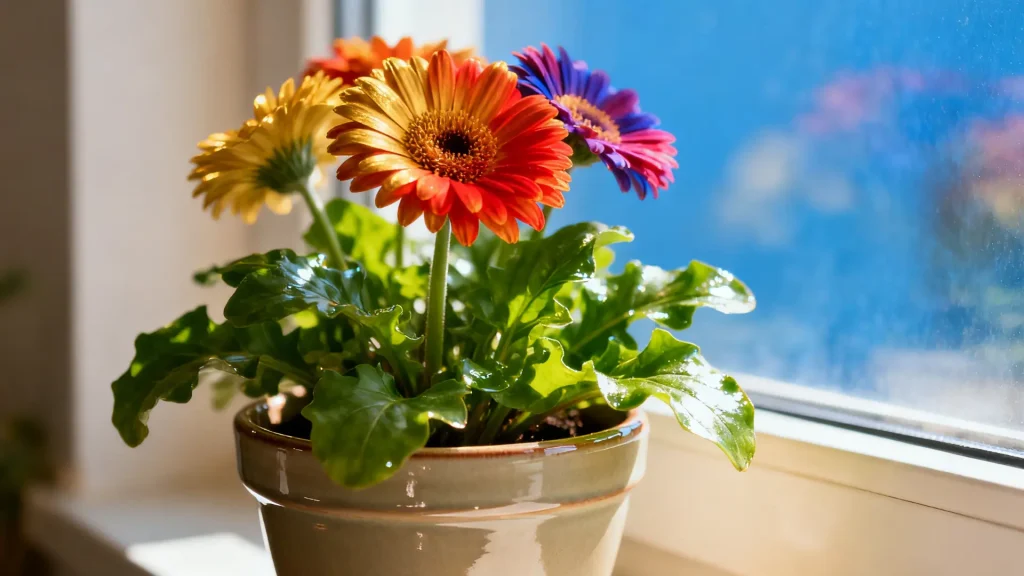
Gerbera daisy adds color to indoor spaces while supporting air interaction to a small extent. It performs best in bright light and needs regular watering to stay healthy.
Its presence can improve the overall feel of a room more than air quality itself. Although it requires more care than most indoor plants and may not suit low-light spaces.
16. Chinese Evergreen
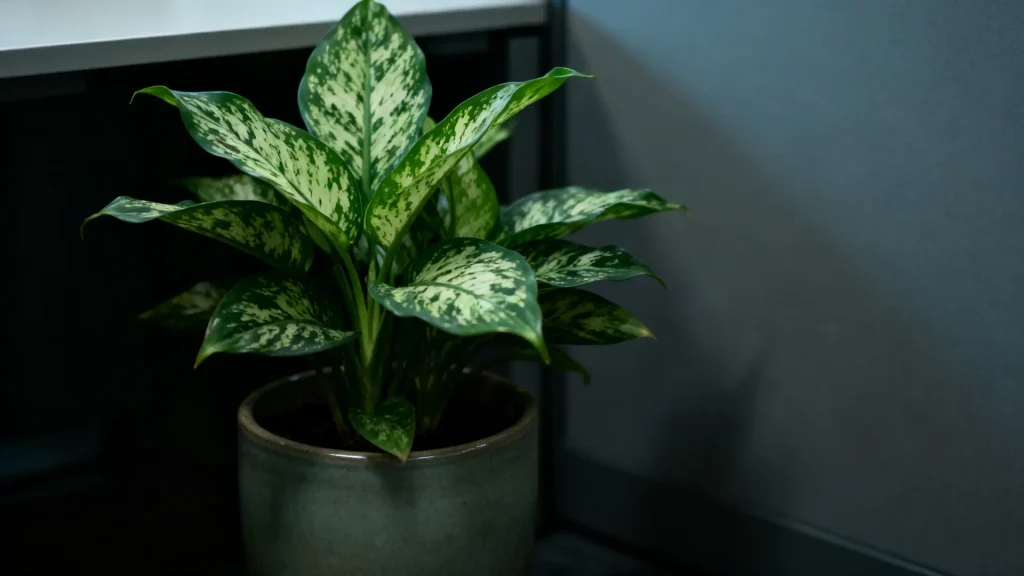
Chinese evergreen is a reliable choice for low-light indoor areas. It adapts easily to different conditions and requires minimal maintenance.
Its broad leaves help it stay active indoors even with limited care. However, it grows slowly, and its impact on air quality remains limited.
17. Parlor Palm
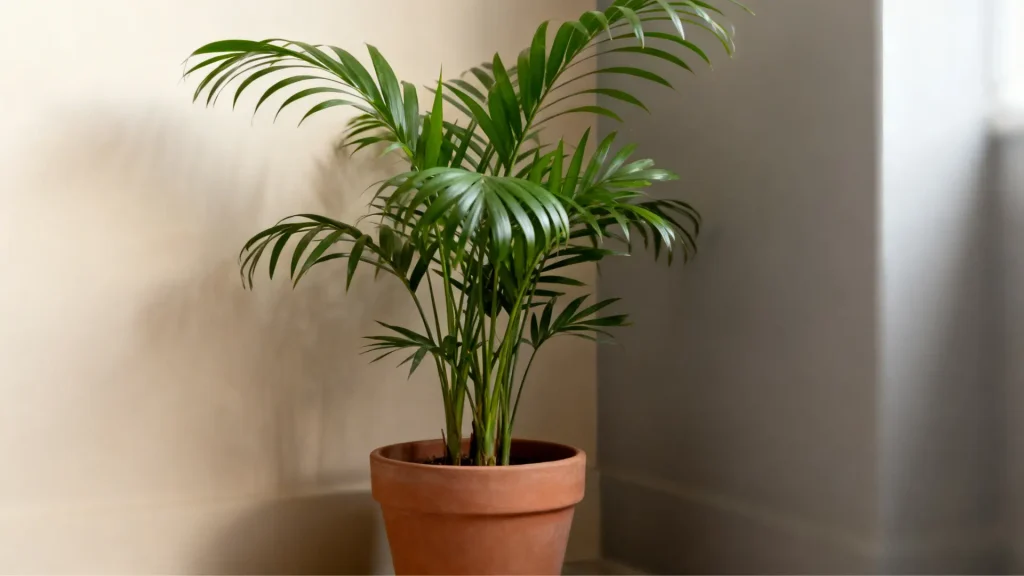
Parlor palm is a compact plant that fits well in small indoor spaces. It adds a light, natural feel and grows well in low to moderate light conditions.
It requires minimal care and adapts easily to indoor environments. However, its effect on air quality is minimal and mostly limited to small areas.
18. Fiddle Leaf Fig
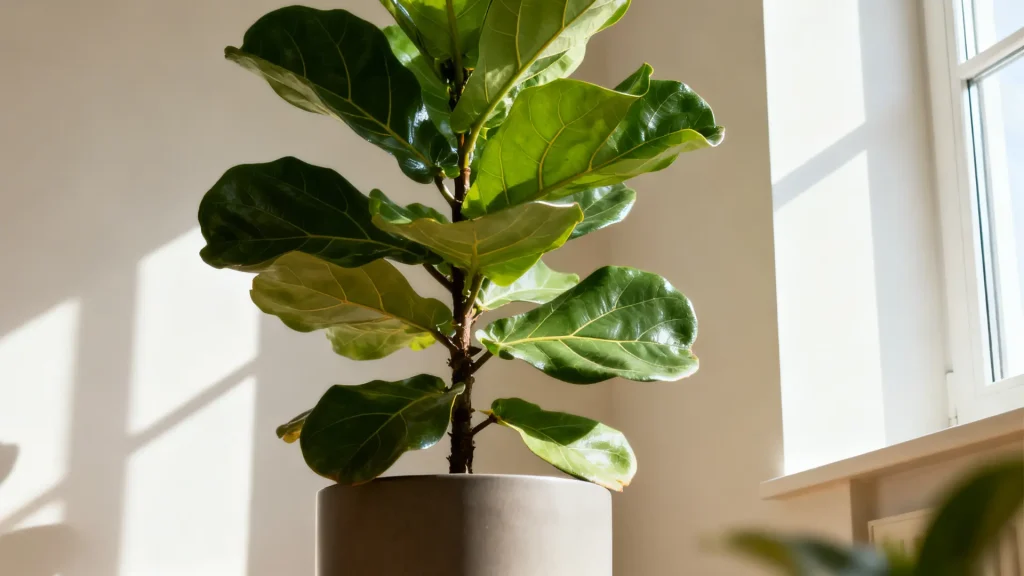
Fiddle leaf fig is known for its large, glossy leaves and strong visual presence. Its size provides more surface area, which helps it interact with indoor air.
It prefers bright, indirect light and stable conditions to grow well. However, it can be sensitive to changes and needs careful maintenance.
19. Calathea
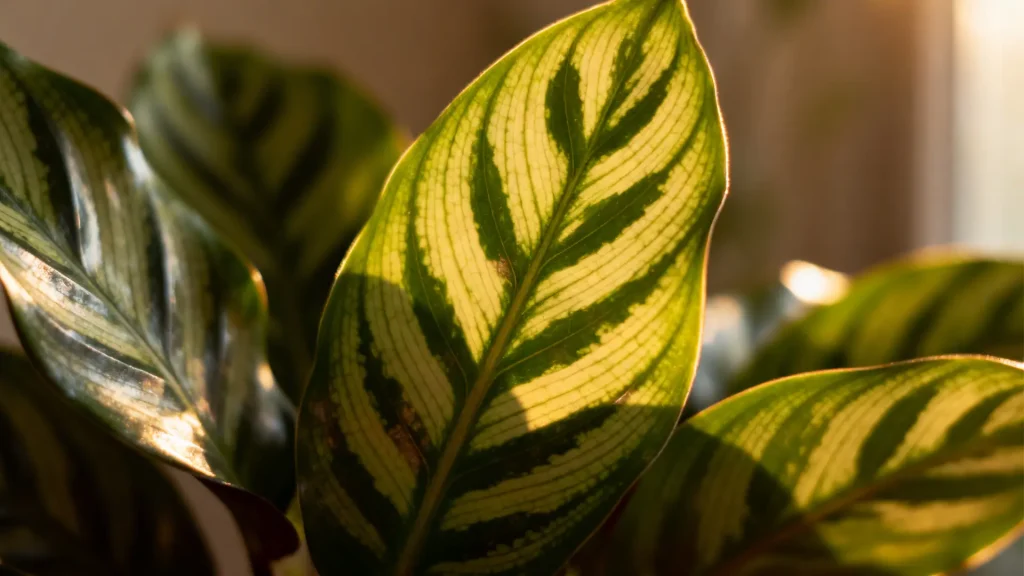
Calathea is valued for its patterned leaves and ability to thrive in low to moderate light. It prefers humid conditions, making it suitable for indoor spaces that need moisture balance.
It requires regular watering and care to maintain its appearance. However, it can be sensitive to dry air and may not be ideal for beginners.
20. Kentia Palm
Kentia palm is a slow-growing plant that adapts well to indoor environments. It works well in moderate light and adds a calm, natural feel to the space.
It is relatively low-maintenance compared to other palms. However, it needs space to grow and does not tolerate neglect for long periods.
21. Anthurium
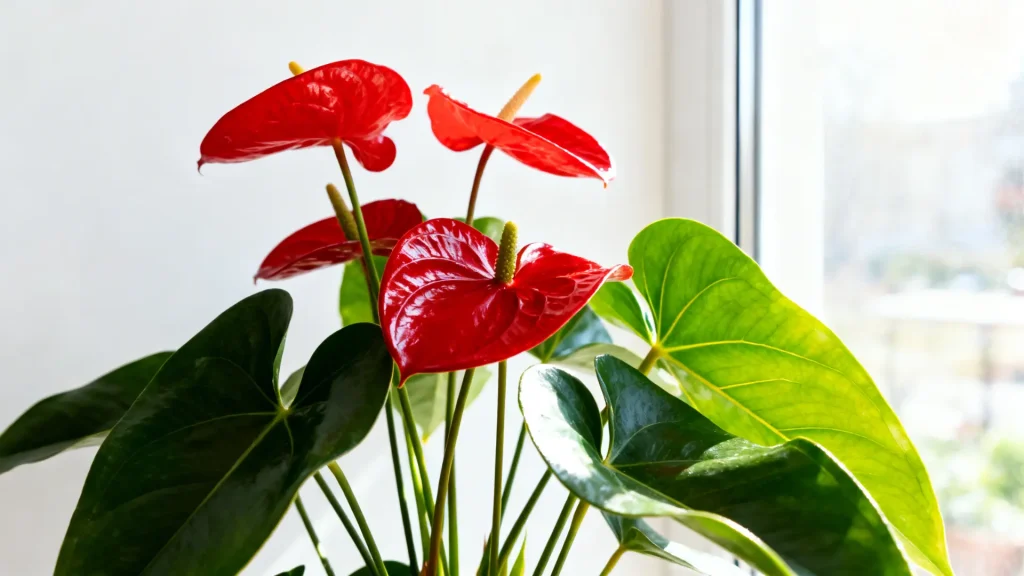
Anthurium stands out for its glossy leaves and long-lasting flowers. It grows well in bright, indirect light and prefers slightly humid conditions.
It can help maintain a balanced indoor environment when kept healthy. However, it requires regular care and is not suitable for homes with pets due to toxicity.
22. Orchids
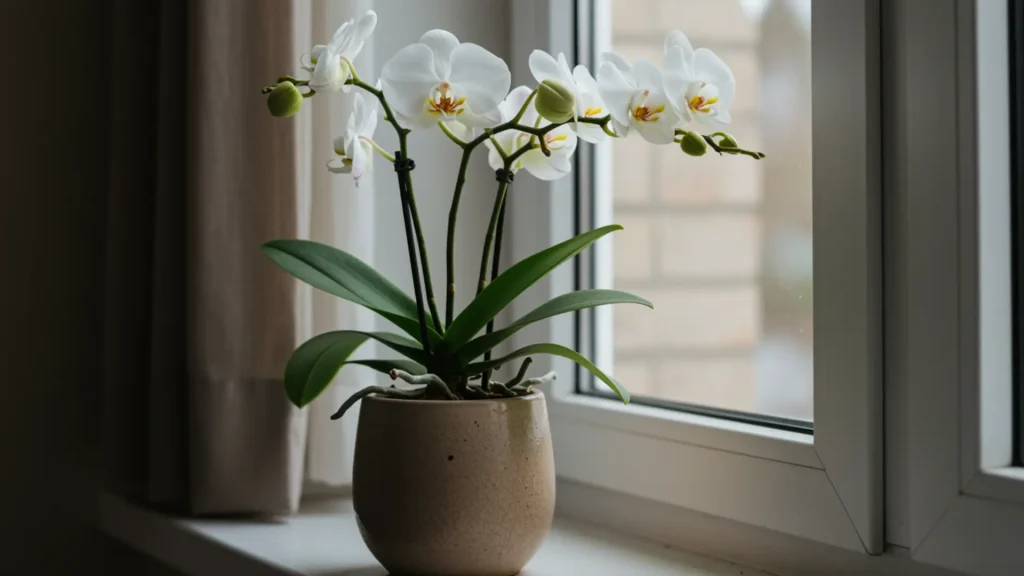
Orchids are compact plants that fit well in smaller indoor spaces. They thrive in indirect light and need careful watering to avoid root damage.
They can add freshness to a room through their natural growth cycle. However, they can be sensitive to overwatering and require consistent care.
23. Ponytail Palm
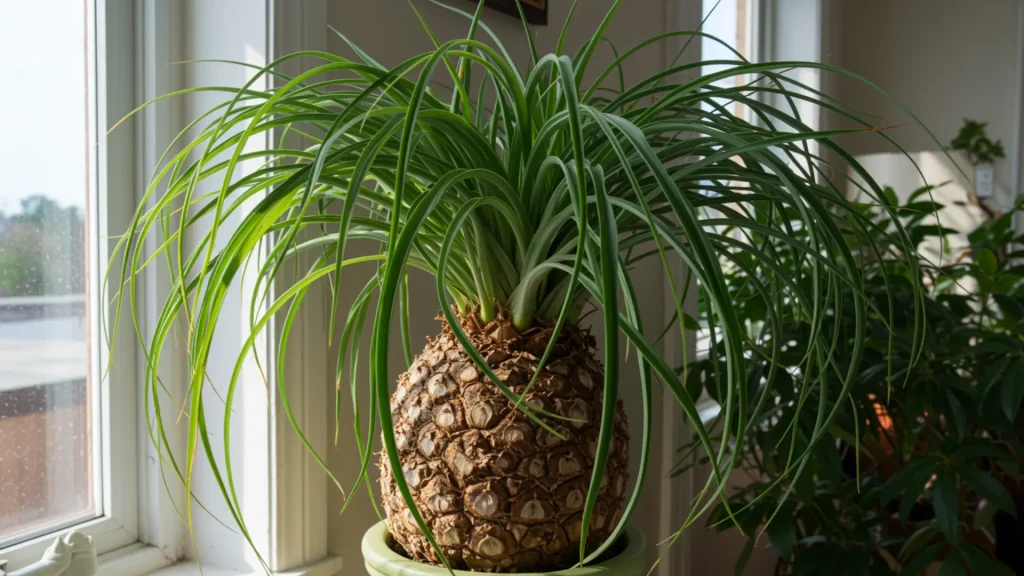
Ponytail palm is a low-maintenance plant that stores water in its thick base. It grows well in bright light and can tolerate periods of neglect.
This makes it a good choice for busy or beginner-friendly spaces. However, it grows slowly and does not adapt well to low-light conditions.
24. Staghorn Fern
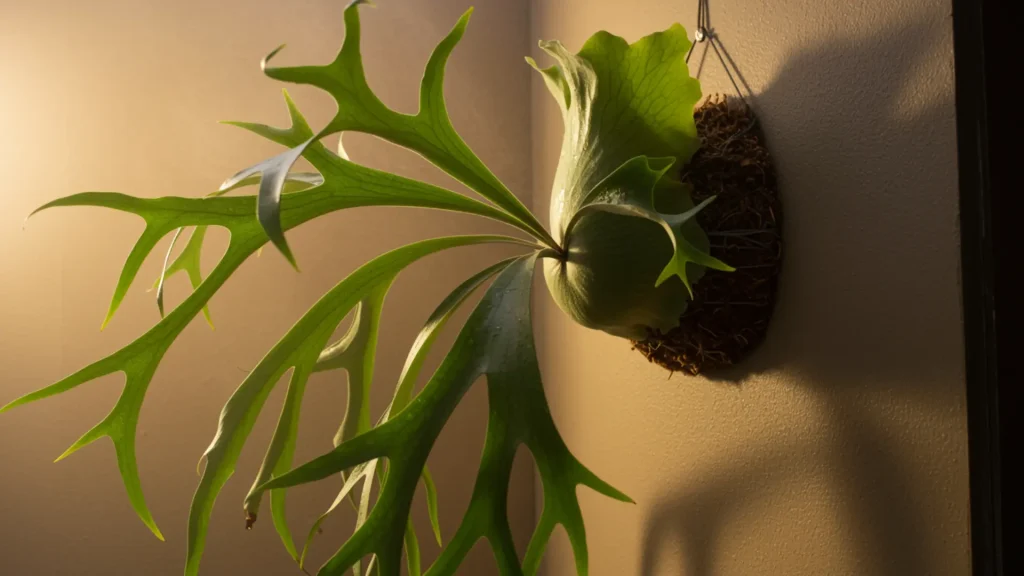
Staghorn fern has a unique structure and is often mounted on walls. It prefers humid environments and indirect light to stay healthy.
It can help improve the feel of indoor spaces with its natural form. However, it needs specific care and may not suit typical indoor setups.
25. Coffee Plant
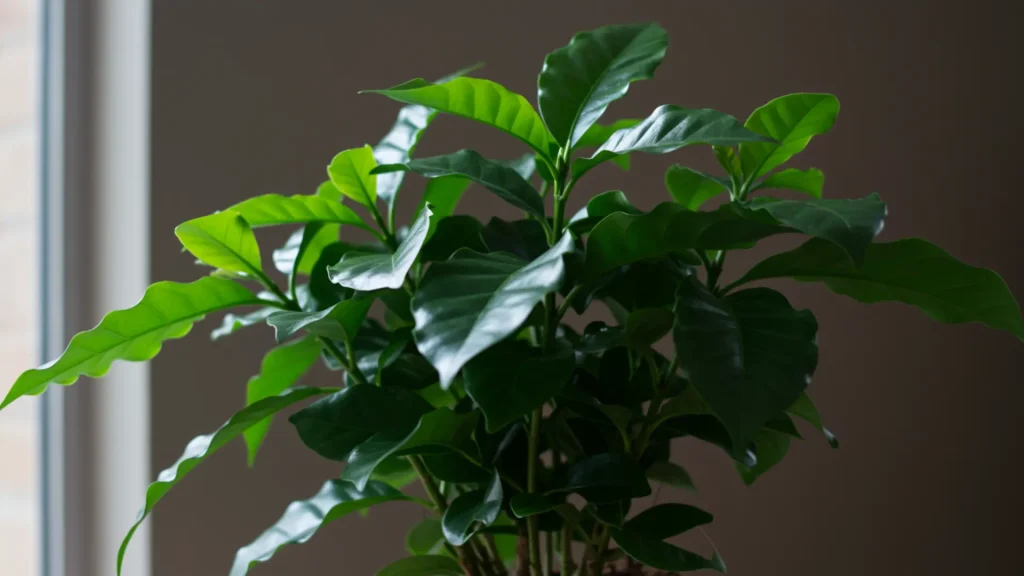
The coffee plant grows well indoors with bright, indirect light and regular watering. Its glossy leaves help it stay active and visually appealing in indoor spaces.
It can adapt to indoor conditions with proper care over time. However, it requires consistent maintenance and does not tolerate neglect well.
How Many Plants Do You Actually Need
A few plants are not enough to make a noticeable difference in indoor air quality. In most cases, you would need many plants to see even a small effect.
Based on controlled studies, estimates suggest around 15–20 medium-sized plants for an average home. This is because each plant can only process a limited amount of air.
In real conditions, air keeps moving and mixing. So the impact of a few plants becomes even smaller.
When compared to an air purifier, the difference is clear. An air purifier can clean large volumes of air quickly, while plants work slowly and in small amounts.
Plants can still support a healthier indoor space. But relying on them alone is not practical for air purification.
When Indoor Plants Help and When They Don’t
Indoor plants can support air quality in some situations. But their effect depends on the environment.
| Situation | When Plants Help | When Plants Don’t Help |
|---|---|---|
| Room Size | Small, enclosed spaces | Large rooms |
| Airflow | Low ventilation | High airflow / open spaces |
| Number of Plants | Multiple plants grouped together | Just 1–2 plants |
| Pollution Level | Low, everyday indoor pollutants | Smoke, strong odors, and high pollution |
| Speed Needed | Slow, gradual improvement | Quick air cleaning is needed |
Plants can also add slight humidity and make a space feel fresher. But their actual air-cleaning effect remains limited. They work best as a support, not a primary solution for air purification.
How to Choose the Right Plant for Your Space
Selecting the right plant for your space depends on several factors.
The first consideration is light. Some plants thrive in low light, while others need bright, indirect sunlight to stay healthy. Be sure to match the plant to the natural light conditions in your room to ensure it grows well.
Next, think about maintenance. Choose plants that align with the level of care you can provide. Low-maintenance plants are easier to manage, while others require more regular attention and care. If you have the time and energy for more demanding plants, they can make a great addition.
Safety is another important factor, especially if you have pets or young children. Some plants are toxic if touched or ingested, so opting for non-toxic varieties ensures a safer environment for everyone.
Finally, consider the space available. Larger plants need more room and good airflow, while smaller plants are better suited for compact areas.
Matching the plant to your available space and routine helps keep it healthy and thriving over time.
Getting the Most Out of Indoor Plants
To get the most out of your indoor plants and improve air quality, follow this:
- Group Plants Together: Grouping plants enhances their collective impact, improving air quality and maintaining humidity, which supports plant health and effectiveness.
- Keep Leaves Clean: Clean leaves regularly with a damp cloth to remove dust, helping plants absorb pollutants more effectively.
- Maintain Healthy Soil: Use good-quality, slightly moist soil to support microbes that break down pollutants and improve plant function.
- Place Plants Near Pollution Sources: Position plants near sources of indoor pollutants like furniture or electronics to increase exposure and improve air quality.
By following these steps, you can boost your plants’ ability to support a healthier indoor space.
Conclusion
Indoor greenery adds more than visual appeal; it introduces a natural layer of comfort and environmental awareness to your home.
While their purification capacity is modest, their true value lies in supporting a healthier, more balanced indoor atmosphere.
By selecting suitable plants, maintaining them properly, and pairing them with proper ventilation, you create a space that feels fresher and more inviting.
Thoughtful integration, rather than reliance, delivers the best results.
Ready to improve your living environment? Start by choosing a few plants that suit your space and observe the difference they bring.