
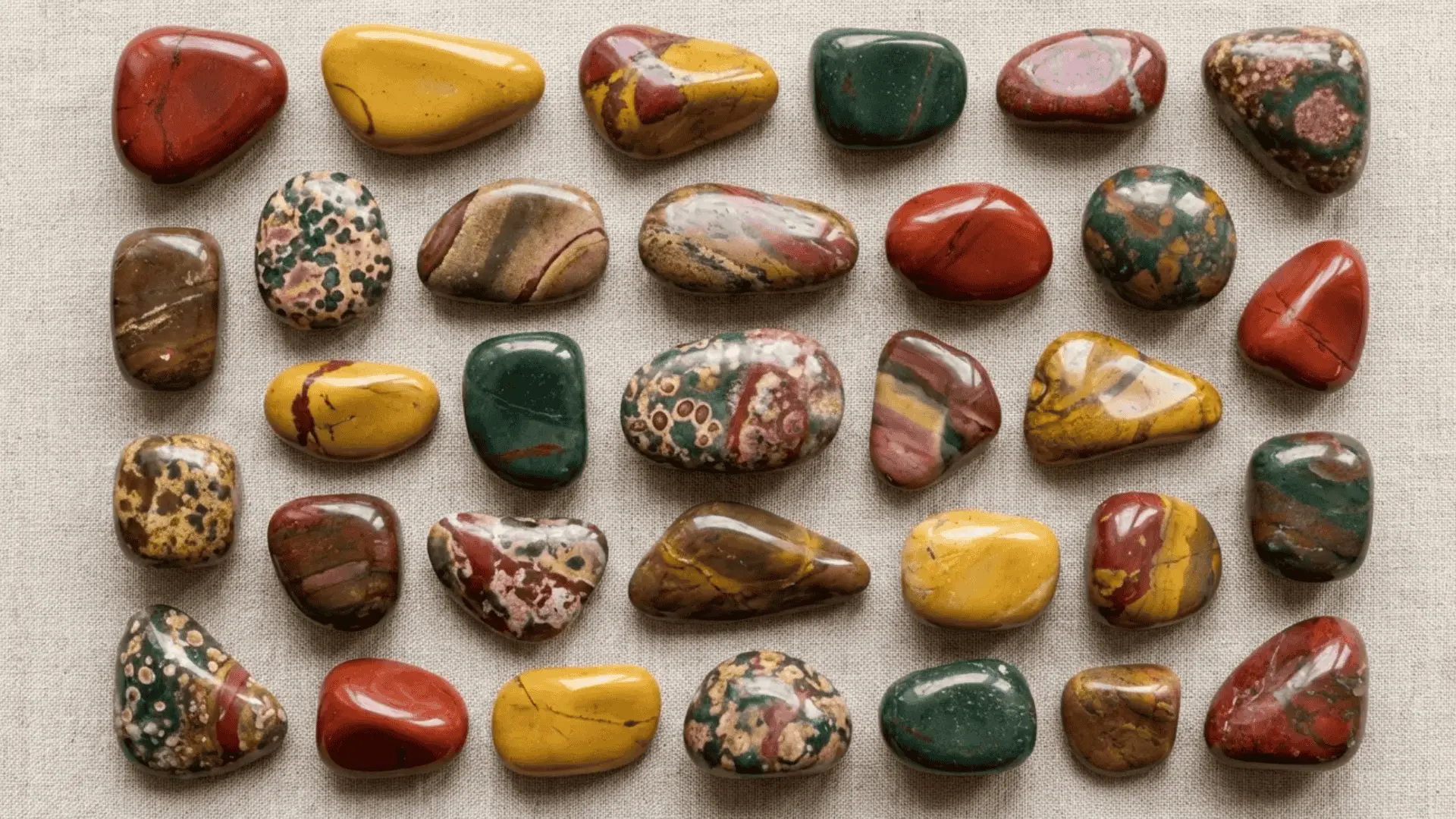
Jasper Stone Colors, Types & Uses
Jasper is known for its wide and striking color range, but many people don’t realize what actually causes that variation.
Jasper stone color is not random. It comes from the minerals and conditions present when the stone forms, which is why no two pieces ever look the same.
From deep reds to earthy greens and rare shades like blue or purple, each color tells a different story.
Today, I’ll break down what affects Jasper stone color, the most common and rare shades, how patterns form, and how to identify genuine pieces so you know exactly what you’re looking at.
What is Jasper Stone?
Jasper is a type of chalcedony, a form of quartz that is fully opaque. Unlike transparent gems like quartz crystal or amethyst, you cannot see through jasper at all.
It is found on nearly every continent and has been used for thousands of years in jewelry, carvings, and decorative objects. Its wide availability and remarkable color variety make it one of the most accessible and recognizable gemstones in the world.
Why Jasper Looks Different from Other Stones
Most gemstones are transparent or translucent, allowing light to pass through. Jasper is fully opaque, which gives it a solid, grounded appearance that immediately sets it apart.
Its colors and patterns are derived from minerals and sediment trapped during its formation. This is why Jasper can look striped, spotted, swirled, or marbled, depending on where it was found.
What Colors Does Jasper Stone Come In?
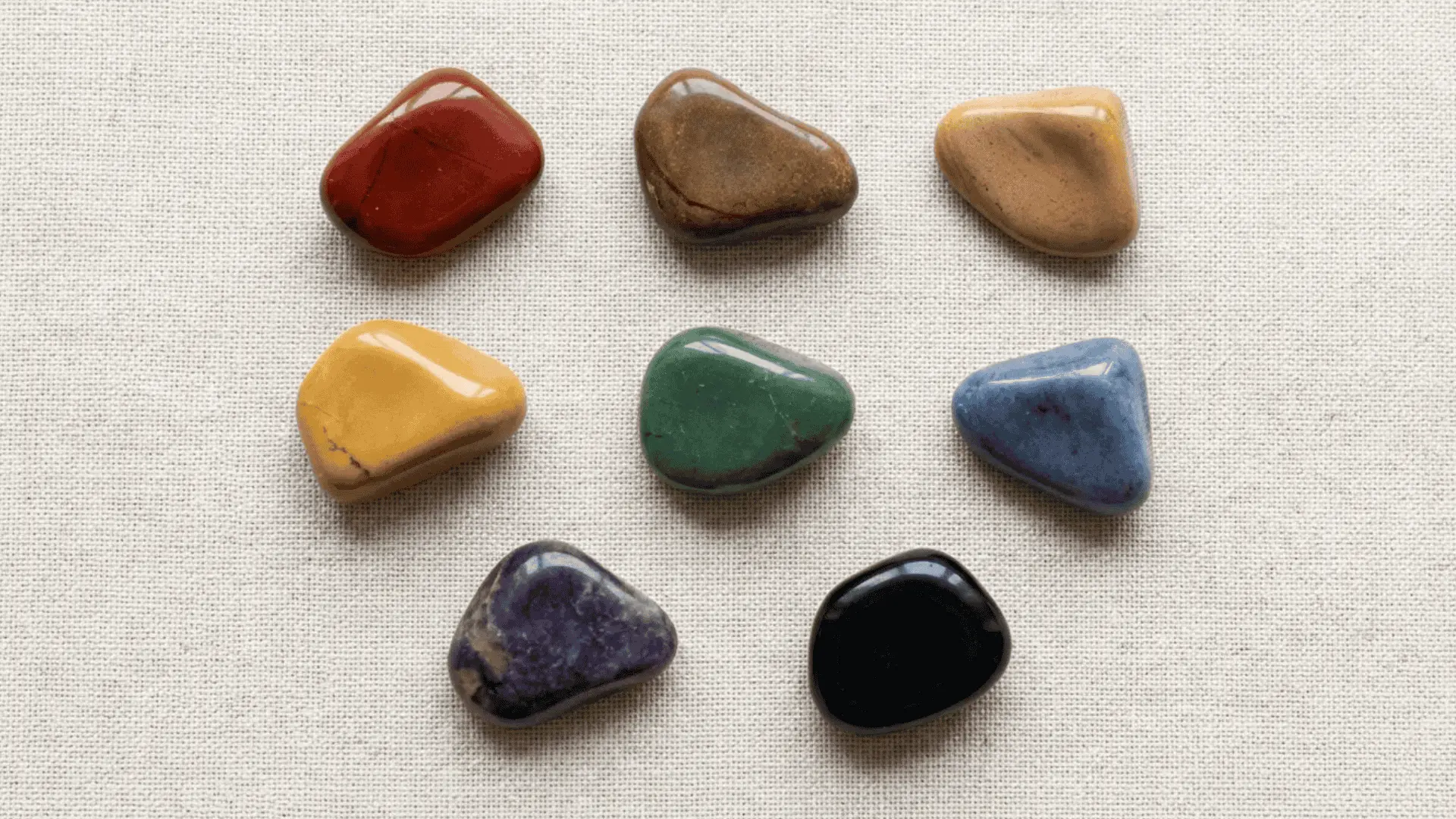
Jasper has one of the widest color ranges of any gemstone. From deep reds and warm yellows to earthy browns and cool greens, the variety is remarkable, and no single color defines it.
Every piece is unique, and there is no standard shade that represents all jasper stones.
Most Common Jasper Colors
Some colors appear more frequently depending on where the stone is mined. These are the shades most people associate with Jasper.
- Red: One of the most recognized jasper colors, caused by iron oxide in the stone.
- Brown and tan: Earthy tones widely found across many jasper varieties.
- Yellow: Warm and golden shades that appear in many natural deposits.
- Green: Ranges from pale olive to deep forest green depending on mineral content.
These colors are easy to find and commonly used in jewelry and decorative pieces.
Rare and Unusual Colors
Some jasper colors are harder to find and considered more valuable as a result.
- Blue: One of the rarest jasper colors and highly sought after by collectors.
- Purple: Uncommon and often found in small quantities within mixed-color stones.
- Black: Dense and striking, but less frequently found in pure form.
Rare colors are often more expensive and harder to source from standard suppliers.
What Causes Jasper’s Different Colors and Patterns?
Jasper gets its color from the minerals and impurities present during its formation. The type and amount of each mineral directly determine the shade and pattern of the final stone.
Role of Iron and Other Minerals
Iron oxide produces reds and yellows, clay minerals produce earthy browns, chlorite produces greens, and carbon or manganese produces black or purple tones.
Because mineral combinations vary from location to location, no two jasper stones are ever identical in color or pattern.
Effect of Formation Conditions
The environment where Jasper forms plays a big role in its final appearance.
Temperature, pressure, and surrounding rock determine which minerals get trapped in the stone. Jasper formed near volcanic regions contains different minerals from jasper found in sedimentary rock.
This is why stones from different locations can look completely different even though they are the same type.
Why Patterns Like Bands and Swirls Appear
Bands form when mineral-rich fluid flows in consistent layers, while swirls occur when fluids mix or shift direction before the stone fully hardens.
The more movement during formation, the more complex and unique the final pattern becomes.
Popular Types of Jasper Based on Color and Pattern
Jasper comes in many named varieties, each defined by its distinct color, pattern, or place of origin. Understanding what makes each type unique helps you identify and appreciate them more easily.
1. Red Jasper
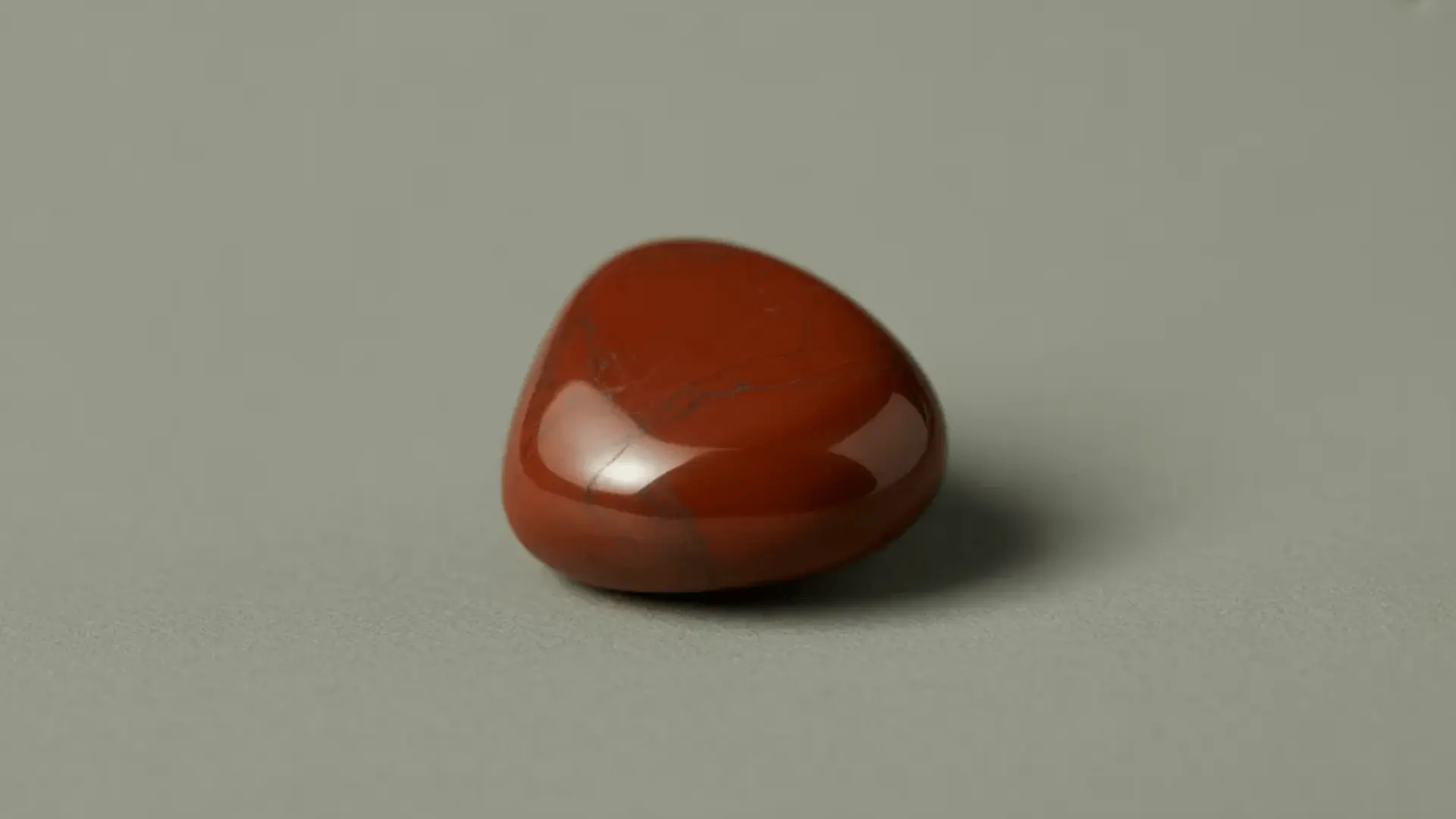
Red jasper is one of the most well-known and widely available varieties. Its deep brick-red color comes from a high concentration of iron oxide, and its surface is usually smooth and uniform with little pattern variation.
It is one of the most commonly used jasper types in jewelry and decorative carvings. Its bold, consistent color makes it easy to pair with metals and other natural stones.
2. Yellow Jasper
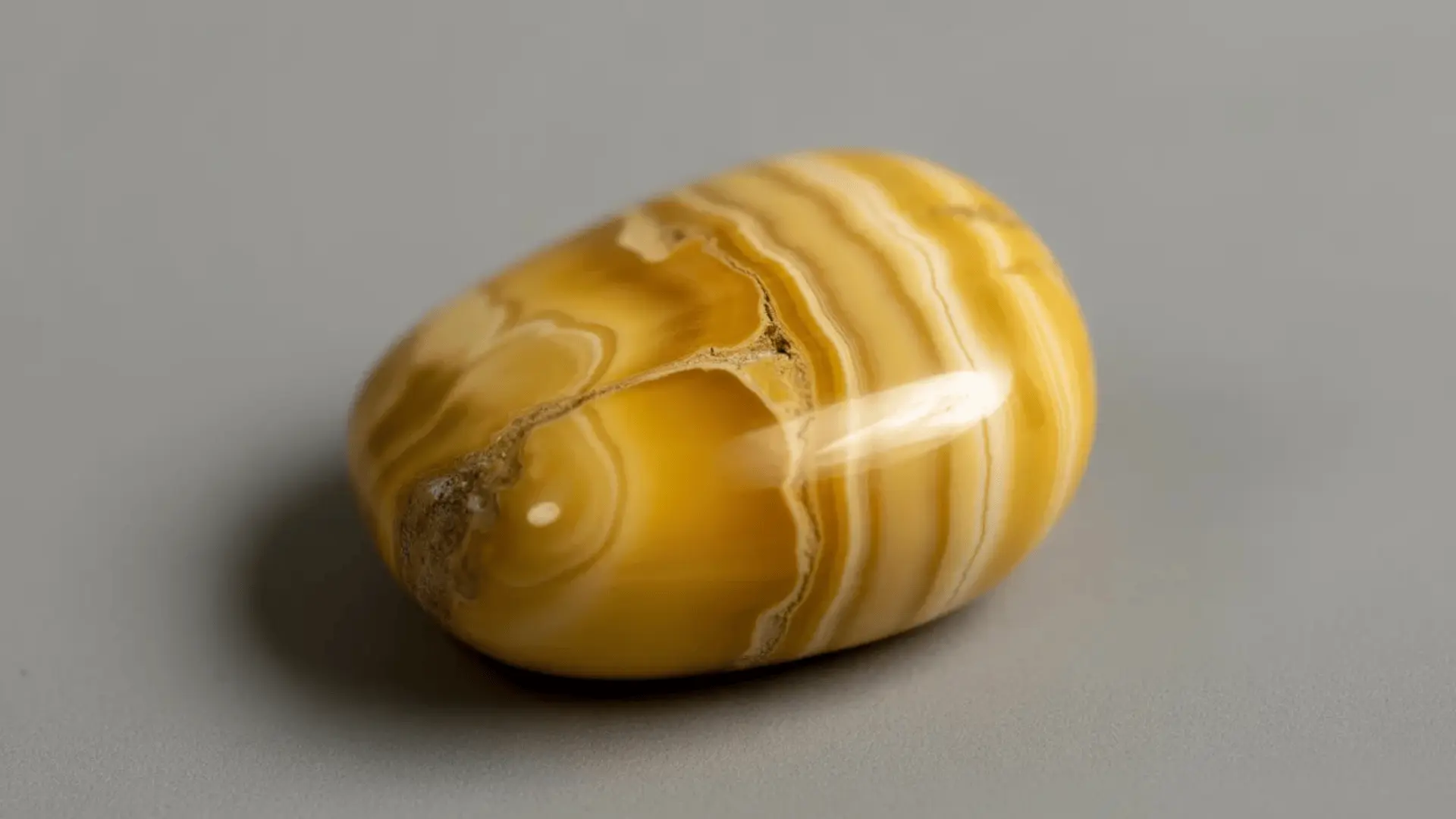
Yellow jasper ranges from pale golden tones to deeper mustard shades. Its color comes primarily from iron and clay minerals, and the surface is often solid or mildly patterned with subtle earthy variations.
It has a warm and grounding appearance that works well in both casual and decorative jewelry. Yellow jasper is a popular choice for beads, pendants, and small ornamental pieces.
3. Green and Kambaba Jasper
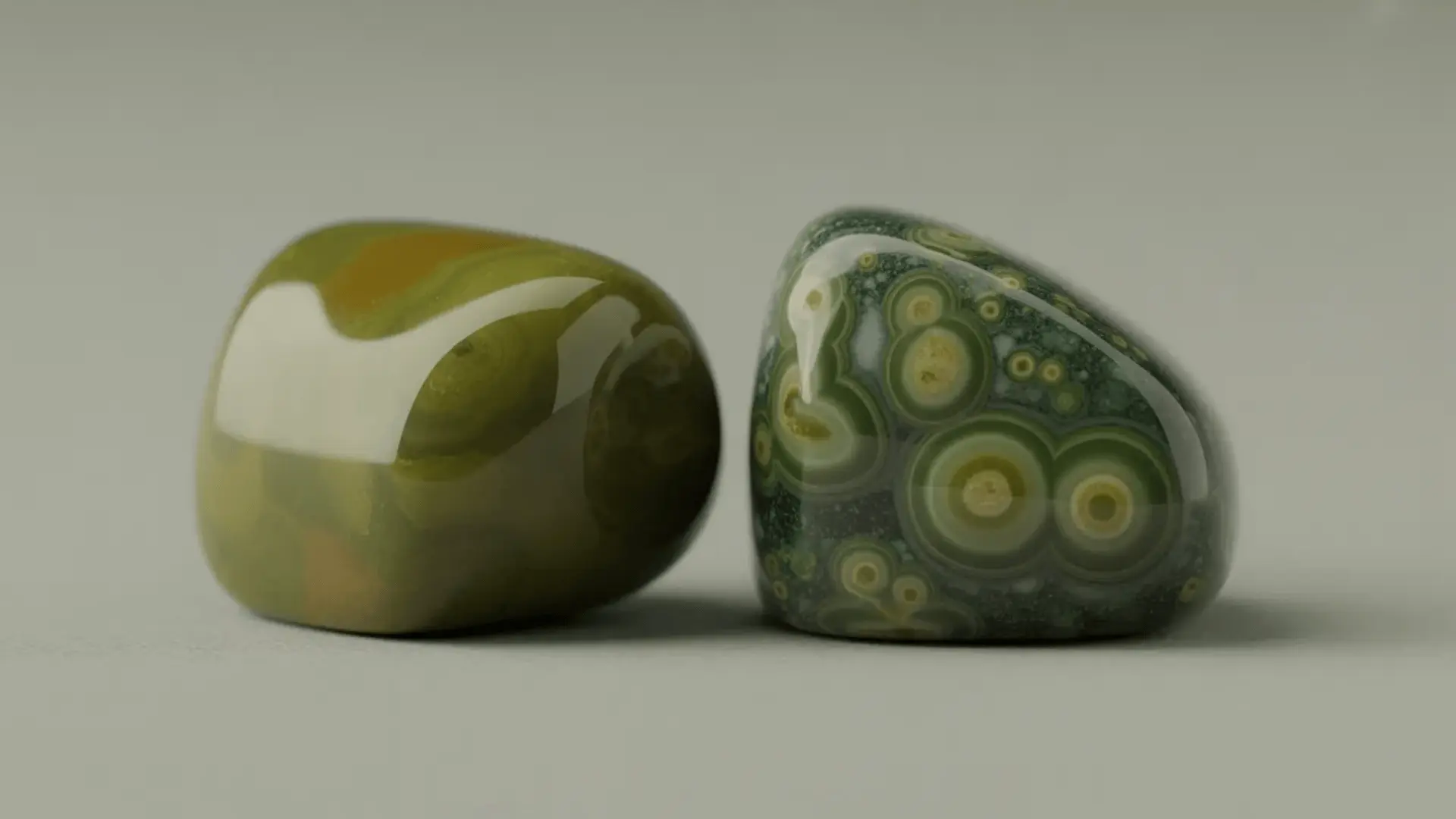
Green jasper ranges from light olive to rich forest green. Kambaba jasper is a specific variety with a dark green base and distinctive circular orbicular patterns, making it one of the most visually striking varieties available.
Both types get their color from chlorite and other green-producing minerals trapped during formation.
Kambaba jasper in particular stands out because of its dramatic contrast between the dark base and the lighter circular markings.
4. Ocean Jasper
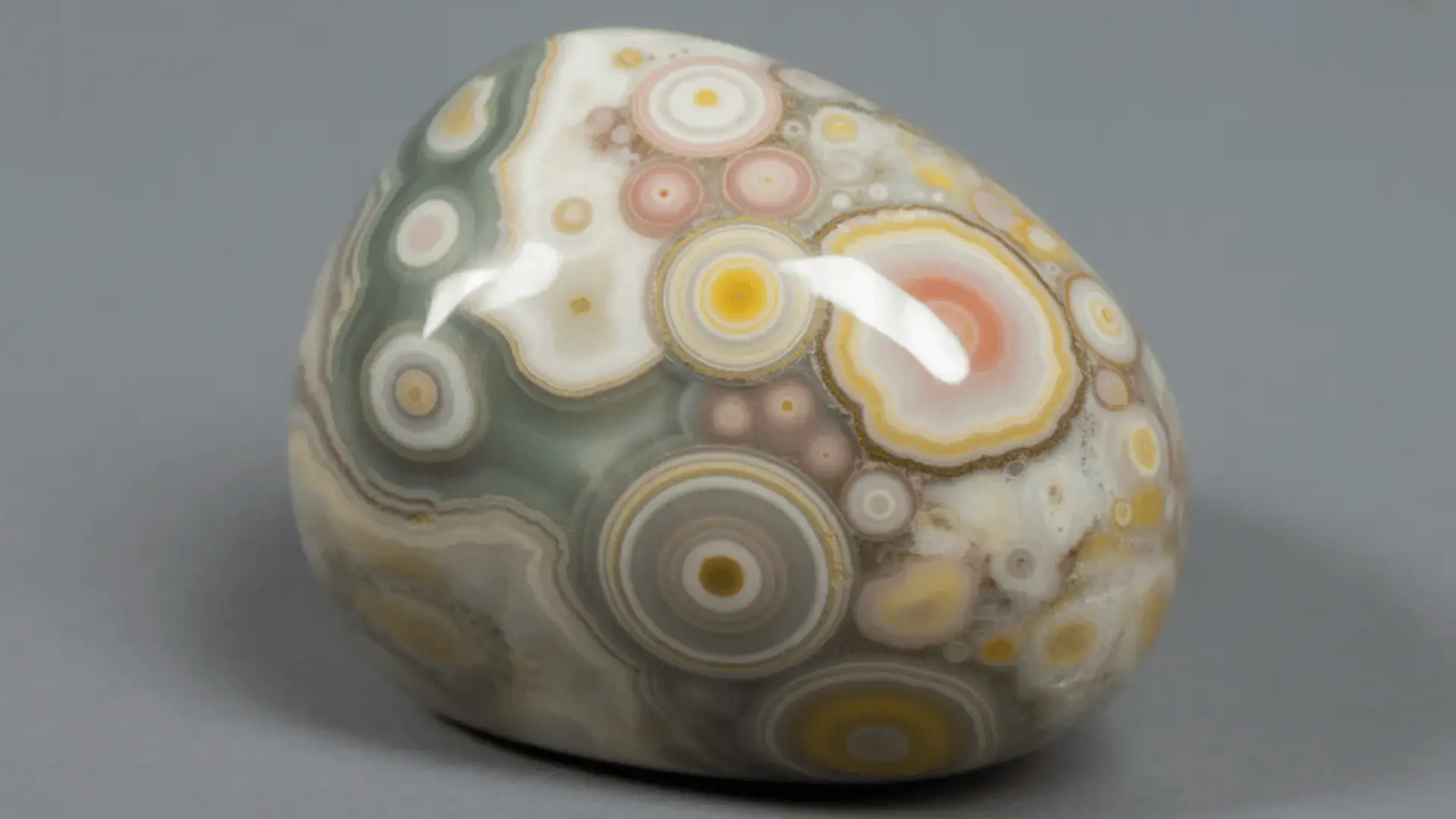
Ocean jasper is known for its circular orb-like patterns set against a range of colors, including white, green, pink, and yellow.
Found only in Madagascar, it is considered a collector’s stone due to its limited availability and highly varied appearance.
Each piece looks completely different from the next, which makes it one of the most sought-after jasper varieties in the world. Its multicolor surface and unique orb patterns make it a standout choice for statement jewelry and display pieces.
5. Brecciated Jasper
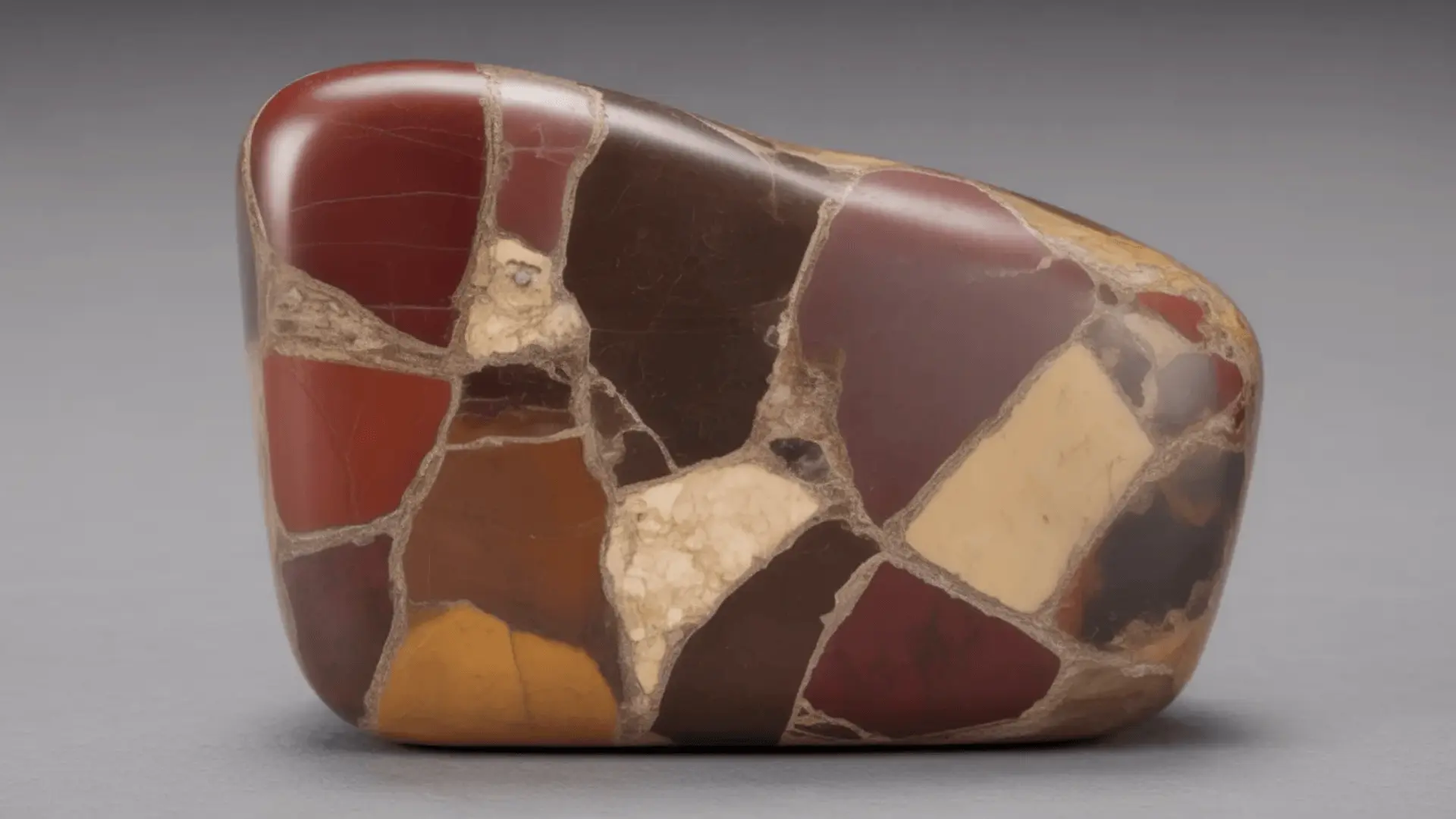
Brecciated jasper forms when jasper fragments are naturally broken and recemented by other minerals. This creates bold, irregular patterns with sharp contrasts between red, brown, and cream tones, making every piece completely unique.
The fractured, patchy look gives it a raw, natural character that sets it apart from smoother jasper varieties. It is a popular choice for collectors who appreciate bold and visually complex stones.
Other Pattern-Based Types
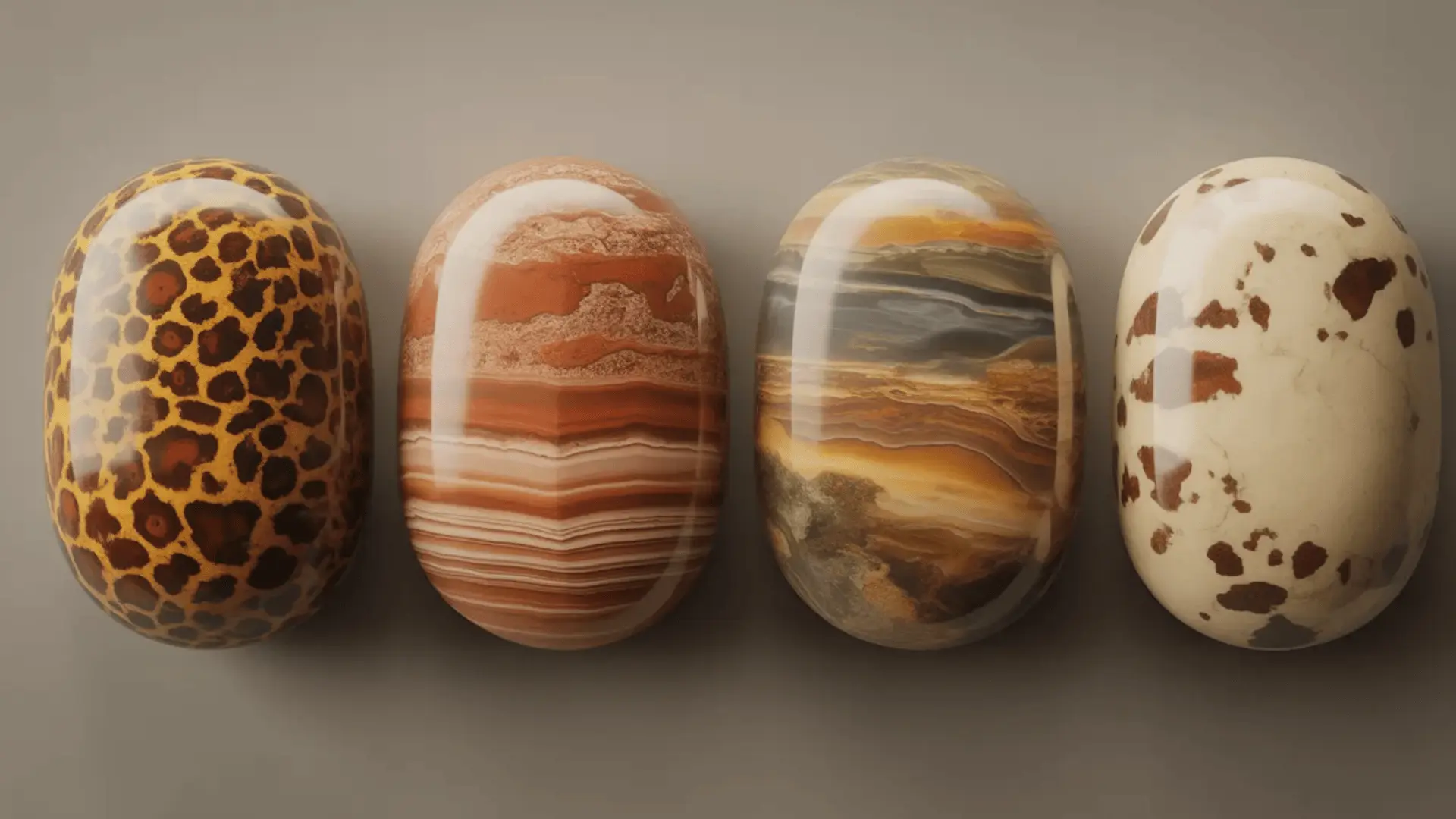
Some jasper varieties are defined more by their patterns than their colors.
- Leopard jasper: Features spots and markings that resemble animal print.
- Landscape Jasper: Contains scenic patterns resembling desert or mountain scenery.
- Picture Jasper: Shows detailed earth-toned imagery resembling painted landscapes.
- Dalmatian jasper: Has a white or cream base with dark spots similar to a dalmatian dog.
These varieties are popular among collectors and often used as statement pieces in jewelry and home décor.
How to Identify Real JasperStone
Jasper is widely available, but not every stone sold as jasper is genuine. Knowing what to look for helps you avoid fakes and make confident purchases.
| Feature | Genuine Jasper | Fake or Dyed Jasper |
|---|---|---|
| Opacity | Fully opaque with no light passing through | May appear semi-transparent or uneven in opacity |
| Weight | Feels dense and heavy for its size | Feels noticeably lighter, especially plastic imitations |
| Temperature | Stays cool to the touch initially | Warms up quickly in your hand |
| Surface Texture | Smooth when polished, waxy or grainy when unfinished | Often too smooth or plasticky in feel |
| Color Distribution | Natural and uneven color variation throughout | Color concentrated along cracks or edges |
| Hardness | Hard enough to scratch glass | Most fakes cannot scratch glass |
| Patterns | Organic, irregular, and naturally varied | Too perfect, uniform, or symmetrical |
| Price | Reasonably priced but never extremely cheap | Often sold at suspiciously low prices |
| Source | Comes with clear origin or sourcing information | Vague or no information about where it came from |
To identify Jasper quickly, hold it up to the light to check for full opacity, feel the weight, and look for natural and uneven color variation rather than tones that appear too perfect or uniform.
Uses of JasperStone
Jasper has been used for thousands of years in jewelry, carvings, and decorative objects. Its durability, color variety, and natural patterns make it one of the most versatile stones available today.
- Jewelry: Cut into cabochons for pendants and rings, shaped into beads for bracelets and necklaces, and polished into smooth stones for earrings and charms.
- Decorative carvings: Used for figurines, bookends, and coasters, with landscape and picture jasper being especially popular for their scenery-like patterns.
- Everyday durability: Ranks six to seven on the Mohs hardness scale, making it resistant to scratches and practical for daily use without special care.
- Home decor: A popular choice for ornamental pieces and display objects due to its bold colors and natural patterns.
Its combination of strength, beauty, and low maintenance is why jasper remains a consistently popular choice for both personal wear and home styling.
Conclusion
Jasper stands out not because of rarity, but because of its diversity. Each piece carries a mix of minerals and patterns that make it completely unique, which is why it has remained relevant across cultures and uses.
Understanding what Jasper Stone is helps you look beyond color and recognize the factors that shape its appearance and value.
From identifying real pieces to choosing the right type for jewelry or decor, the knowledge you now have makes the process more informed and practical.
Which type of jasper caught your eye the most? Drop a comment and share your pick.


