From Classic to Modern: 50 Types of Furniture
What actually counts as furniture, just the comfy sofa and cozy bed? Or that tiny side table you keep bumping into at night?
Furniture is basically the stuff that makes a house feel livable. The pieces that let you sit, sleep, eat, work, etc. Think chairs, tables, beds, cabinets, and a whole lot more.
But here’s the fun part. Most of us use furniture every single day… yet we don’t always know what each piece is actually called.
That’s why this guide exists. Inside, you’ll find a simple, room-by-room glossary of furniture types.
Living Room Furniture Types
The living room usually needs two things: comfortable seating and easy surfaces for daily life. Think: sitting, chatting, watching TV, and putting stuff down without stress.
1. Sofas and Couches

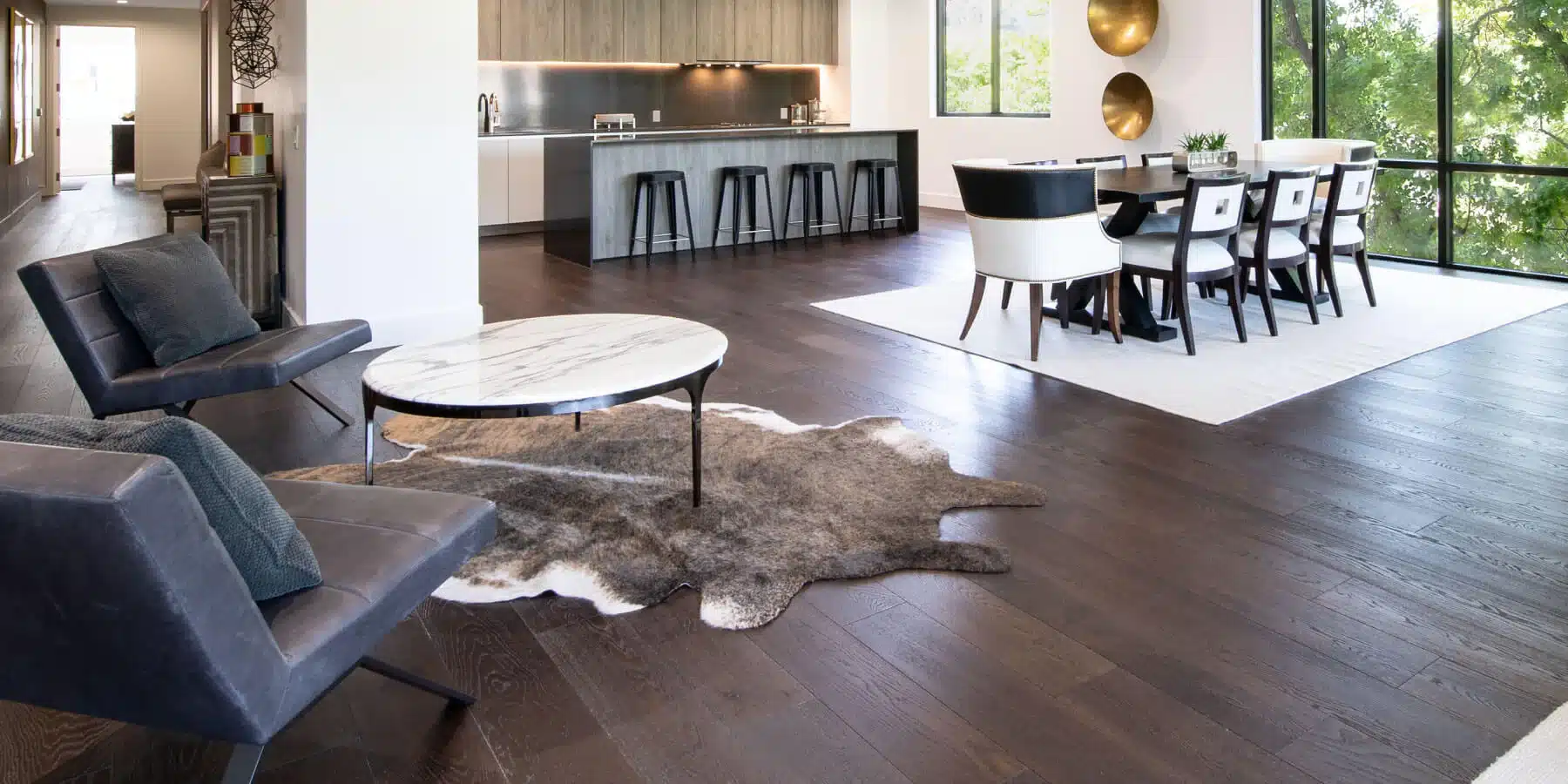
A sofa (or couch) is a piece of seating with cushions designed for multiple people. It is usually the main seating feature in a living room.
Most room layouts are arranged around the sofa, making it a key “anchor” element in the space. It defines both comfort and overall style.
Sofas come in various sizes, fabrics, and frame styles, from compact two-seaters to large family-sized designs. Choosing the right one often depends on room size and daily usage.
2. Sectional Sofas

A sectional is a sofa made of multiple connected sections. These pieces are commonly arranged in L-shaped or U-shaped layouts.
Sectionals are ideal for larger living rooms or open-plan homes that need more seating. They eliminate the need for several separate chairs.
Many sectionals are modular, allowing you to rearrange or expand them as your space or needs change over time.
3. Loveseats

A loveseat is a smaller sofa that seats two people comfortably. It offers the same style and structure as a full sofa but in a compact form.
It works well in apartments, small living rooms, or as additional seating alongside a larger sofa.
Loveseats are also useful in bedrooms, offices, or cozy corners where a full-sized couch would feel oversized.
4. Recliners

A recliner is a chair designed to lean backward for relaxation. Most include a footrest that extends when the back tilts.
Some recliners operate manually, while others use power controls. Certain models also swivel or rock gently.
They are often chosen for comfort-focused spaces like family rooms, reading areas, or home theaters.
5. Accent Chairs

Accent chairs are single-seating pieces added to complement a room’s design. They provide both extra seating and visual interest.
These chairs can introduce texture, color, or a unique shape into a space. They are often placed in corners, near windows, or across from a sofa to create a balanced layout.
6. Coffee Tables

A coffee table is a low table placed in front of a sofa or seating area. It serves as a central surface for everyday items.
It holds drinks, books, remotes, or decorative pieces within easy reach. Some coffee tables also feature drawers, shelves, or lift tops for added functionality.
7. End Tables

End tables, also called side tables, are placed next to sofas or chairs. They provide a convenient surface for small items.
They are commonly used for lamps, drinks, phones, or decorative accents. Though compact, they help complete a seating arrangement and improve everyday convenience.
8. Console Tables

A console table is long and narrow, typically placed against a wall or behind a sofa. It is often used to display décor, hold keys, or support lighting.
Some designs include drawers or lower shelves, adding light storage without taking up much floor space.
9. TV Stands and Media Units

TV stands are designed to support televisions safely. They often include compartments for media equipment. Media units may feature shelves, cabinets, or cable management systems to reduce clutter.
These pieces help organize entertainment devices while keeping the living area neat and structured.
10. Ottomans and Poufs

An ottoman is a padded piece of furniture used as a footrest, extra seat, or soft surface. Some ottomans are large enough to act as coffee tables when paired with a tray.
Poufs are similar but smaller and more flexible, often used casually in relaxed seating areas.
11. Bookshelves and Display Cabinets

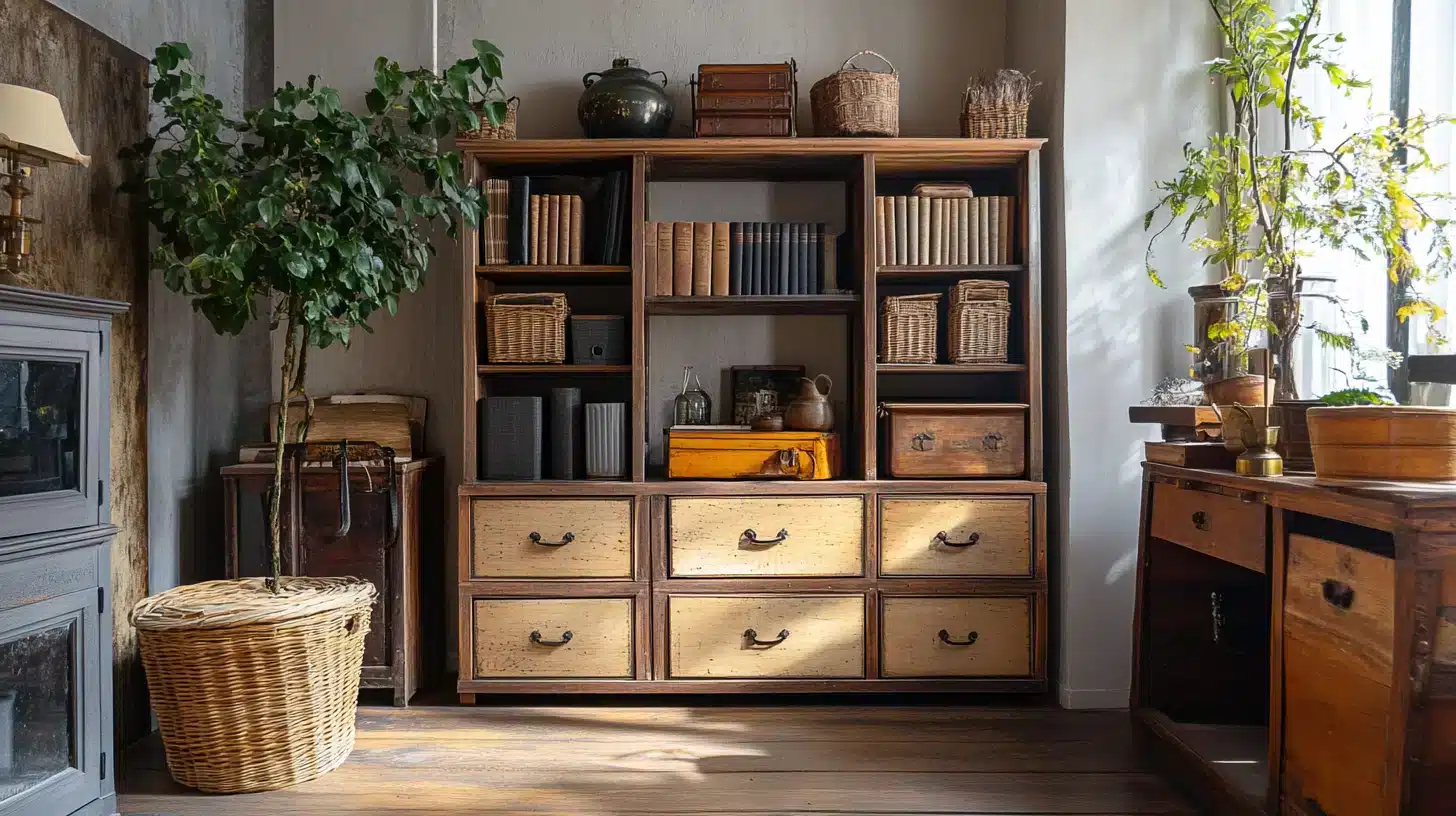
Bookshelves are open storage units used for books, décor, and personal items. They allow easy access and display. Display cabinets often include glass doors to protect valuable or decorative objects.
Both pieces combine storage and presentation, helping organize items while enhancing the room’s appearance.
Bedroom Furniture Types
Bedroom furniture is all about rest and storage. If a bedroom feels messy, it usually needs better storage furniture – not more décor.
12. Beds (Platform, Panel, Canopy, Sleigh)

Beds come in many frame styles, each with a distinct look and structure.
A platform bed has a built-in base and usually doesn’t need a box spring. A panel bed includes a headboard, footboard, and side panels for support.
A canopy bed features tall posts that can hold a frame or fabric above, while a sleigh bed has curved headboards or footboards shaped like a sleigh.
13. Mattresses

A mattress is the main cushioned sleep surface. It sits on a frame, platform, or foundation. Comfort and support can vary a lot across types and brands.
Different materials affect how a mattress feels. Memory foam contours to the body, while innerspring models offer more bounce and airflow.
Choosing the right mattress can improve sleep quality, reduce back discomfort, and support proper body alignment over time.
14. Nightstands

Nightstands are small bedside tables. They hold essentials like a lamp, water, a book, or a phone. Many designs include drawers or shelves for storing personal items such as chargers, glasses, or medications.
Placing matching nightstands on both sides of the bed can create visual balance and improve overall bedroom symmetry.
15. Dressers

A dresser is a wide piece of furniture with drawers. It usually stores folded clothes and daily items. Dressers often feature six to nine drawers, making it easier to organize clothing by type.
Some models include a mirror attached or placed above, turning the dresser into a practical dressing area.
16. Chests of Drawers

A chest of drawers is taller and more vertical than a dresser. It’s useful in small rooms when you need storage but can’t use a wide piece.
Its compact footprint allows it to fit into corners or narrow wall spaces.
Chests are commonly used for folded clothing, accessories, or seasonal items that need organized storage.
17. Wardrobes

A wardrobe is a freestanding unit for hanging clothing. It often includes rails, shelves, or drawers.
Wardrobes are especially helpful in rooms without built-in closets. They provide a complete storage solution in a single unit.
Some modern wardrobes also feature sliding doors, mirrors, or internal organizers for added functionality.
18. Armoires

An armoire is a large cabinet that may store clothing, linens, or even a TV, depending on the design. It’s like a wardrobe with a more “cabinet” feel.
Armoires usually have full doors that conceal everything inside, creating a clean and organized look.
They are often chosen for traditional bedroom styles that require extra enclosed storage.
19. Vanity Tables

A vanity table is a grooming setup, often with a mirror and small drawers. It’s used for makeup, skincare, or hair tools.
Many vanity tables include built-in lighting or matching stools for comfort. They create a dedicated personal space while helping keep small beauty items neatly organized.
20. Bedroom Benches

A bedroom bench often sits at the foot of the bed. It’s useful for putting on shoes, placing a bag, or laying out tomorrow’s outfit.
Some benches include hidden storage beneath the seat, adding extra functionality.
They also help visually complete the bed area and add an extra layer of comfort to the room.
Dining Room Furniture Types
Dining furniture supports eating, serving, and gathering. The goal is comfort, space to move, and storage for the items you actually use.
21. Dining Tables

Dining tables come in common shapes, each suited to different spaces and needs.
A rectangular table works well for larger groups and longer rooms. A round table encourages conversation and fits comfortably in smaller spaces.
An extendable table includes extra leaves, allowing it to expand when additional seating is needed.
22. Dining Chairs

Dining chairs are made for table height and meal-time comfort. Some are upholstered, some are wood, and some have arms (armchairs) for the ends of the table.
The height of a dining chair is designed to align properly with standard dining tables. This ensures comfortable seating during meals.
Dining chairs can be matched to the table or mixed for a more modern look. Cushioning, back support, and material choice all affect long-term comfort.
23. Bar Stools

Bar stools are taller seats for kitchen counters or bar-height tables. Some have backs and footrests, which can make a big difference in comfort.
They come in different heights, typically counter height or bar height, depending on the surface they pair with.
Barstools are often used in kitchens with islands, breakfast counters, or entertainment areas for casual seating.
24. Sideboards and Buffets

A sideboard (or buffet) is a long piece of furniture used to store dishes, serving bowls, linens, and cutlery. It also becomes a serving surface during meals.
These pieces usually include cabinets and drawers to keep dining essentials organized.
Sideboards are commonly placed against a wall in dining rooms, adding both storage and decorative display space.
25. China Cabinets

A china cabinet stores and displays dishes, often behind glass doors. It’s great for items you want to protect and still show.
Glass panels allow visibility while reducing dust exposure. Some designs include interior lighting to highlight displayed pieces.
China cabinets are often used for fine dinnerware, collectibles, or special serving items.
26. Kitchen Islands

A kitchen island is a freestanding work surface, sometimes with storage and seating. It adds prep space and often becomes a casual eating spot.
Many islands include drawers, cabinets, or shelves for additional kitchen organization.
In modern homes, kitchen islands often serve as a central gathering point for cooking, dining, and social interaction.
Office Furniture Types
Office furniture should reduce strain and keep work organized. A good setup supports your back, arms, and posture over long hours.
27. Office Desks

Common desk types include the writing desk, executive desk, and standing desk. A writing desk offers a simple surface with minimal storage.
An executive desk is larger and often includes built-in drawers. A standing desk is height-adjustable, allowing you to switch between sitting and standing while working.
28. Office Chairs

Office chairs should support the back and allow proper adjustment. OSHA and GSA both emphasize that adjustable chairs help improve posture and reduce strain.
Ergonomic chairs include features like adjustable height and lumbar support.
Task chairs are compact for short use, while executive chairs are larger and more cushioned for longer hours.
29. Filing Cabinets

Filing cabinets store paperwork in drawers, often in letter or legal sizes. They’re helpful if you handle physical documents and want a clean desk.
Drawers usually include hanging file rails to keep documents organized and easy to access. Some models also feature locking systems for security.
Filing cabinets are commonly placed under desks or against walls to save space while maintaining organization.
30. Bookcases

Bookcases store books, binders, and display items. They can be open for easy access or closed for a cleaner look.
Open bookcases make it simple to grab frequently used materials, while closed designs help reduce dust and visual clutter.
They are often used in home offices to combine storage with decorative display.
31. Conference Tables

Conference tables are larger tables made for group meetings. They’re usually placed in a shared workspace or meeting room.
These tables are designed to accommodate multiple chairs and allow comfortable collaboration.
Some conference tables include built-in cable management systems or power outlets for laptops and presentation equipment.
32. Storage Cabinets

Storage cabinets hold supplies like paper, printers, chargers, and stationery. Closed cabinets are great for reducing visual clutter.
They help keep workspaces tidy by storing items that are not needed daily.
Many designs include adjustable shelves to accommodate different sizes of equipment and office materials.
Outdoor Furniture Types
Outdoor furniture needs to handle sun, moisture, dust, and temperature changes. Materials and maintenance matter more outdoors than indoors.
33. Patio Sets

A patio set is a matching group, often a table and chairs. It’s a quick way to create a coordinated outdoor seating area.
These sets are designed to withstand outdoor conditions, including sun exposure and light rain. Materials commonly include metal, treated wood, or weather-resistant wicker.
Patio sets are ideal for balconies, terraces, and backyard spaces where you want a ready-made seating arrangement.
34. Outdoor Sofas

Outdoor sofas are built with weather-resistant frames and cushions. They’re often part of a lounge-style patio setup.
The frames are typically made from aluminum, teak, or synthetic materials that resist moisture. Cushions feature removable, washable covers.
Outdoor sofas create a comfortable seating area that feels like an indoor living room but is designed for outdoor use.
35. Garden Benches

A garden bench is a simple outdoor seat, often placed along paths, near plants, or under a tree for a quiet spot.
They are commonly made from wood, metal, or stone to withstand outdoor conditions.
Garden benches add both function and charm, offering a place to sit and enjoy the surroundings.
36. Outdoor Dining Sets

Outdoor dining sets are designed for outdoor dining. Many include umbrellas or allow one to be added for shade. These sets are usually designed with durable materials that resist fading and moisture.
They are commonly placed on patios, decks, or lawns for family meals and social gatherings.
37. Lounge Chairs

Lounge chairs support reclining outdoors. They’re used near pools, on patios, or in gardens for reading and relaxing. Many models allow adjustable back positions to increase comfort.
They are often lightweight or foldable, making them easy to move and store when not in use.
38. Hammocks

A hammock is a suspended fabric or rope bed for resting. Some attach to trees, while others come with a stand.
Hammocks are designed to gently cradle the body, offering a relaxed, comfortable position. They are commonly used in gardens, patios, or even indoors for a casual resting space.
39. Swing Chairs

Swing chairs hang from a frame or ceiling support. They add movement and can be surprisingly calming if your space allows it.
They are often designed with a sturdy metal or wooden frame for stability.
Swing chairs are popular on patios and balconies, creating a relaxed, inviting outdoor corner.
Storage Furniture Types
Storage furniture helps a home feel calm. When storage is right, rooms feel easier to clean and easier to live in.
40. Cabinets

Cabinets are enclosed storage units with doors. They can be tall or short, used in living rooms, dining rooms, kitchens, and offices.
They help keep items hidden, which makes a space look cleaner and more organized.
Cabinets may include shelves, drawers, or adjustable compartments to suit different storage needs.
41. Shelving Units

Shelving units are open storage systems, often used for books, bins, plants, or décor. They’re great for visibility, but they can look messy if overfilled.
Open shelves make it easy to access frequently used items. They also allow decorative pieces to be displayed clearly.
To maintain a neat look, shelves are often styled with baskets or storage boxes to reduce visual clutter.
42. Trunks and Chests

Trunks and chests store items inside a hinged box. They’re often used for blankets, seasonal items, or keepsakes.
They can be placed at the foot of a bed, in living rooms, or in entryways for added storage.
Some designs also function as coffee tables or benches, combining storage with everyday use.
43. Storage Ottomans

A storage ottoman combines seating (or a footrest) with hidden storage inside. It’s one of the most practical pieces for compact spaces.
The top cushion lifts to reveal space for storing blankets, toys, or magazines. It helps reduce clutter while still serving as a functional part of the seating area.
44. Shoe Racks

Shoe racks organize footwear in entryways or closets. They help reduce floor clutter and make mornings smoother.
They come in stackable, wall-mounted, or cabinet-style designs, depending on space.
Keeping shoes arranged properly can extend their life and keep dirt from spreading indoors.
Specialty and Accent Furniture
These pieces either solve a specific need or add a special function. They’re not always “must-haves,” but they can be smart upgrades.
45. Chaise Lounges

A chaise lounge is a long chair designed for reclining. It’s like a chair and a daybed combined, often used in living rooms or bedrooms.
It allows you to stretch out your legs comfortably without needing a separate footrest.
Chaise lounges are often placed near windows, reading corners, or at the end of a sectional sofa for added comfort.
46. Futons

A futon is a piece that converts between seating and sleeping. It’s common in guest rooms or small apartments. During the day, it functions as a sofa. At night, it can be unfolded into a bed.
Futons are practical for compact spaces where furniture needs to serve multiple purposes.
47. Daybeds

A daybed is built for sitting and sleeping. It often looks like a sofa, but it’s sized more like a twin bed.
Daybeds are typically placed against a wall and may include a trundle underneath for extra sleeping space. They are popular in guest rooms, home offices, or multipurpose spaces.
48. Room Dividers

Room dividers separate areas within a room. They’re useful in studios, shared rooms, or when you want a little privacy without building a wall.
They can be folding panels, open shelving units, or sliding screens. Room dividers help define different zones while keeping the space flexible.
49. Curio Cabinets

A curio cabinet displays collectibles behind glass. It’s meant to protect items while keeping them visible. These cabinets often include interior shelves and, sometimes, built-in lighting to highlight the objects on display.
They are commonly used for collectibles, figurines, heirlooms, or decorative items.
50. Nesting Tables

Nesting tables are small tables that slide under one another. They’re great when you want flexibility – more surface space when needed, less clutter when not.
The smaller tables can be pulled out separately for guests or daily use. When not in use, they stack neatly together to save space.
Furniture by Material Type
Furniture can also be grouped by its material. Furniture materials include wood, metal, plastics, glass, and fabric-based upholstery.
| Material Type | Description | Key Benefits | Common Uses |
|---|---|---|---|
| Wooden Furniture | Made from solid or engineered wood. | Strong, durable, timeless look. | Living rooms, bedrooms, dining areas. |
| Metal Furniture | Made using steel, iron, or aluminum. | Sleek, sturdy, long-lasting. | Outdoor spaces, modern interiors. |
| Glass Furniture | Often used on tabletops or cabinet doors. | Creates a light, open feel. | Coffee tables, display cabinets. |
| Plastic Furniture | Made from molded plastic materials. | Lightweight, affordable, easy to maintain. | Outdoor areas, kids’ spaces. |
| Upholstered Furniture | Covered in fabric or leather with padding. | Soft, comfortable seating. | Sofas, armchairs, cushioned seating. |
Wrapping it up
Furniture is more than “stuff in a room.” It’s the set of pieces that make daily life easier – seating, surfaces, storage, and work support.
Trusted dictionaries and references describe furniture as the movable items that equip a room for use.
If you’re choosing furniture, start with function first. Then match the size to your space. After that, pick a style you won’t get tired of quickly.
This glossary can help you name what you need, so shopping (and planning layouts) feels less confusing.