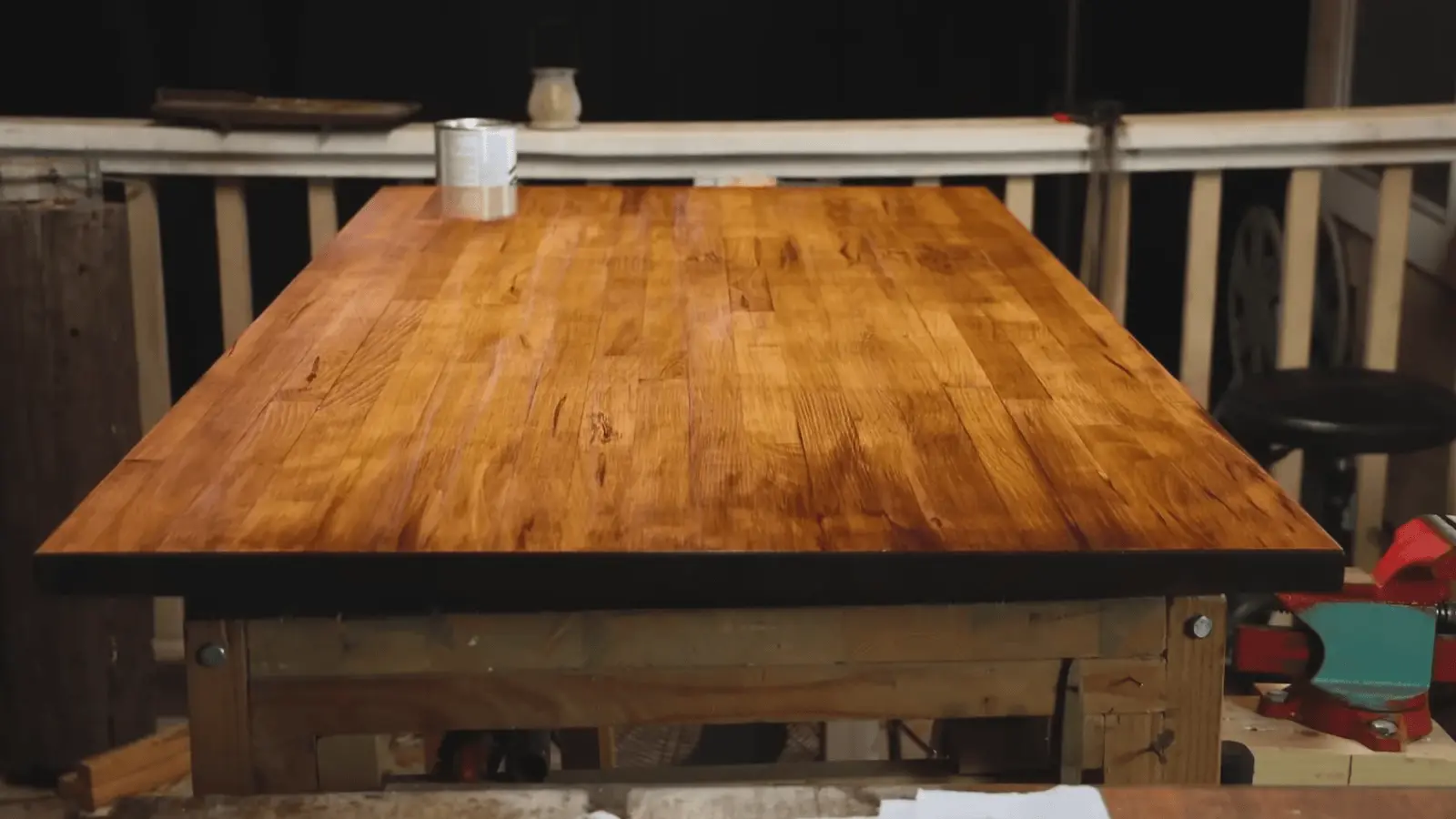
How to Refinish Wood Furniture Like a Pro
That old dresser in your garage has good bones, but the finish is a mess. You’ve seen those satisfying transformation videos online and wondered if you could pull off the same magic.
Restoring wood furniture goes beyond simple surface cleaning – it involves understanding the full process from evaluation to finishing.
Here’s the thing: learning how to refinish wood furniture isn’t reserved for craftsmen with fancy tools. This guide walks you through each essential step and offers insights into professional techniques.
With the right approach and patience, you can breathe new life into tired pieces and achieve lasting, high-quality results.
Why Does Wood Furniture Need to Be Refinished?
Wood furniture faces daily wear from use, sunlight, moisture, and temperature changes.
Over time, the protective finish breaks down, leaving the wood exposed to scratches, stains, and structural damage. Old finishes can crack, discolor, or become sticky.
When you learn how to refinish wood furniture properly, you restore that protective layer and address underlying issues like loose joints or surface damage.
This process extends the furniture’s life, maintains its value, and brings back the natural beauty that drew you to the piece originally.
Tools and Materials Table
Before you start, gather these essential tools and materials so you’re not running to the hardware store mid-project.
| Category | Items Needed |
|---|---|
| Adhesives | Two-part epoxy, epoxy putty, high-glue (optional), colloidal silica for thickening epoxy |
| Hand Tools | Chisels, dovetail saw, mallet, awl, dental picks, sandpaper (120 & 220 grit), clamping pads |
| Finishing Tools | Wiping cloths, paint thinner, mineral spirits, soldering iron (for burn-in filler) |
| Cleaning | White vinegar, soft brush, cloths |
| Materials | Replacement teak wood pieces, burn-in wood filler, oil for grain enhancement, and varnish for final finish |
| Fasteners | Clamps for glue-ups |
| Safety | Gloves, eye protection, mask (for fumes) |
How to Refinish Wood Furniture
Now that you have your tools ready, let’s walk through the complete refinishing process. Follow these steps carefully for professional results.
Step 1: Assess and Disassemble

- Gently inspect each chair for loose joints, cracks, and previous repairs. Look for old glue, wood filler, and any misaligned parts.
- Carefully remove the seat and check the frame. Note which joints are tight or stubborn, and which have old filler or glue.
- If joints are stuck, apply white vinegar to loosen old PVA or water-based glue. Allow it to sit for several minutes before attempting gentle disassembly.
- Work slowly to avoid splitting the wood. If necessary, use clamping pads and a soft mallet to encourage separation without damage.
Step 2: Clean Old Adhesives and Filler

- Once the joints are separated, scrape away old wood filler and dried glue using small tools like dental picks or a chisel.
- Ensure all surfaces are bare wood where the adhesive will bond. Avoid leaving residual putty or old glue, as these weaken new joints.
- Test fit the cleaned joints to ensure a snug connection, noting areas where wood is missing or voids exist.
Step 3: Repair Structural Damage

- For minor gaps or voids, prepare a high-strength epoxy adhesive for filling and bonding.
- For larger voids or missing sections, cut and shape a matching piece of teak wood to fit. Use a slight wedge shape if needed to ensure a tight, stable fit.
- Apply two-part epoxy to both the original wood and the replacement piece, then clamp securely. Allow adequate curing time (1–4 days for full epoxy strength).
Step 4: Reassemble and Glue

- Once repairs are ready, apply epoxy to all cleaned joint surfaces.
- Carefully align each joint, ensuring proper angles and alignment of legs and stretchers. Clamping is essential to hold the structure in place.
- For loose or voided joints, you may thicken epoxy with colloidal silica to help it stay in place.
- Allow the glued joints to cure fully before removing clamps or putting weight on the chair.
Step 5: Sand and Prepare Surfaces

- Sand the entire chair gently with 120-grit sandpaper to smooth old finish irregularities and rough marks.
- Follow with 220-grit sandpaper for a finer, uniform surface. Ensure all filled areas are level with the surrounding wood.
- Wipe down the chair with mineral spirits to remove dust and assess the surface for any remaining blemishes or discoloration.
Step 6: Fill and Match Wood Color

- Use burn-in wood filler (wax-based) to fill small surface voids or damaged spots. Heat with a soldering iron, press the filler into the gaps, and scrape smooth.
- Take time to match the filler to the teak’s natural color to maintain the authentic mid-century look.
- Lightly sand any filler areas once cooled to achieve a seamless surface.
Step 7: Apply Finish

- Apply a thin coat of wipe-on varnish, made by mixing one part varnish and one part paint thinner, to maintain a low-sheen finish.
- Ensure the wood grain remains visible and the finish blends with existing areas. Avoid polyurethane finishes, which can harm the furniture’s value.
- Allow the varnish to dry completely, then replace seats and inspect the final piece for smoothness, color consistency, and stability.
Advanced Refinishing Techniques
Once you’ve got the basics of how to refinish wood furniture down, a few advanced techniques can seriously improve your results and help you tackle high-value pieces.
| Technique | Purpose | Application | Effect |
|---|---|---|---|
| Toning and Shading | Repair uneven color, blend patched areas | Applied between finish coats to subtly adjust the color without covering the natural grain | Balances color and repairs without covering natural grain |
| Grain Filling | Smooth surface on open-pore woods like oak or mahogany | Filler is worked into the pores before the final finish to create a smooth surface | Provides a polished, glass-like finish on rough woods |
| French Polishing | Build a glassy sheen and depth with shellac layers | Traditional technique with thin shellac layers for high-end furniture, especially antiques | Provides exceptional visual depth and a glossy finish |
| Glazing and Finish Matching | Highlight details, add dimension, and match patina | Used to enhance carvings and match existing finishes, especially on antiques | Creates a natural, authentic look by blending finishes |
| Invisible Repairs | Blend patches seamlessly with the original surface | Feather sanding and layered finishing for undetectable repairs | Seamlessly integrates repairs into the original surface |
You won’t need these techniques for every project. But knowing they exist gives you more tools to work with as your skills grow.
Common Mistakes to Avoid
Refinishing wood furniture is rewarding, but small missteps can compromise your results. Avoid these common errors:
- Over-sanding veneer: Sanding too aggressively can remove the thin veneer layer, exposing the substrate.
- Skipping grit progression: Jumping from coarse to fine grit leaves scratches that show through the finish.
- Applying finish too thick – Thick coats can drip, dry unevenly, or create a cloudy surface.
- Not allowing proper curing – Rushing between coats prevents the finish from hardening, reducing durability.
- Ignoring wood species differences – Different woods absorb stain and finishes differently; one approach doesn’t fit all.
Conclusion
Learning how to refinish wood furniture gives you more than a restored piece – it hands you a skill that pays off for years.
The furniture you’ve saved from the curb or inherited from family now has decades of life ahead. And honestly, there’s something satisfying about running your hand over a surface you brought back yourself.
Start with something simple, maybe that side table that’s been collecting dust. Take your time with each step, and don’t stress if it’s not perfect.
Every piece you finish teaches you something new. Your next project will be even better.