How to Grow Carrots Successfully in a Home Garden
Growing carrots at home is straightforward when soil preparation and timing are handled correctly. Successful germination depends on loose soil, shallow planting, and steady moisture. Many gardeners struggle with twisted or undersized harvests, but most problems trace back to compacted soil or inconsistent watering.
Carrots are cool-season vegetables that thrive in spring and fall. According to the National Gardening Association, food gardening participation has increased significantly in recent years, with root vegetables ranking high due to their reliability and storage potential. With the right approach, carrots can produce dependable harvests in backyard beds or containers.
TL;DR
- Plant in loose, stone-free soil
- Sow shallowly, about 1/4 inch deep
- Keep soil consistently moist until sprouting
- Thin seedlings early to prevent crowding
- Avoid fertilizer high in nitrogen
- Harvest when roots reach mature size for the variety
When to Plant
Carrots grow best in cool weather. Seeds can be sown directly outdoors two to three weeks before the last spring frost date. In warmer regions, fall planting often produces sweeter roots due to cooler nighttime temperatures.
Soil temperature plays a key role in germination. Seeds sprout best between 55 and 75 degrees Fahrenheit. Germination typically takes 7 to 21 days depending on temperature and moisture consistency.
Spring Planting
Spring planting works well in most climates. Soil should be workable but not overly wet. Raised beds often warm earlier than in-ground plots.
Fall Planting
Fall crops often develop deeper color and improved sweetness. Cooler temperatures reduce stress and improve texture.
Preparing Soil for Straight Roots
Loose soil is the single most important factor in growing high-quality carrots. Roots must be able to extend downward without obstruction.
Heavy clay or rocky soil leads to forked or stunted growth. Removing stones and breaking up compacted layers improves root development.
Ideal Soil Conditions
- Loose, well-draining soil at least 8 to 12 inches deep
- pH between 6.0 and 6.8
- Minimal fresh compost with large chunks
- Low nitrogen fertilizer to avoid excess leaf growth
According to the University of Minnesota Extension, excess nitrogen encourages foliage growth at the expense of root development.
Planting Method and Spacing
Because carrot seed is very small, it should not be buried deeply. Light coverage improves germination rates and helps prevent crusting on the soil surface.
Step-by-Step Planting
- Create shallow furrows about 1/4 inch deep.
- Sprinkle seeds evenly along the row.
- Cover lightly with fine soil or sifted compost.
- Water gently to avoid displacing seeds.
- Keep soil surface moist until seedlings emerge.
Seeds should be spaced roughly 1 inch apart initially. Once seedlings reach 2 inches tall, thin them to 2 to 3 inches apart to prevent crowding and allow roots to size properly.
Watering and Maintenance
Consistent moisture is critical during germination and early root formation. Uneven watering can cause splitting or woody texture.
Carrots generally need about 1 inch of water per week. Deep, steady watering encourages roots to grow downward rather than remain shallow.
Light mulching after seedlings establish helps maintain soil moisture and regulate temperature.
Growing in Containers
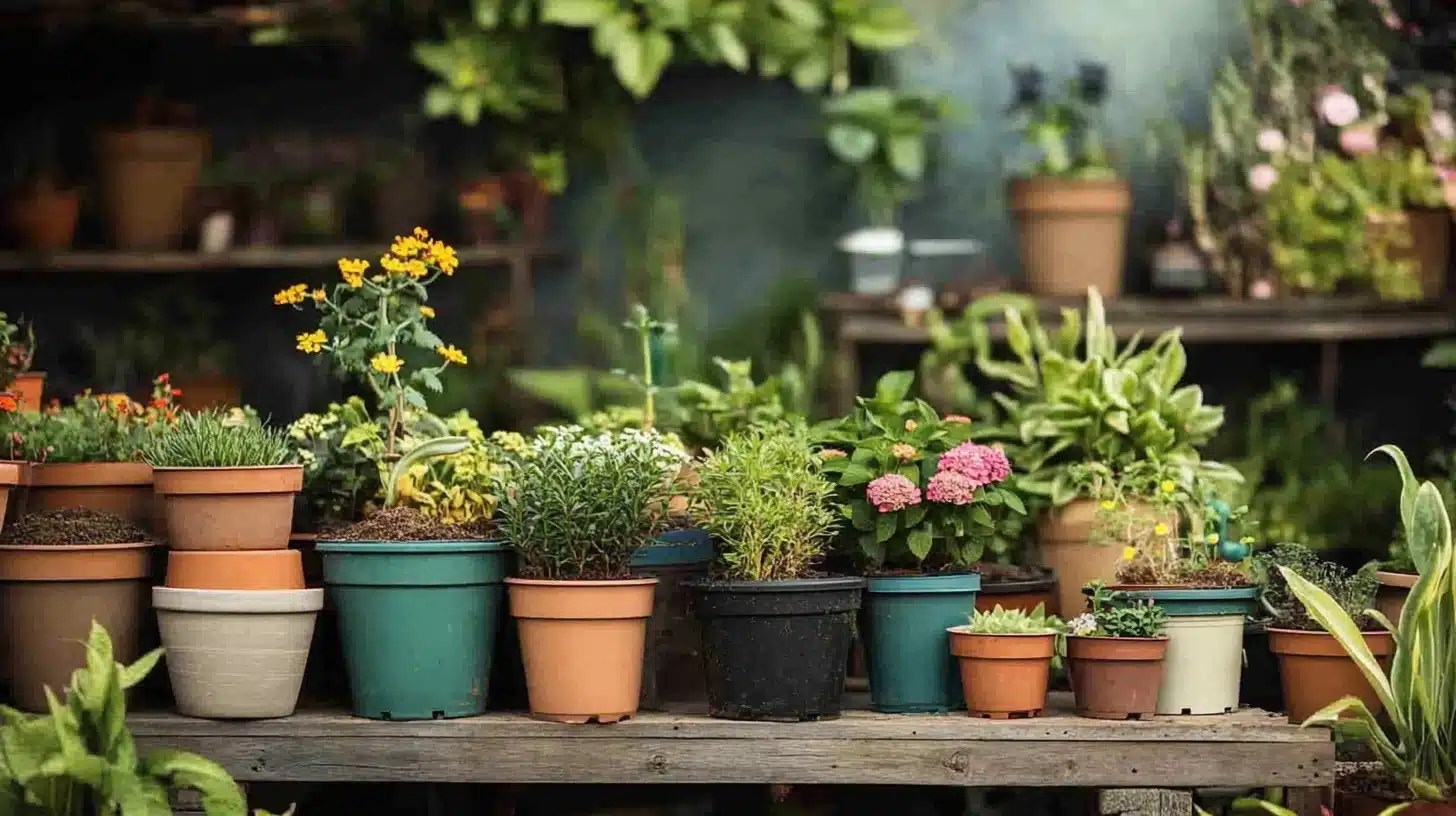
Carrots perform well in containers when depth is adequate. Short or round varieties are especially suited for smaller spaces.
|
Container Depth |
Suitable Type |
Notes |
|---|---|---|
|
6 to 8 inches |
Round varieties |
Ideal for small patios |
|
8 to 10 inches |
Short varieties |
Good for raised planters |
|
12 inches + |
Long varieties |
Best for full-length roots |
Containers must have drainage holes and loose potting mix without large wood pieces.
Common Problems and Prevention
Forked or Twisted Roots
Usually caused by rocks, compact soil, or undecomposed organic matter.
Bitter Flavor
Often the result of high heat or inconsistent watering.
Poor Germination
Seeds planted too deeply or soil allowed to dry out during sprouting are common causes.
Harvesting and Storage
Roots can be harvested once they reach mature diameter for the chosen variety. Most varieties mature in 60 to 80 days.
Loosen soil gently before pulling to avoid breakage. After harvest, remove tops and store roots in cool, humid conditions for extended freshness.
According to the USDA, properly stored carrots can last several weeks under refrigeration.
FAQ
How long does it take for carrots to sprout?
Germination typically occurs within 7 to 21 days depending on soil temperature and moisture levels.
Why are my carrots short and stubby?
Short roots are usually caused by compacted soil, shallow containers, or overcrowding.
Can carrots grow in partial shade?
Carrots tolerate light shade but perform best with at least 6 hours of direct sunlight daily.
Do carrots need fertilizer?
They benefit from balanced, low-nitrogen fertilizer. Excess nitrogen encourages leafy growth rather than root development.
Can they be started indoors?
Direct sowing is recommended because transplanting can disturb root formation.
Summary
Growing carrots successfully requires loose soil, shallow planting, consistent watering, and proper spacing. Most common issues can be avoided with careful soil preparation and early thinning. With the right conditions, carrots remain one of the most dependable vegetables for home gardens and containers alike.