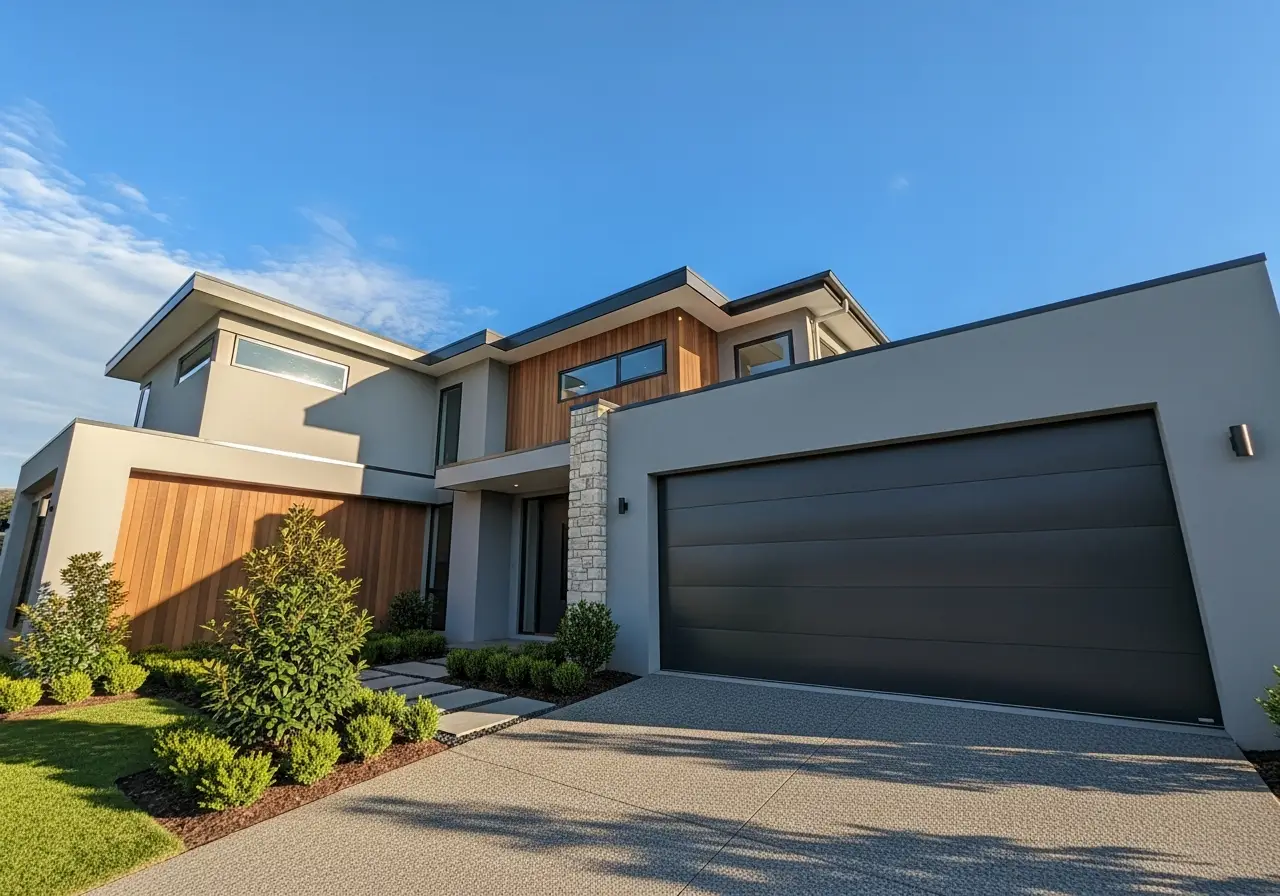
Wood Stove Heating Solutions for Hillside and Mountain Homes
Living in the hills offers breathtaking views, peaceful surroundings, and a connection to nature that flat-land homes simply can’t match. But hillside living also presents unique heating challenges. Temperature swings can be dramatic as elevations change. Winter storms sometimes knock out power for days. And many hillside properties sit far from natural gas lines, making conventional heating options limited or expensive. Wood stoves provide an elegant solution to these challenges while adding warmth and character to your hillside home. Whether you’re building a new mountain retreat or upgrading an existing property, understanding how wood heating works in hillside settings helps you create a comfortable, efficient, and beautiful living space.
Why Wood Heating Makes Sense for Hillside Properties
Hillside homes face distinct heating requirements that wood stoves address remarkably well. The elevation changes mean cooler temperatures year-round, especially during winter months when mountain properties can experience serious cold. A properly sized wood stove provides reliable warmth that doesn’t depend on utility companies or infrastructure that’s vulnerable to weather damage.
Power outages are common in hill country during winter storms. Trees fall on lines, ice accumulates on poles, and remote locations take longer to restore. When electricity goes out, your wood stove keeps running. You stay warm and comfortable while neighbors with electric heat pumps or forced-air furnaces bundle up and wait for power restoration.
The independence wood heating provides aligns beautifully with hillside living. Many people choose properties in the hills specifically because they value self-sufficiency and connection to traditional ways of living. Heating your home with locally sourced firewood extends that philosophy in practical ways. You’re not dependent on delivery trucks navigating steep, icy roads or utility companies managing complex infrastructure.
Wood is typically abundant in hillside regions. Whether you harvest from your own property or purchase from local suppliers, the fuel source is renewable and often more affordable than propane or heating oil delivery to remote locations. The environmental footprint is smaller too, especially when wood comes from nearby forests managed sustainably.
Understanding Chimney Requirements for Hillside Installations
Installing a wood stove in a hillside home requires careful attention to chimney specifications, particularly given the unique architectural features common in mountain properties. Many hillside homes feature vaulted ceilings, multiple stories taking advantage of slope-side construction, and dramatic rooflines that follow the terrain.
The chimney system needs proper sizing to create adequate draft regardless of your home’s elevation or architectural complexity. For most residential wood stoves, 8 inch chimney pipe provides the right balance of draft capability and practical installation. This diameter handles the exhaust volume from medium to large stoves while maintaining the velocity needed for strong draft performance.
Inside your home, the visible chimney pipe can run straight up through cathedral ceilings or angled spaces, becoming an architectural feature rather than something to hide. Many hillside homes embrace exposed structural elements like beams and natural materials, and a properly installed chimney system fits this aesthetic naturally. Black matte pipe creates strong vertical lines that complement timber framing and stone work common in mountain architecture.
When your chimney exits through the roof, proper termination becomes critical. Hillside homes often experience stronger winds than protected valley locations, and your chimney needs to extend high enough to prevent downdrafts. The standard requirement mandates at least 3 feet of chimney above the roof penetration and 2 feet higher than any part of the structure within 10 feet horizontally.
For homes where interior chimney routing presents challenges due to loft spaces or complex floor plans, 8 inch exterior wood stove chimney pipe offers an alternative approach. These systems mount to the exterior wall and run up the outside of your home, which can simplify installation while creating distinctive exterior design elements. The insulated construction protects against weather while maintaining the high internal temperatures needed for proper draft.
Design Considerations for Mountain Home Aesthetics
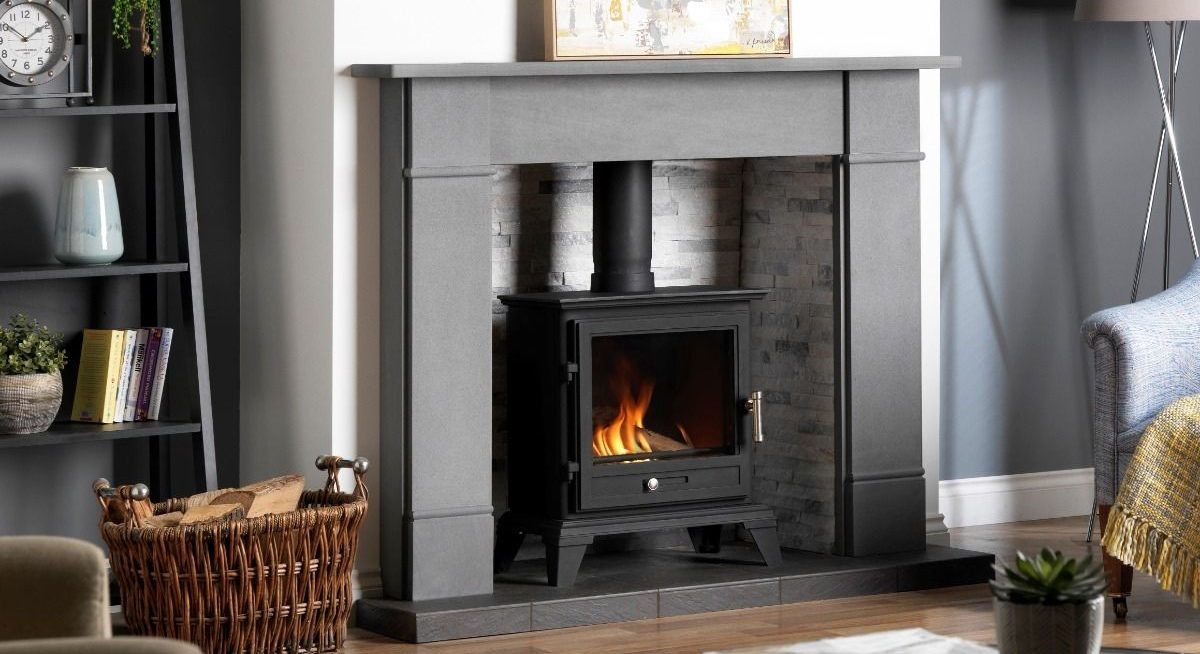
Wood stoves in hillside homes serve dual purposes as both heating systems and central design features. The substantial presence of a quality wood stove anchors living spaces visually while providing the warmth that makes mountain homes comfortable during long winters.
Material relationships matter significantly in hillside home design. Natural stone, reclaimed wood, and metals all appear frequently in mountain architecture, and your wood stove installation should harmonize with these elements. A hearth pad constructed from local stone ties the stove installation into the regional character of your property. Slate from nearby quarries, river rock gathered from your land, or cut stone matching your home’s foundation all create visual continuity.
The wall behind your wood stove presents opportunities for dramatic design statements. Stacked stone walls from floor to ceiling create impressive backdrops that handle the heat requirements while adding substantial architectural interest. Exposed brick provides textural contrast and traditional appeal. For more contemporary mountain homes, large format concrete tiles or metal panels in weathered steel finishes complement modern design languages while meeting safety requirements.
Color palettes in hillside homes often draw from the surrounding landscape. Earthy browns, forest greens, stone grays, and warm wood tones dominate. Your wood stove should integrate into this natural palette rather than fighting against it. Black or dark gray stoves disappear visually against stone backgrounds while creating bold statements on lighter walls. Some manufacturers offer enamel finishes in custom colors that can match specific design visions, though classic black remains the most versatile choice for varied interior styles.
Furniture arrangement in hillside homes naturally orients toward views, but your wood stove creates a competing focal point that deserves consideration. The ideal layout acknowledges both elements. Position seating so people can enjoy both the warmth of the fire and the views through your windows. In great rooms with floor-to-ceiling windows facing mountain vistas, placing the stove perpendicular to the view windows allows furniture arrangements that embrace both features simultaneously.
Heating Efficiency in Multi-Level Hillside Homes
Hillside construction often results in split-level or multi-story homes built into slopes, which creates interesting heating dynamics. Warm air rises naturally, so stoves located on lower levels help heat upper floors through thermal circulation. However, the effectiveness depends on your home’s layout and whether you have open stairwells or closed floor plans.
Open concept designs with cathedral ceilings allow heat to circulate freely throughout large volumes. A wood stove positioned strategically can warm surprising amounts of space through radiant heat and natural convection. Ceiling fans operating on low speed help distribute warmth more evenly by gently pushing hot air back down from peak areas.
Homes with more compartmentalized layouts require different approaches. Heat doesn’t move through closed doors effectively, so upper bedrooms in multi-story hillside homes may stay cooler even when the main living area feels toasty. Many homeowners address this by running the wood stove as primary heat in living spaces while using supplemental electric heaters in bedrooms as needed. This hybrid approach keeps heating costs reasonable while ensuring comfort throughout the home.
The thermal mass in your hillside home affects heating efficiency too. Homes built with substantial stone, concrete, or brick interiors absorb heat during the day and radiate it back slowly overnight. This thermal flywheel effect helps moderate temperature swings and means your wood stove doesn’t need to run constantly to maintain comfort. Lighter construction with wood framing and drywall responds more quickly to heating but also cools faster when the fire dies down.
Fuel Sourcing and Storage in Hillside Settings
One significant advantage of hillside living is access to firewood. Many mountain properties include forested acreage that provides ongoing fuel supplies when managed properly. Selective thinning removes smaller trees that compete with larger specimens while providing firewood for multiple seasons. Dead standing timber and fallen trees offer ready fuel sources that improve forest health when harvested responsibly.
Even if you don’t have your own forest, hillside regions typically support local firewood suppliers who deliver seasoned wood in bulk. Buying a full cord or more at the start of heating season costs less per unit than smaller purchases, and having an entire winter’s supply on hand means you’re never scrambling for fuel during cold snaps or after snowstorms make roads impassable.
Wood storage requires protected space that keeps fuel dry while allowing continued air circulation. Many hillside homes incorporate dedicated woodsheds into their site planning. These simple structures need only basic roofs and open sides, but positioning matters. Locate your woodshed close to your home for convenient access during winter but far enough that it doesn’t present fire hazards. Uphill placement when possible means you’re not carrying heavy loads of wood up slopes.
If dedicated shed space isn’t available, covered porch areas or carports can accommodate wood stacks. Use pallets or treated lumber to elevate the bottom row off ground contact, preventing moisture wicking up from below. Stack with bark side up if the pile is exposed to weather, as this sheds water more effectively than bark-side-down arrangements.
Firewood needs at least six months of drying after splitting, with a full year being better. This extended timeline means planning ahead. Order or harvest wood in spring for use the following winter. Many hillside homeowners keep two or three years of wood in various stages of seasoning, which provides insurance against supply disruptions and ensures consistently dry fuel.
Dealing With Weather Challenges
Hillside locations experience more extreme weather than protected valley positions. Strong winds, heavy snow loads, and dramatic temperature fluctuations all affect wood stove performance and the surrounding installation.
Wind presents the most common challenge. Consistent strong breezes or sudden gusts can affect draft, sometimes pushing smoke back down chimneys when stoves aren’t burning hot. Proper chimney height helps prevent this, but in extremely exposed locations, wind caps or chimney extensions may be necessary. These components don’t restrict smoke flow but break up wind patterns that can create downdrafts.
Snow accumulation on roofs affects chimney penetrations. Heavy snow can bury shorter chimneys or damage flashing around penetrations when it slides off steep metal roofs. Planning chimney height with snow loads in mind prevents these issues. In areas receiving deep snow, chimneys extending 4 or 5 feet above rooflines ensure they remain clear and functional even during heavy winters.
Ice accumulation around chimney caps can block spark arrestors or restrict airflow. Regular visual checks during winter ensure your chimney stays clear. Most ice issues resolve themselves as soon as you build a fire, since the heat melts accumulation quickly. Serious blockages are rare but checking after major ice storms provides peace of mind.
Temperature extremes affect your wood burning practices too. Very cold ambient temperatures can make starting fires more challenging since cold chimneys produce downward air currents initially. Extra kindling and patient fire-starting techniques overcome this. Once the chimney warms, draft improves and normal operation resumes.
Maintenance in Remote Locations
Hillside homes’ remote locations make regular maintenance planning more important than for suburban properties where professional services are readily available. Chimney sweeps may charge travel premiums to reach isolated mountain properties, which creates incentives for homeowners to handle routine maintenance themselves.
Chimney cleaning requires appropriate brushes sized to your pipe diameter, extension rods that reach your full chimney height, and methods for containing the mess. Many hillside homeowners develop efficient systems for this task, cleaning chimneys monthly during active burning season. Regular cleaning before heavy buildup occurs makes the job manageable and prevents dangerous creosote accumulation.
Stove glass cleaning keeps your fire visible and attractive. High-quality wood stove glass cleaners remove the hazy buildup that accumulates from combustion. Doing this when glass is cool takes just minutes and maintains the visual appeal that makes wood stoves such desirable features.
Gasket replacement around stove doors eventually becomes necessary as seals compress and deteriorate over time. This maintenance task requires minimal tools and skills but significantly affects stove performance. Worn gaskets allow excess air infiltration that makes controlling burn rates difficult. Fresh gaskets restore proper air control and improve efficiency.
Ash removal happens regularly but demands safe practices. Never put hot ashes in combustible containers. Use metal buckets with tight lids, place them on non-combustible surfaces outside your home, and let ashes cool completely before final disposal. Some hillside homeowners spread cooled wood ashes in gardens where they provide minerals beneficial for plant growth.
Creating Cozy Gathering Spaces
The wood stove in a hillside home naturally becomes where people gather. After a day skiing, hiking, or exploring, there’s something deeply satisfying about warming up beside a real fire. Design your living space to embrace this gathering function rather than treating the stove as merely a heating appliance.
Seating arrangements should accommodate groups comfortably within the radiant heat zone. A sectional sofa positioned 6 to 8 feet from the stove provides ample seating while maintaining comfortable temperatures. Add individual chairs that can be moved closer or farther based on personal preference and outdoor temperatures. Ottomans or poufs offer flexible seating that adjusts to different group sizes.
Lighting in the stove area should complement rather than compete with firelight. The dancing flames provide beautiful ambient illumination that overhead fixtures can overwhelm. Use dimmer switches on ceiling lights and add table lamps or wall sconces that create layered lighting. This flexibility lets you adjust artificial light levels based on how brightly the fire burns.
Side tables scattered throughout the seating area give guests places for drinks, books, or devices. In hillside homes where people come to disconnect from daily routines, these small conveniences enhance comfort without requiring constant trips to the kitchen. Choose tables in materials that complement your overall design while being substantial enough that they won’t tip easily when bumped.
Textiles add warmth both literally and aesthetically. Heavy throws in natural fibers like wool or alpaca drape over sofa backs for easy access when evening temperatures drop. Thick area rugs define the gathering space and feel wonderful underfoot when you’re padding around in slippers. Pillow collections in seasonal colors bring personality while providing comfort.
Long-Term Value in Mountain Properties
Wood stove installations represent significant investments that add lasting value to hillside properties. Quality stoves from reputable manufacturers can function effectively for decades with proper maintenance. The chimney systems, when installed correctly using appropriate materials, require minimal maintenance beyond routine cleaning.
The resale appeal of homes with wood heating in hillside markets shouldn’t be underestimated. Buyers seeking mountain properties specifically look for features that support the lifestyle these locations offer. A professionally installed wood stove system checks important boxes for many prospective buyers, potentially shortening time on market and supporting asking prices.
The independence wood heating provides becomes increasingly valuable as climate events and infrastructure vulnerabilities affect grid reliability. Hillside homeowners with wood stoves weather power outages and supply disruptions far better than those depending entirely on utility-provided energy. This resilience factor matters more each year as weather patterns intensify.
The lifestyle enhancement justifies the investment even without considering practical benefits. The experience of tending a fire, the visual beauty of flames, the subtle scent of wood smoke, and the radiant warmth all contribute to quality of life in ways that conventional heating systems cannot match. These intangible benefits accumulate over years of ownership, becoming cherished aspects of your hillside living experience.
Making Your Hillside Home Complete
Wood stoves transform hillside homes from places you visit occasionally into spaces you want to inhabit year-round. The reliable warmth makes shoulder seasons comfortable and keeps you cozy during the coldest winter months. The visual appeal creates focal points that anchor your interior design. The independence from utilities provides security and self-sufficiency.
Whether your hillside property is a weekend retreat or primary residence, wood heating deserves consideration as you plan your comfort systems. The upfront investment pays returns in lower operating costs, enhanced property value, and improved quality of life. The installation process requires attention to proper techniques and appropriate materials, but the result is a heating system that serves your family for generations.
If you’re ready to add wood heating to your hillside home, start by assessing your space and heating needs. Consider how your home’s layout and architecture will accommodate a wood stove and chimney system. Research local building codes and permit requirements specific to your area. Connect with experienced installers familiar with hillside installations if you’re not tackling the project yourself.
Your hillside home deserves heating that matches the beauty and character of its setting. Wood stoves provide that match, combining reliable warmth with timeless appeal. The fire crackling in your stove becomes part of your home’s identity and a feature your family will treasure for years to come.