How to Transform Your Yard With Rain Gardens and Permeable Paths
A well-designed yard doesn’t just please the eye but also supports soil, manages rain, and keeps everything thriving through the seasons. Rain gardens and permeable paths bring that balance to life by letting water soak back into the ground rather than rushing away after every storm.
The result is a cleaner and calmer space that looks natural and feels easy to maintain. Our article explains how to plan and care for rain gardens and permeable paths so you can create a yard that supports the environment around it.
Why Rain Gardens Make Sense
Rain gardens are shallow, planted depressions that collect rainwater from roofs, driveways, and patios. The garden filters the runoff through soil and roots instead of sending it into drains. This simple idea prevents flooding and allows around 30% more water to soak into the ground.
You don’t need a large space or a fancy setup. Even a small section of your yard can hold a rain garden that handles water efficiently. Over time, the soil becomes healthier, and plants grow stronger because they get the right amount of moisture. Besides, a rain garden:
- Reduces water pooling and erosion
- Keeps stormwater out of sewers
- Improves soil structure and fertility
- Supports native plants and pollinators
- Lowers the need for irrigation
Rain gardens work best when you use native plants. They’re adapted to local conditions and don’t need much care. For example, you can mix deep-rooted grasses with flowering perennials to attract butterflies and bees.
How to Plan Your Rain Garden
Before digging, watch how rain moves through your yard. Notice where water gathers or drains quickly. Choose a low area that’s at least ten feet from your home’s foundation. That way, it collects runoff without causing seepage issues.
Measure the area to estimate how much water it can hold. A depth of six to eight inches usually works well. Use soil that drains well but still retains enough moisture to support plants. If you want help deciding on size, soil mix, or plant selection, hire professional landscaping services. They can design the layout and help with grading or drainage adjustments to save trial and error later.
How to Build a Permeable Path
Permeable paths are another smart way to transform your outdoor space. They use materials that let water pass through to reduce runoff and help groundwater recharge naturally. The following materials are commonly used:
- Gravel or crushed stone
- Porous pavers
- Permeable bricks
- Recycled concrete pieces
- Natural stepping stones set in sand
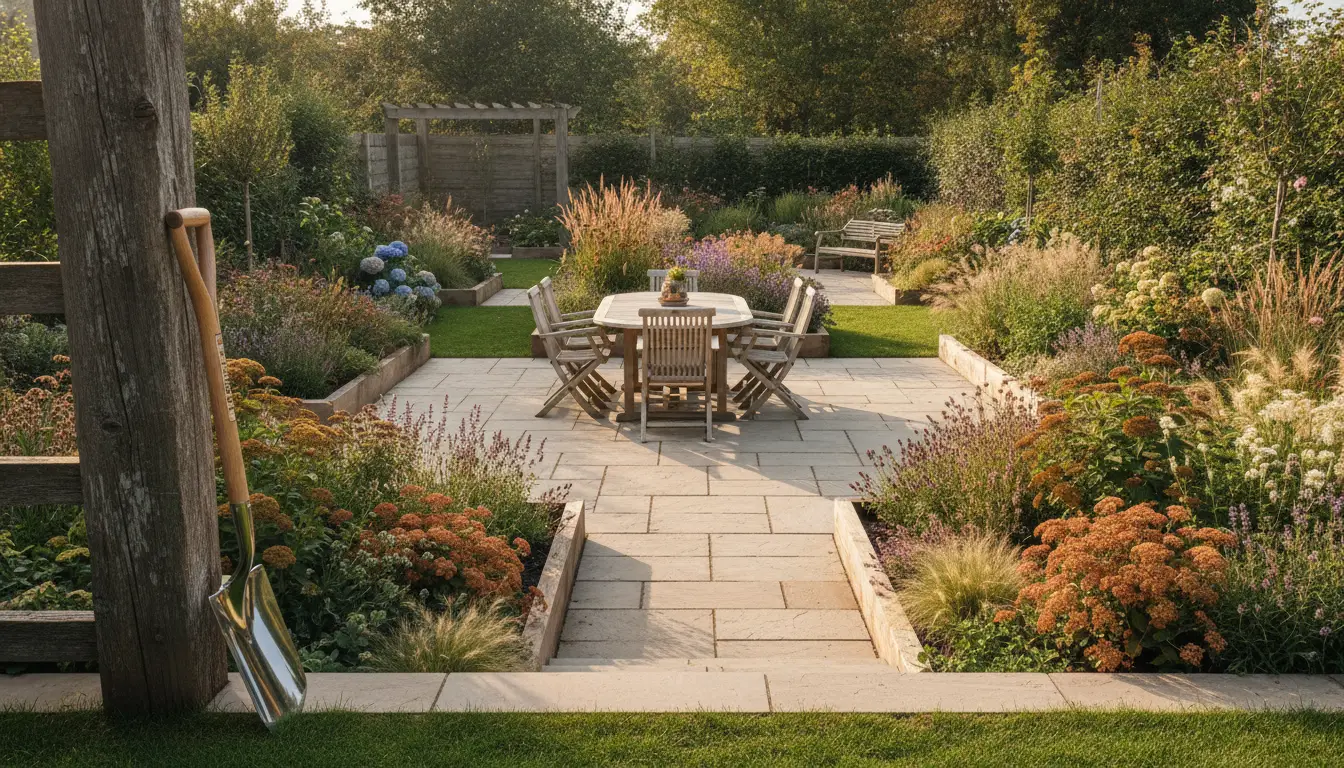
Start by marking your path and removing a few inches of soil. Add a layer of crushed rock underneath for stability and drainage. Then, place your chosen material on top and level it out. Leave small gaps or fill spaces with sand or fine gravel to let rainwater seep through easily. Permeable paths fit well with rain gardens because they share the same goal: keeping water where it belongs. Together, they make your yard more functional and easier to maintain.
Maintenance Tips for Rain Gardens and Permeable Paths
Once your rain garden and permeable paths are set up, they won’t need much attention, but they do benefit from regular care. Keep things simple with these maintenance steps.
- Check after heavy rain to make sure water drains within a day.
- Remove weeds before they spread.
- Add mulch each spring to protect roots and retain moisture.
- Prune plants as needed to keep them healthy and open.
- Sweep your paths now and then to prevent debris from clogging gaps.
These small habits keep your garden looking tidy and help it function properly all year long.
Landscaping on a Budget With Rain Gardens and Permeable Paths
You don’t need a huge investment to create a yard that works with nature. Start small and grow your project over time. Use recycled materials, repurpose old bricks, or trade plants with your neighbors. You can also set up rain barrels to collect roof runoff that can later be used for watering plants in your garden or washing your car. These simple choices can go a long way when you’re landscaping on a budget. The following ideas keep costs low:
- Use native plants as they’re cheaper and last longer.
- Shape garden edges with stones or logs instead of store-bought borders.
- Spread gravel paths instead of paving.
- Install rain barrels made from reused containers.
- Handle planting and mulching yourself, and call in experts only when needed.
Budget-friendly landscaping doesn’t mean cutting corners. Rather, it means choosing smart and lasting solutions that keep your yard affordable and sustainable.
Endnote
As explained, rain gardens and permeable paths keep your yard dry, green, and full of life without heavy maintenance. If you’re landscaping for an eco-friendly garden, these two additions can help you give back to the environment. When needed, seek professional landscaping help to turn your outdoor space into a place that feels alive and works naturally.