Decking Materials Explained: Which One is the Best for Your Home?
Adding a deck to your back garden is a great way to compliment the beauty of your home. Furthermore, decks will often contribute to the resale value of your property; a practical concern if you may be placing it on the real estate market in the future. There is still an important variable to address. What types of materials can be used to construct a deck, and are there any discrete benefits that each will offer? Let’s take a look at four common options.
Composite Deck Boards
Composite decks are known for their superior levels of durability. This is a real concern if you live within an area known for inclement weather conditions. Also, composite is an ecologically friendly material that has a minimal impact on the environment. We should still note that up-front installation costs can be substantial.
PVC
PVC is arguably the cheapest option, and it is virtually immune to the elements. PVC is also known for its long lifespan, so it could provide an excellent return on investment over time. However, the colours of low-quality materials could eventually begin to fade. Older formulations were likewise prone to absorb heat; certainly not the best feature when the temperatures outside begin to rise.
Pressure-Treated Wood
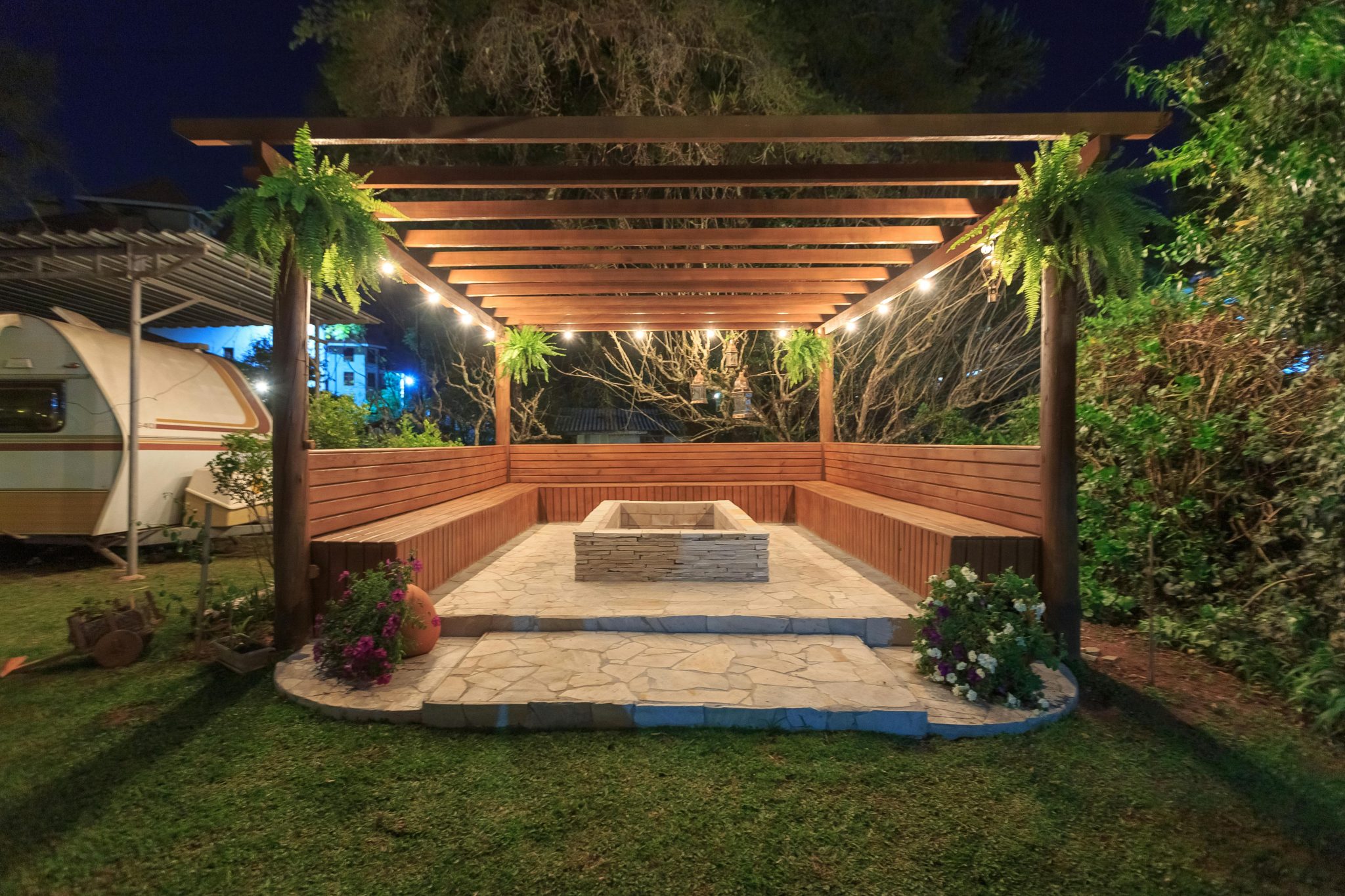
Another low-cost strategy involves the use of pressure-treated wood. This material is quite sturdy, and can support a substantial amount of weight. While this wood is indeed dense, it is still possible to install common accessories such as deck lights with ease.
Unlike PVC and composite, pressure-treated wood can be painted or stained in accordance with your personal tastes. The only possible drawback is that pressure-treated decks require regular maintenance. The wood might otherwise begin to crack, warp, or suffer from mould.
Aluminium
Believe it or not, aluminium can also be used as a decking material. This metal can last for decades with relatively few maintenance issues, and it could be the best choice in terms of weather resistance. However, installation costs can be significant. Another potential drawback is that the number of colours are limited, and painting aluminium is not recommended.
So, which of these is the best choice? This is a slightly loaded question, as every option boasts a handful of bespoke benefits. The best way to make an informed decision is to determine the type of deck that compliments your home, and to obtain a no-obligation estimate from a professional installation firm. These companies will also address any other questions that you may have.