Should Shutters Be Darker or Lighter Than a House?
Picking the right shutter color can completely change the way your home looks from the street.
Many homeowners wonder if shutters should be darker or lighter than the house, and the answer depends on balance, contrast, and personal style.
The wrong choice can make windows disappear or the exterior feel heavy, while the right one adds character.
In this article, I’ll help you figure out how to match shutters with your siding, trim, roof, and even your climate. You’ll also see how to use contrast effectively and when subtle tones work best. Ready to find the perfect fit for your home?
The General Rule for Shutter Colors
When choosing shutter colors, contrast is the safest starting point. If your siding is light, dark shutters add depth and make windows stand out.
With darker siding, lighter shutters brighten the exterior and keep it from looking too heavy. This balance creates visual interest and ensures the shutters highlight your home rather than blend away.
Monochromatic designs also work in some cases, especially if your house has many details.
Matching tones can create a smooth, uniform look without feeling flat, and it’s also worth considering whether shutter color should match the front door to keep the design cohesive.
Choosing Shutters for Different House Colors
Finding the right shutter shade depends on your home’s siding color, since contrast or balance creates the best curb appeal.
Light-Colored Siding (White, Cream, Pale Gray)

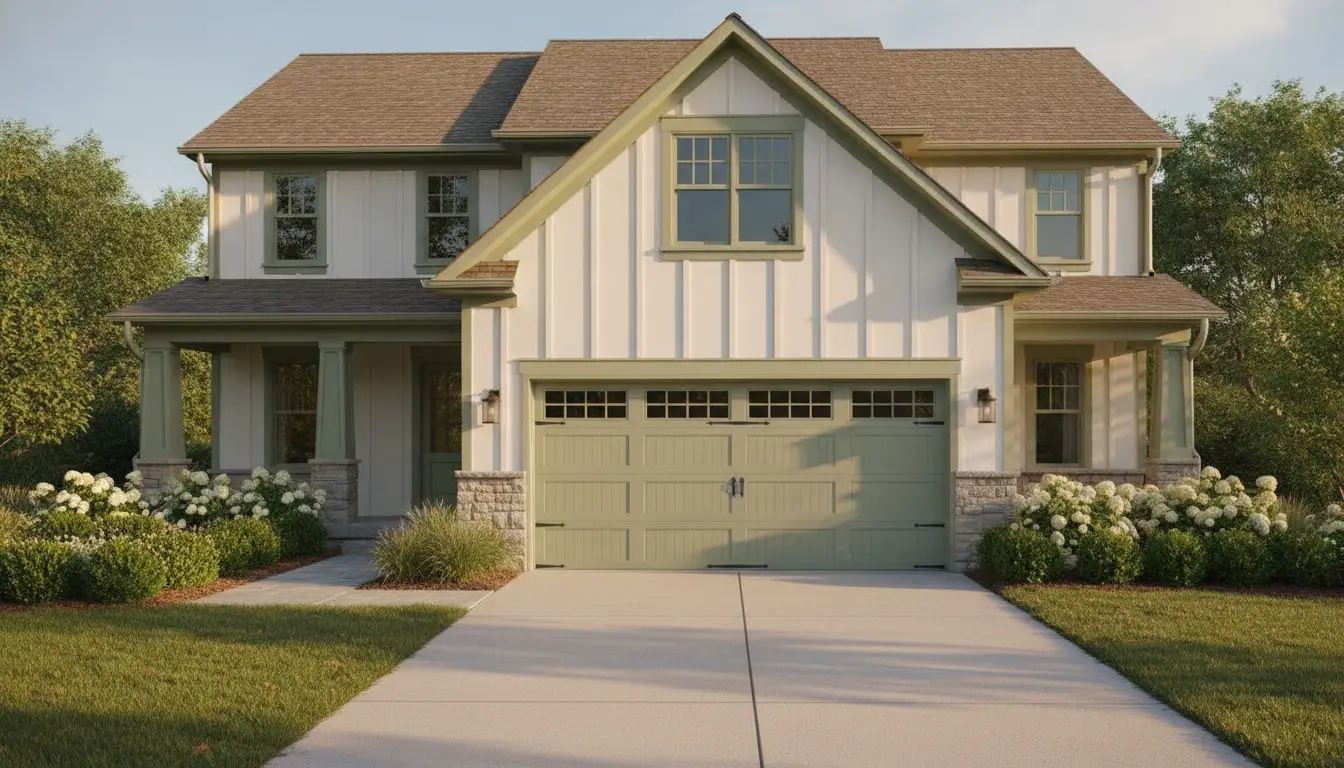
Dark shutters bring needed contrast and stop a pale exterior from feeling washed out. Black, navy, and deep green are classic picks that give windows more presence.
These shades frame your siding, adding definition and character while keeping a timeless feel that works across many architectural styles.
Dark-Colored Siding (Charcoal, Navy, Dark Brick)

Lighter shutters prevent a heavy or gloomy look and brighten the overall design. Shades like white, beige, or light gray soften dark siding, creating balance and keeping the home from appearing closed off.
These colors also make windows appear larger and more inviting while still offering a clean and classic finish.
Brick and Stone Homes

Natural textures pair best with shutters that complement rather than compete. Red brick, dark green, black, or deep gray work well.
Brown-toned brick suits earthy shades like beige or taupe, while mixed bricks look balanced with muted tones. Choosing shutters that echo undertones in the brick or stone creates harmony across the exterior.
Matching Shutters With Other Exterior Elements
Shutters should not stand alone. They need to work with the roof, trim, and door colors for a balanced exterior look.
| Element | How to Match Shutters | Mistakes to Avoid |
|---|---|---|
| Roof Color | Match shutters with roof tones for a unified design, especially with dark shingles. | Avoid choosing a clashing undertone. |
| Trim Color | Shutters can contrast trim to highlight windows or coordinate for a softer appearance. | Don’t make trim and shutters identical. |
| Front Door | Pair shutters with the door for symmetry; a popular option is matching deep hues. | Avoid overwhelming the entry with bold combos. |
Practical Considerations Beyond Style
Shutter colors do more than shape the look of your home; they also affect comfort and upkeep. One key factor is climate.
Dark shutters absorb more heat, which can warm nearby windows and make cooling costs rise in hot regions. Lighter shutters reflect sunlight, helping reduce heat buildup, which is especially useful in warmer areas.
On the other hand, darker shades can be practical in colder climates since they naturally hold warmth.
Thinking about local weather conditions alongside design choices ensures your shutters not only look good but also perform well throughout the seasons.
Step-by-Step Guide to Choosing the Right Shutter Color
Choosing the perfect shutter color is easier when you follow a clear process.
Step 1: Start by assessing your siding color, since this sets the foundation for contrast or coordination.
Step 2: Look at your roof and trim, as these fixed elements should guide your palette.
Step 3: Decide whether you want bold contrast or a softer blended look.
Step 4: Think about climate and upkeep; darker shutters may fade faster, while lighter shades show dirt more easily.
Step 5: Before making a final choice, use a shutter visualizer or test samples to see how colors look in real light.
Conclusion
Choosing whether shutters should be darker or lighter than the house comes down to siding color, climate, and overall design.
By focusing on contrast, maintenance, and how shutters coordinate with other elements, you can avoid mistakes and create a polished exterior. The ideas we covered give you a clear process to follow, from assessing your siding to testing samples.
Remember, the right shutter color isn’t only about style; it also affects upkeep and comfort. Now that you understand the key steps, take time to experiment with shades and see what works best.
For more home design tips, check out my other blogs.