
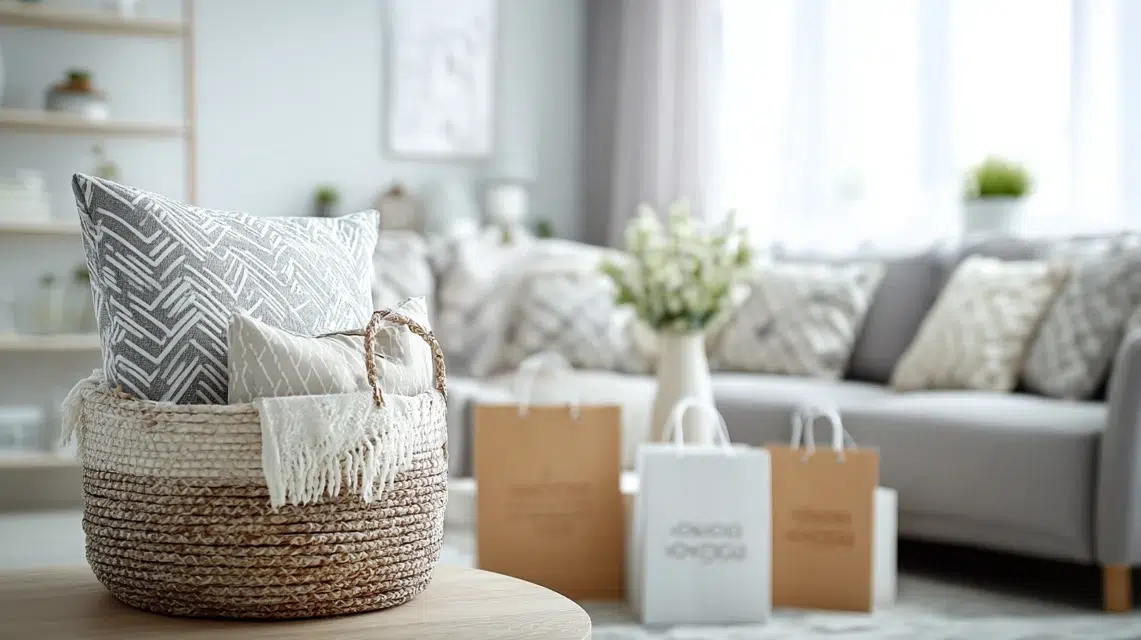
What Not to Buy at HomeGoods: Save Money and Stress
Shopping at HomeGoods can feel exciting, but not every deal is worth taking home. With shelves packed full of bargains, it’s easy to grab items that don’t last or look out of place once you set them up.
Many shoppers wonder why HomeGoods doesn’t sell online and look for other ways to get similar deals.
That’s where knowing what to skip becomes important. By being more selective, you’ll save money, avoid frustration, and bring home pieces that actually work for your space.
In this article on what not to buy at HomeGoods, I’ll share which products often fall short, what’s actually worth picking up, and how to shop smarter overall.
Ready to find out how to make your next trip less stressful and more rewarding? Keep reading.
Why You Need to Be Selective at HomeGoods
HomeGoods works on an off-price retail model, meaning it sells leftover or overstock items from other stores.
That can lead to great deals, but it also creates inconsistent stock, floor models with wear, and varying quality from one piece to the next.
While you’ll find variety and lower prices compared to traditional retailers, the trade-off often comes in durability and originality. Some items are worth the savings, but others may not hold up or feel unique in your space.
If you want more variety, there are stores similar to HomeGoods with affordable décor that offer a stronger quality.
Items You Should Skip at HomeGoods
Not everything at HomeGoods is a smart buy. Some categories often fall short in quality, originality, or long-term value.
1. Large Furniture
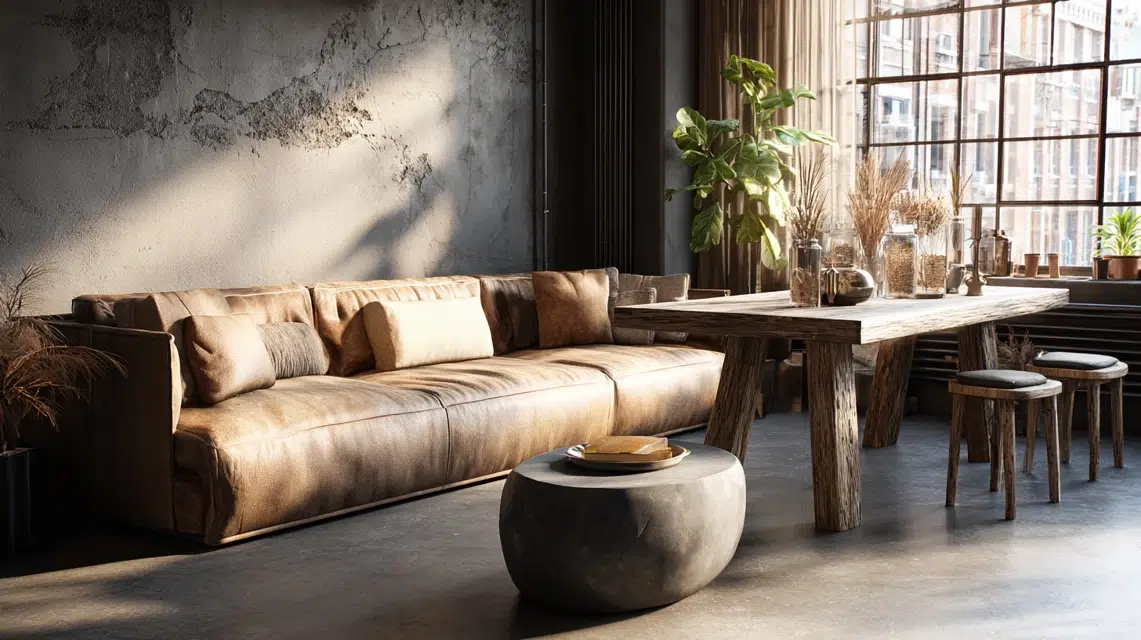
Big items like sofas, dining tables, or beds often show floor wear and weak construction. They may not last with daily use and can feel unstable.
Instead, shop for durable furniture from West Elm, IKEA, Ashley HomeStore, or outlet retailers where quality and warranties are stronger.
2. Mass-Produced Art & Fragile Glass Décor
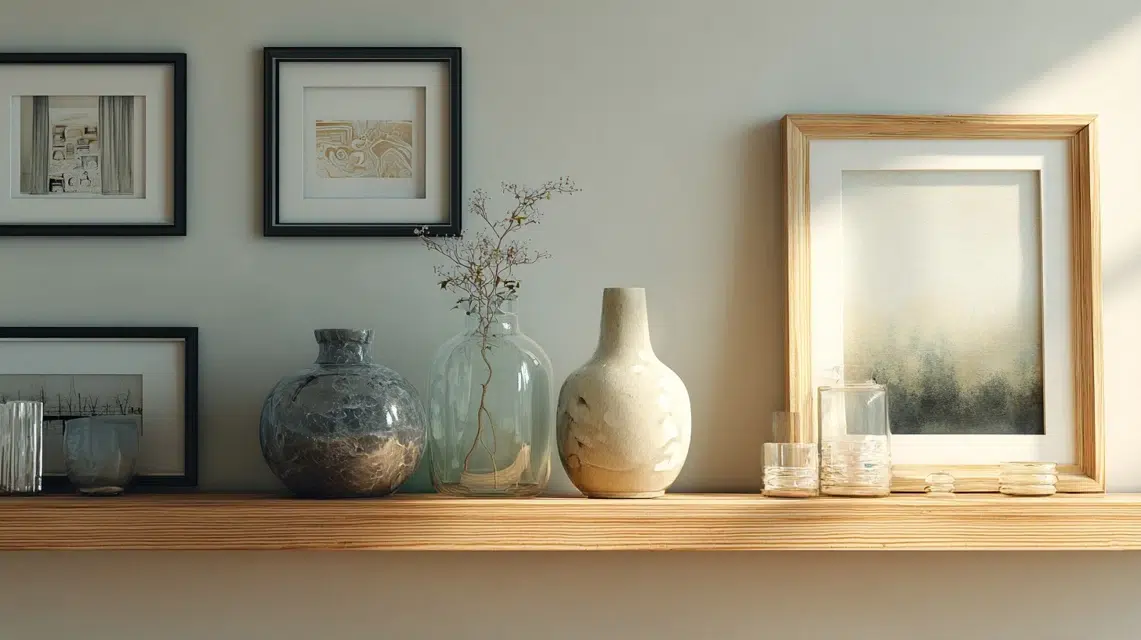
Art and glass décor at HomeGoods often look generic and are easy to damage. Frames may be flimsy, and glass can chip or break quickly.
For something unique and lasting, check Etsy, Society6, local art fairs, or thrift shops, where you’ll find original pieces with more character.
3. Faux Plants & Flowers
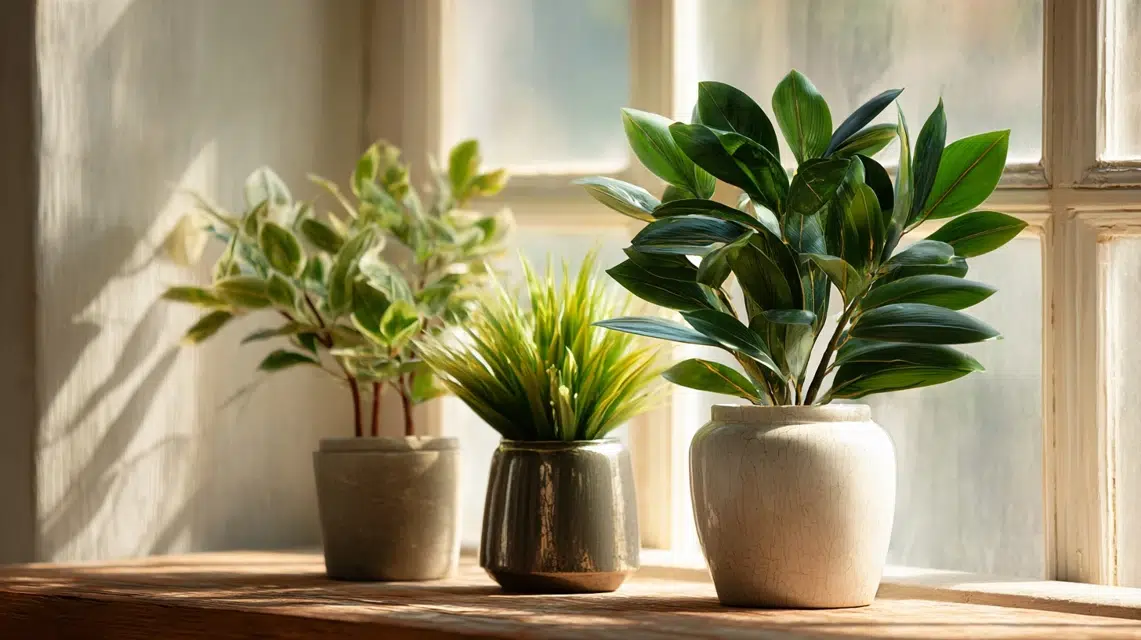
Artificial plants here often appear overly plastic, making rooms feel cheap rather than stylish. Leaves may look stiff, and colors are unrealistic.
For a better option, buy live plants from local nurseries or choose high-quality faux pieces from The Sill or Terrain for a natural appearance.
4. Kitchenware Sets
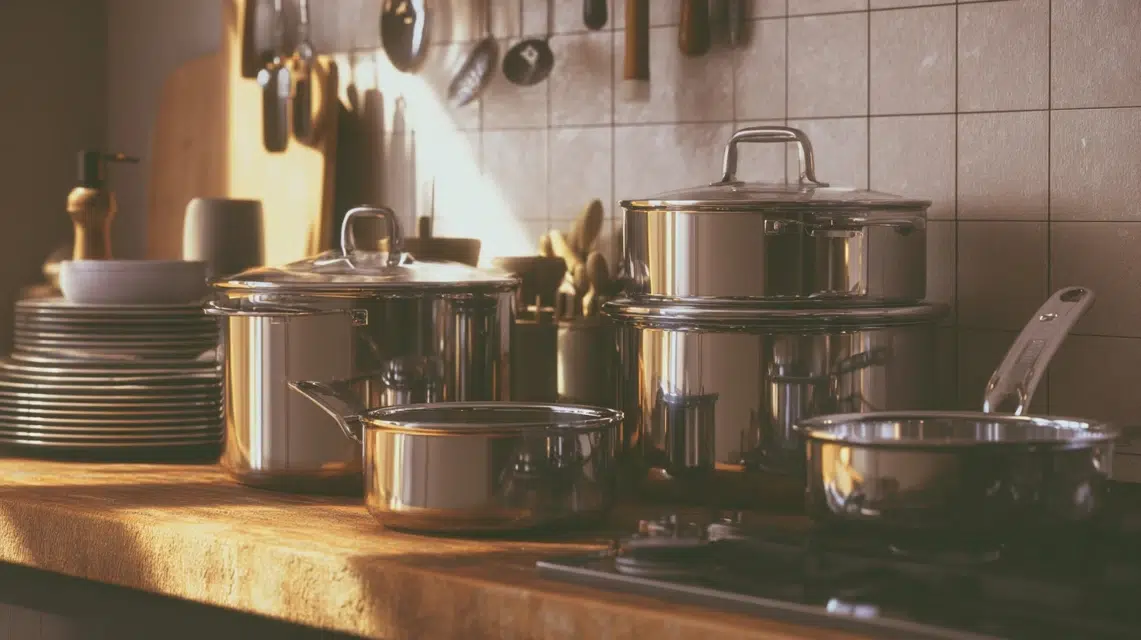
Finding complete, consistent kitchenware at HomeGoods is difficult. Sets are often mismatched, and quality varies, leaving pieces that don’t hold up well.
Instead, purchase reliable full sets from Crate & Barrel, Target, or Williams Sonoma, where durability and style are easier to guarantee.
5. Trendy or Wordy Décor

Signs and accessories with slogans like “Live, Laugh, Love” can feel dated and create clutter. These items rarely age well in home design.
Choose framed personal photos, artwork, or neutral décor pieces that add personality without relying on phrases or trends that fade quickly.
6. Other Commonly Criticized Items

Candles, knives, bedding, electronics, and grocery items are often hit-or-miss in quality. Knives from Amazon Basics, bedding from department stores, and groceries from reliable supermarkets are safer choices.
These categories perform better when bought from retailers specializing in each product type.
The Best Things to Buy at HomeGoods
While some categories fall short, HomeGoods does shine in others where style and price align.
- Accent furniture like stools or side tables often make affordable, stylish additions.
- Textiles such as throw pillows and blankets are plentiful, letting you refresh a space without overspending.
- Storage baskets and organizers are practical and attractive.
- Dishware, especially platters and simple white ceramic sets, is usually a strong buy.
- Rugs and cutting boards are also well-priced, making them excellent finds when quality checks out.
Shopping Strategy Tips for HomeGoods
Getting the most from a HomeGoods trip takes more than luck. With the right approach, you can spot true deals while avoiding disappointments. Keep these simple strategies in mind:
- Shop on weekdays, especially Tuesday or Thursday, after restocks for better selection.
- Inspect carefully: watch for wobbly legs, sticky drawers, chipped edges, or flimsy fabric.
- Check seams, stitching, tags, and glide drawers before buying.
- Splurge elsewhere on long-term pieces like sofas or mattresses.
- Save at HomeGoods on trendy décor or small, short-term items.
Seasonal Buying Guide
Shopping by season at HomeGoods can help you find timely deals, but not every category offers lasting value or quality.
Best Seasonal Finds
Holiday décor, outdoor cushions, spring organizers, and festive tableware are usually priced well. These pieces let you refresh your space affordably without major commitment.
Stick to items that add seasonal flair but won’t impact your home long-term, making them perfect for quick updates and occasional decorating.
What to Avoid Seasonally
Small tchotchkes, fragile ornaments, and cheap outdoor furniture often disappoint. These items can break easily or look worn after minimal use.
Instead of filling your home with clutter, focus on quality seasonal pieces that you can reuse year after year without replacing. This saves money and keeps your décor consistent.
Cost Breakdown: Do You Really Save?
HomeGoods often beats specialty stores on price, but savings vary widely by category and sometimes come with quality trade-offs.
| Category | HomeGoods Avg Price | Specialty Store Avg Price | Savings (%) | Tradeoff Worth It? |
|---|---|---|---|---|
| Dishware | $34.99 (set) | $60–$90 | 40–60% | Yes, for casual use |
| Rugs | $79.99 (area rug) | $150–$300 | 47–70% | Yes for basic; check quality |
| Furniture | $250–$799 (chair/table) | $400–$1,500 | 30–50% | No for upholstered pieces |
HomeGoods delivers the best value for everyday accessories and smaller essentials, while specialty stores remain stronger for high-end quality and durability.
Conclusion
When it comes to HomeGoods, the smartest approach is knowing when to pass and when to grab a deal. You’ve seen the categories that don’t usually deliver and the ones where real savings are possible.
By paying attention to quality, timing your visits, and focusing on the right products, you’ll make shopping here more rewarding.
Remember, the best value often comes from smaller accessories, while long-term investments may be safer elsewhere.
Use this guide on what not to buy at HomeGoods as your checklist before heading out. Want more smart shopping tips and home ideas? Check out my other blogs to keep making confident, budget-friendly choices.


