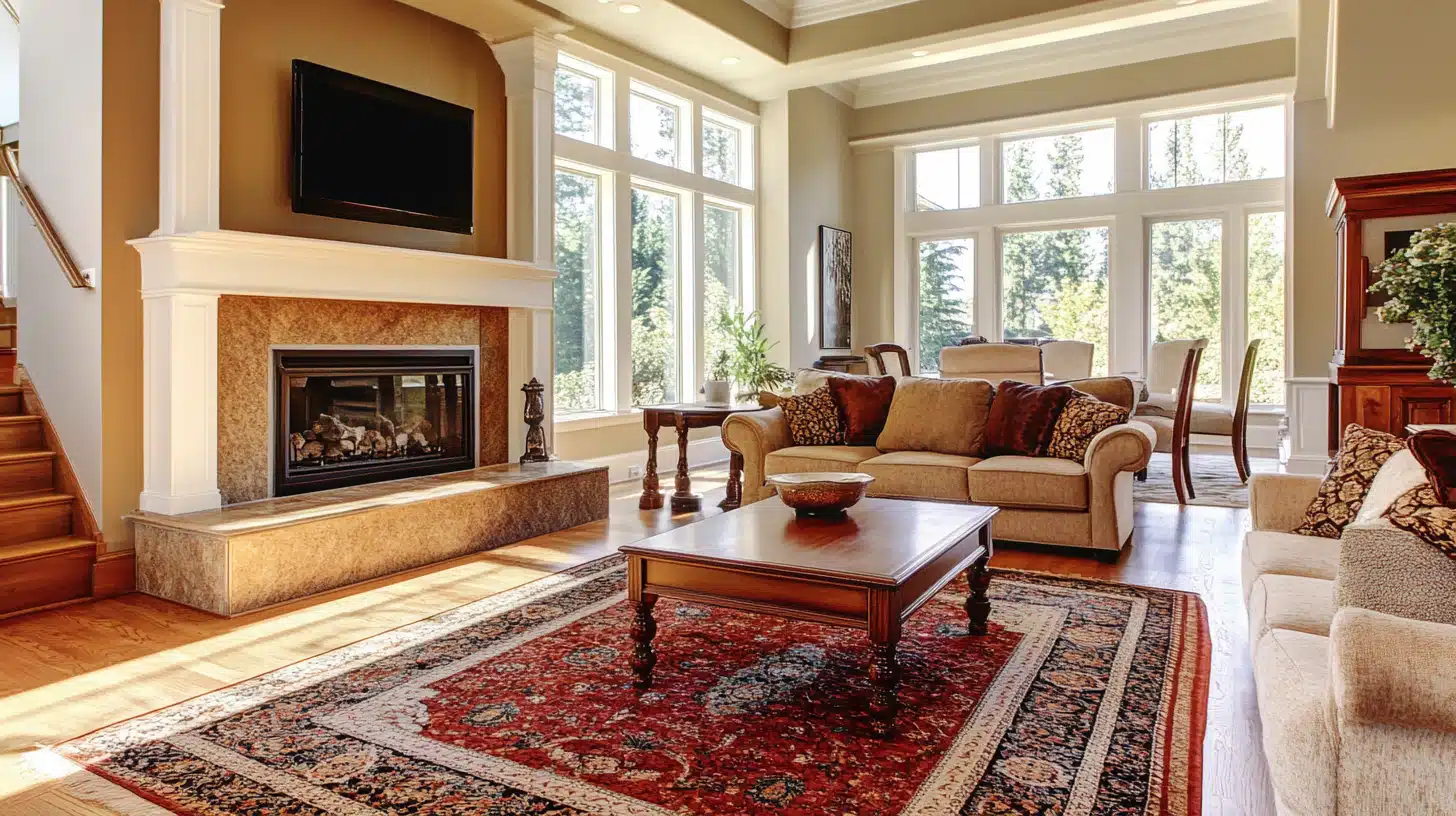
How 3D Visualization Helps You Choose Colors, Layouts, and Lighting (Before You Spend a Dollar)
I’ve lost count of how many times I stood in a room with paint swatches, tile samples, and a hopeful plan—only to wonder, “Will this actually look good together?” Samples help, but they don’t show how light moves through a space, or whether a pendant will glare on the TV, or if the island will pinch the walkway. That’s why I’m a fan of trying ideas virtually before committing in real life.
3D visualization lets you see your room at true scale, in realistic daylight and evening light, with your layout and finishes—so you can pick a direction confidently and cut back on returns, reorders, and regrets.
Why visualize before you buy
Our brains love context. A cabinet door in your hand isn’t the same as a full wall of cabinetry next to a window at 4 p.m. A single floor tile on a counter won’t reveal how grout lines change the vibe of a small bath. Visualization pulls all those decisions into one clear picture so you can:
- Compare schemes side-by-side (cabinet color + countertop + slab backsplash + hardware).
- Check proportions and clearances (sofa size, island width, mirror height, door swings).
- Test mood and lighting (day, dusk, and nighttime scenes) before shopping for fixtures or paint.
- Catch “gotchas” early—like a fridge door nicking the island, or a vanity sconce mounted too high.
If building scenes yourself isn’t your thing, a seasoned 3d visualization company can turn room measurements, a handful of photos, and a few inspiration links into a photoreal preview so you can decide with less second-guessing.
What to prep (the simple “design packet”)
You don’t need architectural drawings. A tidy folder is enough:
- Measurements (length, width, ceiling height) and rough window/door sizes.
- Photos from each corner, plus the view into the room from the next space.
- Fixed elements you’re keeping (floors, built-ins, appliances).
- Inspiration (3–6 images) that show the feeling you want, not just specific products.
This packet becomes your North Star—from visualizing to ordering to briefing contractors.
Kitchen first: where visualization saves the most stress
Kitchens are choreography: doors, drawers, and hungry people all moving at once. In a good visual you’ll see:
- Clearances that feel human: the path around the island, fridge and dishwasher door swings, a person standing at the sink while another slips behind.
- Vertical balance: how tall uppers meet the range hood or a run of windows.
- Material harmony: a warm-veined quartz with a cooler cabinet paint and matte hardware—together, not imagined.
- Lighting layers: under-cabinet task light, a soft evening wash, and island pendants that don’t read harsh.
If you’re stuck between two layouts (range on the wall vs. in the island), visualize both. Two minutes of “living” in each model usually reveals the winner.
Bathrooms: small rooms, big impact
In bathrooms, inches do the talking. A visualization helps you dial in:
- Sightlines: what you see when the door opens—serene vanity wall vs. straight-to-toilet view.
- Tile scale: how a large-format tile calms a small shower, and where grout lines land.
- Mirror + sconce spacing: light that lands on faces, not above them.
- Storage: niches, towers, and how they clear faucets or valves.

Living + dining: proportions are everything
Ever love a sofa online, then watch it disappear in a high-ceiling space? Visuals give you permission to size up (or down):
- Rugs that actually anchor zones (front legs of seating on the rug is a helpful rule of thumb).
- Art + mirrors scaled to the wall (especially over mantels, consoles, and sectionals).
- Lighting height you can compare—see pendants at 30″, 32″, and 34″ over the table and pick what feels right from all chairs.
- Traffic flow that works during everyday life and dinner with guests.
Curb appeal: day vs. blue hour
Exteriors live two lives: bright day and soft evening. It’s worth seeing both:
- Front door color against your actual siding/brick.
- Cut-off sconces that glow warmly without shining into neighbors’ windows.
- Layered plant masses that balance a tall facade.
- House numbers + mailbox placed to read from the street without shouting.
How to give feedback (so you get “yes, that!” visuals fast)
Think of conversation, not “spot the difference.” This rhythm keeps rounds short:
- Lead with feelings: “The island feels heavy—can we lighten the counter edge or add open shelving at one end?”
- Change one big thing at a time: cabinet color or backsplash, not both in the same round.
- Keep a decision log: a simple note with dates and choices so you remember what you loved (and why).
Most rooms reach clarity in 1–2 quick iterations when feedback is focused.
From picture to project: making it real
A gorgeous render is step one; the magic is using it as a bridge to the build:
- Save detail crops (tile outside corners, trim terminations, mirror/sconce spacing) for your installer.
- Export a plan view with centerlines and dimensions—this removes guesswork on appliance clearances, pendant spacing, and rug placement.
- Collect links for everything visible (paint, pulls, lighting) so your final room matches the picture that sold you.
If you’re working with a contractor, bring visuals to the kickoff meeting. They reduce “I thought you meant…” moments more than any mood board ever could.
Common myths (and kinder truths)
- “I’ll know it when I see it in person.” By then you’ve bought it, installed it, and maybe paid to remove it. Try it on virtually first—it’s kinder to your budget and your nerves.
- “Renders are too perfect to be useful.” Ask for honest lighting and materials (not showroom glass). Realistic visuals help you design for your actual home, not a styled catalog.
- “It’s only for big renovations.” Even a paint + lighting + rug refresh benefits from a quick preview—especially in small rooms where proportion does all the talking.

A simple starting plan (no overwhelm)
- Pick one space that’s causing decision fatigue (the kitchen corner, the tiny bath, a front entry that feels flat).
- Build your design packet (measurements, photos, inspiration).
- Ask for two versions: the safe choice and the bold one you secretly want.
- Live with them for a day—morning coffee, afternoon sun, evening lamps—and choose the version that makes you smile every time.
When you can see the future version of your space—at real scale, in real light—design becomes calmer and a lot more fun. Whether you DIY a simple model or collaborate with a pro, visualization replaces guesswork with “Yes, that’s it.” And that’s the best feeling to bring to any project.