How Outdoor Spaces Become Healing Gardens: Creating Places for Reflection
Many people look to gardens for more than beauty. A quiet outdoor space can offer calm when daily life feels heavy. Surrounded by plants and fresh air, the mind slows down in a way that indoor spaces rarely allow.
Nature has a way of easing stress that research continues to confirm. Studies show that time outside lowers blood pressure and reduces anxiety. That’s why so many hospitals, schools, and communities invest in green areas designed for reflection. These spaces support healing for both body and mind.
In this article, we‘re going to explore how to create an outdoor area that feels like a personal healing garden. You’ll learn how to choose the right space, add meaningful features, and shape it into a place of peace. If you’ve ever wanted a garden that restores more than it decorates, the steps ahead will show you how.
Understand the Emotional Power of Nature
Nature has a direct effect on how people feel. Green spaces are linked to lower stress and better mood, and even a short time outside can positively shift emotions. Sunlight, fresh air, and natural sounds provide a break from daily pressure and allow the mind to reset.
Being outdoors often brings perspective. A quiet walk among trees or sitting near flowers can help people process emotions they may struggle to face indoors. Besides comfort, nature also creates a sense of connection that reminds us we are part of something larger than our immediate pain.
Choose a Space That Invites Stillness and Peace
When planning a healing garden, the first step is choosing a location that feels calm. A peaceful space allows the mind to settle and makes reflection easier. Areas away from heavy traffic, constant noise, or bright distractions work best. Even a small corner of a yard, balcony, or rooftop can provide the right atmosphere if it is set apart from daily activity.
Light and shade also matter. Morning or evening sunlight tends to be softer and more relaxing than direct midday heat. Trees, pergolas, or umbrellas can provide balance by offering shade where needed.
A space that feels safe and private is more likely to invite stillness. Fencing, hedges, or screens can create boundaries that separate the garden from outside demands, turning it into a personal retreat for rest and thought.
Add Elements That Engage the Senses
Engaging the senses makes a healing garden more effective. Sight, sound, touch, smell, and even taste all play a role in creating calm and restoring focus. When these senses are gently activated, the mind has an easier time releasing stress.
Visual elements are often the first to be noticed. Colorful flowers, varied textures, and seasonal changes give the eye something soothing to follow. Greenery has been shown to lower stress levels, making plants the foundation of sensory design.
Sound is just as important. Leaves moving in the wind, songbirds, or the trickle of a small fountain provide natural rhythms that reduce anxiety. These gentle sounds are proven to lower heart rate and encourage relaxation.
Touch and smell complete the experience. Soft grass, smooth stones, or fragrant herbs like lavender or mint invite direct interaction. Such sensory details turn a simple garden into a place of healing.
Use Plants with Personal or Symbolic Meaning

Plants carry meanings that can turn a garden into a deeply personal space. Roses, for example, often symbolize love and remembrance. Many people plant them to honor a spouse, parent, or child. Lilies are linked to renewal and purity, which is why they are often seen at memorials and funerals. Lavender brings calm and has long been used to reduce anxiety through its scent.
Trees also hold symbolic weight. An oak represents strength and endurance, while a willow is often connected with mourning and resilience. Planting these trees in a healing garden can serve as long-term reminders of values or relationships that continue even after loss.
“Choosing plants with symbolic meaning allows families to tie memory to living growth, which can feel comforting over time,” adds Jeffrey Vaynberg, Co-Founder of Signature Headstones. This approach helps transform a garden into a lasting tribute that represents both personal stories and universal symbols of life.
Incorporate Water Features for Calm and Clarity
Water features bring both sound and movement into a healing garden. The steady flow of water reduces background noise and encourages relaxation by lowering stress hormones. Even a small fountain or birdbath can create a calming effect. Flowing water is known to refresh the mind and create clarity, making it helpful during moments of reflection.
Scale does not have to be large. A tabletop fountain, wall-mounted feature, or small pond can all provide the same benefits. What matters most is the gentle sound and visual presence, which together create a peaceful environment that supports emotional balance.
Include Seating That Encourages Quiet Reflection
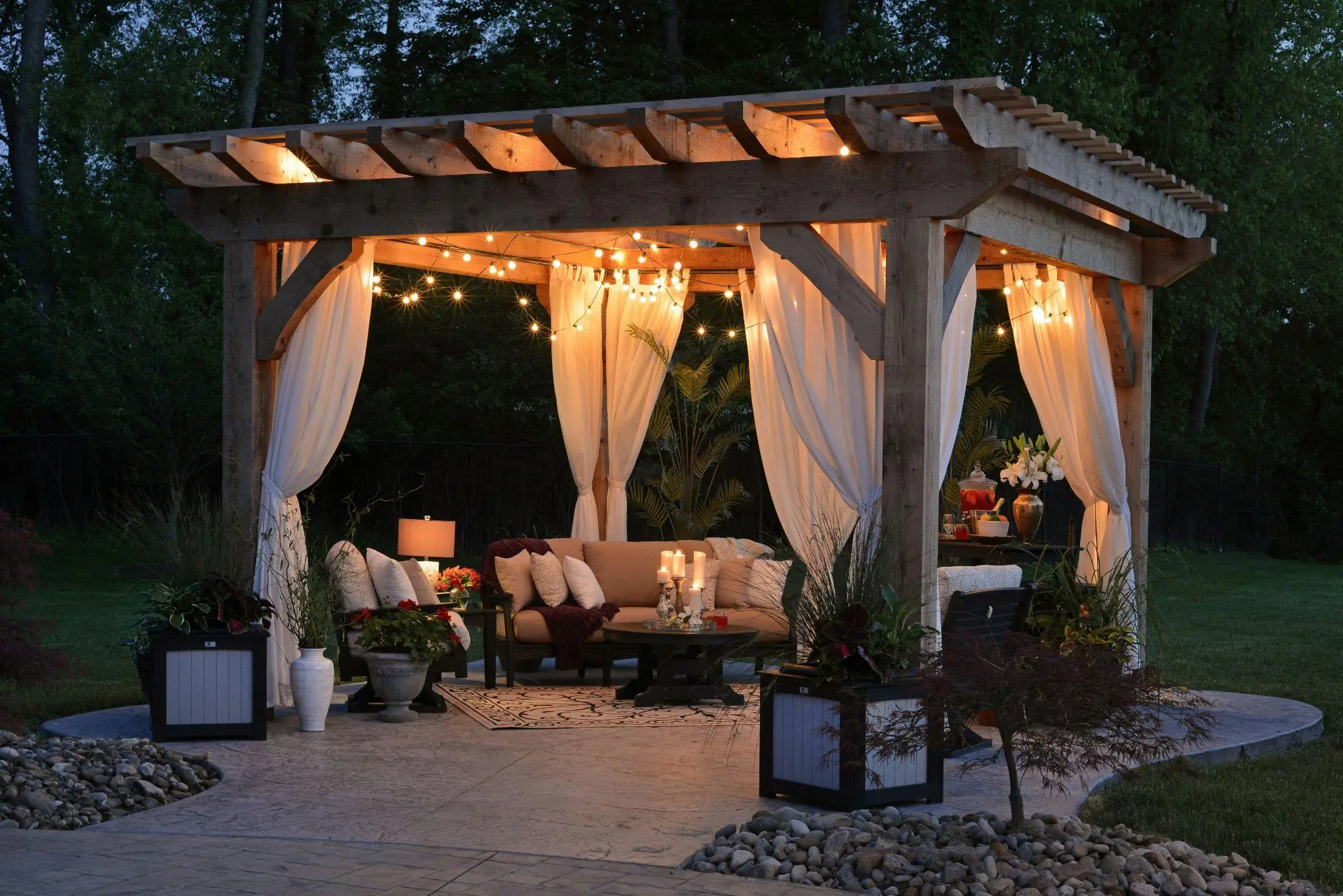
Seating is a key part of any healing garden because it gives people a place to pause. Benches, chairs, or even simple stone seats can create an anchor point where reflection feels natural.
Placement matters as much as design. A seat under a tree, beside flowers, or near a water feature encourages longer moments of stillness.
Comfort is also important. Materials that stay cool in the sun and provide back support make the space inviting. Adding cushions or natural wood seating can soften the look and feel. Thoughtful seating turns a garden from a walkway into a true place of rest.
Create Pathways That Encourage Gentle Movement
Pathways help guide how people move through a healing garden. A clear route encourages slow walking, which can ease stress and give the mind time to settle. Simple materials like gravel, stepping stones, or wood chips provide texture underfoot and mark the garden as a space for reflection rather than quick passage.
Path design should invite unhurried movement. Curved paths often feel more calming than straight ones because they create a sense of flow. Wider paths make it easier for two people to walk together, while narrower ones feel more private. When planned well, pathways turn the garden into an experience instead of just a space.
Add Personal Touches Like Stones, Sculptures, or Wind Chimes
Personal touches give a healing garden meaning beyond its plants and layout. Items like stones, sculptures, or wind chimes add symbols that connect directly to memory and reflection. A carved stone with a name or date can serve as a quiet marker that keeps a loved one present. Sculptures, whether abstract or traditional, provide visual focus points that spark thought during moments of stillness.
Wind chimes introduce sound that changes with the breeze, creating a natural reminder of presence and movement. Their tones can be chosen to reflect mood, from soft and calming to bright and uplifting. Each of these additions helps turn a garden into more than scenery. They make it a personal space shaped by meaning and memory.
Maintain the Garden as an Ongoing Act of Care
Caring for a healing garden is part of the healing itself. Regular upkeep keeps plants healthy and allows the space to stay inviting. Tasks like watering, pruning, or clearing pathways can feel grounding because they give structure and purpose during difficult times.
Maintenance also helps the garden grow with changing needs. New plants can be added to mark anniversaries, or small features can shift as seasons pass. Besides keeping the space functional, this ongoing attention reinforces the idea that memory is active rather than fixed. A well-cared-for garden becomes both a tribute and a living reminder of love and continuity.
Final Thoughts
Healing gardens are more than outdoor spaces. They give people a place to slow down, process emotions, and stay connected to memory. Every choice — from plants and water features to pathways and seating — shapes how the space supports reflection.
And what makes a garden meaningful is not size or design perfection but the intention behind it. When care and personal touches are added, the garden grows into something that feels alive with memory.
Creating such a space takes effort, yet the reward is lasting. A healing garden becomes a quiet refuge that continues to restore strength long after it is first planted.