Minimalist Kitchen Ideas for a More Organized Cooking Space
Imagine stepping into your kitchen and finding everything you need right where it belongs, no clutter, no chaos, just pure functionality.
A minimalist kitchen isn’t about cutting down to the bare essentials; it’s about creating a practical, calming space that works for you.
I know it can seem like minimalism means giving up comfort, but trust me, that’s not the case. In this blog, I’ll walk you through how to simplify your kitchen, make it more functional, and keep it looking beautiful.
By the end, you’ll see how this simple approach can truly make your daily life easier. Ready to learn how to create a kitchen that fits your needs perfectly? Let’s get started!
What is a Minimalist Kitchen?
A minimalist kitchen is a design approach focused on keeping only the essential items, creating a functional and efficient space.
The goal is to simplify meal preparation, cooking, and cleaning by eliminating unnecessary items and focusing on practicality. This design highlights streamlined appliances, simple décor, and smart storage solutions, ensuring everything serves a purpose.
The philosophy behind a minimalist kitchen is to create a more organised, stress-free environment, making daily tasks easier and more enjoyable.
It’s not just about making it more artistic; it’s about making the kitchen work better for you while enhancing your overall cooking experience.
Key Elements of a Minimalist Kitchen
A minimalist kitchen focuses on simplicity, functionality, and clean design. Here are the key elements that make a kitchen truly minimalist:
- Clutter-Free Surfaces: Keep countertops clear by storing items out of sight. This creates a clean, open space for cooking, enhancing the overall design
- Neutral Color Palette: Opt for neutral tones like white, grey, black, or natural wood. These colors create a calm and timeless atmosphere, allowing other design elements to take center stage.
- Functional Storage: Maximize storage with smart solutions, such as pull-out shelves, drawer organizers, and cabinets that conceal appliances. This keeps everything tidy and easy to access.
- Quality Over Quantity: Invest in fewer, high-quality items that serve multiple purposes. Durable cookware and appliances are essential in a minimalist kitchen.
- Simple, Sleek Design: Choose clean lines and simple shapes in furniture, appliances, and decor. Avoid excessive ornamentation and focus on elements that are both functional and stylish.
- Efficient Appliances: Opt for energy-efficient, multi-functional appliances to minimize clutter and lower your energy costs. Look for sleek, integrated designs to maintain the minimalist look.
- Natural Lighting: Maximize natural light to create an airy, open feel. Large windows or light, reflective surfaces help brighten the space and make it feel more spacious.
These elements work together to create a minimalist kitchen that is not only visually appealing but also highly functional and easy to maintain.
Design Ideas for a Minimalist Kitchen
1. Floating Countertops

Create an airy feel with floating countertops that offer more cleaning space beneath and enhance the kitchen’s openness. This design reduces visual weight, making the kitchen feel larger and more open.
2. Integrated Appliances

Hide appliances like refrigerators and dishwashers within cabinetry for a clean, clutter-free look. This approach maximises storage space and gives the kitchen a sleek, cohesive appearance.
3. Multi-Functional Kitchen Island

Use the island for storage, seating, and prep areas to save space and reduce the need for extra furniture. It serves as the central hub, improving efficiency and maintaining a minimalist design.
4. Soft Backlighting

Install soft backlighting under shelves or cabinets to highlight key areas without overwhelming the space. It also creates an inviting atmosphere, adding depth to the kitchen design.
5. Concealed Trash and Recycling

Hide trash and recycling bins within cabinetry for a neat, organised kitchen while maintaining easy access. This keeps the kitchen visually clean and functional without compromising on convenience.
6. Compact, Multi-Use Appliances

Select small, versatile appliances to conserve space and keep countertops clutter-free. Multi-functional tools, like a blender that doubles as a food processor, keep your kitchen practical yet minimalist.
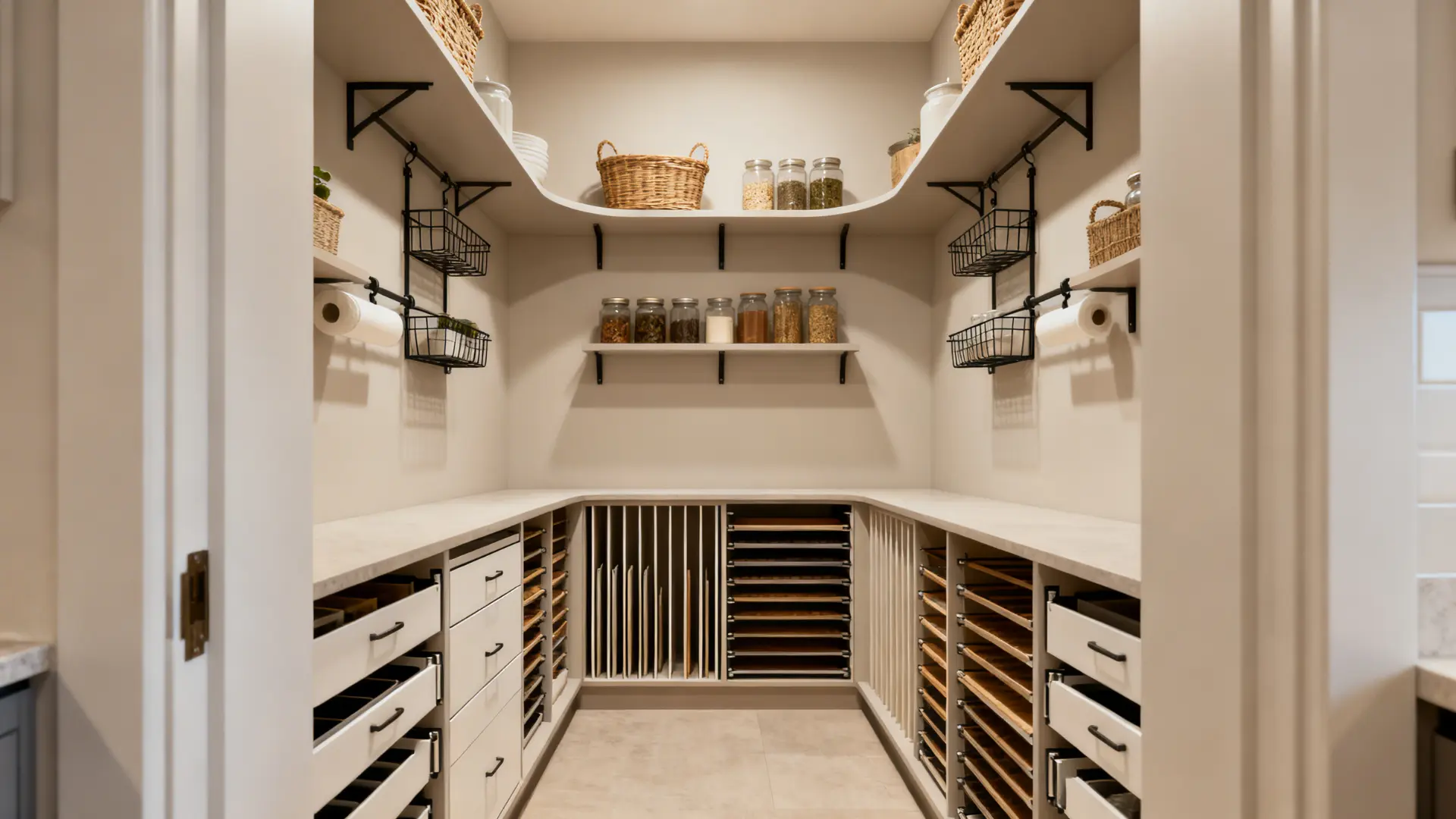
7. Storage Solutions

Use pull-out drawers and built-in cabinets to keep everything organised and out of sight. This makes it easy to store and access items while keeping the kitchen clutter-free.
8. Monochromatic Colour Scheme

Stick to neutral colours like white, grey, or beige to create a calm, cohesive kitchen atmosphere. A monochromatic palette enhances simplicity, ensuring that no element overwhelms the space.
9. Streamlined Cabinet Handles

Opt for handleless or integrated handles for a smooth, clean look. This sleek design element ensures the kitchen feels streamlined and modern, with no visible hardware disrupting the visual.
10. Open Shelving with Limited Items

Display only essential, visually pleasing items on open shelves to avoid mess. A few well-chosen items help maintain a clean, organised look while keeping the space functional.
11. Wall-Mounted Faucets

Free up counter space with a wall-mounted faucet, offering a modern, sleek design. This minimises visual distractions and provides more flexibility for cleaning and kitchen organisation.
12. Smart Kitchen Technology

Integrate smart devices, such as voice-controlled assistants or touchless faucets, to enhance functionality.
These devices save time and effort, adding convenience while maintaining the minimalist vibe.
13. Glass Cabinet Doors

Use frosted or clear glass to display select items, maintaining an open, airy feel. Glass doors help create visual depth without overcrowding, showcasing only essential items neatly.
14. Floating Sink

Install a floating sink for a modern look and more space beneath for storage or cleaning. This design makes the kitchen feel less cramped, offering a minimalist yet highly functional solution.
15. Minimalist Bar Area

Create a small, built-in bar with sleek shelving for a functional yet minimalist touch. This keeps the area clean, organised, and ideal for hosting or making drinks stylishly.
16. Use Mirrored Surfaces

Mirrored backsplashes or cabinet panels reflect light, creating a sense of openness and space. This feature works exceptionally well in small kitchens, enhancing the airy, modern feel.
17. Maximise Vertical Storage

Utilise tall cabinets or open shelves that reach the ceiling to optimise space. This design keeps counters clear while maintaining a minimalist design with efficient storage.
18. Include a Pull-Out Coffee Bar

A hidden, pull-out coffee station integrates wellly into cabinetry. When not in use, it tucks away, keeping the kitchen organised and clutter-free.
19. Install Hidden Drawer Organisers

Hidden organisers maximise storage while keeping utensils and tools neatly tucked away. This design ensures a clean, streamlined look without compromising functionality.
20. Add Minimalist Wall Art

Simple, monochromatic art adds personality to the kitchen without overwhelming the space. It complements the minimalist design, softening hard lines and enhancing the overall atmosphere.
21. Use Transparent Cabinet Doors

Transparent or frosted glass cabinet doors make the kitchen feel lighter and more open. This design strikes a balance between storage needs and a modern, uncluttered design.
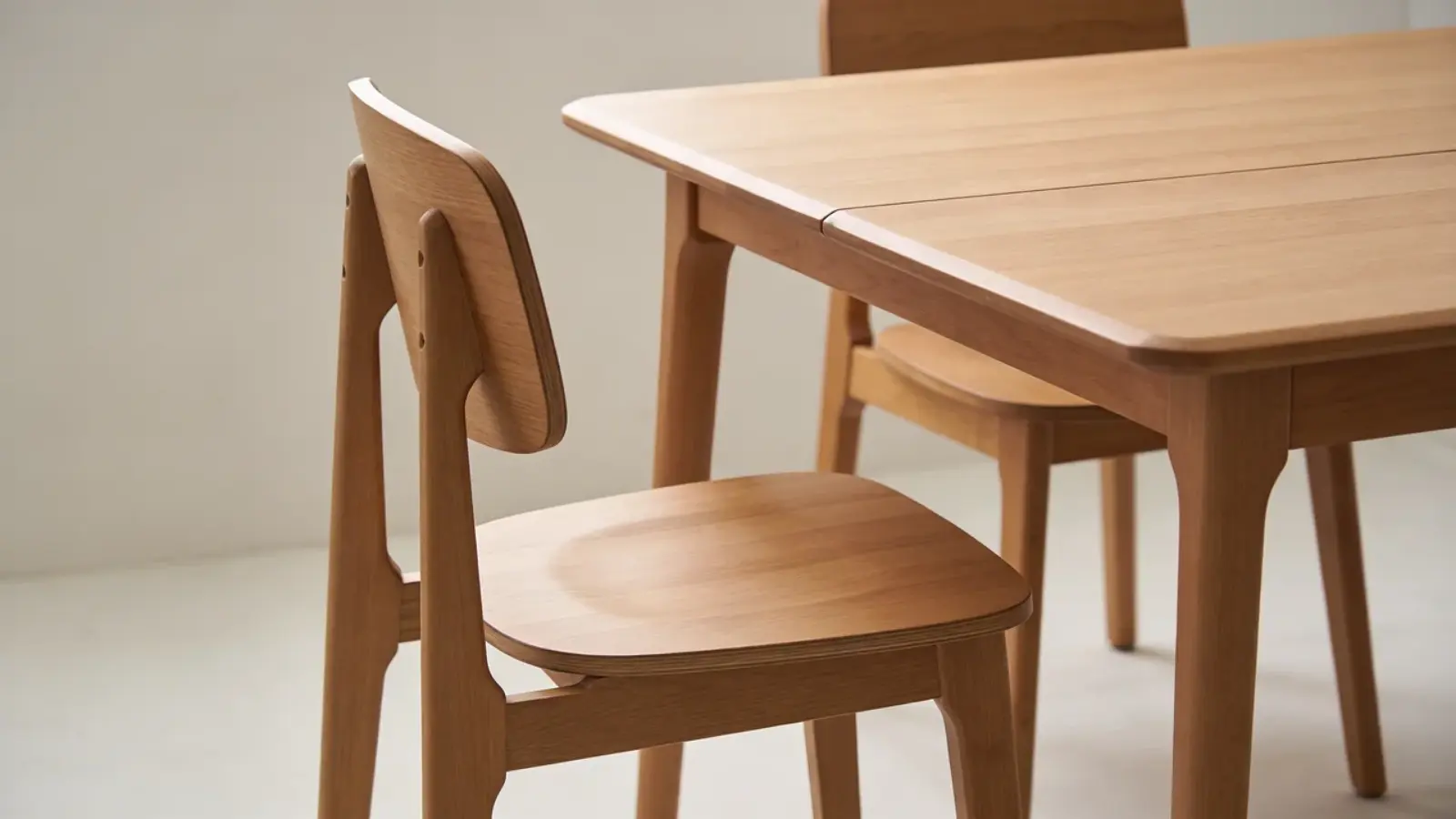
22. Combine Kitchen and Dining Area

Combining the kitchen and dining areas creates a cohesive, open-plan space. It enhances functionality and promotes social interaction while maintaining a minimalist design.
23. Choose Compact Appliances

Compact, multi-functional appliances save counter space while maintaining essential functionality. They reduce clutter and help achieve a sleek, minimalist design.
24. Create a Minimalist Breakfast Nook

A cozy, functional breakfast nook with clean lines blends smoothly into the kitchen. It provides an intimate dining space while preserving an open, airy feel.
25. Integrated Drying Racks

Install built-in drying racks that slide out from under countertops or cabinets. When not in use, they can be tucked away neatly, maintaining clean, clutter-free surfaces.
This design keeps your kitchen looking organised while still providing functionality for drying dishes or utensils when needed.
26. Statement Lighting Fixtures

Replace traditional overhead lights with minimalist, artistic pendant lights or geometric chandeliers for a more modern look. These bold lighting choices serve as focal points in the kitchen, enhancing the space’s design.
They provide functional lighting while making a refined, stylish statement, increasing the kitchen’s atmosphere without overwhelming the space.
27. Custom Drawer Systems

Invest in custom drawer systems that include built-in organizers for utensils, knives, and spices. These make it easier to keep the kitchen tidy without adding extra storage units.
28. Undermount Lighting

Install subtle undermount lighting under cabinets or shelves to highlight the workspace. This soft light enhances the minimalist atmosphere and adds ambience without overwhelming the design.
29. Natural Wood Accents

Use natural wood accents, such as butcher block countertops, wooden handles, or open shelves. Wood adds warmth and texture to an otherwise sleek and modern design, balancing minimalism with organic appeal.
30. Glass Backsplash

A smooth, transparent glass backsplash reflects light, creating a clean look. It’s easy to clean, adds modern flair, and keeps the kitchen looking bright and fresh.
31. Slim Profile Appliances

Opt for appliances with a slim, low-profile design, such as slim refrigerators or compact dishwashers.
These take up less space and blend effortlessly into the design, making them ideal for minimalist kitchens.
32. Open Floor Space

Maintain an open layout with minimal furniture or accessories. A spacious floor plan allows for easy movement, keeping the kitchen feeling light and airy.
33. Flush-Mounted Appliances

Choose appliances that are flush-mounted with cabinetry, such as refrigerators, dishwashers, or ovens. This provides a clean, built-in look, making the kitchen feel more cohesive and organised.
34. Minimalist Window Treatments

Opt for sheer curtains or simple blinds that let in plenty of natural light without overpowering the space. Minimalist window treatments enhance the airy feel and complement the kitchen’s streamlined design.
35. Simple Glass Storage Jars

Use glass storage jars with simple labels to organise pantry essentials. This adds a clean, functional storage solution that complements the minimalist design without introducing unnecessary clutter.
36. Open Floor Plan

Ensure that your kitchen is part of an open floor plan, where it mixes into the dining or living area. This creates a sense of space and flow while maintaining the design’s cohesion.
37. Hidden Refrigerator

Integrate your refrigerator into custom cabinetry with a flush finish, making it blend into the kitchen’s design. This creates a clean, uninterrupted look while still offering full functionality.
38. Neutral-toned Countertop

Opt for neutral-toned materials, such as concrete, marble, or quartz, for your countertops. These surfaces blends into the minimalist design, providing durability and a balanced, clean appearance.
39. Pocket Doors for Cabinets

Install pocket doors for cabinetry, which slide into the wall when opened. This space-saving feature keeps your kitchen looking tidy and uncluttered while offering easy access to stored items.
40. Built-In Herb Garden

Integrate a built-in vertical herb garden into the wall or cabinetry for a fresh supply of herbs. This addition not only enhances your cooking experience but also brings a touch of greenery to the kitchen without disrupting the minimalist design.
41. Hidden Induction Cooktop

A hidden induction cooktop integrated into the countertop provides a sleek surface when not in use. It can be covered with a countertop piece, allowing for a fully uninterrupted design when cooking is not needed.
42. Magnetic Knife Rack

Install a magnetic strip on the wall to securely store knives, eliminating the need for bulky knife blocks. This minimalist storage solution keeps knives accessible and tidy while also freeing up counter space.
Sustainability in a Minimalist Kitchen
A minimalist kitchen naturally aligns with sustainability by focusing on fewer, higher-quality items that last longer, reducing waste. Start by choosing durable materials for countertops and cabinetry, such as bamboo or recycled wood, which are both eco-friendly and long-lasting.
Opt for energy-efficient appliances, like induction cooktops or energy-star-rated refrigerators, that consume less power and lower your utility bills.
Another key element is reducing the use of single-use plastics. Choose reusable storage containers, glass jars, and cloth napkins to reduce your use of disposable products.
A minimalist approach also encourages mindful shopping – buy only what you need, avoiding overconsumption and food waste.
Additionally, prioritize local and organic food when possible, as it supports sustainable farming practices. By simplifying your kitchen and following sustainable choices, you not only create a calm, clutter-free environment but also contribute positively to the planet.
Optimising Minimalism in Small or Large Kitchens
No matter the size of your kitchen, minimalist principles can be applied to optimize space and functionality. If you have a cozy, compact kitchen or a spacious one, the key is to focus on simplicity and efficiency.
Here is how you can optimize minimalism in both small and large kitchens:
| Aspect | Small Minimalist Kitchen | Large Minimalist Kitchen |
|---|---|---|
| Storage Solutions | Vertical storage (floating shelves, overhead cabinets) | Built-in appliances, pull-out drawers, deep cabinets |
| Furniture | Multifunctional furniture (e.g., extendable tables, storage benches) | Larger, integrated furniture with multiple functions (e.g., a kitchen island with storage) |
| Countertop Space | Maximize with minimal items, clear surfaces | Plenty of countertop space, but still keep it uncluttered |
| Lighting | Under-cabinet lighting, compact overhead fixtures | Recessed lighting, larger pendant lights, and under-cabinet strips |
| Space Planning | Focus on making the most of every inch, and use compact designs | Maintain clean lines, emphasize flow, and open space |
| Appliances | Choose compact, multifunctional appliances (e.g., all-in-one blenders) | Larger appliances integrated into cabinetry, sleek designs |
| Overall Feel | Use light colors and open shelving to create a sense of space | Focus on maintaining an open, airy feel with elegant, streamlined designs |
Common Mistakes to Avoid in a Minimalist Kitchen
When designing a minimalist kitchen, it’s easy to get caught up in the look, but avoiding key mistakes ensures that both style and functionality work hand in hand.
- Focusing too much on appearance and neglecting functionality.
- Keeping unnecessary items that don’t serve a clear purpose.
- Failing to incorporate efficient storage solutions.
- Designing a layout that disrupts the cooking workflow.
- Overlooking the importance of proper lighting in the space.
Conclusion
When I first started simplifying my kitchen, I realized it’s all about making the space more practical and peaceful. By focusing on making my kitchen more efficient and organized.
I recommend starting with small changes, such as clearing off your countertops or selecting versatile kitchen tools. It’s not about perfection, it’s about creating a space that works better for you.
If you’re looking for more tips on how to create a minimalist kitchen, check out other blogs on the website for your inspiration!