Base Cabinet Depth Guide: Standard vs Custom Sizes
Getting your base cabinet depth right isn’t just about looks; it affects how your whole kitchen feels and functions.
Cabinets that are too small limit your storage. Cabinets that are too big can make it hard to reach the back or install appliances the right way.
I’ve seen how frustrating that can be when things don’t line up like they should. That’s why I put this together to help you figure out what works best.
You’ll learn what the standard base cabinet depth is, when to choose something different, and what to watch out for.
I’ll also share a few tips I’ve picked up from real kitchen projects so you can skip the guesswork and avoid common mistakes.
What is the Standard Base Cabinet Depth?
The industry standard for base cabinet depth is 24 inches. This measurement doesn’t include the countertop thickness.
When you add a standard countertop, the total depth becomes 25 to 26 inches. Most countertops are 1 to 2 inches thick.
Why 24 Inches is Standard
This depth creates the right balance between storage space and easy access. You can reach items in the back without too much stretching.
Standard appliances are designed to work with 24-inch cabinets. Your dishwasher, range, and other built-in appliances will align properly.
The 24-inch depth also follows ergonomic principles. Most people can comfortably reach 24 inches deep while standing at the counter.
Alternative Base Cabinet Depths
While 24 inches is the common choice for base cabinets, it’s not the only option available. Depending on your kitchen’s layout or specific needs, other depths might work better.
Below, we’ll look at shallower and deeper alternatives, along with the situations where each one makes practical sense.
1. Shallow Cabinets (12–18 Inches)

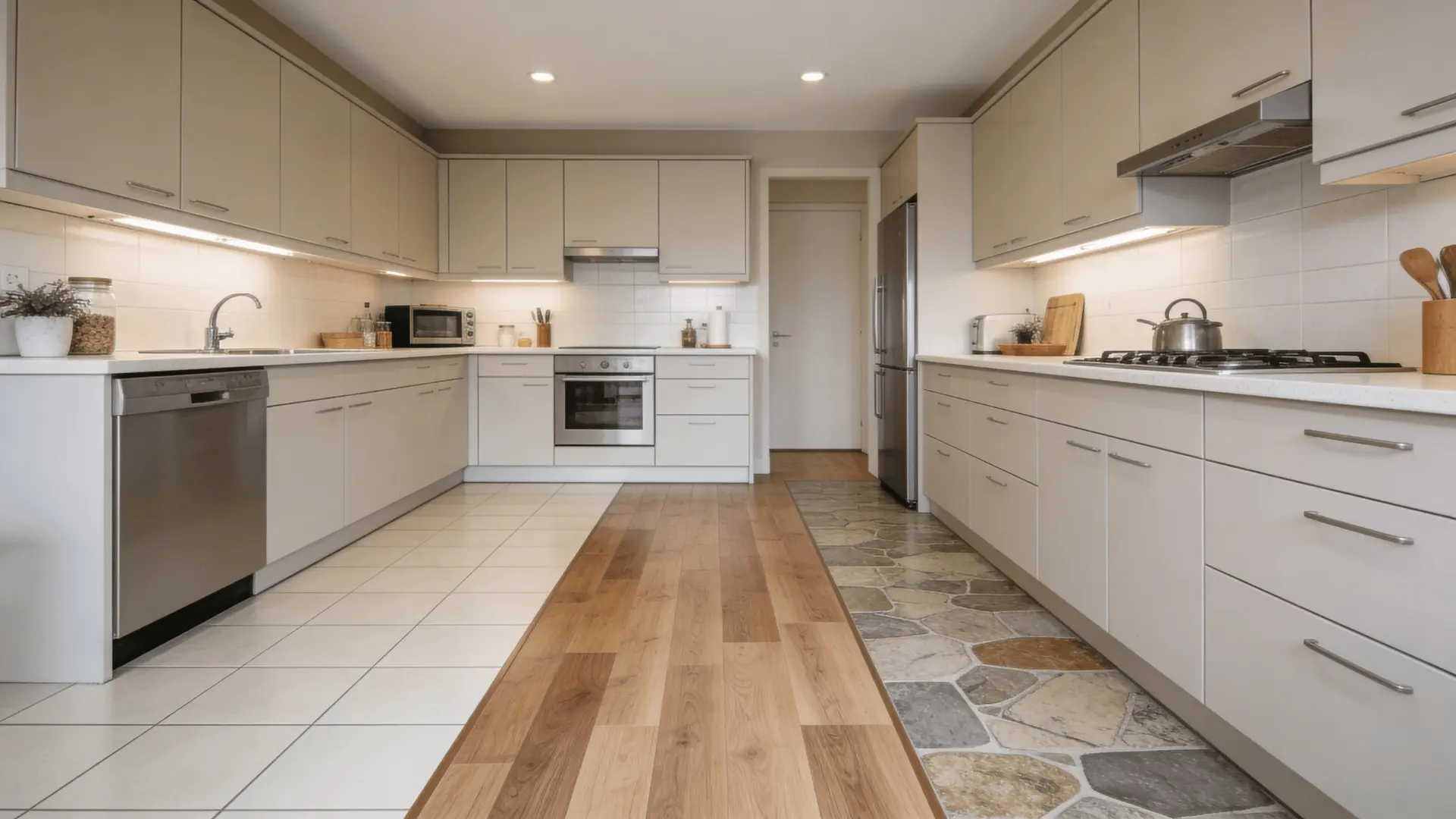
Shallow cabinets work well in tight spaces. They’re perfect for galley kitchens where you need to maintain walking space.
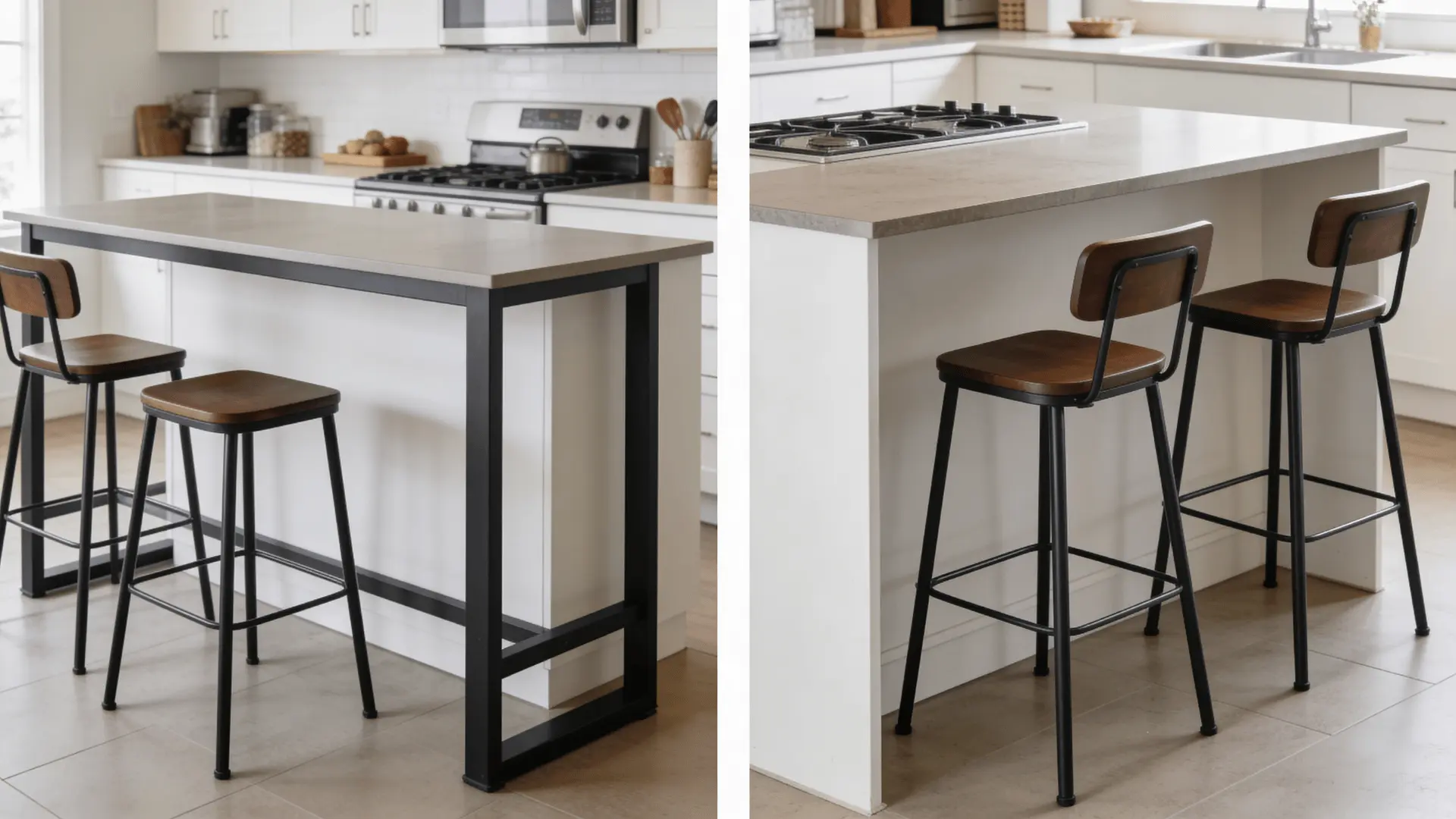
You’ll also see them used for kitchen islands with seating. The shallow depth leaves more legroom for people sitting at the island.
The trade-off is less storage space. You’ll need to be more selective about what you store in these cabinets.
2. Deep Cabinets (27–30 Inches)

Deep cabinets give you extra storage space. They’re useful for large pots, serving dishes, and bulk items.
Some homeowners use deep cabinets to accommodate larger cooktops or farmhouse sinks. These fixtures need the extra space.
Deep cabinets can be harder to organize. Items in the back become hard to reach. Pull-out drawers and organizers help solve this problem.
Comparison Table
| Depth Range | Best Use Cases | Pros | Cons |
|---|---|---|---|
| 12-18 inches | Galley kitchens, islands with seating | Saves space, easier to reach items | Limited storage |
| 24 inches | Standard kitchens | Good balance, fits all appliances | It may feel shallow for some needs |
| 27-30 inches | Large appliances, extra storage | Maximum storage space | Hard to reach back items |
Choosing the Right Depth for Your Kitchen

Measure your kitchen carefully before deciding on cabinet depth. You need at least 36 inches of clearance for walkways.
Check how your appliances will align with different cabinet depths. Your refrigerator and range should line up with the cabinet fronts.
Consider your countertop overhang needs. Bar seating requires 10-12 inches of overhang for legroom.
1. Storage Needs vs Accessibility
Think about what you plan to store in your base cabinets. Heavy pots and large serving dishes need deeper cabinets.
If you have mobility issues, shallow cabinets might work better. You won’t need to reach as far for items.
Consider your height and arm reach. Taller people can handle deeper cabinets more easily.
2. User Lifestyle and Kitchen Usage
Serious cooks often prefer deeper cabinets for storing large equipment. Bakers need space for mixing bowls and baking sheets.
Families with young children might want shallower cabinets at kid height. This makes snacks and dishes easier to reach safely.
Seniors often find standard or shallow depths more comfortable. Deep cabinets can strain the back and shoulders.
3. Special Use Cases and Layouts
Some kitchen designs call for cabinet depths that go beyond the standard.
Whether it’s a tight layout, an island configuration, or a tricky corner, certain situations benefit from adjusted dimensions.
This section breaks down where and why these variations are commonly used.
4. Corner Cabinets and Lazy Susans
Corner base cabinets typically use a standard 24-inch depth. The challenge is making the corner space accessible.
Lazy Susan systems work well in corner cabinets. They bring items from the back corner to the front.
Some corner cabinets use diagonal fronts. These create easier access but reduce storage space slightly.
5. Base Cabinets for Islands
Kitchen islands can use different depths on different sides. The cooking side might use a standard 24-inch depth.
The seating side often uses a 12-15 inch depth. This creates more legroom for people sitting at the island.
Two-tier islands use different depths for different functions. The prep area stays at counter height with full depth.
6. Tiny Homes or Narrow Kitchens
Narrow kitchens benefit from 18-inch deep cabinets. This keeps walkways wide enough for comfortable movement.
You can compensate for lost storage with taller wall cabinets. Vertical storage becomes more important in narrow spaces.
Pull-out drawers maximize the storage in shallow cabinets. Every inch of space gets used efficiently.
Customising the Cabinet Depths
Not all kitchens fit the mold of standard sizing. When off-the-shelf options fall short, custom cabinet depths can help match specific layouts, appliances, or design goals.
Why do we even need to do customisation? Some appliances don’t work with standard cabinet depths. Professional ranges and large refrigerators might need custom sizing.
Retrofitting older homes sometimes requires custom depths. Wall positions and plumbing might limit your options.
Some homeowners want specific depths for design reasons. A uniform look might require matching all cabinets to appliance depths.
Custom cabinets cost 15-30% more than standard sizes. The exact increase depends on how far you deviate from the standard.
Lead times are longer for custom cabinets. Expect 6-12 weeks instead of 2-4 weeks for standard sizes.
Installation might cost more, too. Custom sizes can create fitting challenges that take extra time.
Common Mistakes to Avoid
- Forgetting appliance clearance, dishwasher and oven doors need room to open without obstruction.
- Using the same cabinet depth everywhere without thinking about how each area functions.
- Prioritizing storage over reachability, cabinets that are hard to access may end up unused.
- Ignoring wall or floor irregularities that can affect how cabinets fit and function.
- Overlooking the countertop support, deeper cabinets may require added bracing.
- Choosing deep cabinets for tight walkways can make the space feel cramped.
- Skipping layout planning, depth changes should align with appliances, outlets, and plumbing.
- Failing to match cabinet depth with adjoining features like kitchen islands or peninsulas.
Conclusion
Thanks for taking the time to learn about base cabinet depth. I hope this helped clear things up and gave you a better idea of what works and what doesn’t.
We covered the basics, looked at other depth options, talked about how to choose the right one, and pointed out common mistakes.
It’s easy to get caught up in details, but your kitchen should feel right for you. Keep it simple. Measure well. Think about how you cook, store, and move around. If you’re not sure, it’s okay to ask a pro.
And if you’re planning more updates, feel free to check out some of my other blogs; they might give you a few good ideas.