Before and After Cabinet Refacing: Guide & Tips
Ever looked at your worn-out cabinet doors and thought your kitchen could use a fresh start? I’ve been there, and cabinet refacing turned out to be the budget-friendly fix I didn’t expect to love.
In this guide, you’ll learn what refacing really means, how it stacks up against painting or full replacement, and get inspired with real before-and-after cabinet refacing examples.
I’ll also cover costs, materials, and how to choose the right pro, or take it on yourself. By the end, you’ll know exactly how to plan, budget, and care for your refaced cabinets.
Get ready to see how one smart update can give your kitchen a whole new feel.
What is Cabinet Refacing?
Cabinet refacing is a simple way to give your kitchen or bathroom a fresh new look without replacing your entire cabinets.
Cabinet refacing means keeping your existing cabinet boxes in place.
You replace the doors, drawer fronts, and hardware. Then, a thin layer of material (like wood veneer or laminate) is added to the visible parts of the cabinet frames.
It makes your cabinets look new on the outside, without changing what’s underneath.
How It Differs from Refinishing and Replacing
Each option gives your cabinets a new look, but in very different ways.
Here’s how refacing compares:
- Refacing: Replace doors and drawer fronts, cover cabinet frames, and update hardware.
- Refinishing: Sand and paint or stain what you already have.
- Replacing: Remove old cabinets completely and install new ones.
Refacing gives you a brand-new style without the high cost or mess of a full replacement.
When It Makes Sense
Cabinet refacing is a great option when your cabinet boxes are still in good condition. If there’s no water damage, mold, or warping, you likely don’t need full replacements.
It also makes sense if you like your current cabinet layout. Since refacing doesn’t change the structure, it’s best for kitchens that don’t need a new design or floor plan.
Many homeowners choose refacing to get a fresh, modern look without the cost of brand-new cabinets. It’s especially helpful if you’re doing a small kitchen update or preparing your home for sale.
In short, cabinet refacing gives you the visual impact of a remodel, without the mess, time, or high price.
Complete Guide to Before-and-After Cabinet Refacing
In this guide, I’ll walk you through every step of the cabinet refacing process, from choosing materials to the finishing touches, so you can upgrade your kitchen or bathroom without a full remodel.
Tools and Materials Required
Before you begin, gather the tools and materials below. Having everything on hand will help your project go smoothly from start to finish. Here are some items you will need for your project:
| Item | Approximate Cost Range | Notes |
|---|---|---|
| Cabinet doors & drawer fronts | $25 – $200+ per piece | Depends on the material (laminate, wood veneer, solid wood) |
| Veneer or laminate sheets | $85 – $225 per linear foot | Laminate: $85–$118; Wood veneer: $125–$225 |
| Contact cement/adhesive | $15 – $40 per gallon | 1 gallon covers 200–300 sq. ft.; most kitchens need 1–2 gallons |
| Screws & screwdriver | $10 – $30 total | Screws: $5–$10/box; Screwdriver set: $10–$20 |
| Paint or stain | $20 – $70 per quart/gallon | 1 gallon covers 300–400 sq. ft.; varies by quality |
| Cabinet hardware | $2 – $15 per piece | Handles, pulls, hinges (budget to designer options) |
| Measuring tape & level | $15 – $35 total | Measuring tape: $5–$15; Level: $10–$20 |
| Utility knife or jigsaw | $10 – $50 each | Knife: $10–$20; Jigsaw: $30–$50 |
| Sanding block/electric sander | $5 – $60 | Sanding block: $5–$10; Electric sander: $30–$60 |
Make sure everything is ready before you begin. That way, you can move through each step with confidence.
Step 1: Measure and Assess Your Cabinets

Begin by measuring all cabinet openings. Be sure to include hinge placements, moldings, and any exposed frame areas.
Write down these measurements carefully, as they’ll help ensure the new doors and drawer fronts fit precisely. While you’re at it, inspect the cabinet frames for any damage or structural issues that need fixing.
Double-check your numbers now so you don’t run into alignment problems later. Accurate measurements are essential to a successful refacing.
Step 2: Remove and Prep the Cabinet Frames

Take off all existing cabinet doors, drawer fronts, headers, and trim pieces. Use care as you remove these elements so you don’t damage the underlying cabinet frame.
Once everything is detached, sand down the face frames to remove grime, rough patches, or peeling paint.
Clean the surface thoroughly to ensure the new veneer will stick properly. If there are any holes, chips, or damaged areas, fill them in with wood filler and sand again. The goal is a clean, even surface ready for the next step.
Step 3: Cut and Apply Veneer to Face Frames

Next, measure and cut your self-adhesive veneer to match the dimensions of the cabinet face frames. Work carefully, especially around edges and corners, to make sure each piece fits perfectly.
Apply the adhesive side to the frame, starting from one edge and working your way across. Use a smoothing tool or roller to press out any air bubbles.
Once the veneer is in place, trim the excess around the edges with a sharp blade. Make sure everything lines up neatly before moving on.
Step 4: Apply Veneer to Cabinet Rails and Stiles

Now, move on to veneering the rest of the cabinet frame, including the vertical stiles, horizontal rails, and center dividers.
Cut veneer strips to fit these smaller sections and apply them just like you did on the face frames. Press each piece firmly into place and smooth it out as you go.
Be patient and methodical to avoid creases or gaps. This step is what pulls the whole look together, giving the frame a polished, uniform appearance that’s ready for new doors and hardware.
Step 5: Attach New Doors and Drawer Fronts

With the veneering done, it’s time to install your new doors and drawer fronts. Line up the pre-drilled hinge holes on the doors with your cabinet frames and attach them using a screwdriver.
Double-check that they’re level and fit snugly within the openings. For the drawer fronts, align each one carefully with the existing drawer boxes and attach them using screws.
Take a step back after installing each piece to confirm everything is straight and consistent across the cabinet wall. This precision is what makes the finished project look professional.
Step 6: Finish and Clean Up

Once all doors and drawer fronts are in place, check that they open and close smoothly. Adjust the hinges if needed to fix any minor misalignment.
Install the handles or pulls, wipe down all surfaces to remove fingerprints and dust, and clear away any tools or scraps. Make sure the cabinets are fully functional and visually clean.
This final step gives your newly refaced cabinets the finished touch they need to shine in your refreshed space.
To watch the full tutorial and see how this step-by-step guide works, watch the complete video here:
Before-and-After Cabinet Refacing Makeovers
Give your kitchen a fresh new look without a complete remodel. These before‑and‑after cabinet refacing makeovers show real transformations and straightforward steps you can follow to update your own cabinets.
1. Door Style

Before: Your cabinets might have raised‑panel or plain flat doors that look dated and clash with today’s styles.
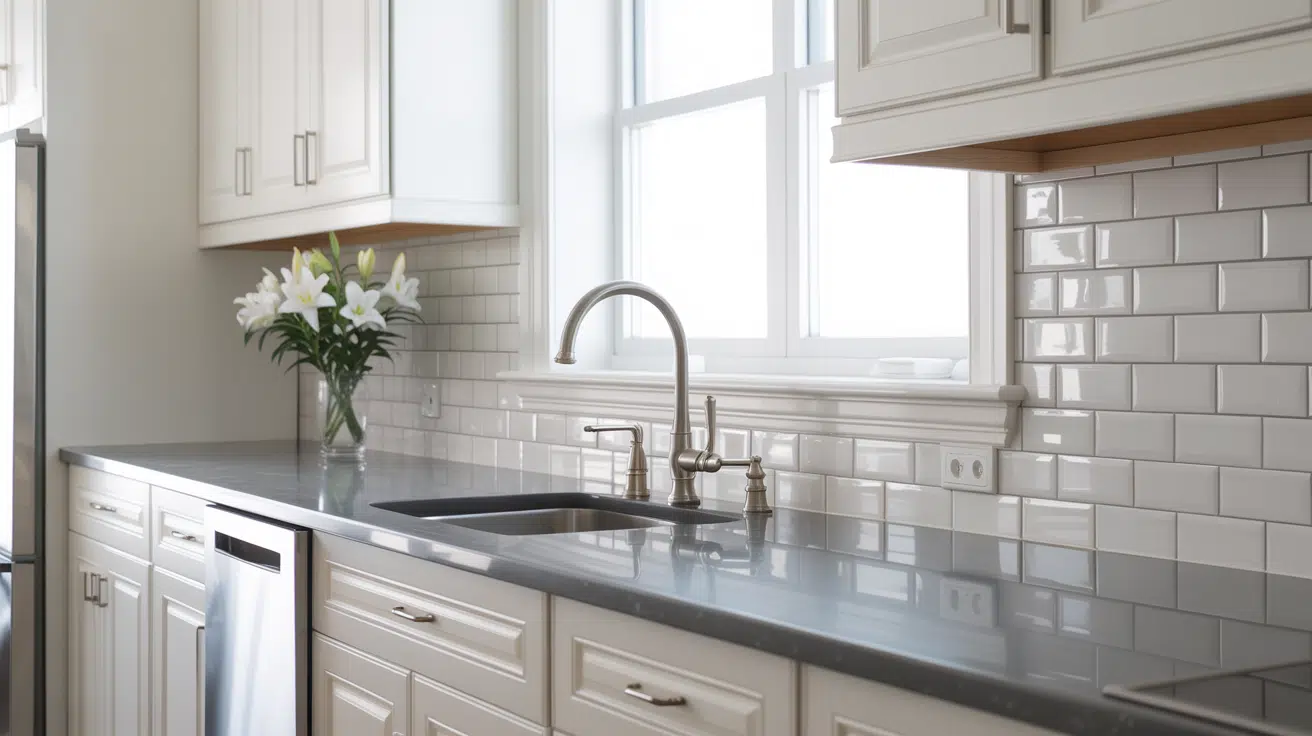
After: Cabinet refacing lets you swap in shaker‑style, flat‑panel, or glass‑front doors for a fresh, streamlined look that feels both modern and classic.
2. Color Changes

Before: Dark, heavy cabinet colors (e.g., brown or honey oak) can make a kitchen feel smaller and more outdated.
After: Refacing with a new color, either bright white, soft gray, or bold navy, can change the room’s vibe. Lighter shades create a sense of space, while bold colors create a striking focal point.
3. Hardware Updates

Before: Worn-out, outdated hardware can make even well-designed cabinets appear old. Chipped, faded, or out-of-style knobs and handles detract from the overall look.
After: Refacing allows for an upgrade to modern hardware, such as sleek handles, pulls, or classic knobs in materials like brushed nickel, matte black, or gold, raising the cabinet’s design.
4. Veneer or Laminate Finish

Before: The cabinet boxes, often hidden behind closed doors, may have outdated or mismatched finishes that clash with new doors.
After: Refacing involves replacing or covering the cabinet boxes with new veneers or laminates in various textures and colors, providing a cohesive, modern look across the entire cabinet.
5. Integration of Modern Features

Before: Older cabinets often lack modern features that improve functionality, such as soft-close hinges, pull-out trays, or built-in dividers.
After: Refacing offers the opportunity to upgrade your cabinets with soft-close mechanisms, pull-out shelves, or specialized inserts, enhancing both functionality and style.
Cabinet Refacing Costs Explained
Cabinet refacing costs can vary a lot based on kitchen size, materials, and who does the work. Understanding these costs helps you plan and budget better.
Average Cost by Kitchen Size
Here’s a simple guide to average costs based on kitchen size:
- Small kitchens (under 100 sq ft): Typically $2,000–$4,000 for basic refacing.
- Medium kitchens (100–200 sq ft): Usually $4,000–$7,000 for mid-range materials.
- Large kitchens (over 200 sq ft): Often $7,000–$10,000 or more for premium finishes.
These ranges cover labor and basic materials. Exact prices depend on your choices and location.
Factors That Affect Pricing
Several key factors can raise or lower your final cost:
- Material choice: Wood veneer costs more than laminate. Exotic woods cost the most.
- Labor rates: Skilled installers charge higher hourly rates than general contractors.
- Geographic location: Urban areas often have higher labor and permit costs.
- Cabinet condition: Extra repairs for damaged frames can add to the bill.
Knowing what drives price helps you make trade‑offs between cost and quality.
DIY vs. Pro Cost Breakdown
Doing the refacing yourself can save you money, but it takes time and skill. If you choose the DIY route, you’ll spend around $1,000–$3,000 on materials.
You’ll be in charge of prepping the surfaces, applying the veneer, and installing the new doors and fronts. Keep in mind there’s a risk of mistakes that could end up costing more if you need a pro to fix them.
Hiring a professional usually costs between $2,500 and $8,000. That price covers all labor, materials, and clean‑up at the end.
Pros bring experience and tools that give you a smooth finish and often include a warranty. If you’re handy and have extra time, DIY can work. Otherwise, a professional ensures the job is done right and fast.
Hidden Costs or Upsells to Watch For
Some extra charges can pop up after you sign a basic estimate. Removal and disposal fees are one thing; you might pay to have old doors and drawer fronts hauled away. Fancy edge banding or decorative trim can boost material costs.
Upgrading to premium knobs and pulls can add $5–$20 per piece. Special sealants for moisture resistance may also come at an extra charge. To avoid surprises, ask for a full written estimate that lists all potential fees.
Cabinet Refacing vs. Painting vs. Replacing
Here’s a quick comparison table to help you see the key differences at a glance:
| Aspect | Refacing | Painting | Replacing |
|---|---|---|---|
| Visual Impact | New doors, fronts, and veneer for a brand‑new look | Fresh color on existing doors and frames | Completely new style, layout, and materials |
| Durability & Maintenance | Veneers resist chips; wipe clean with a damp cloth | Paint may chip or fade; it needs touch‑ups over time | Factory finishes last longest; often includes wear warranties |
| Cost | Moderate: about 30–50% of replacement cost | Lowest: paint and prep only | Highest: new cabinets, installation, and possible layout fees |
| Environmental Impact | Less waste: keeps cabinet boxes; uses fewer new materials | Least new materials; may release paint VOCs | Most waste: old cabinets to landfill; uses new wood/composites |
Use this chart to weigh your priorities, whether it’s budget, durability, style, or eco‑friendliness, so you can choose the best option for your kitchen update.
Choosing Materials and Finishes
Picking the right materials and finishes makes your refaced cabinets look great and stand up to everyday use.
Types of Veneers and Laminates
Here are the main surface options you’ll apply to your cabinet frames and doors:
- Wood Veneer: Thin layers of real wood glued onto your cabinet boxes that give an authentic wood‑grain look.
- Laminate: Printed paper or foil sealed under plastic for a wide range of colors and patterns that resist scratches.
- Thermofoil: A durable vinyl layer bonded with heat to MDF doors for easy cleaning and moisture resistance.
Each choice offers its own balance of style and upkeep needs.
Door and Drawer Front Styles
Your door and drawer fronts set the tone for the whole room. Common styles include:
- Shaker: Simple flat panels with clean edges for modern or farmhouse kitchens.
- Raised Panel: A center panel that stands proud of the frame, adding a classic, traditional feel.
- Slab: Flat, frameless fronts with no grooves, perfect for a sleek, minimalist look.
- Beaded or Inset: Decorative grooves or fully inset frames for a craftsman‑style touch.
Match the style to your home’s overall design for a cohesive look.
Hardware Options
The right knobs and pulls pull your whole design together. Consider these options:
- Knobs: Small round or square pieces you grasp, which are cost‑effective and quick to swap.
- Pulls: Longer bars or handles you grip with your whole hand for a modern or industrial feel.
- Material Choices: Brass, nickel, bronze, or black steel finishes that can tie in with your faucet and light fixtures.
- Styles: From simple bars and cup pulls to ornate handles, choose shapes that complement your door style.
Well‑chosen hardware adds the final polish and personality to your refaced cabinets.
Pros and Cons of Cabinet Refacing
Cabinet refacing has clear advantages but also some drawbacks. Understanding both sides helps you decide if it’s the right choice for your kitchen update.
Benefits
Cabinet refacing creates less mess and dust compared to a full remodel. The work is often finished in just two to four days.
You save money, typically paying 30–50% of the cost of full replacements. Refacing also reuses your existing cabinet boxes, making it an eco‑friendly choice.
Overall, you get a fresh new look without changing your kitchen layout.
Limitations
Refacing isn’t ideal if your cabinet boxes are damaged, warped, or show signs of water damage. You also can’t change the cabinet layout or footprint with refacing.
Veneers can peel if moisture isn’t properly controlled, and you have fewer door style options than with full replacements. If you need a completely new design or your boxes are in poor shape, refacing may not meet your needs.
Is It Worth It?
Cabinet refacing is worth it when you want a major visual upgrade without the cost and mess of full replacements.
If your cabinets are in good shape and you’re happy with the layout, refacing delivers big style gains for less time and money.
Maintenance Tips After Refacing
Cabinet refacing needs just a bit of care to stay looking its best. Follow these key tips to keep your cabinets in top shape for years.
- Cleaning Advice: Wipe cabinets regularly with a soft, damp cloth and mild soap. Avoid harsh chemicals or abrasive pads that can damage the veneer or finish.
- Longevity Tips: Keep kitchen humidity stable to prevent warping or peeling. Use soft‑close hinges or drawer slides to cut down on wear and tear.
- When to Repair or Reface Again: Touch up small nicks or loose veneer as soon as you spot them to stop damage from spreading. Plan for a full refacing redo every 15–20 years or sooner if wear becomes obvious.
With these simple steps, your refaced cabinets will maintain their fresh look and serve you well for many years.
Wrapping Up
We’ve covered everything you need to know about cabinet refacing, from how it compares to painting or replacing, to costs, materials, and choosing the right pro.
You’ve also seen real before-and-after cabinet refacing examples to help you picture what’s possible.
Now it’s your turn to weigh the pros and cons and decide if refacing fits your budget and style. From what I’ve seen, a little prep and proper care can keep your cabinets looking great for years.
One extra tip: always ask for a detailed, written estimate before any work begins to avoid surprises.
Ready for more home improvement ideas? Read other blogs on the website for kitchen makeover tips, DIY projects, and smart design tricks you can start today.