A Simple Guide to Standard Counter Height in Kitchens
If you’ve ever found yourself stretching or crouching to reach your kitchen counter, the height could be the cause.
Standard counter height for a kitchen is typically 36 inches, but it’s not a one-size-fits-all solution.
The right height can make your kitchen more comfortable and easier to use for you, improving your overall kitchen experience.
In this blog, I’ll cover the standard counter height and how to customize it for your needs. You’ll also receive helpful tips for installation and making sure everything fits perfectly within your space.
Let’s begin!
Choosing the Right Kitchen Counter Height
When it comes to kitchen design, one of the most important factors to consider is the height of your counters.
A comfortable counter height can make cooking, cleaning, and other tasks much easier. However, there isn’t a “one-size-fits-all” solution.
The ideal counter height depends on your height, the tasks you perform, and even your family’s needs. Let’s examine the details of selecting the ideal height for your kitchen counters.
What is the Standard Kitchen Counter Height?
In most homes, kitchen counters are 36 inches tall. That’s 3 feet from the floor to the top of the counter. This height comes from:
- Base cabinets that are 34.5 inches
- A countertop that’s about 1.5 inches thick
Put those together and you get 36 inches. It’s a size that fits most adults. You can stand at the counter and do your kitchen tasks without bending too much or reaching too far.
It also aligns well with most standard appliances, such as dishwashers and stoves, which are designed to fit under a 36-inch counter.
When a Different Height Might Be Better
Standard doesn’t mean perfect for everyone. You might need to change your counter height if:
- You’re taller than 6 feet
- You’re shorter than 5’4″
- You use your kitchen while sitting (such as on a stool or wheelchair)
Taller people may prefer counters that are 37–38 inches high. Shorter people may feel more comfortable with 34–35 inches.
If you enjoy baking frequently, you may want a lower surface for kneading dough or rolling out pastry. It all comes down to your body and how you use your space.
Custom Heights: Made to Fit You
Sometimes, the regular sizes just don’t cut it. That’s when custom counter heights help.
They’re great if:
- You have kids who need to reach the counter
- Someone in the house uses a wheelchair
- You want different zones in the kitchen (prep, cook, clean)
- You have chronic pain or mobility issues
You can build counters higher or lower in certain spots. It helps everyone in the home use the kitchen more easily.
Easy Ways to Adjust Kitchen Counter Height
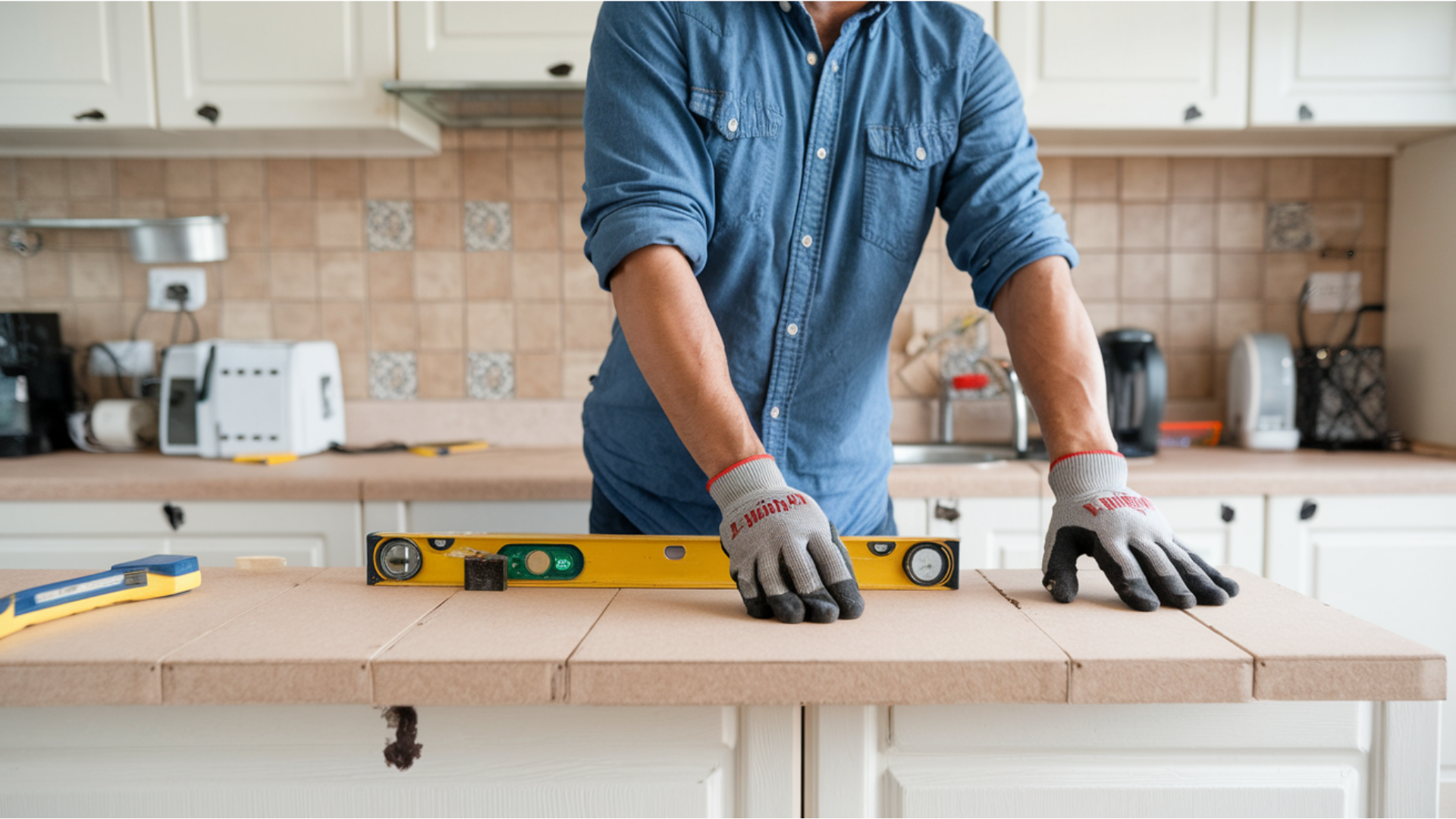
You don’t always have to rip out your whole kitchen. Here are minor fixes that can help:
- Add blocks or shims under your cabinets to raise them
- Use thicker or thinner countertops to adjust the total height
- Cut the base of the cabinet to lower it slightly (only if safe)
- Add a small platform under the cabinets to lift them up
- Use an adjustable-height work table as a second prep area
These ideas are handy if your budget is tight, but you still need a height change.
Installation Tips and Considerations
Getting your kitchen counter height right isn’t just about picking the correct measurements; it’s also about ensuring a stable and functional installation.
If you’re remodeling or building new, here are some essential tips to ensure your counters are installed correctly:
- Double-check balance and stability: After adjusting the counter height, make sure it’s firmly in place. An unstable counter can wobble, making it uncomfortable to use and potentially causing damage over time.
- Use a level: Always check that the counter is perfectly level across all sides. An uneven counter will not only look awkward but can also cause issues with water drainage and misaligned appliances.
- Leave enough space for doors and drawers: When planning the height, ensure there’s sufficient clearance around cabinets, especially for doors and drawers. They need to open fully without obstruction to ensure accessibility and smooth functionality.
- Align plumbing lines: If your counter height affects your sink or dishwasher, ensure that the plumbing lines are correctly aligned. Misaligned plumbing can lead to leaks and costly repairs down the road.
By taking these installation considerations into account, you’ll ensure that your kitchen counters are not only the right height but also installed adequately for ease of use and long-term durability.
Think About What Sink You’ll Use for Kitchen Counter Height

The type of sink you choose affects the height of your counter. Here’s how:
- Vessel sinks: These sit entirely above the counter, adding several inches of height. They work best with lower counters to avoid making them too tall and uncomfortable to use.
- Drop-in or undermount sinks: These sinks are installed within or beneath the countertop surface, maintaining a consistent counter height. They work well with standard or comfort-height counters without adding extra height.
Always measure the total height of the counter and sink combined to ensure the setup is comfortable for your needs.
Match the Height to Your Body
Here’s a quick test to find your ideal height:
- Stand straight at a counter.
- Bend your arms at a 90-degree angle.
- Your hands should rest flat and easily on the surface.
If you have to hunch or raise your shoulders, the height is off. The proper setup should feel natural and easy.
You can try this with cardboard boxes or stacked books at home before deciding on final measurements.
How Materials Affect Final Height
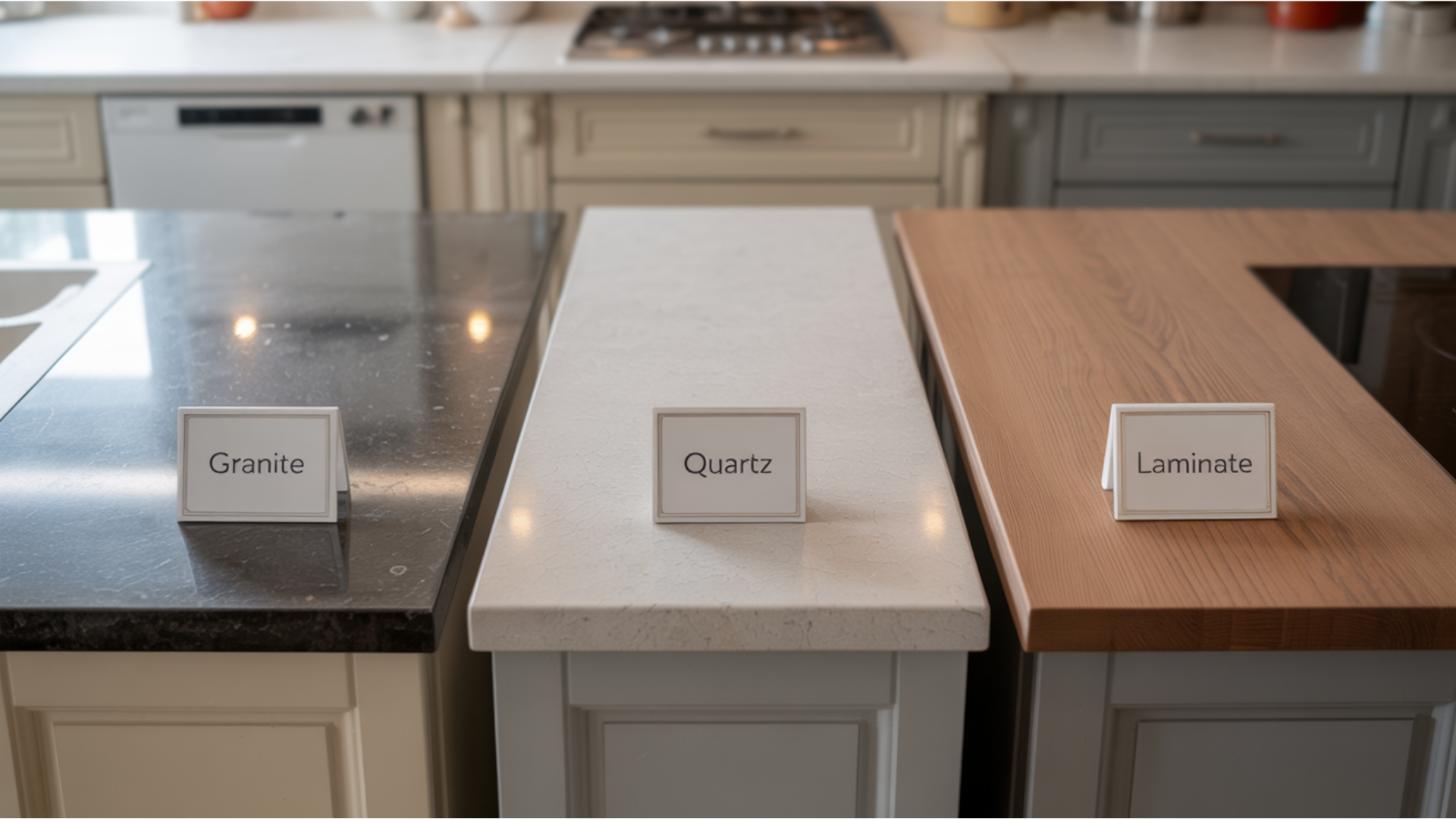
Different materials can influence how your kitchen counter is built and how it feels:
- Stone surfaces (like granite or quartz): These materials are thick and heavy, which can slightly increase the overall height of the counter. Their solid structure adds durability, but may make adjustments more challenging.
- Laminate or wood: These materials are lighter and more flexible, offering easier customization options. They can be trimmed or adjusted to fit your desired height, making them great for DIY projects.
- Pre-made counters: These often come with fixed dimensions and limited customization. While they are convenient and easy to install, they offer less flexibility for height adjustments compared to custom-built designs.
Knowing the material helps set realistic expectations and guides the amount of height adjustment that can be made.
Quick Chart to Help You Choose Countertop Height
| Your Height | Good Counter Height |
|---|---|
| Under 5’4″ | 34–35 inches |
| 5’4″ to 5’10” | 36 inches |
| Over 6’0″ | 37–38 inches |
Use this chart as a starting point. Try different counters in a store if you can, or stack boxes at home to test.
Planning for Accessibility (ADA Tips)
When designing a kitchen that’s accessible for everyone, now and in the future, it’s important to follow ADA guidelines.
The recommended counter height for accessibility is 34 inches or less to ensure ease of use for individuals using wheelchairs.
Additionally, you should have at least 27 inches of open space underneath the counter to provide adequate knee clearance. These features make it easier for people with mobility challenges to navigate and use the kitchen comfortably.
Even if you don’t need accessibility features right now, planning can help you create a space that works for everyone in the long run.
It’s also a great way to future-proof your kitchen and potentially increase your home’s value.
Mistakes People Make and How to Avoid Them
Many people make simple errors when choosing counter heights. Avoid these:
- Ignoring sink height: Don’t forget to include the sink’s height in your overall counter measurement. The combined height might make the setup too high or uncomfortable.
- Choosing looks over comfort: Style matters, but comfort should come first. A counter may look great, but it needs to feel right when you use it every day.
- Forgetting others in your home: Think about everyone who will use the kitchen. A height that works for one person might be too high or too low for someone else. Consider different needs when selecting the counter height.
- Not thinking ahead: Don’t just think about today. As you or others in your household age, your needs might change. Pick a height that will be comfortable now and in the future.
- Skipping the measuring step: Never guess the height that works best. Always measure and test it out. It’s better to know what feels good than to think and regret later.
Final Thoughts
The best way to choose your standard kitchen counter height depends on your personal needs. While the standard counter height of 36 inches works for most, it may not be ideal for everyone.
Consider the future, as what feels right today might not work as well in the long run. It’s essential to measure, test, and plan to make sure your kitchen is the perfect fit for your daily tasks.
Adjusting the height for your body or adding a custom solution will make your kitchen more comfortable and easier to use. Your kitchen should make life easier, not harder.
Continue reading my other blogs for more tips and ideas to help you design your perfect space!