How to Arrange Living Room Furniture: Layout and Tips
Making your living room feel just right isn’t about being fancy; it’s about choosing what works for your space and how you live. If you’re moving in or thinking of changing things up, you’re in the right place.
In this guide, I’ll help you figure out where to start, how to approach your living room furniture layout, and which simple tricks can make a big difference.
I’ll talk about layouts for different room sizes, how to plan around a TV or fireplace, and ways to make your space feel open and easy to move around in.
I’ve kept it simple, clear, and full of helpful ideas you can actually use. Let’s start.
Key Principles for Living Room Furniture Layout
1. Finding Your Room’s Focal Point
Every great room has a star, something that catches the eye and anchors the space. This could be a TV wall, a grand window, or a beautiful fireplace.
Pro tip: No obvious focal point? Create one with a striking mirror or eye-catching artwork that draws attention.
2. Keeping Movement Smooth
Think of your room like a dance floor. You want clear paths where people can move without bumping into furniture.
The golden rule? Leave 30-36 inches of walking space. Imagine guests gliding through your room without a single awkward shuffle.
3. Playing with Size and Proportion
When it comes to arranging your living room, size plays a bigger role than you might think. The key is finding balance, and a great way to achieve that is by following some simple yet effective rules.
Here’s a trick that designers use:
- Sofa to Wall Ratio: Your sofa should be about two-thirds the length of the wall it’s placed against. This proportion ensures the room doesn’t feel cramped and the sofa doesn’t overpower the space.
- Coffee Table to Sofa Ratio: Next, your coffee table should be about two-thirds the length of your sofa. This creates a visually pleasing and balanced relationship between the seating and the table.
- Room Balance: If your room is large, don’t go overboard with oversized furniture. Scale the pieces to fit your space so the room doesn’t feel too heavy or empty. In small rooms, choose furniture that’s compact but still comfortable.
By following these simple ratios, you can create a room that feels balanced and harmonious, without needing to be an expert in design.
4. Symmetry and Creativity
Symmetry feels formal and structured. Asymmetry brings energy and surprise. Mix both by grouping items in threes (plant, chair, and table). Suddenly, your room feels intentional and alive.
Living Room Layouts for Different Rooms
Every room is different, so your layout should match how you use the space. Here are simple ideas to make each type of living room work better.
1. Conversation-Friendly Room
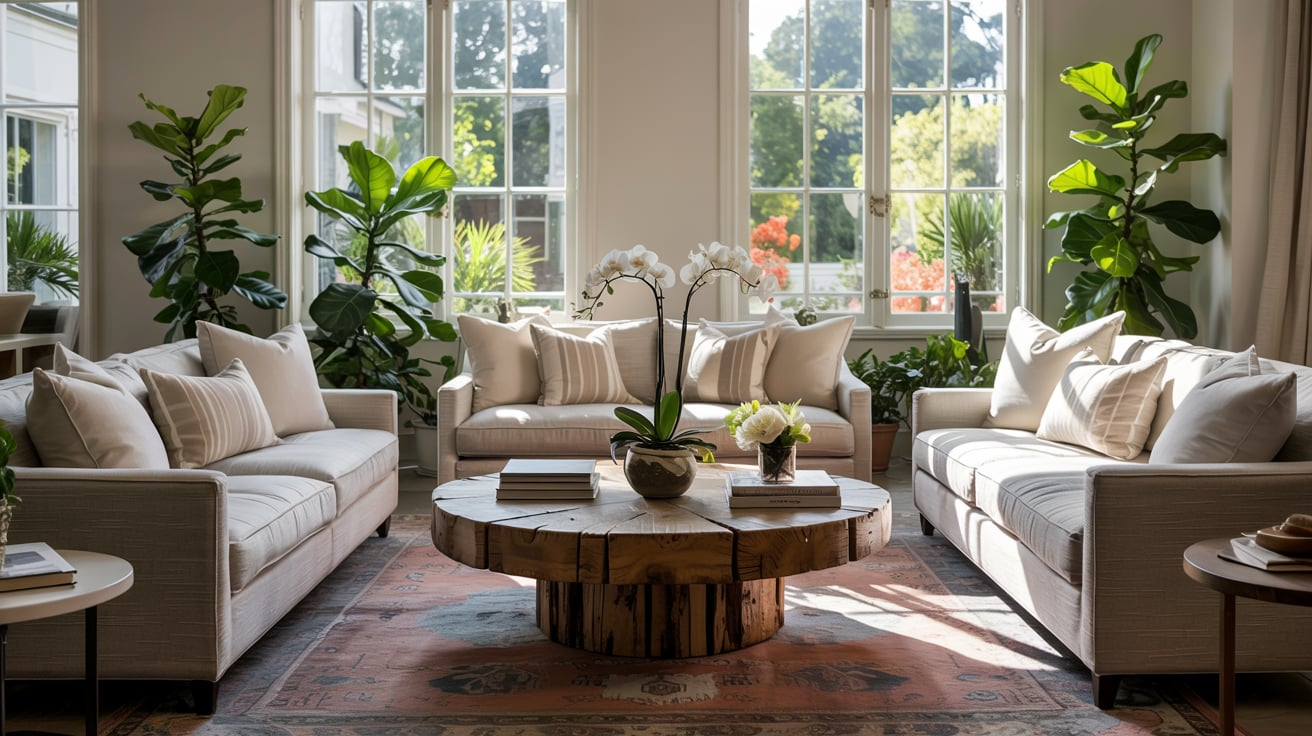
Creating a space that sparks connection starts with strategic seating. Position sofas and chairs to face each other, forming a welcoming circle that encourages interaction.
A round coffee table softens the space, helping people feel closer and more comfortable while chatting.
2. Entertainment Zones
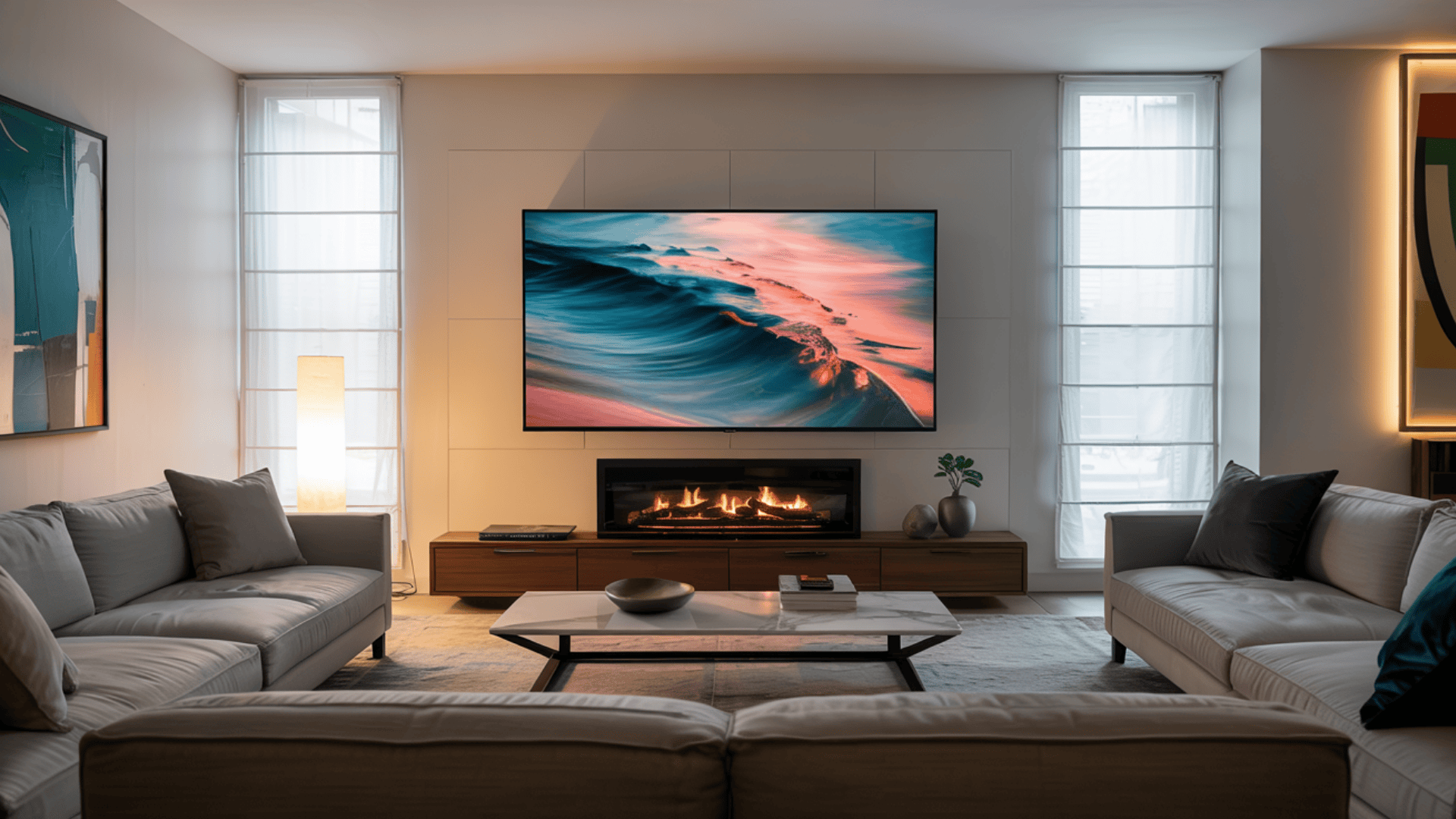
Designing the perfect TV area requires careful planning. Position your TV at eye level when seated, typically 42 inches high.
Calculate the seating distance by sitting about 1.5 times the screen’s width away. When mounting above a fireplace, use adjustable tilting mounts to find the perfect viewing angle.
3. Multi-Purpose Rooms

Modern living needs flexible spaces that work smarter. Create distinct areas within one room using area rugs and movable furniture.
Choose pieces that serve multiple functions, like benches with hidden storage or foldable tables. The key is adaptability and clever space management.
4. Small Rooms Feel Bigger

Change compact spaces with strategic design. Float furniture away from walls to create a sense of openness. Select pieces with exposed legs and use mirrors to reflect light.
Light color palettes and transparent furniture help make rooms feel more spacious and airy.
5. Long and Narrow Rooms
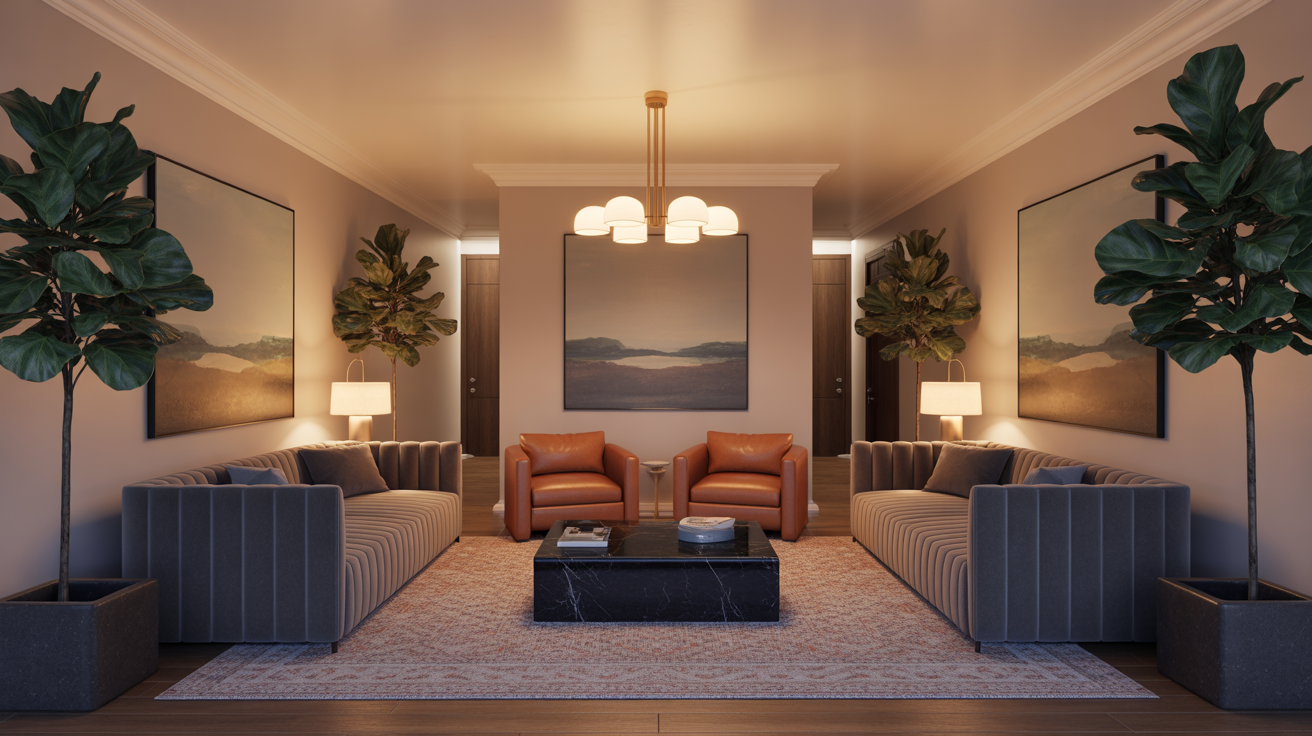
Break up linear spaces by dividing the room into two distinct zones. Use area rugs to define separate areas.
Position furniture at angles to disrupt the room’s elongated shape. Hang artwork that draws eyes across the length, creating visual interest and depth.
Tricks on How to Arrange Living Room Furniture
Lighting Makes Magic
Lighting can truly transform the atmosphere of a room. By layering different light sources, you add both depth and warmth. Here’s how to do it right:
- Ambient Lighting: Provides overall light and sets the room’s tone.
- Task Lighting: Brightens areas for specific activities, like reading or working.
- Accent Lighting: Highlights key features like artwork or architectural elements.
Use table lamps, floor lamps, and ceiling fixtures to create a triangular lighting arrangement. Choose warm-toned bulbs to create a cozy, inviting atmosphere that encourages relaxation.
Visual Space Expanders
If your room feels cramped or you just want to make it feel more open, these visual tricks will help:
- Mirrors: Place mirrors opposite windows to reflect natural light and make the room feel brighter and bigger.
- Vertical Stripes: Hang vertical stripes on your walls to make the ceilings feel higher.
- Low-Profile Furniture: Choose furniture with a low profile and light colors to give the room a more open and airy feel.
By following these tricks, you’ll create a space that not only feels larger but is also more welcoming and personalized.
Remember, designing your living room is about creating a space that suits your needs, experimenting, and making the space your own!
Mistakes to Avoid While Arranging Living Room Furniture
- Pushing all furniture to the walls can make the space feel cold and disconnected.
- Using oversized furniture in small rooms overwhelms the layout.
- Blocking natural pathways makes the room hard to move through.
- Ignoring the room’s focal point leads to a layout that feels off.
- Choosing a rug that’s too small can shrink the space visually.
- Placing the TV too high or too far strains comfort and visibility.
- Skipping lighting layers can make the room feel flat or dim.
- Overdecorating leads to a cluttered, stressful feel.
Conclusion
Designing a living room that feels right isn’t just about style; it’s about how it supports your daily life.
You’ve now got ideas to help with layout choices, space planning, and small tricks that make a big difference.
Each part focused on giving you real, usable steps that answer common questions around living room furniture layout and make things easier to plan.
It doesn’t have to be perfect right away. You can move things around and try what feels best. It’s your home, and it should work for you.
If you found this helpful, I think you’ll enjoy reading more on how to style small spaces. Check out my blogs for more.