Common Home Electrical Issues You Need to Know
A home’s electrical system is its nervous system, silently powering everything from lights to appliances, heating and cooling. When it functions properly, it is often babied into neglect; however, problems can cause anything from slight inconveniences to major safety hazards.
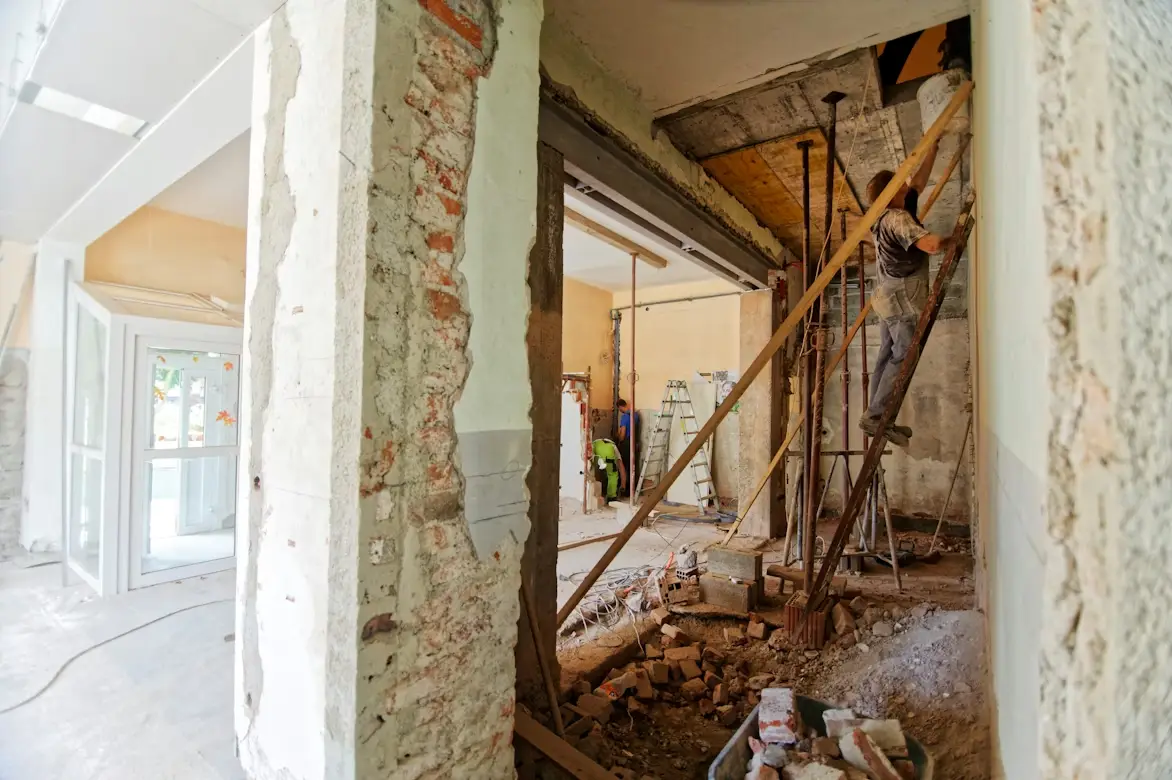
Knowing common issues is important for any homeowner, for the sooner they are identified and set right, the sooner costly damage can be evaded, the safety of occupants ensured, and the property maintained. This becomes all the more pertinent where major home renovations are concerned, such as adding legal second suites, where considerations of electrical load and wiring become more challenging and crucial to safety and compliance.
Importance of a Healthy Electrical System
An electrical system that has been well-maintained and functions well is one of the basic necessities of life, especially in establishing safety and efficiency in any home. Poor wiring, circuits overloaded with current, boosters that are not working as they should, all can cause outages, burn out sensitive appliances, and constitute a serious hazard of electrical fire or shock.
For a city such as Toronto with many older homes still having the hesitation original electrical set, it becomes more important to have awareness of these possible problems. Whatever the scale of your Toronto home renovation, from a small tweak to a major rebuild, keeping ahead of electrical issues is one among the sure ways to guarantee safety and value in the long run for the property.
Common Electrical Issues and How to Spot Them
Recognizing the warning signs of electrical problems can save time, money, and sometimes can warn against life-threatening situations. Here are some of the common problems that homeowners face:
Light Flickering or Dimming:
Cause: Flickering lights can be caused by loose bulbs, fault in the light switch, overloaded circuits, or more dangerous issues like loose wire connections either in the circuit or the main electrical panel.
Concern: While the occasional flicker can be considered harmless, the ongoing flickering should be taken as a bad sign: an electrical system is not able to fully carry its load, and eventual overheating can follow.
Frequent Tripping of Breakers:
Cause: Breakers will trip whenever there is an overload on the circuit with either too many devices drawing power or a short circuit. If the breaker trips frequently, then there is a constant overload or a fault in that circuit.
Concern: Long-term overloading would lead to overheating of all wires involved, melting of insulation, and many other communities fires.
Outlet Not Working or Outlets Sparking:
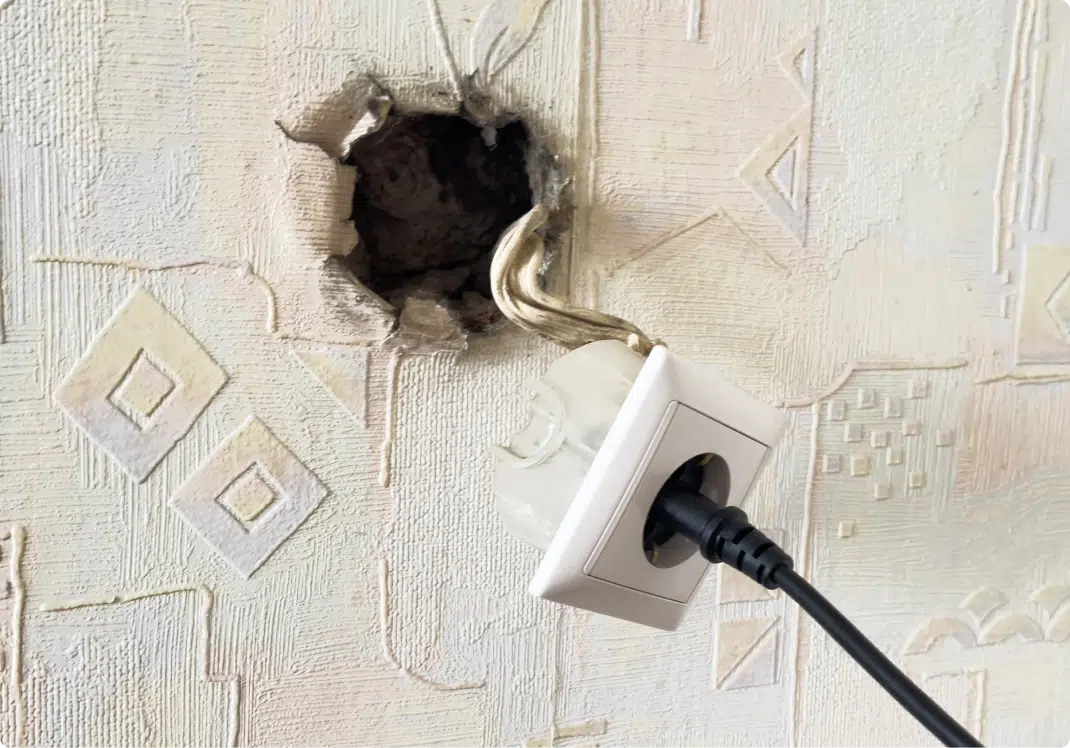
Cause: If an outlet is not working, it could be because the GFCI outlet has been tripped, wiring is loose, or the outlet is faulty itself. Sparks and scorch marks on the outlet or a burning smell should never be ignored.
Concern: Expect shooting sparks down to burns and a smell of burning-glue from the outlet of any serious wiring trouble that will only very soon lead toward an electric fire.
Buzzing or Humming:
Cause: Buzzing or humming sounds from an outlet, switch, or electrical control panel usually mean loose wiring, overloaded circuits, or problems in the device itself.
Concern: This is an early warning of overheating or arcing, which may be dangerous to fire.
Burning Smell:
Cause: A burning smell, especially one that smells like melting plastic or rubber, is a sure sign of overheating electrical components, wiring, or insulation.
Concern: That is an emergency. Turn off power to the affected area via the main breaker and call a qualified electrician immediately.
Warm Outlets or Switch Plates:
Cause: Warm or hot outlets or switch plates indicate excessive current flowing through the wiring or faulty connections.
Concern: The damage and overheating brought upon by fires are not really much of a threat.
Outdated Wiring (Knob-and-Tube, Aluminum Wiring):
Cause: Still, many older homes are wired with outdated systems that do not accommodate the electrical demands of modern appliances and electronics. Knob-and-tube wiring (on homes constructed before the 1950s) does not have a ground wire; aluminum wiring (used in some homes from the mid-60s to mid-70s) heats up by expanding and contracting, thus creating loose connections and subsequent overheating.
Concern: These systems are also fire hazards, and your insurance company will usually not insure your home without upgrades.
When to Call a Professional Electrician
Some minor inconveniences such as changing a light bulb can be performed by any DIY enthusiast, but the majority of electrical issues should be dealt with only by licensed electricians. Do not attempt complex wiring work unless you are qualified to do so; otherwise, you are exposing yourself to grave danger. Call for a professional any time you notice:
Persistent flickering or dimming lights.
Breakers that trip frequently.
Sparks, smoke, or burning smells coming from any electrical component.
Hot outlets, switches, or cords.
Obvious signs of old or damaged wiring.
Conclusion
Knowing common home electrical issues is a crucial part of responsible homeownership. To shield your property from damages and, more importantly, protect the lives of everyone in your home, it could be helpful if one learns to recognize warnings and knows who and when to contact for technical support. Having regular checks by an expert electrician either in older houses or shortly after major renovations will guarantee that all your electrical systems are safe, workable, and able to provide for your household needs for many years.