LVP vs. Laminate Flooring: All You Need to Know
Choosing between LVP and laminate can be a tough decision when you’re looking for the best flooring option for your home.
I know it can feel overwhelming, but each option has its own set of advantages depending on your needs, budget, and lifestyle.
In this guide, you’ll learn the key differences between these two popular flooring choices, covering water resistance, durability, and comfort.
No matter if you’re working on a high-traffic area or a budget-friendly project, I’ll break down everything you need to know to make the right decision.
Keep reading to find out which one fits your home best. I’m sure you’ll find the perfect match.
LVP vs. Laminate: What You Need to Know
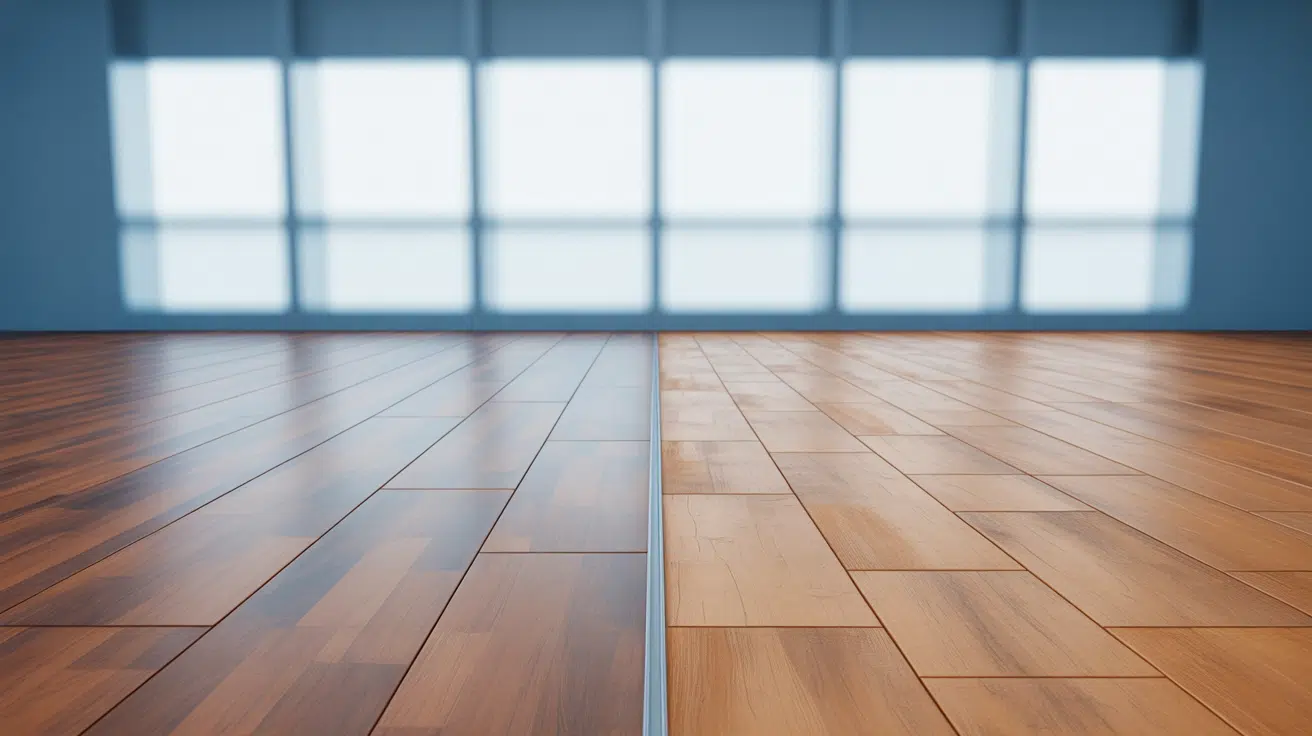
LVP is vinyl-based and mimics wood beautifully. It’s known for being easy to clean and versatile across many spaces, including kitchens and bathrooms.
It’s soft underfoot, quiet, and easy to clean, making it ideal for homes with children or pets.
Laminate is made from compressed wood with a printed wood-like layer. It’s not waterproof but works well in dry areas like living rooms and bedrooms. It’s tough, budget-friendly, and easy to maintain.
If you need something water-resistant and durable, LVP is the better choice. If you’re looking for a budget-friendly and low-maintenance option for dry areas, laminate is a great choice.
LVP vs. Laminate: Key Differences
LVP and laminate may look similar at first glance, but they have some big differences that can impact your choice.
Here’s a quick comparison to help you see how they stack up in key areas like water resistance, strength, comfort, and more:
| Feature | LVP (Luxury Vinyl Plank) | Laminate Flooring |
|---|---|---|
| Waterproof vs. Water-Resistant | Fully waterproof; great for bathrooms, kitchens, and basements | Water-resistant; can swell or get damaged with standing water |
| Durability Against Scratches, Dents, and Wear | Very tough; resists dents and scratches well | Durable but may scratch or chip under heavy use |
| Comfort and Feel Underfoot | Softer and warmer, with a more cushioned feel | Harder and cooler to the touch |
| Appearance and Realism | Looks like wood, slightly less realistic up close | Often more realistic wood look, especially with textured finish |
| Sound and Noise Level | Quieter; absorbs more sound | Can be noisier and echo with footsteps |
LVP vs. Laminate Flooring: Feature Comparison

1. Water Resistance
LVP handles water well. It’s a smart pick for places like bathrooms, kitchens, and basements where spills and moisture happen often.
You don’t have to stress about puddles or wet shoes. It stays flat and doesn’t get ruined when wet.
Laminate doesn’t like water. It can start to swell or bend if it gets too wet. That’s why it’s better to keep laminate in rooms that stay dry most of the time, like bedrooms or offices. If water sits on it for too long, it can lead to damage.
2. Scratch Resistance and Durability
LVP is made to last. It withstands scratches and dents. That makes it ideal for busy homes, especially those with pets or children running around.
It remains looking nice even after extensive use. Laminate is still strong, but it can scratch more easily than LVP.
Over time, you may notice signs of wear, especially in areas where people walk frequently or where furniture is moved often.
3. UV Protection and Color Fading
LVP holds its color better under sunlight. Even in rooms with big windows, it won’t fade fast. That means it stays looking fresh for years to come.
Laminate doesn’t do as well in bright light. After a while, you may notice spots that appear lighter or duller. Sunlight can gradually alter the color’s appearance, especially if it falls on the same area every day.
4. Comfort Underfoot
LVP feels softer and warmer when you walk on it. It has a slight give, which makes it comfortable, even when you’re barefoot. It’s ideal for homes where people enjoy sitting or walking around on the floor.
Laminate feels harder. It can also feel colder in cooler months. You can add a soft layer underneath to help, but it still won’t feel as cozy as LVP.
5. Cleaning and Care
Both LVP and laminate are easy to maintain, but LVP has the advantage when it comes to water. It can be mopped without worry, making it great for busy households.
Laminate also cleans easily, but requires more caution; excess water can cause swelling or damage if not cleaned promptly
6. Noise and Sound Control
LVP helps quiet things down. It makes less noise when you walk, which is good for busy homes or upstairs rooms. It doesn’t echo much, and it helps keep rooms peaceful.
Laminate can be a bit louder. It can sound hollow or clicky when walked on, especially when there is nothing underneath. A soft base can help reduce the noise, but it’s still not as quiet as LVP.
LVP vs. Laminate: Cost Breakdown
Choosing the right flooring isn’t just about its appearance. It’s also about how much you’re spending and what kind of value you’re getting back.
Comparing LVP and laminate by cost helps you determine which one best suits your space, needs, and budget.
|
Category |
LVP (Luxury Vinyl Plank) |
Laminate Flooring |
|
Material Cost per Sq. Ft. |
$2 – $7 |
$1 – $4 |
|
Cost Factors |
Brand, design, thickness, durability, wood/stone look |
Brand, design, and thickness |
|
Installation Cost |
$1 – $3 per sq. ft. (professional installation) |
$1 – $2 per sq. ft. (easier DIY option) |
|
Lifespan |
20+ years with proper care |
10–20 years, depending on use |
|
Long-Term Value |
Higher upfront cost, but fewer repairs/replacements |
Lower cost, but may need replacing sooner |
Environment and Health Impact

When choosing between LVP and laminate, it’s essential to think about their impact on your health and the environment.
LVP can release chemicals into the air, especially if it’s made from lower-quality materials. To make a safer choice, look for eco-friendly options.
Laminate has come a long way and now follows stricter safety standards. It utilizes more natural materials, such as wood fibers, which are easier to break down and decompose.
On the other hand, LVP is primarily made from plastic, which is more challenging to recycle.
For a healthier home and a better choice for the planet, go for flooring options that are eco-friendly and made with natural or recyclable materials.
Best Use Cases for LVP or Laminate Flooring
These are some of the factors which will help you choose whether its LVP or Lamination, as follows:
1. Busy Households (Kids, Pets & Foot Traffic)
For households with kids, pets, or frequent visitors, LVP is a smart pick. It’s tough against scratches, spills, and heavy foot traffic. It holds up well in busy living areas and resists damage from claws, toys, or shoes.
Laminate performs well, too, but may show wear faster in high-activity zones or when exposed to frequent movement and friction.
2. Moisture-Prone Rooms (Bathrooms, Basements)
For areas with moisture, like bathrooms or basements, LVP is more reliable than laminate. It’s designed to perform well where water is a concern.
Laminate, while tough, isn’t designed for wet environments; excess water can cause it to buckle or deteriorate, limiting its use to drier parts of the home.
3. Budget Projects
If you’re renovating on a tight budget, laminate flooring is often the more affordable option. It offers a realistic wood appearance and is easy to install, making it ideal for large spaces or cost-conscious projects.
LVP typically costs a bit more, especially for waterproof or premium styles, so laminate is a smart choice when price is the primary concern.
4. Eco-Friendly Homes
Laminate flooring is typically made with a higher percentage of wood-based and recycled materials, making it a greener choice for those concerned about sustainability.
It’s easier to recycle and has lower plastic content than LVP. While some eco-friendly LVP options exist, most are made from synthetic materials so that laminate may be a better fit for environmentally conscious homeowners.
Maintenance and Longevity Tips
To keep your LVP or laminate flooring looking great and lasting longer, proper maintenance is key. By following these simple tips, you can help preserve the beauty and durability of your floors for years to come.
- Sweep or vacuum regularly: This removes dirt and grit that can scratch the surface over time.
- Use a damp mop for LVP: LVP is waterproof, so occasional wet cleaning is safe.
- Avoid excess water on laminate: Wipe spills immediately to prevent swelling or warping.
- Place felt pads under furniture legs: These help prevent dents and scratches from furniture.
- Use area rugs or mats in high-traffic areas: This reduces wear and tear in busy zones.
- Trim pet nails regularly: This minimizes surface scratches caused by pets.
By taking these simple maintenance steps, you can ensure your LVP or laminate flooring remains in great condition, extending its lifespan.
Conclusion
When deciding between LVP vs. laminate, it really comes down to your specific needs.
I’ve found that LVP is a great choice if you’re after something waterproof, durable, and comfortable underfoot. On the other hand, laminate is perfect for those seeking an affordable, easy-to-install option.
By considering the room’s function, foot traffic, and moisture exposure, you can confidently choose the right flooring for your space.
For more tips on flooring and home improvement, check out other blogs to keep your project on track. I’m sure you’ll find more helpful ideas along the way.