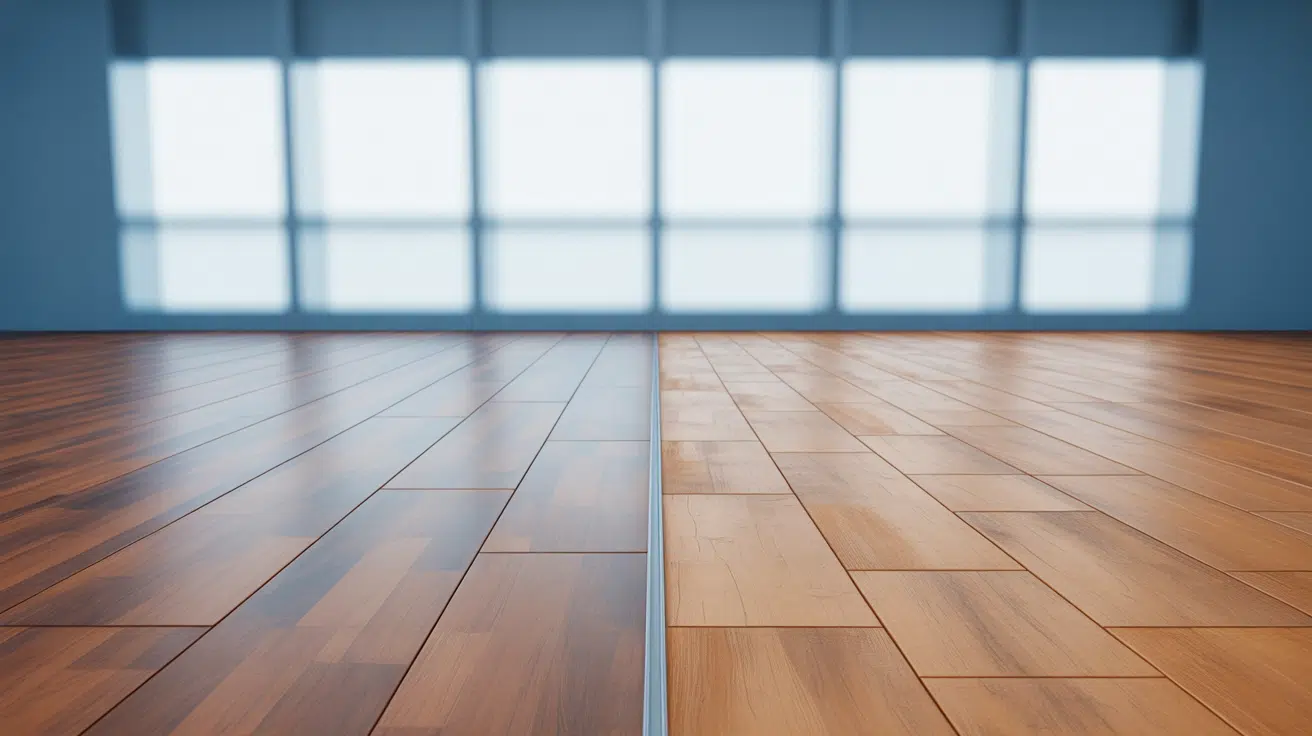
How to Tell the Difference Between Vinyl and Laminate Flooring
Looking down at your floors and wondering if they’re vinyl or laminate is more common than you’d think. These two types look so similar, it’s easy to mix them up; even people who’ve lived with them for years can’t always tell.
But knowing the difference matters. It can impact how you clean, the products you choose, and the lifespan of your floor. In this blog, I’ll show you exactly how to tell the difference between vinyl and laminate flooring using simple, no-tool tests.
You’ll also learn how each one feels, where it works best, and why it matters for your home. Let’s clear it up once and for all because guessing shouldn’t be part of your home care routine.
Why It’s Easy to Mix Up Vinyl and Laminate Floors
Both vinyl and laminate are designed to mimic real materials, such as hardwood or stone, so at a glance, they can fool just about anyone. They even use similar printed layers to create that realistic look.
They’re priced in the same range and often sold side by side in flooring stores, which only adds to the confusion. Many homeowners also use the terms interchangeably, so even your contractor or friend might give you mixed signals.
But once you learn how to tell the difference between vinyl and laminate flooring, the signs become surprisingly easy to spot. Let’s break down the key ways to tell them apart.
How to Tell the Difference Between Vinyl and Laminate Flooring
Take a few minutes and use your eyes, hands, and ears- no tools are needed. These quick tests will help you find how to distinguish between vinyl and laminate flooring without guessing.
1. Tap It: Listen to the Sound

One thing to do first is give the floor a light knock with your knuckles. Laminate usually produces a hollow, echo-like sound, similar to tapping on a cabinet. You’ll notice it has more bounce to it.
Vinyl, on the other hand, sounds softer and more muted. Sometimes it even has a slightly rubbery tone. Give it a quick knock, you’ll hear the difference once you know what to listen for.
2. Feel the Texture

Try walking barefoot across the floor. I’ve found laminate tends to feel firmer and has a bit of raised texture, especially when it mimics wood grain.
Vinyl feels smoother, sometimes a little softer, and has a cooler touch underfoot.
You’ll probably notice the difference more clearly through your feet than your eyes. That’s usually people’s go-to method when I’m unsure.
3. Peek at the Edges (or Vent Gaps)

If you can safely lift a floor vent or loosen a bit of trim, take a look at the exposed edge. Laminate almost always features a fiberboard or MDF core, which resembles compressed wood. I’ve checked before and seen the brown, wood-based layer right away.
Vinyl will show a more plastic-looking core, often grey or white, and it feels solid and uniform. If you’re not sure, this edge check usually clears things up fast.
4. Splash Test (Optional)
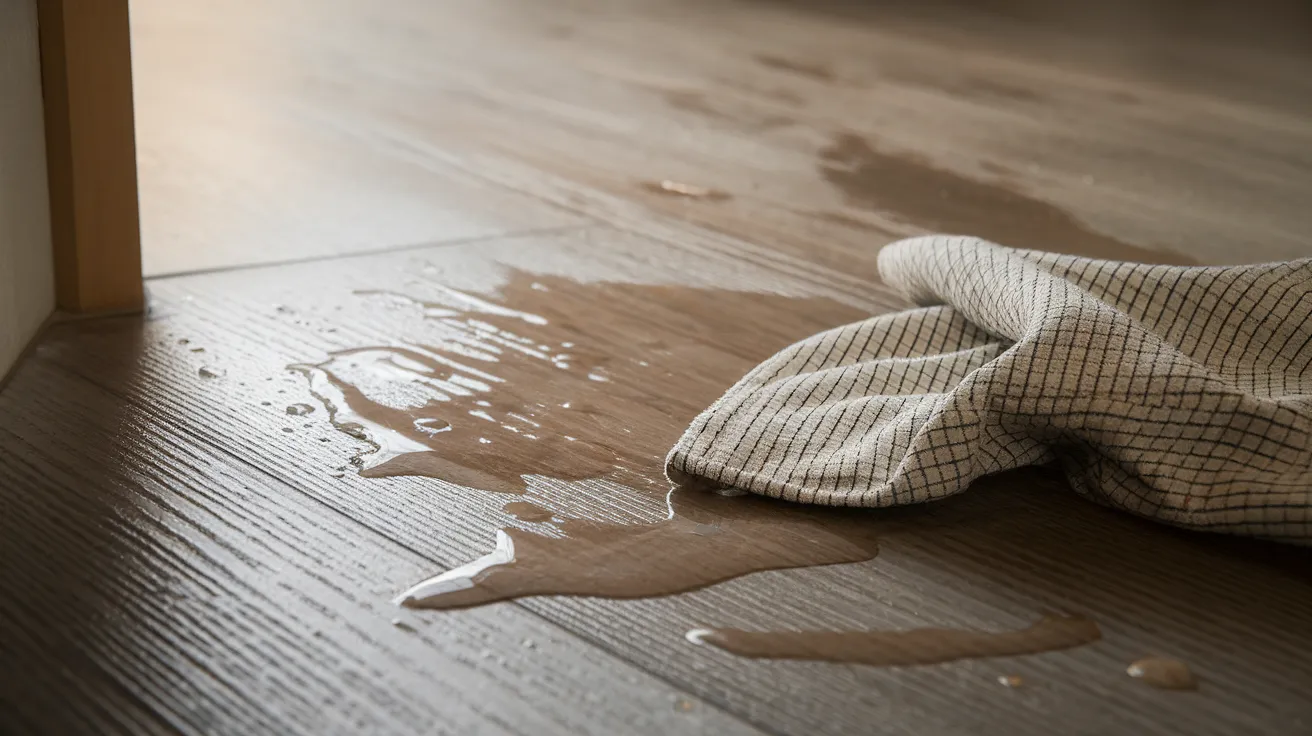
This one’s optional, but it works well in a hidden corner. Just place a damp cloth or sponge on the floor for a few minutes. If it’s vinyl, nothing will change; it’s waterproof and holds up fine.
Laminate might bubble or swell if water seeps into the seams. I’ve used this as a last resort, but only on a spot that’s out of sight. If you’re feeling unsure, this can help confirm things.
Key Differences Between Vinyl and Laminate Flooring
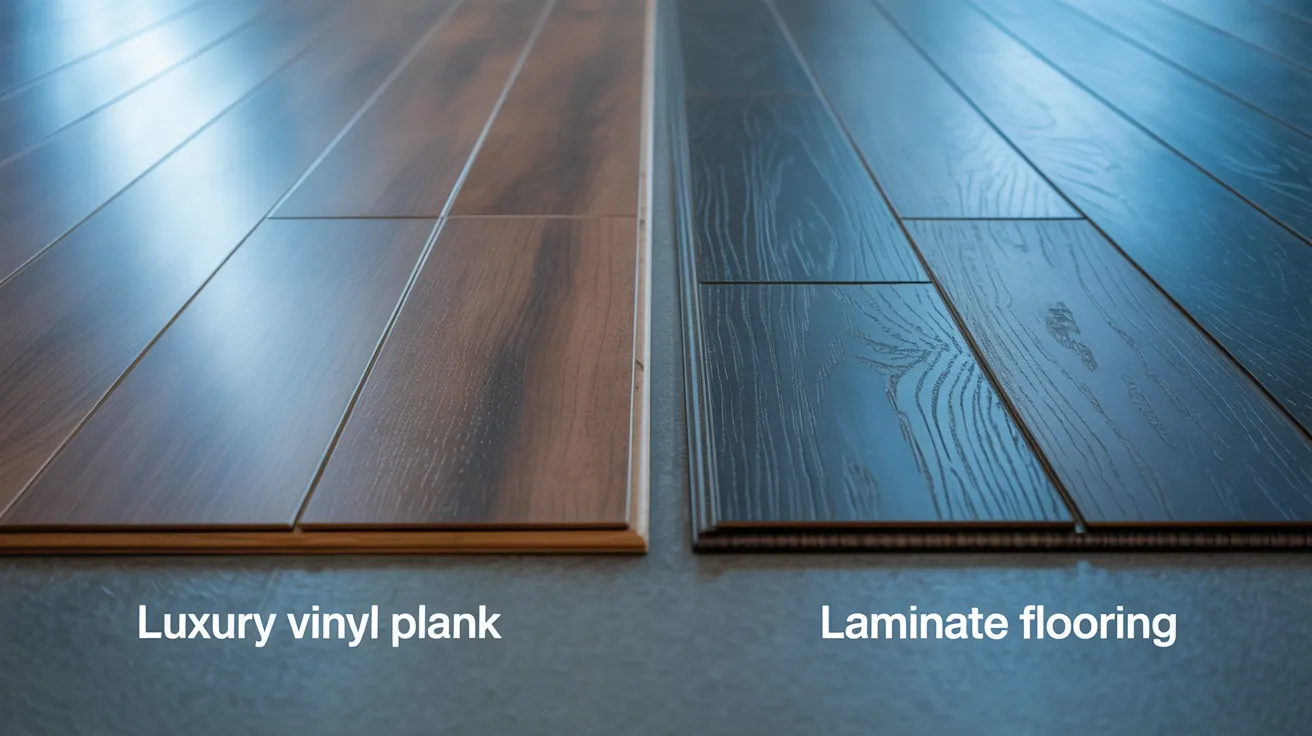
Vinyl and laminate floors may look alike, but they feel, last, and handle water differently. Knowing these differences helps you pick the right floor for your space and needs.
| Feature | Vinyl Flooring | Laminate Flooring |
|---|---|---|
| Appearance | Looks like wood or stone; more pattern variety, fewer repeats | Looks like wood or tile; patterns may repeat more often |
| Feel and Texture | Softer, cooler to the touch, more flexible underfoot | Feels warmer and harder; firmer step |
| Water Resistance | Fully waterproof; good for kitchens and bathrooms | Water-resistant (not waterproof); not ideal for wet areas |
| Durability and Longevity | Resists water, dents, and scratches well; pet-friendly | Can scratch or swell with water; better for dry spaces |
| Installation Methods | Click-lock, glue-down, or peel-and-stick | Usually click-lock system |
| Cost Comparison | Budget to high-end options; waterproof layers add cost | Often cheaper for basic styles; better-looking ones cost more |
| Maintenance Needs | Mop with warm water or a gentle cleaner; no wax or harsh chemicals | Use a dry mop or a laminate-safe cleaner; avoid too much water |
Still Can’t Tell Vinyl and Laminate Flooring Apart
If none of the signs are giving you a clear answer, try these:
Call a flooring store with a close-up photo: Many flooring store staff can tell the type right away just by the grain or edge.
Ask the previous homeowner or landlord: If you can reach the homeowner, then they may still have the receipt or remember what was installed.
Bring a corner sample to a local hardware store: Most flooring specialists can help you spot the difference in seconds.
Check under a floor vent or threshold strip: The exposed side profile can show if it’s fiberboard (laminate) or layered PVC (vinyl).
Look up your home’s renovation records: Some real estate listings even include flooring details.
Why is It Important to Know the Difference
Knowing if you have vinyl or laminate flooring helps you take care of it the right way. Each type needs different cleaners and reacts differently to water.
If you guess wrong, you might damage the floor without meaning to. This also matters when you need to replace planks or fix a section; mixing them up can lead to gaps or lifting.
It even affects your home’s value or renovation plans. Some floors are waterproof, others are not. Buying the wrong supplies or ignoring care tips could void the warranty or cost you more in the long run.
Common Mistakes to Avoid
Even after you learn the basics, it’s easy to slip up when dealing with vinyl and laminate. Here are a few quick reminders to keep you on track:
- Using the wrong cleaner: Harsh or oil-based products can strip the protective layer and leave behind residue that’s hard to remove.
- Guessing the floor type: Without confirming first, you might choose the wrong cleaning method or install incompatible replacement planks.
- Skipping underlayment checks: Some floors require underlayment for cushioning or soundproofing; ignoring this can lead to noise or wear issues.
- Mopping with too much water: Excess moisture can cause laminate to swell or buckle, especially along the seams and corners.
- Ignoring edge clues: Checking the side profile gives away the core material, a key detail in telling vinyl from laminate.
Taking a few extra minutes to double-check can help you avoid long-term damage and extra costs. Small steps now save bigger repairs later.
Final Thoughts
Now that you know how to tell the difference between vinyl and laminate flooring, you’re in a much better position to care for your space and make more intelligent choices moving forward.
This isn’t just about identifying materials. It’s about protecting your investment, avoiding common mistakes, and feeling confident about what’s under your feet.
I’ve shown you what each type is made of, where they work best, and the simple tests you can do yourself. These checks may seem small, but they can save you time, money, and frustration in the long run.
And if this guide was helpful, you can find more hands-on, real-world tips right here on the website.
Frequently Asked Questions
Can I mix vinyl and laminate flooring in different rooms?
Yes, you can, but use transitions between rooms and make sure the height difference is minimal so doors and trim still fit properly.
Which lasts longer: vinyl or laminate?
Vinyl usually lasts longer in wet or high-traffic areas because it’s fully waterproof. Laminate can last just as long in dry areas with good care.
Do vinyl or laminate floors fade in sunlight?
Both can fade over time with strong direct sunlight. However, some luxury vinyl products have UV-resistant layers. It’s best to use curtains or blinds for sun-heavy spots.
Can I refinish laminate or vinyl floors if they get scratched?
No, neither can be sanded or refinished like hardwood. If damaged, you’ll need to replace the plank or section.
Do I need underlayment for vinyl or laminate flooring?
Most laminate floors need underlayment for sound and comfort. Some vinyl types (like LVP with built-in pads) don’t, but always check your product instructions.