Average Living Room Size: Easy Layout Ideas
Figuring out a living room layout can feel like a puzzle. You’ve got the measurements, but making everything fit just right? That’s where it gets tricky.
In this guide, I’ll walk you through average living room sizes, how they vary by home type, and what kind of furniture fits best. You’ll also get layout tips that make the room feel balanced from the start.
No matter if your space is wide open or more compact, there’s a setup that will work.
With a few simple rules, you’ll feel more confident planning a layout that looks good and works for your everyday life. Let’s make your living room feel just right, from the very first step.
What is the Average Living Room Size
If you’re like me, you’ve probably wondered what “normal” even means when it comes to living room size.
I’ve learned that most living rooms in the U.S. typically measure around 12 feet by 18 feet, or approximately 216 square feet.
That’s a standard size, providing enough room for a regular sofa, two chairs, a coffee table, and your TV without everything feeling too crowded.
Still, the actual feel of your space depends a lot on what you’re working with. Here’s how it typically breaks down:
Small Living Rooms
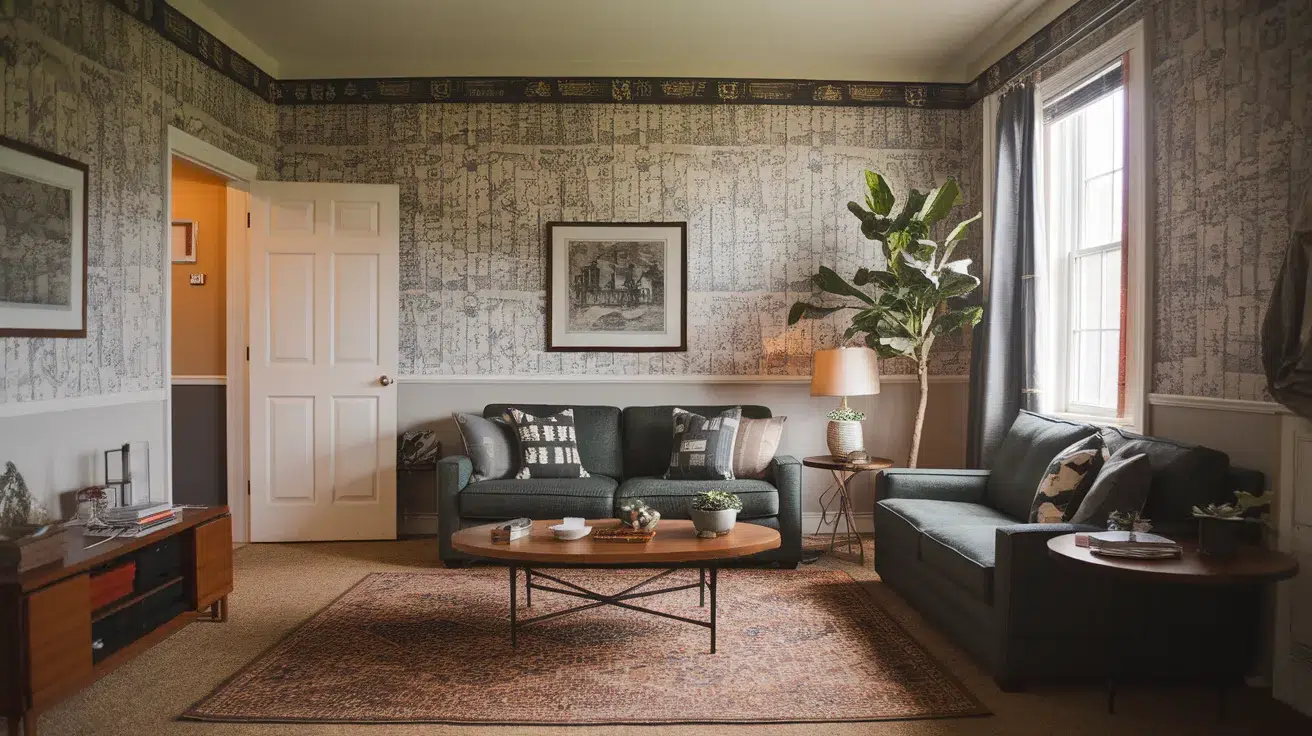
If your space is under 12′ x 16′, you’re in small room territory. When you live in a small apartment, you have to get creative with every single piece of furniture.
There isn’t much room for extras, so keep it simple: a loveseat, one armchair, and a compact coffee table. You might need to do the same.
The key here is choosing furniture that doesn’t overwhelm the space. Opt for pieces with exposed legs, skip bulky recliners, and steer clear of anything that blocks walking paths.
Wall-mounted shelves or floating consoles? Total game-changers in a tight space.
Medium Living Rooms

In most homes I’ve visited or lived in, the living room tends to fall in the 14′ x 20′ to 16′ x 20′ range. This is where things get more flexible.
If your space lands here, you’ll have the freedom to play around with layouts.
You could add two separate seating areas or carve out a cozy reading nook. You can also use this size room to split the space, with one half for watching TV and the other for conversation or games.
It’s roomy without being overwhelming.
Large Living Rooms

If your living room is 20′ x 25′ or more, you’ve got a lot of space to work with, lucky you! I’ve seen these big open-concept rooms that feel like a blank canvas. But here’s the thing: just because it’s big doesn’t mean it’s easy.
You’ll want to break the space into zones so it doesn’t feel like furniture is just floating around.
You can use area rugs to define sections, such as one for lounging and another for reading or playing board games. If you’ve got a large living room, think in “sections,” not just one big layout.
How Average Living Room Size Varies by Home Type and Location
Understanding how average living room size changes based on your home type and location can help you set realistic expectations and plan your space more effectively.
Apartments and Condos
Got a smaller space? You’re not alone. In most apartments or condos, the living room comes in around 10′ x 12′.
That usually means enough room for a loveseat, a slim table, and a TV stand, but not much wiggle room after that.
Here’s where things get interesting: when floor space is tight, the walls become your best friend.
Consider shelves above the TV, lighting that mounts instead of stands, and furniture that serves dual purposes. Even small rooms can feel roomy with the proper setup.
Single-Family Homes
Now let’s stretch things out a bit. In single-family homes, living rooms typically fall into the medium to large category.
This opens the door to all kinds of options, such as sectionals, side chairs, bookcases, or even a cozy reading corner.
Want to switch things up with the seasons? These rooms make it easier.
Furniture can be rearranged, decor can be rotated, and zones can shift without disrupting the overall vibe. It’s a little more space, a lot more flexibility.
Regional or Cultural Differences
Here’s something people often overlook: location matters.
City homes usually pack everything into smaller rooms, while suburban and rural houses tend to give the living room more breathing room.
And if you’re looking at homes outside the U.S.? Expect even more variety. In many parts of Europe, living rooms typically average 150 to 200 square feet, and space-saving layouts are a standard feature.
No matter where you are, the goal is the same: make the room work for your needs without it feeling stuffed or scattered.
How Many People Can Fit Comfortably?
Wondering how many guests your living room can comfortably accommodate without feeling crowded? I’ve asked myself that a lot when hosting get-togethers or even planning furniture for a new space.
Here’s what I’ve learned works well:
- Small rooms (under 180 sq ft): You can comfortably seat 4 to 6 people. Think one sofa and a couple of chairs, or a small sectional.
- Medium rooms (200 to 320 sq ft): These are ideal for 6 to 10 people, especially when you have multiple seating options and an open floor plan.
- Large rooms (350+ sq ft): You can easily host 10 or more guests in a room of this size, with ample space to move, mingle, and relax.
No matter the room size, here’s one tip to swear by: Leave 18 to 36 inches of space around furniture to keep walkways clear. You don’t want your guests having to shimmy sideways to get to the couch.
Design Tips Based on Room Size
Once you know the average room size you’re working with, it’s easier to make wise choices.
A few small changes, such as rearranging a chair or selecting the right rug, can significantly alter the room’s ambiance.
1. Small Living Rooms
Mount the TV on The Wall

This one change makes a big difference. When the TV is up and off the stand, you gain more floor space, and the whole room starts to feel lighter and less crowded.
Choose a Compact Sofa

An oversized couch can quickly take over a small space. A smaller one gives you room to breathe but still feels comfortable enough to relax at the end of the day.
Stick with Light Colors

Light shades help open things up. Try soft neutrals or off-whites; they reflect light and make the space feel more open without doing much else.
Use Furniture with Storage

When space is tight, every piece should work a little more complicated. Tables or ottomans with hidden storage provide a convenient spot to tuck things away without adding clutter.
Add a Mirror to The Wall

A mirror doesn’t just decorate, it bounces light around and makes the whole room feel wider. Hang one across from a window if you can, and you’ll notice the difference right away.
2. Medium Living Rooms
Use an Area Rug to Define the Space

A rug can make such a difference. Once you lay it down, the entire seating area feels more cohesive. Without it, the furniture just sort of floats, and the room feels unfinished.
Go with A Simple Furniture Combo

A full-size sofa can quickly take over a mid-size room. A medium one with two chairs and a side table feels just right. It provides sufficient seating, keeps the space open, and is easy to rearrange when you want a change.
Keep Walkways Clear

If you put everything too close together, the room starts to feel tight, right? Try leaving about 30 inches of space where people need to walk. It helps the room feel open and just easier to move around in.
Mix Your Lighting Sources

When there’s only one light source, the room can end up feeling flat and a little dull. Try mixing it up by placing a floor lamp in the corner, a table lamp near the sofa, and incorporating some soft overhead lighting. It makes the space feel warmer and more inviting without much effort.
Add Natural Textures

You can try adding warm textures, such as wood, cotton, or woven accents, to make the room feel more relaxed and inviting. Even a basket or a wooden shelf adds that cozy feel without trying too hard.
3. Large Living Rooms
Create Different Zones

In a wide-open space, everything can start to feel a little empty if it’s not divided up. One setup that has worked well is using part of the room for lounging, another for reading, and possibly a third for a small workspace. It helps the whole space feel more useful and less like a big blank box.
Use Oversized Rugs

A big rug makes a room feel grounded. Without one, the furniture can seem like it’s all floating apart. You’ll notice how much more pulled together it feels once that rug’s down.
Pick Larger Furniture Pieces

In bigger rooms, smaller chairs or couches don’t fill the space right. Sectionals or two full sofas work better; they provide everyone with a seat and create a solid layout without appearing scattered.
Bring in Height

When everything sits low, the room feels off-balance. Adding tall bookshelves or a few leafy plants can completely transform the look. They help draw the eyes up and make the walls feel like part of the space.
Add a Statement Light

In rooms this size, lighting makes a big difference. A bold pendant or chandelier doesn’t just light the room; it helps center it. It adds a bit of personality to the space and brings the entire setup together.
Common Living Room Mistakes to Avoid
- Pushing furniture against the walls: This can make the room feel disconnected and less cozy. Pull pieces inward to create better flow.
- Choosing rugs that are too small: A rug that floats in the middle of the room shrinks the space. Make sure it anchors your seating area.
- Blocking walkways: Always leave 18–36 inches of space around furniture for people to move comfortably.
- Relying on just one light source: A single overhead light makes the room feel flat. Mix in floor lamps, table lamps, and wall lights.
- Buying oversized furniture for small spaces: That big sectional might overwhelm your room. Always measure before you buy.
- Using furniture you don’t need: If something doesn’t serve a purpose, even if it looks aesthetically pleasing, it simply adds clutter.
Final Thoughts
I know working out a living room layout can feel stressful, but it comes down to making the space serve your needs.
Big or small, your living room has potential; you need a setup that suits your lifestyle.
Even small changes, such as rearranging furniture or adding a well-placed rug, can make a noticeable difference.
When your layout supports your daily routine, everything feels more comfortable, functional, and pulled together.
Found these tips helpful? You’ll find more practical home ideas right here. Take a moment to see what suits your space.