5 Differences Between Hotels and Private Mountain Homes
Planning a mountain getaway? One of the biggest choices you’ll make is where to stay. Should you book a hotel with full service and daily housekeeping, or choose a private mountain home that feels more like your own space? Both options offer comfort, but the experience can be very different. From privacy and cost to space and flexibility, each comes with its own benefits.
If you want your trip to match your travel style, it’s important to understand what sets them apart. Here are five key differences between hotels and private mountain homes to help you decide.
1: Cost Value and Hidden Expenses Breakdown
The hotel vs vacation rental conversation inevitably circles back to money, though the real math is trickier than it appears initially.
The True Cost of Hotel Accommodation
Hotels bill you per room. Traveling with family or friends? You’re booking multiple rooms at multiple prices. But that’s just your starting point. Resort fees tack on another $30-50 every night. Parking? Add $25-40 daily. Some places still charge for Wi-Fi in 2024. Then there’s food, breakfast runs $15-25 per person, and dinner easily hits $50+ per head at hotel restaurants. These “minor” expenses snowball shockingly fast across a week-long trip.
Private Mountain Home Economics
After discovering you could save $150+ daily just on meals, you’ll want to know what other amenities private mountain homes provide that hotels either can’t offer or charge premium rates to access.
Jackson Hole occupies this incredible spot in the Tetons where jaw-dropping peaks intersect with exceptional skiing and summer adventures. The region evolved from ranching roots into a top-tier mountain destination while somehow keeping its genuine Western soul intact. Properties here span everything from intimate cabins to luxury estates, each providing what chain hotels simply cannot duplicate.
People searching for jackson hole homes for rent value transparent pricing that typically bundles amenities hotels upcharge for separately. Full kitchens mean you’re cooking meals at maybe 20% of restaurant prices, we’re talking potential savings exceeding $150 daily for a family of four. Parking’s already included. That hot tub doesn’t show up as a line item. And everyone splits the rental cost, slashing per-person expenses dramatically when you’ve got four or more people sharing.
2: Space, Privacy, and Authentic Mountain Living Experience
When we talk about spatial advantages, we’re discussing something way more meaningful than just measurements on a floor plan.
The Reality of Hotel Room Limitations
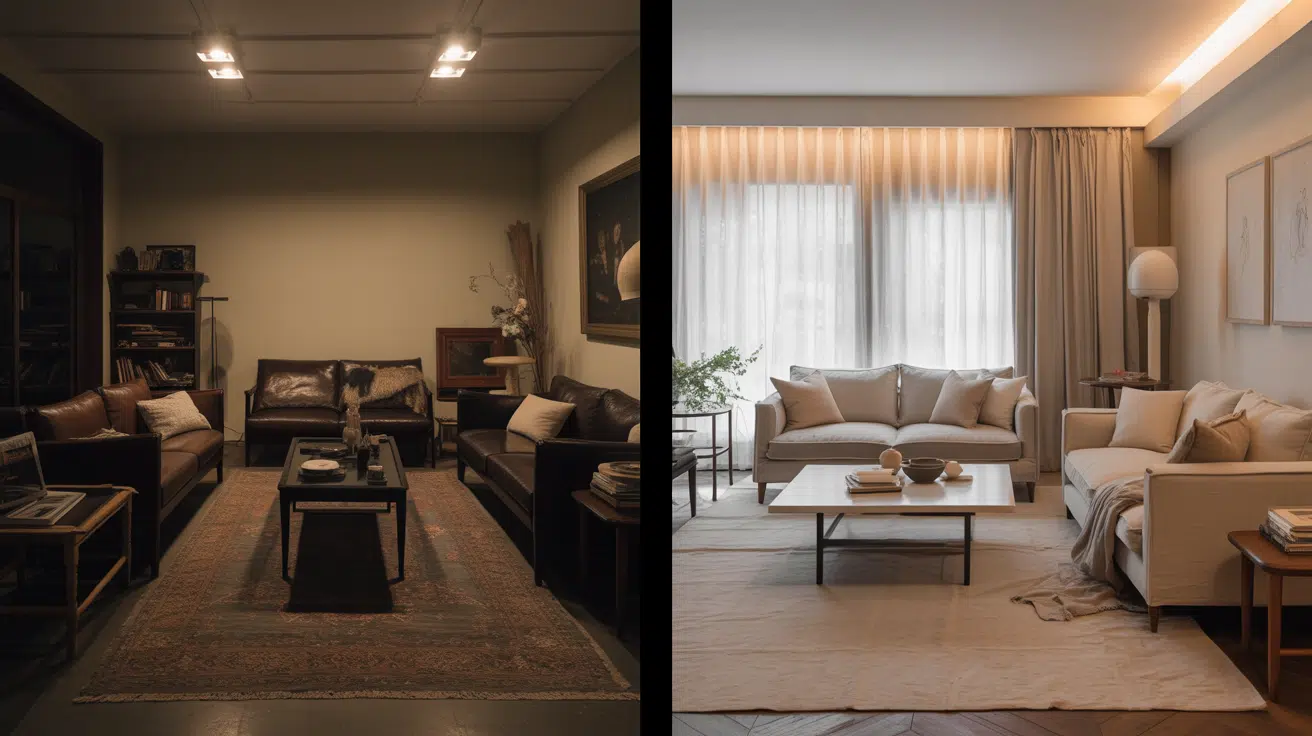
Think about your typical hotel room. You’re looking at maybe 300-400 square feet where everything happens in one cramped box. Sleep, work, relax, entertain, all squeezed into the same multipurpose rectangle. And here’s what really gets old: you’re sharing walls with complete strangers. Hallway conversations at midnight.
Doors slamming at 6 AM. Privacy becomes this elusive luxury you thought you’d paid for. Plus, most hotel rooms could literally be anywhere on the planet. Those beige walls and mass-produced landscape prints? Nothing screams “mountain experience” about that setup.
Exclusive Territory: Your Private Mountain Sanctuary
Now consider what private mountain home benefits actually look like in practice. We’re talking 2,500 to 5,000+ square feet that belong entirely to you and your crew. Kids wake up early? No problem, separate bedrooms mean they’re not disrupting everyone else’s sleep.
Different generations in your group want different things? Multiple living spaces solve that instantly. Picture this: private decks where you control the atmosphere, hot tubs without strangers three feet away, fire pits where you’re not competing for space.
Some properties come with acres of land surrounding you. Complete seclusion simply isn’t something hotels can offer, regardless of their star rating.
3: Customized Amenities and Home-Style Comforts
This is where hotel accommodation differences become glaringly obvious in your everyday comfort level.
Standard Hotel Offerings and Their Limitations
Hotels deal in standardization, maybe you’ll get a mini-fridge, basic coffee maker, and modest TV. Kitchens? Rare unless you’ve upgraded to suite-level pricing. Housekeeping shows up on their timetable, not yours, interrupting your privacy and forcing schedule adjustments around their availability. Interestingly, over half the pipeline for new hotel investment focuses on extended stay properties with kitchens and additional bedrooms, suite-style configurations. Even as hotels scramble to adapt, they’re essentially chasing what private homes have delivered from day one.
Tailored Luxury in Private Mountain Homes
Gourmet kitchens come standard, fully loaded with quality appliances and actual cooking tools hotels never stock. Theater rooms, game rooms, multiple smart TVs, everyone discovers entertainment matching their preferences. Specialized touches like private saunas, wine cellars, and dedicated ski rooms elevate the luxury factor considerably. Smart home systems let you control temperature zones independently, crank up the heat in common areas while keeping bedrooms cool for better sleep.
Beyond gourmet kitchens and private hot tubs enhancing daily comfort, your mountain retreat’s location can absolutely transform your entire vacation from mediocre to extraordinary.
4: Location Flexibility and Authentic Neighborhood Immersion
Where you stay dictates what you’ll see, hear, and genuinely experience every single day of your trip.
Hotel District Constraints
Hotels congregate in tourist-saturated downtown districts where noise and crowds become your constant companions. They’re frequently positioned miles from actual trailheads and ski resorts, forcing you to arrange transportation for basically every activity. You’ll wake to traffic rumble instead of birdsong, surrounded by commercial development rather than the natural beauty you came for in the first place.
Prime Mountain Locations and Local Living
Private homes deliver ski-in/ski-out convenience or position you minutes from resort bases. Trailheads might literally start at your doorstep, with hiking and biking beginning whenever you’re ready. Residential neighborhoods provide substantially quieter environments with unobstructed valley or forest panoramas. You’ll browse local markets, uncover neighborhood restaurants, and immerse yourself in authentic mountain living instead of navigating tourist-trap pricing schemes.
Securing a prime slopeside location with genuine neighborhood character holds tremendous value, but the service quality you experience ultimately determines whether your stay becomes truly memorable or just acceptable.
5: Service Model and Personalized Guest Experience
Service quality colors every single interaction throughout your mountain vacation.
Hotel Service: Standardized vs. Impersonal
Hotels function on corporate rulebooks with inflexible check-in windows and cookie-cutter recommendations. Staff members rotate constantly, so building any rapport is basically impossible. Special requests navigate through approval hierarchies, and flexibility gets strangled by chain-wide regulations.
Concierge-Level Personal Service
Property managers deliver 24/7 support backed by local knowledge hotels cannot possibly match. They’ll pre-stock groceries before you arrive, accommodate flexible check-in timing, and provide personalized activity suggestions based on your specific interests. Keyless entry systems mean you arrive on your schedule, while property apps enable instant communication and location-specific guides curated for the area.
With round-the-clock personalized support and concierge-caliber service accessible anytime, you’ve now seen the five major distinctions, but addressing common concerns helps finalize your accommodation decision confidently.
Final Thoughts on Your Mountain Accommodation Choice
These five distinctions we’ve examined, space and privacy, cost mechanics, amenities, location flexibility, and customized service, explain precisely why travelers are progressively choosing private mountain homes over conventional hotels. For families, groups, and anyone craving authentic mountain living with actual breathing room, private homes provide incomparable value.
Hotels still fulfill certain purposes, absolutely. But they fundamentally cannot replicate the experience of commanding your own mountain sanctuary. Your upcoming mountain escape deserves better than a cramped room with paper-thin walls, it deserves a genuine home base.
Common Questions About Mountain Accommodations
What is the difference between a hotel and a house?
A guest house is often found in residential neighborhoods and it’s usually run by a private individual or family. Hotels are usually found in urban areas and offer a range of amenities like restaurants, spas, and pools. Motels are often found along highways and have fewer amenities than hotels.
What is the difference between a hotel room and a private suite?
Hotel room vs hotel suite You get a single room with one or more king, queen, full, or twin beds, a work desk, a bathroom, and maybe a closet, TV, and a dresser. A suite is a much larger accommodation. It usually has an attached bathroom, a living area, and most times, includes a dining area as well.
Are private mountain homes worth the cost for small groups?
For groups of four or more, private homes typically cost less per person than multiple hotel rooms. The savings on meals alone, thanks to full kitchens, can offset higher nightly rates. Solo travelers or couples on short trips might find hotels more economical, but families and friend groups almost always save money with private rentals.