Metal vs. Tile Roofing: Which Suits Your Home?
Choosing a roofing material is one of those decisions that shapes your home. It affects the look of the house, how it handles weather, and how much maintenance you’ll be doing over the years ahead. For most Australian homeowners, the choice usually comes down to two options: metal or tile.
Both have loyal fans, and both can look fantastic on the right home. But they behave quite differently once installed, and the right choice depends on your home’s style, your climate, and how hands-off you want to be with upkeep.
If you’re weighing up a reroof or planning a new build, it helps to understand the real differences before you decide. Talking it through with a specialist like Roofrite, a local roof plumber company in Melbourne, is a good next step once you’ve narrowed down what matters most to you.
Weight and Structure
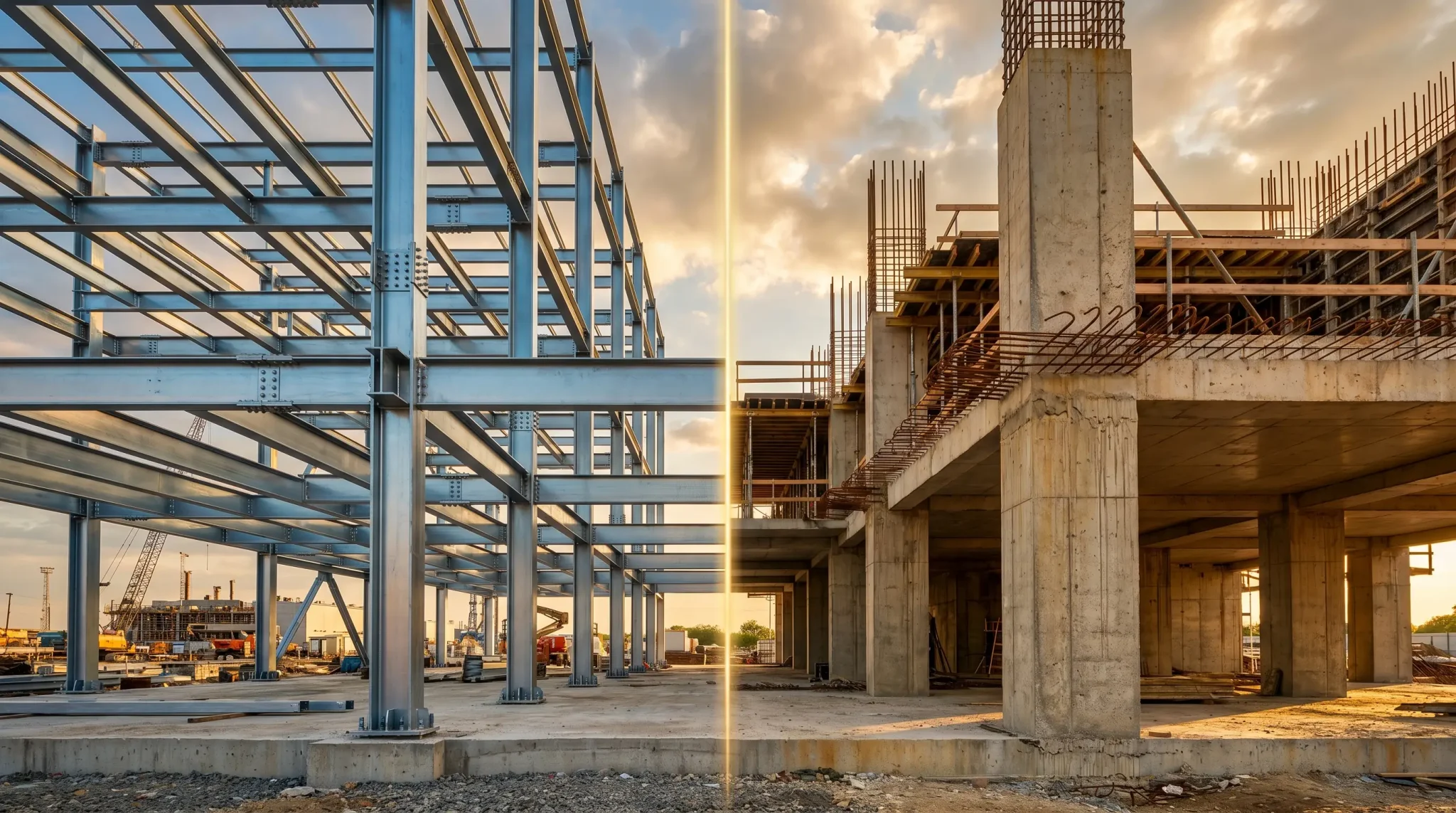
Tile roofing is heavy. A concrete or terracotta tile roof can weigh several times more than an equivalent metal one. That extra weight means the home’s frame needs to be built, or reinforced, to carry it.
Metal roofing is much lighter. This makes it a popular choice for extensions, renovations, and homes where the existing structure wasn’t designed for heavy tile. It also simplifies the build process, since lighter materials are quicker and easier to install.
Lifespan and Durability
Both materials last a long time when properly installed and maintained. Tile roofs often last 50 years or more, and individual tiles are easy to replace if one cracks. The tradeoff is that tiles can be more prone to weather damage over time, particularly in areas with hail.
Metal roofing, especially Colorbond steel, typically lasts 40 to 70 years depending on the product and coating. It resists cracking, doesn’t attract moss, and sheds rain and debris efficiently. Its main vulnerability is surface scratches or dents from serious impacts, though modern coatings have made this less of an issue.
Weather Performance
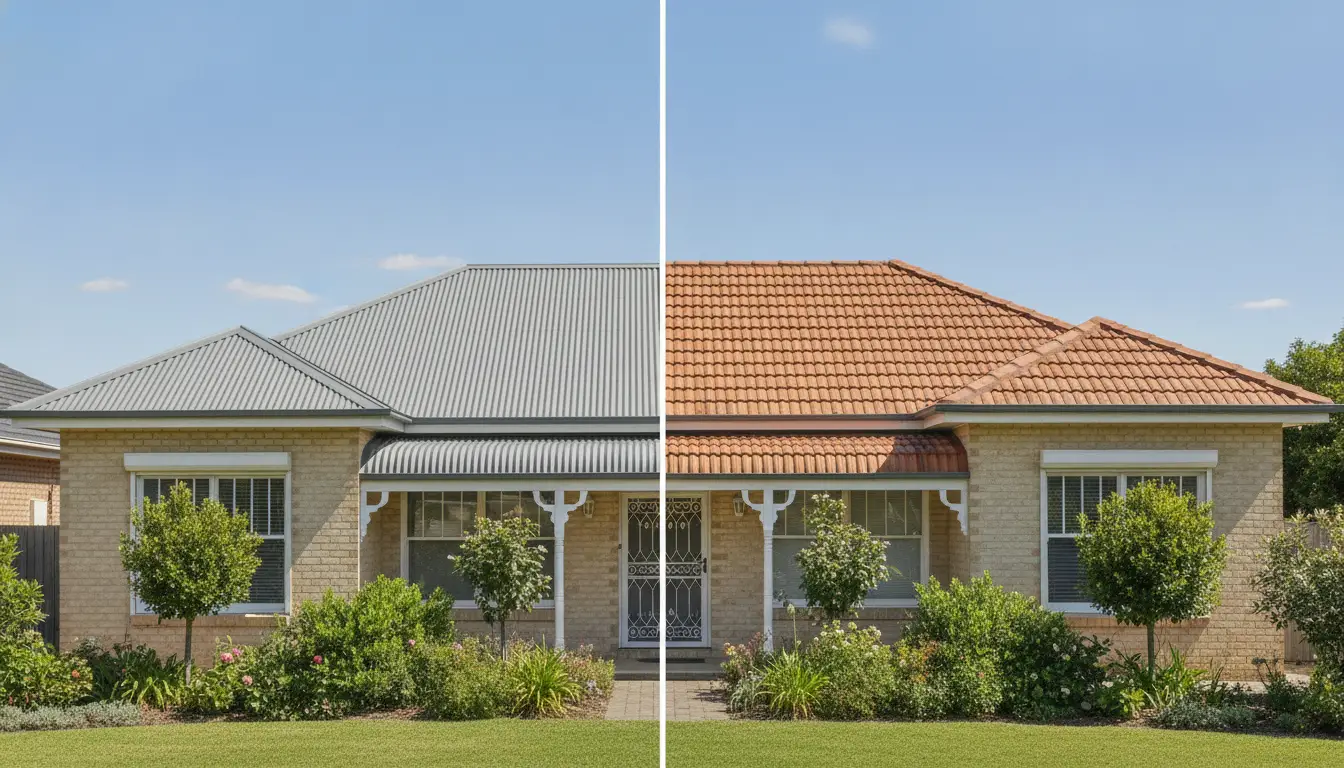
In hot climates, roof colour matters more than material. Lighter Colorbond shades and lighter tile colours both reflect heat well, while darker roofs of either material absorb more of it.
Metal roofing tends to handle heavy rain and storms more predictably, since it has fewer joins and gaps than a tiled roof. Tile roofs, on the other hand, offer strong natural insulation and can be quieter in rain once the right underlay is used.
Style and Street Appeal
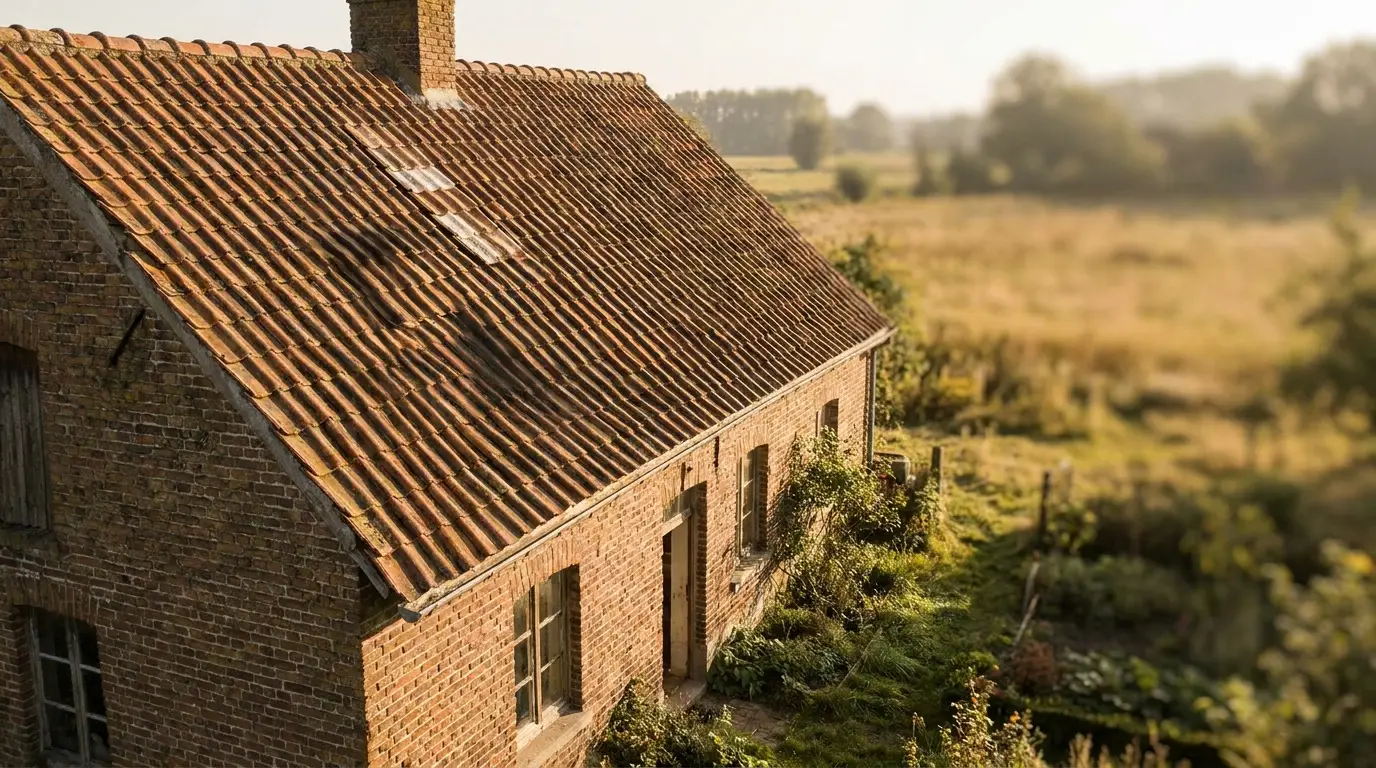
Tile roofing suits traditional and period-style homes especially well. Its texture and shadow lines add a classic, established look that pairs naturally with brick and render.
Metal roofing has become the go-to choice for modern and contemporary builds. Clean lines and a wide colour range make it easy to match a more minimalist aesthetic, and it’s increasingly common on renovated character homes too, often as a deliberate contrast.
Maintenance and Cost
Metal roofing generally needs less ongoing maintenance. Occasional checks for loose fasteners and clean gutters are usually enough. Tile roofing needs more regular attention, including checking for cracked or slipped tiles and keeping valleys clear of debris.
On upfront cost, tile and metal are often comparable, though this varies by product and region. Metal tends to be quicker to install, which can offset material costs on labour. Tile’s long lifespan can make it cost-effective over decades, provided ongoing maintenance is kept up.
Making the Right Call for Your Home
There’s no universal answer here. If you love the classic look of tile and don’t mind the maintenance, it can serve a home beautifully for generations. If you want a lighter, lower-maintenance option with strong storm performance, metal is hard to beat.
The best approach is to get a professional assessment of your specific roof structure, climate exposure, and style goals before committing either way. A licensed roof plumber can tell you what your existing frame can handle and which option will genuinely suit your home, rather than just your budget on paper.